Cow
What it is
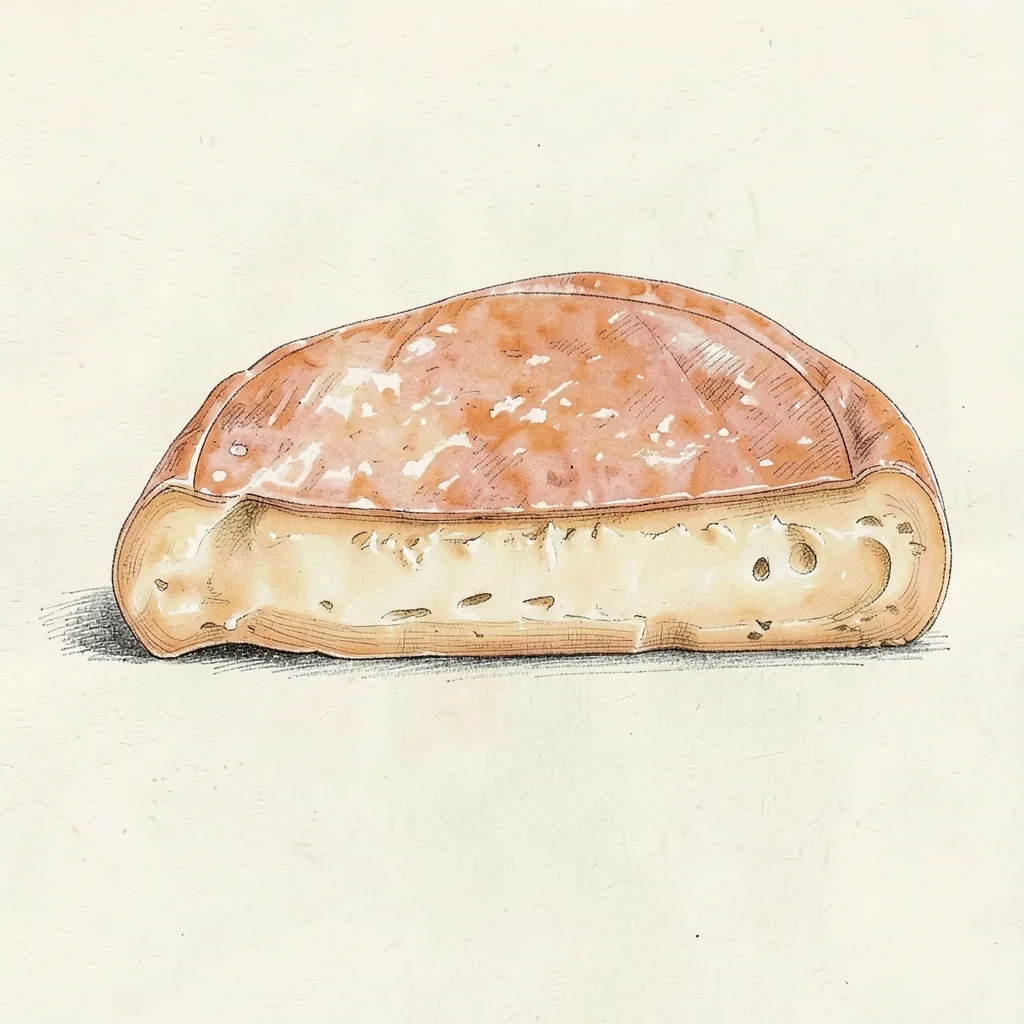
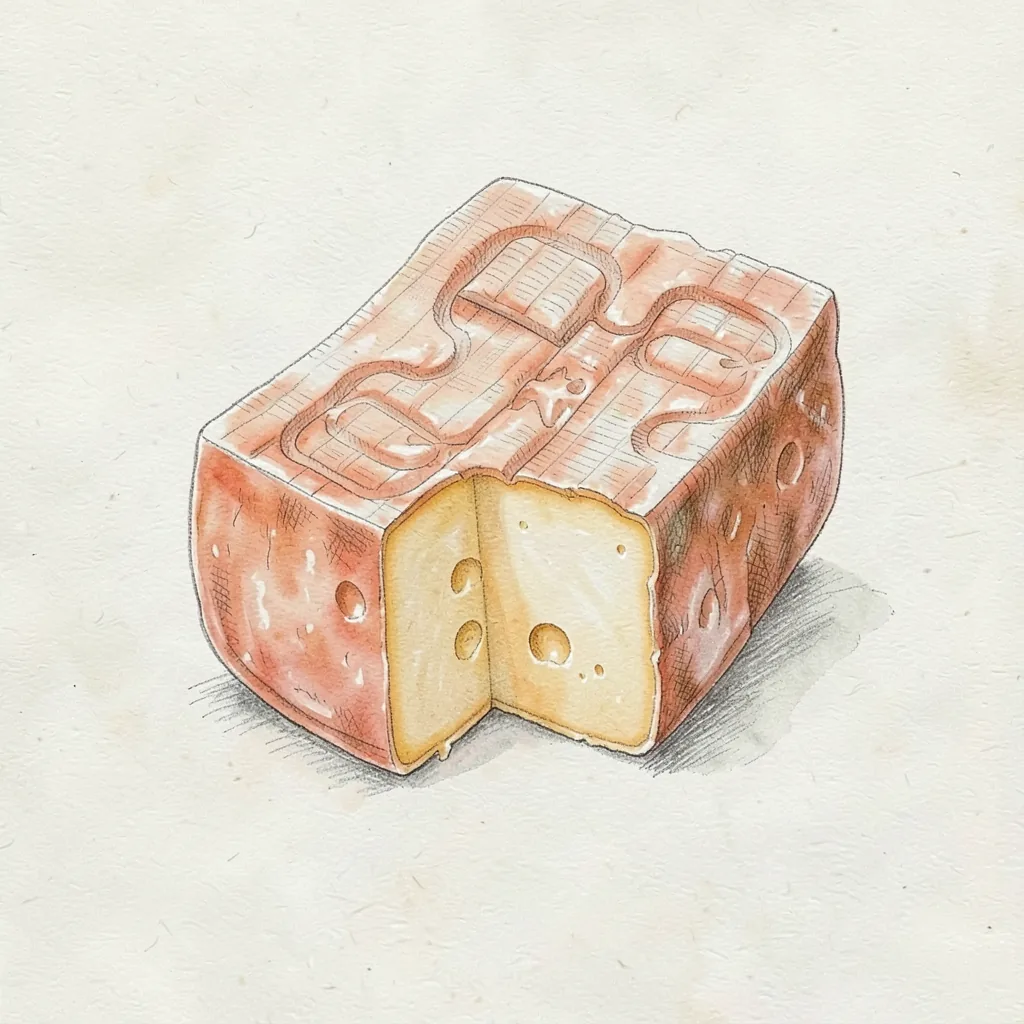
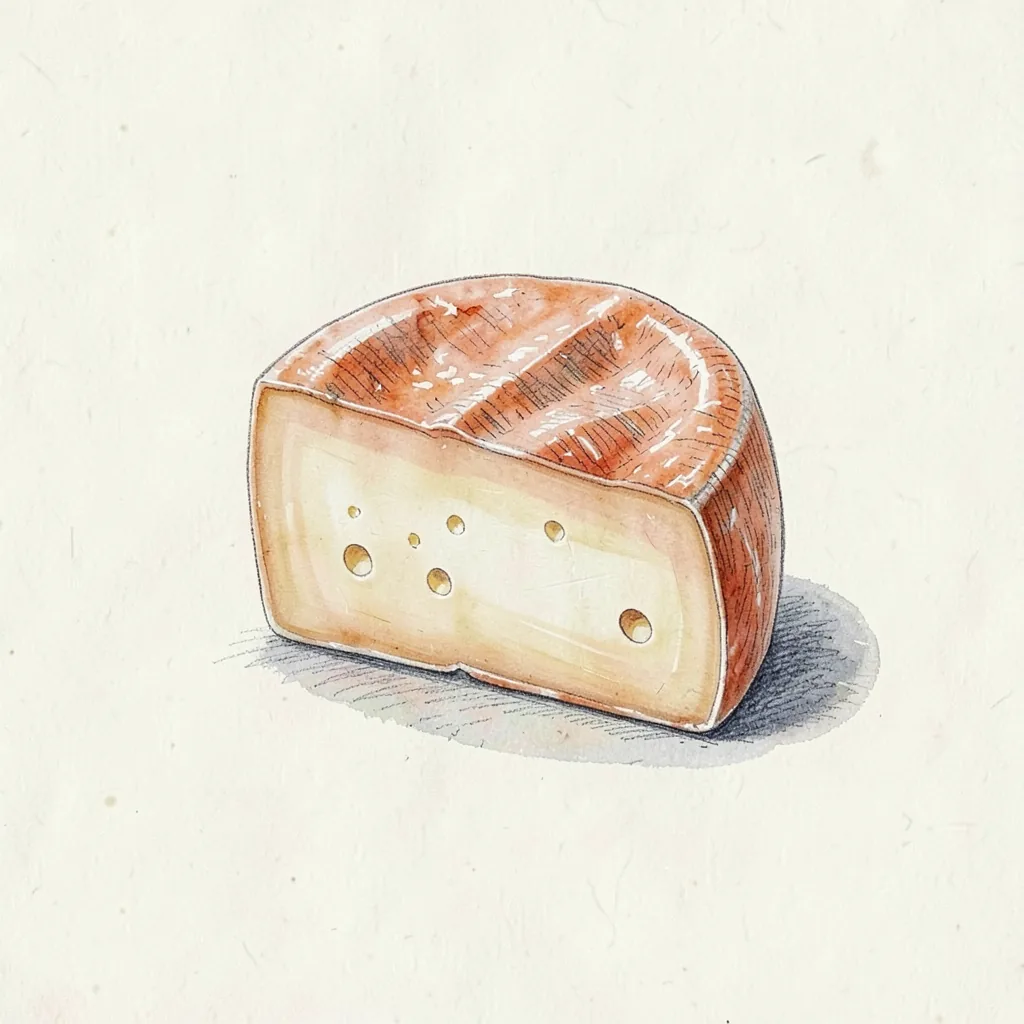
The milk comes from Canadienne cows, a small heritage breed on the Magdalen Islands. The paste is smooth and creamy under a surface-ripened rind, with a nutty, herbal, and sometimes mushroomy taste. The name is a local phrase for rays of sun through cloud, which islanders read as a sign of wind. It is a Quebec island cheese, not a generic Canadian block and not a cheese with large eyes.
A wedge smells richer at the rind than at the center, and the paste yields without crumbling into dry shards. Young pieces are milder and more lactic. Riper pieces are fuller, softer, and more aromatic, with the nut and herb notes clearer. The rind is part of that aroma, and many people eat it. Summer grazing and winter hay change the milk a little, but the cheese stays a creamy raw-milk wheel from those islands.
History
Pied-de-Vent was created so the raw milk of Canadienne cows on the Magdalen Islands could be sold as cheese. Those islands are part of Quebec, and the herd is part of the cheese's identity. The name came from local speech, not from a saint or a noble title. Islanders use pied-de-vent for sun rays through cloud, and they link those rays with wind to come. The cheese kept that name as the dairy settled into regular production.
The dairy stayed on the islands, close to the cows, so the milk could be used fresh. Summer grazing includes many wild plants, and winter feed is dry hay, which shifts the milk through the year. The cheese became a well known food of the Magdalen Islands and a regular sight in Quebec shops. It is still made from the raw milk of that heritage herd, not from a blend of anonymous supplies. The wheels are sold ready to cut, and visitors can watch the make through the dairy windows.
How it is made
The milk is raw whole cow's milk from the Canadienne herd. It is set, and the curd is cut and stirred until the pieces are small. Makers pack the curd into cloth-lined molds and drain it into wheels. The cheeses are salted and aged so the surface can ripen into a rind that carries much of the smell. The paste is not cooked into a hard grating cheese and not stretched like mozzarella, and the result is semi-soft, moist, and ready when the flavor is nutty and full.
Raw milk needs a clean make and a proper rest before sale, and this cheese is sold in ordinary Quebec shops. The rind is edible. Washing and the room's own surface cultures both play a part, which is why tasters call the rind washed or mixed. The interior stays smooth and creamy, without eyes and without blue veins. You do not rinse the wheel before serving, and you do not have to age it further at home.
Taste
Pied-de-Vent smells rich and fairly strong, especially at the rind, with notes of nuts, mushrooms, and damp herbs. The paste tastes creamy and savory, with a herbal edge that people link to island grazing, and a nutty finish. Salt is clear and not harsh. A younger wheel is milder and more lactic. A riper wheel is fuller, with a softer paste under the rind, and it is not spicy like a blue or sweet like a fresh dessert cheese.
Texture tells you as much as flavor does. The body is semi-soft, smooth, and yielding, so a warm slice may slump a little without turning liquid. The rind is thinner than the paste and edible, though its smell is stronger than the center. Color inside is pale cream to light yellow. There is no ash line and no blue marbling, and if the piece smells only of cold milk it may need a short warm-up before the nut and herb notes open.
In the kitchen
Serve Pied-de-Vent on a board with bread, nuts, and fruit, or with a smooth red wine. Cut wedges that include some rind if you want the full aroma, or trim the rind for a milder bite. The paste melts well over potatoes, eggs, or vegetables. Use moderate heat and a short time, because a semi-soft cheese can oil if it fries hard. It also works in a grilled sandwich beside something fresh, such as apple or leek, so the richness has a contrast.
Do not grate it into a powder, and do not boil it for a long time like a hard cooking cheese. Stir pieces into a warm sauce away from a hard boil, or lay slices on a dish at the end of baking. A ripe wheel can be spooned as well as sliced. Wrap the cut face, and keep the cheese away from mild foods if the rind is pungent. Let it warm slightly before a board tasting so the cream and the nut flavor show.
Around the world
Pied-de-Vent travels mainly inside Canada, and it is most at home in Quebec. Some wheels stay on the Magdalen Islands, and others reach cheese shops in the province and a few counters farther away. The French name and the island story are part of how sellers present it. It is not a European washed rind with a Canadian sticker, and it is not a cheese with large round eyes. If you see it abroad, look for raw cow's milk from Quebec and a semi-soft creamy paste.
Reblochon is the practical substitute, a soft cow's milk cheese with a savory rind and a buttery melt. Taleggio can stand in for cooking when you want a supple, aromatic paste. Le Douanier is also from Quebec, but it is semi-firm, pasteurised, and marked with an ash line, so it looks and tastes different. Saint-Nectaire is nutty and made from cow's milk, yet it is firmer. Use Pied-de-Vent for the creamy raw-milk paste, and another soft cow's milk cheese when you only need melt.