Cow
What it is
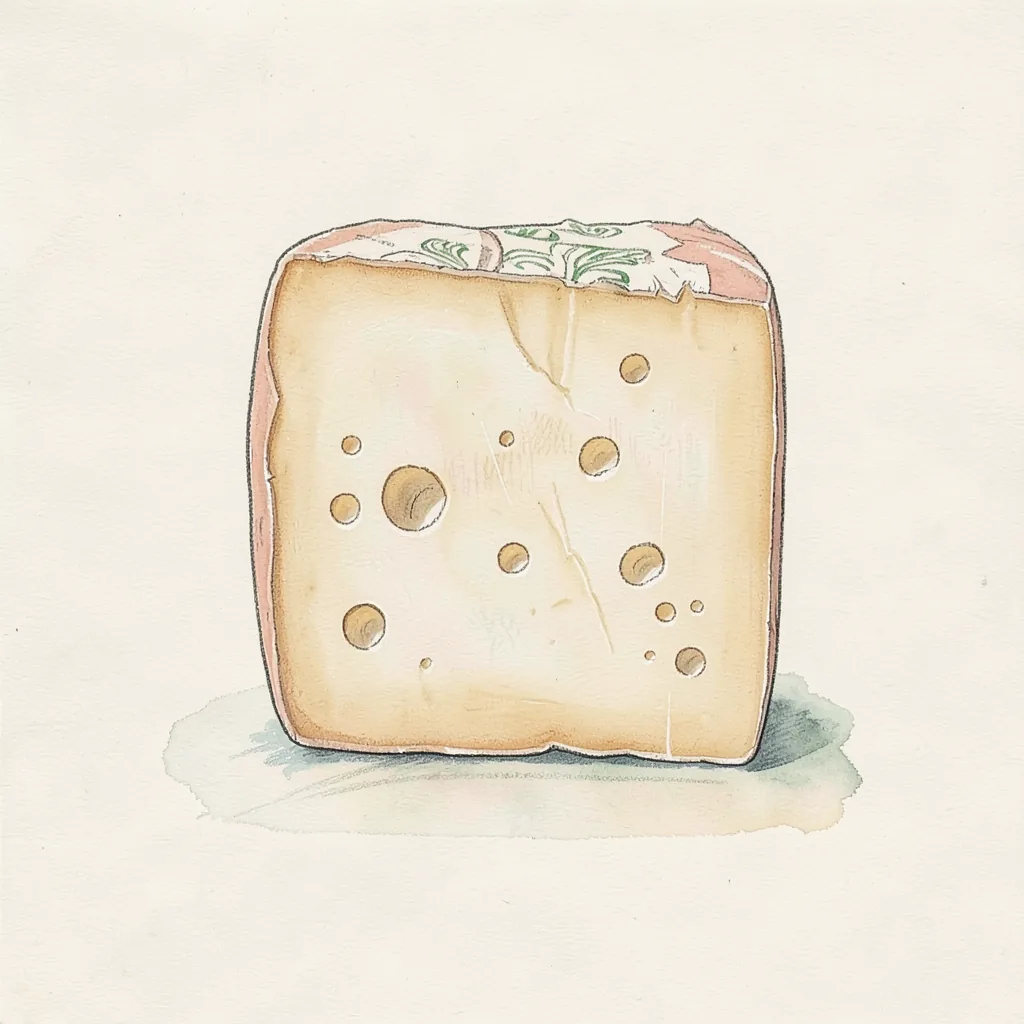
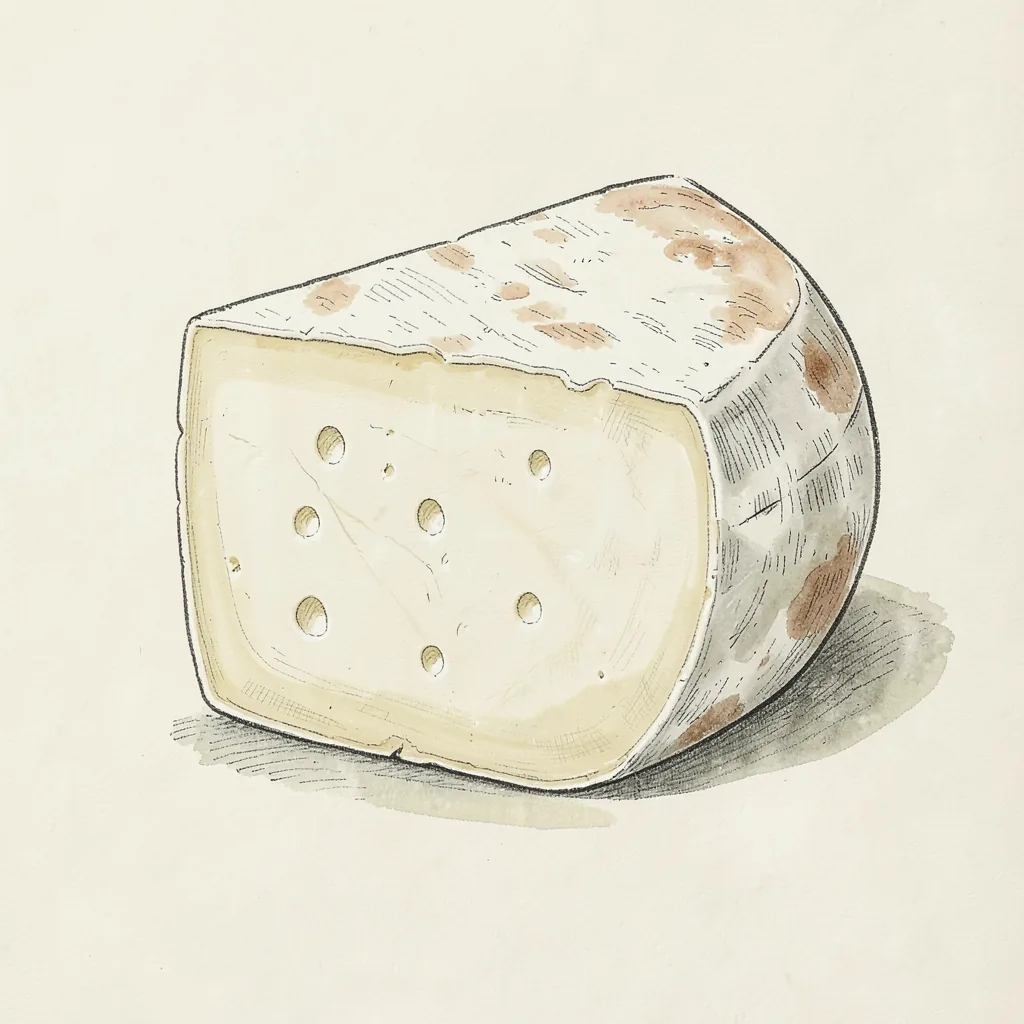
A washed rind covers a supple, pale yellow paste, and a thin line of edible vegetable ash runs through the middle. The French name means the customs officer. Makers use the ash line as a picture of the border between Canada and the United States, near the area where the cheese is produced. The taste moves from creamy and nutty toward a light spice as the rind develops.
Cut a wedge and the dark seam shows at once, which is how shoppers recognize the cheese. The rind is orange-brown, brushed, and stronger in smell than the center. The paste stays smooth and yields without crumbling like a hard grating cheese. It is a Quebec washed-rind cheese in the broad family of supple cow's milk wheels, with the ash as its signature. A piece with no line is probably something else, even if the rind color looks similar.
History
Le Douanier took its name and its look from the border country of southern Quebec. The customs officer in the name is a frontier figure, not a saint. The ash line echoes a mark known from Morbier in France, where a dark streak crosses a wheel, but here the streak stands for the line between two countries. The cheese was built as a Quebec original with that image in the paste. It is a washed cow's milk cheese, not a blue and not a fresh curd.
The cheese earned a place in Canadian competitions and on counters across Quebec, where washed rinds are everyday foods. The ash stayed edible and visible, so the story is something you can see. Quebec is the region, and the border image is the detail people remember. Later batches kept pasteurised cow's milk, a brushed washed rind, and that same dark seam. Shoppers still use the line, more than the French title, to pick it out of a case.
How it is made
Pasteurised cow's milk is set with cultures and a microbial enzyme, and the curd is cut and stirred. Makers fill the mold in two stages and lay a thin seam of edible vegetable ash between the layers. The wheel is pressed until the paste is supple and closed, then salted. During aging the rind is washed and brushed until it turns orange-brown. The interior stays pale, creamy, and smooth, with the ash still visible as a dark line.
The ash is food-grade vegetable ash, not mold and not a layer of herbs. It does not make the cheese a blue, and it should not taste burnt when the line is thin. Washing encourages the surface life that gives a washed rind its savory smell, while the paste inside stays milder. Aging continues until the wheel is semi-firm and the flavor shows nut and a little fruit. The finished cheese is sold in wedges or small wheels, ready to cut.
Taste
Le Douanier smells earthy and a little vegetal, with the rind stronger than the paste. On the tongue the flavor is creamy, with nuts and a green-apple freshness, then a mild spice if the wheel is older. Salt is balanced, and the finish is clean rather than bitter. The ash line has almost no flavor of its own, and it is there to see. The paste is smooth and slightly yellow, and it yields under a knife without a hard snap.
A younger piece is buttery, gentle, and soft at the edge. A longer-aged piece keeps the cream and adds a sharper note near the rind. The orange-brown rind is edible, though some people trim it when the smell is more than they want. The center stays calmer than the surface. If you expect a blue, the dark line may confuse you for a moment, but there are no blue veins and no peppery mold taste.
In the kitchen
Cut Le Douanier in wedges for a board, and leave the ash line in view. It pairs with orchard fruit, apple cider, mild red wine, plain bread, and nuts. The supple paste also melts. Lay slices on warm potatoes, in a grilled sandwich, or over vegetables, and use moderate heat so the fat stays glossy. The rind can stay on in cooking if you like a stronger savor, and a little is enough because the surface is more assertive than the center.
For a sauce, shred or slice the paste and stir it into warm liquid off a hard boil. The ash will speckle the dish, which is harmless and simply shows the line from the wheel. Do not grate it like a dry hard cheese, because the body is too moist and will clump. Serve a board portion slightly cool if the rind smell is strong, then let the slice warm a little before you taste it. Wrap leftovers so the washed rind does not dry or scent the fridge.
Around the world
Le Douanier is a Quebec cheese, and it is easiest to find in Canada, especially at Quebec shops and cheese counters. Export wedges appear where Canadian cheeses are stocked, often beside other washed rinds. The French name can send a shopper into the French section by mistake. The milk, the border image, and the region are Canadian. Look for the ash line and the orange-brown rind together, because a wedge with no line is probably a different cheese.
Morbier is the classic confusion, because it also carries an ash line through a cow's milk paste. Morbier is French, and its line began as a practical mark in the make, while the line in Le Douanier stands for a border. Saint-Nectaire is another semi-firm cow's milk cheese with a savory rind, but it has no ash seam. Use Morbier when you cannot find Le Douanier and you want that striped look. Use a plain washed rind when the line does not matter to the dish.