What it is
Makers pack salted curd into a pot or jug, then leave it to ripen, often in the ground, until the paste turns savory and aromatic. It is not a fresh pot of uncured curds. The ripe cheese is known for a strong smell and a salty taste, and the texture can be firm, crumbly, or almost powdery. Households in the area still make it, and it also appears in local markets.
The English name is a plain translation of the local jug cheese. In northwest Iran, similar cheeses are packed in earthen pots and kept through the cold season. Urumia is one home of that style. Some batches include herbs or spices, and some are plain salted curd. It is a regional food, not a factory brand, so buy it from a seller who already ripens and stores it rather than trying the old method at home.
History
Pot cheese belongs to the home dairy tradition of Urumia rather than to a named creamery or a written founding date. Families made cheese when milk was plentiful, salted it, and stored it in a pot so it would last into the cold season. Burying the pot or keeping it in a cool cellar let the flavor deepen. The same broad idea, a salted cheese ripened in a jug, is known across parts of northwest Iran under local names. The Urumia cheese is one branch of that habit.
Written studies of the cheese are recent, and they describe a food that was already local practice. They do not point to a single founder or a single firm. Recipes vary by household, which is normal for a cheese that never needed a national brand. Herbs, cumin, and plain salt all show up in different batches. What stays steady is the pot, the salt, and the wait, and that is the history a buyer can trust.
How it is made
Traditional makers start with raw milk and set it with rennet, without adding a packaged starter culture. The curd is cut, drained, and salted, then broken or packed into a pot or jug. Some batches include thyme, cumin, or other herbs, and some use only salt. The vessel is closed and kept cool, often in the ground, while the cheese ripens. Native lactic bacteria build the aroma, and this is local practice rather than a set of steps to copy at home.
Details change from one household to the next. Some cheeses are pressed a little before they go into the pot, and some are only well drained, with dry salt as the common seasoning. This is not a soft white cheese kept in a brine tub like many other Iranian table cheeses. Ripening lasts long enough for the paste to firm and for the smell to grow strong. Raw milk can carry harmful germs, so buy a ripe piece from someone who knows the local method.
Taste
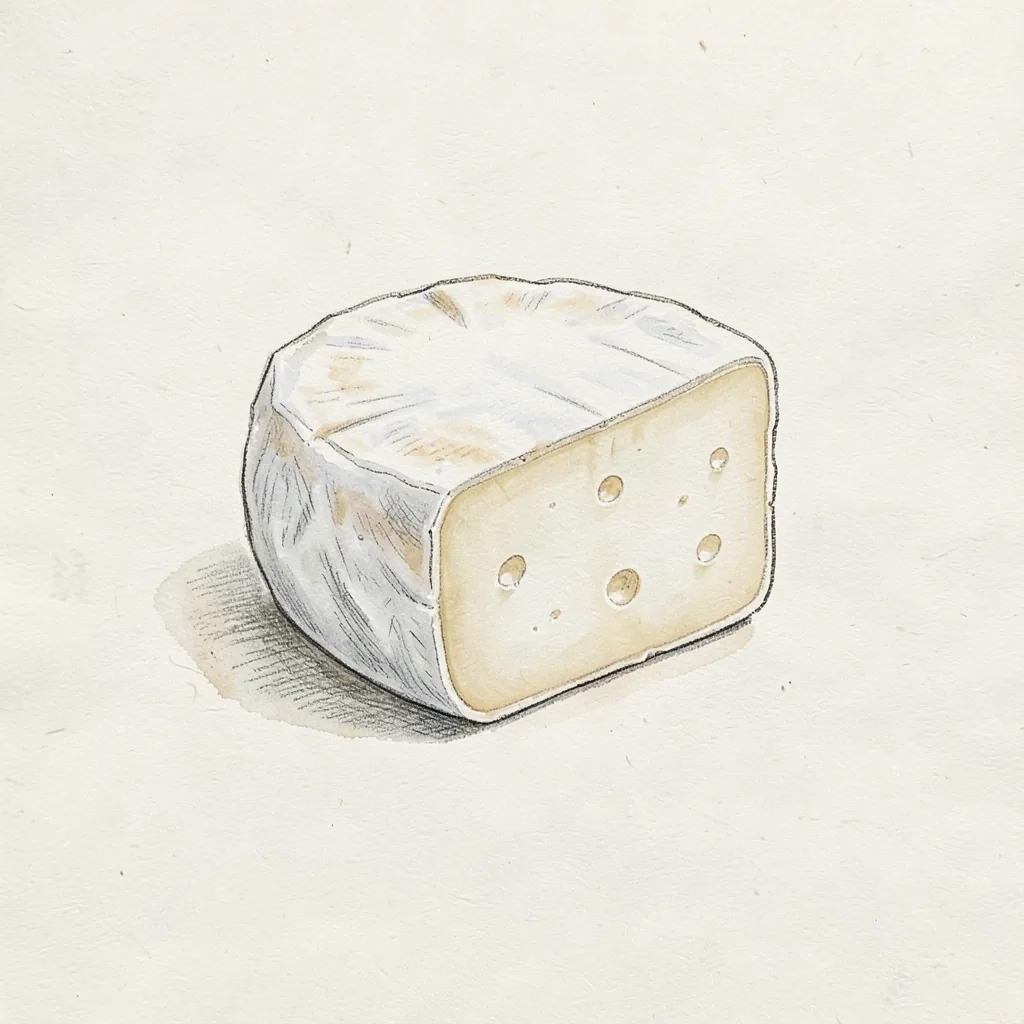
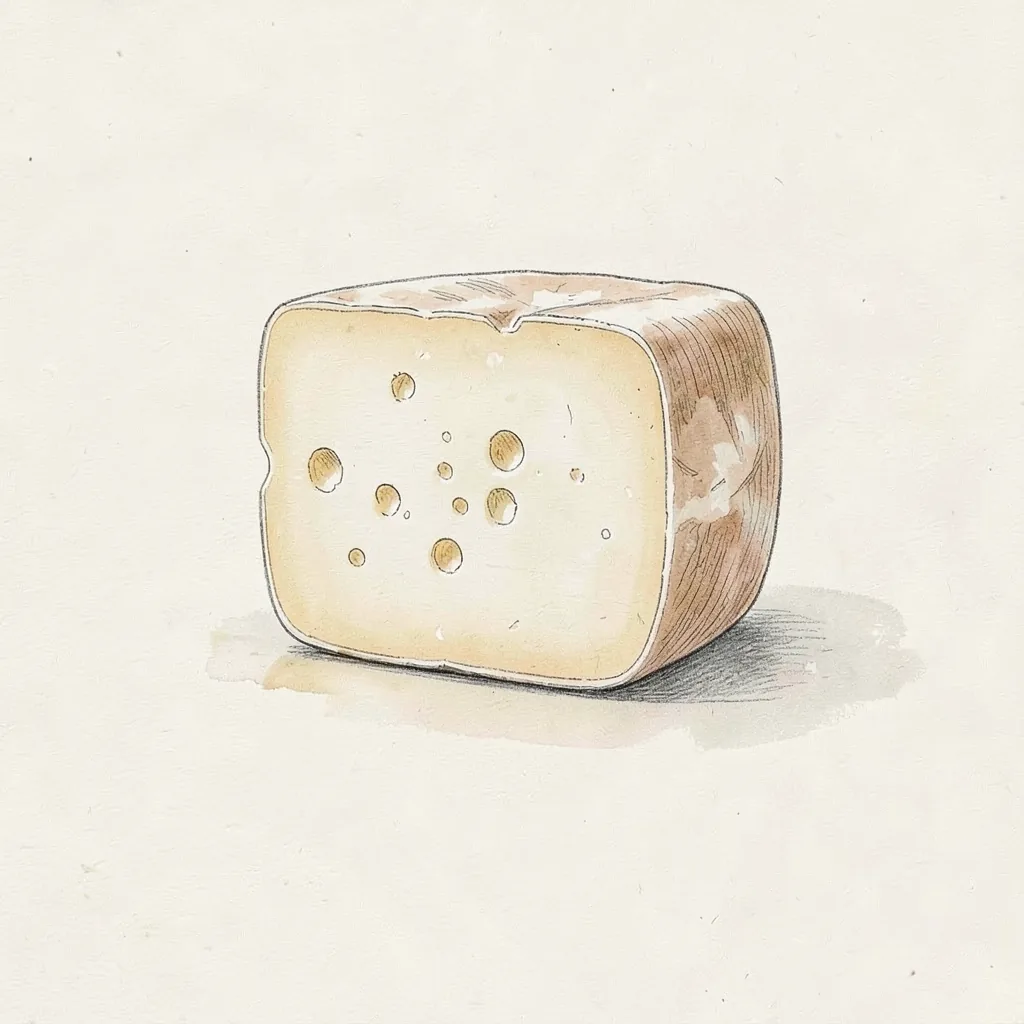
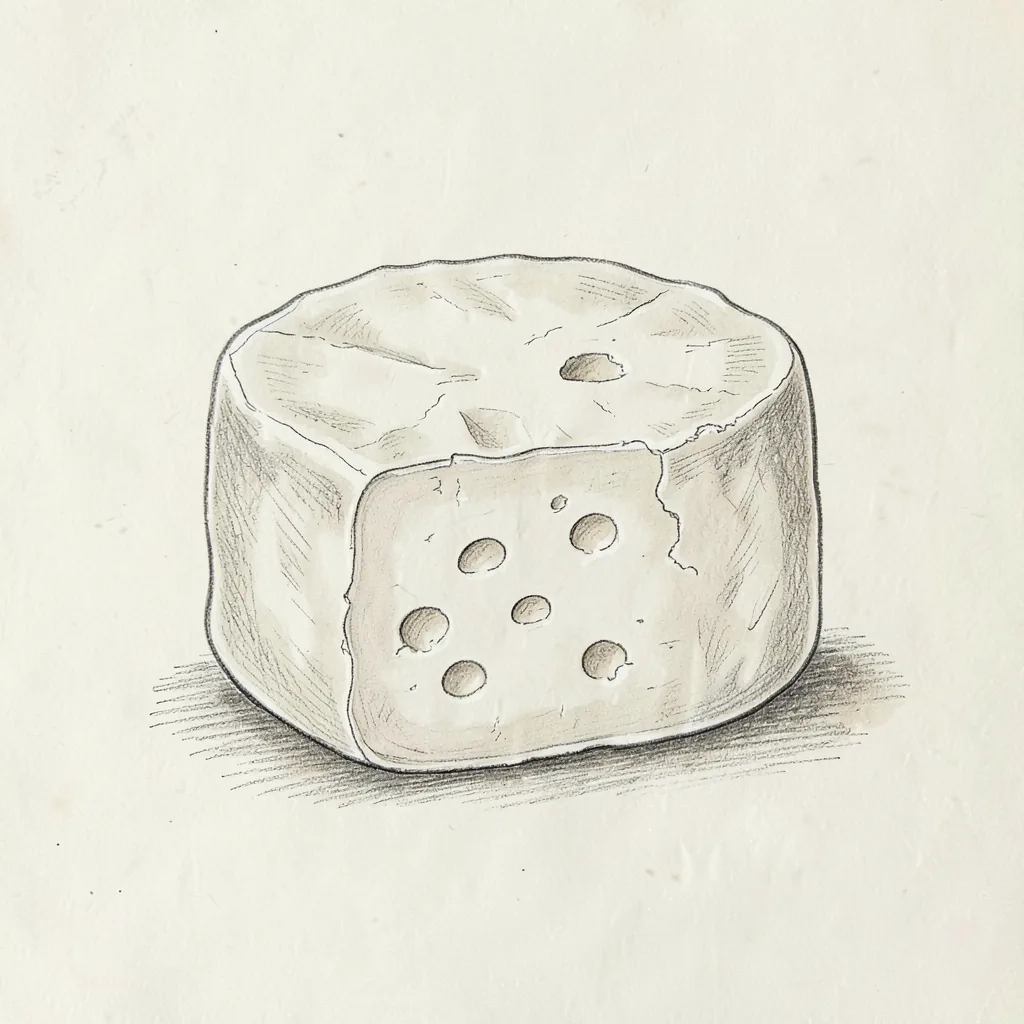
Ripe pot cheese smells stronger than a fresh curd, with a savory, fermented aroma that can fill a room. The taste is salty and full, sometimes tangy, and herbs show up clearly when the maker added them. The paste may break into crumbs or feel almost dry and powdery, and it can still seem rich on the tongue. A young piece is milder and more milky, but the cheese people seek is the ripened one. Salt is part of the style, not a mistake in one batch.
A clean example tastes fermented and savory, not rotten. A slime on the surface, or a smell like spoil, means the pot was poorly kept, and that piece should be refused. Herb batches can taste green and slightly bitter from the leaves, while a plain batch tastes more of salt and ripe curd. The texture should crumble under a knife rather than stretch. Let a small piece warm before you judge it, because cold mutes both the aroma and the salt.
In the kitchen
In Urumia, pot cheese is food for bread, fresh herbs, and tea, more than a cheese for a long sauce. Crumble it over warm bread or a simple salad of cucumber and tomato. It is salty, so use a small amount and do not add much extra salt. It does not melt into long strands, though a little can go into rice or eggs when you want a sharp, savory note. Keep it cold once you open it, and finish it while the aroma is still clean.
Treat the cheese like a seasoning as well as a food on the plate. A spoon of crumbs can lift beans, eggs, or greens without a separate sauce, and it will not flow in a grilled sandwich. If a batch is very dry, mash it with a little yogurt when you want a spread, and keep that mixture cold. Pair it with walnut and flatbread rather than with sweet fruit. Do not bury a pot of raw-milk curd at home, because a poor copy can be unsafe.
Around the world
Pot cheese from Urumia rarely travels as a labeled export. Most people outside Iran will not see it in an ordinary supermarket. Lighvan, another traditional cheese from northwest Iran, is the one more buyers already know, and it is brined in blocks rather than ripened in a pot. A salty white cheese such as feta is only a distant stand-in for the plate, not for the aroma. Ask for the local jug cheese if you are in the region, and expect a ripened, salty, strong piece.
Do not confuse this cheese with fresh American pot cheese, which is a drained curd closer to cottage cheese. The shared English name is a translation accident, not a shared recipe. American pot cheese is mild and fresh, while the Urumia cheese is kept until it smells ripe. Tulum, from Turkey, is a nearer idea because it also ripens in a vessel, but it is still a different cheese. Outside Iran a specialty shop is a rare bet, and in Urumia the market is the real source.