Sheep
What it is
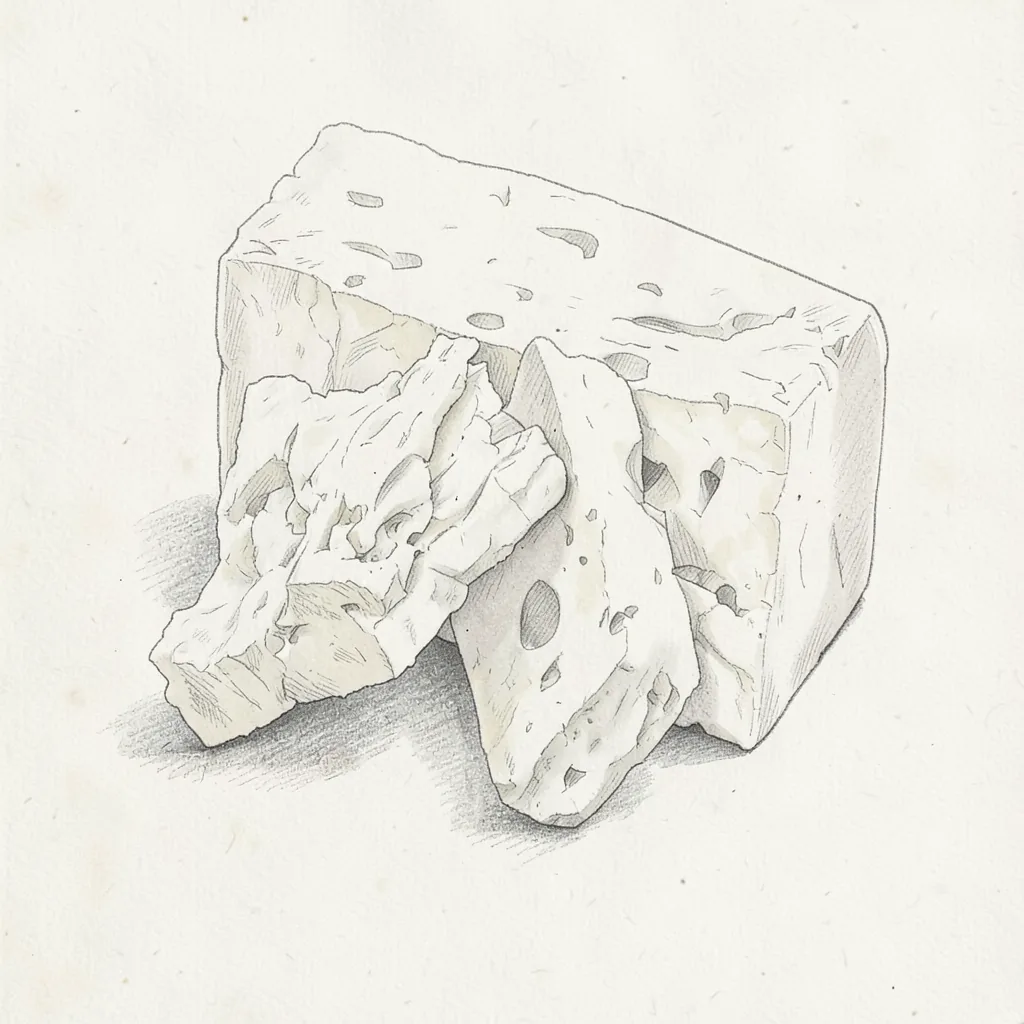
The curds are white, salty, and tangy, with a texture that can be crumbly or slightly supple. Makers drain the cheese and then hold it in brine, which is the step that defines the taste. There is no bloomy rind and no long dry aging on a shelf. Iranians know it best as a breakfast cheese with bread.
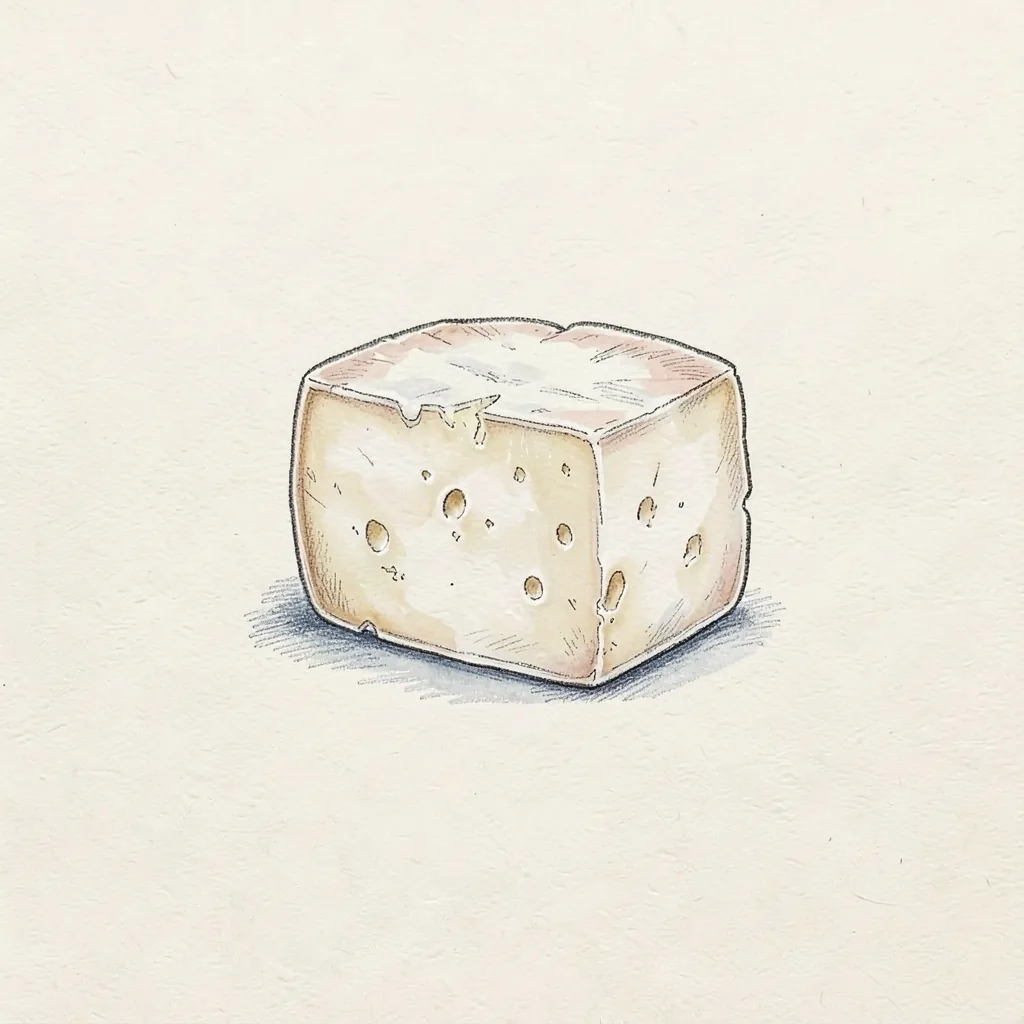
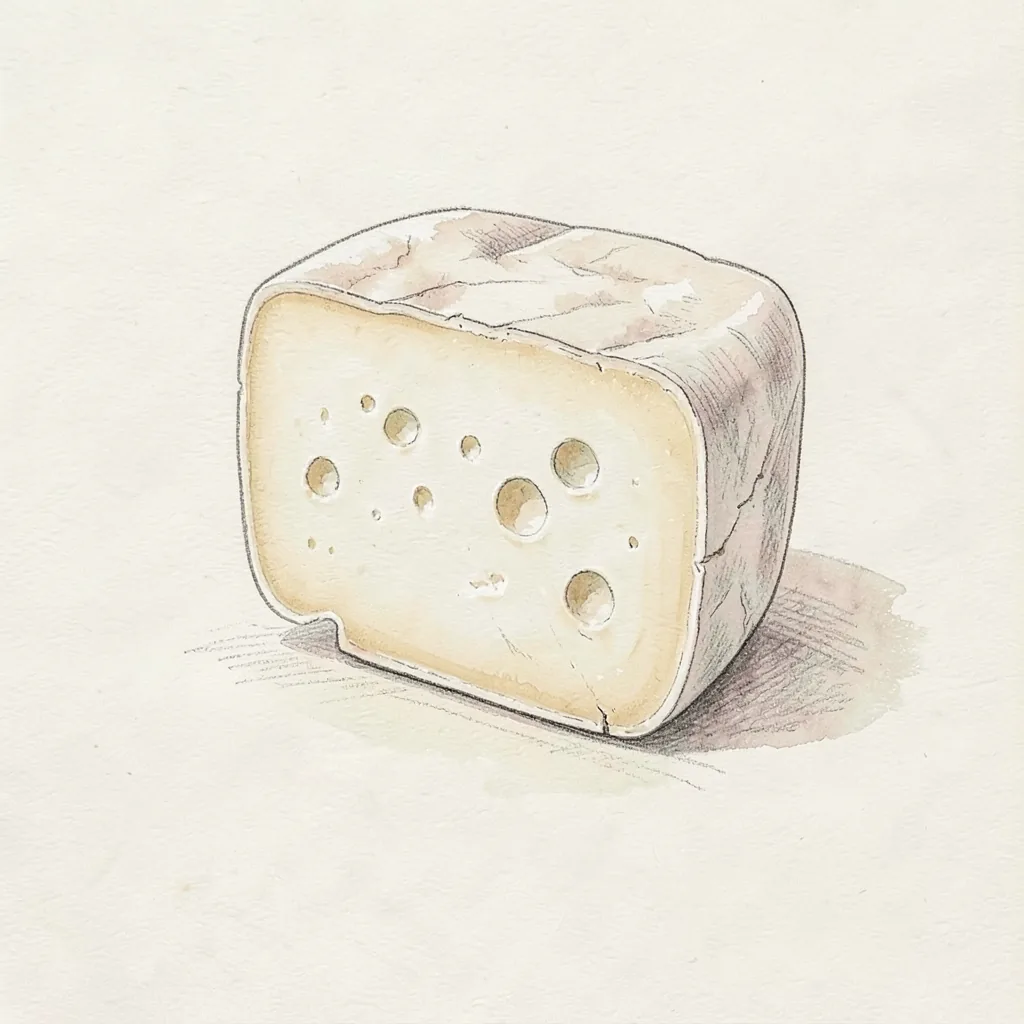
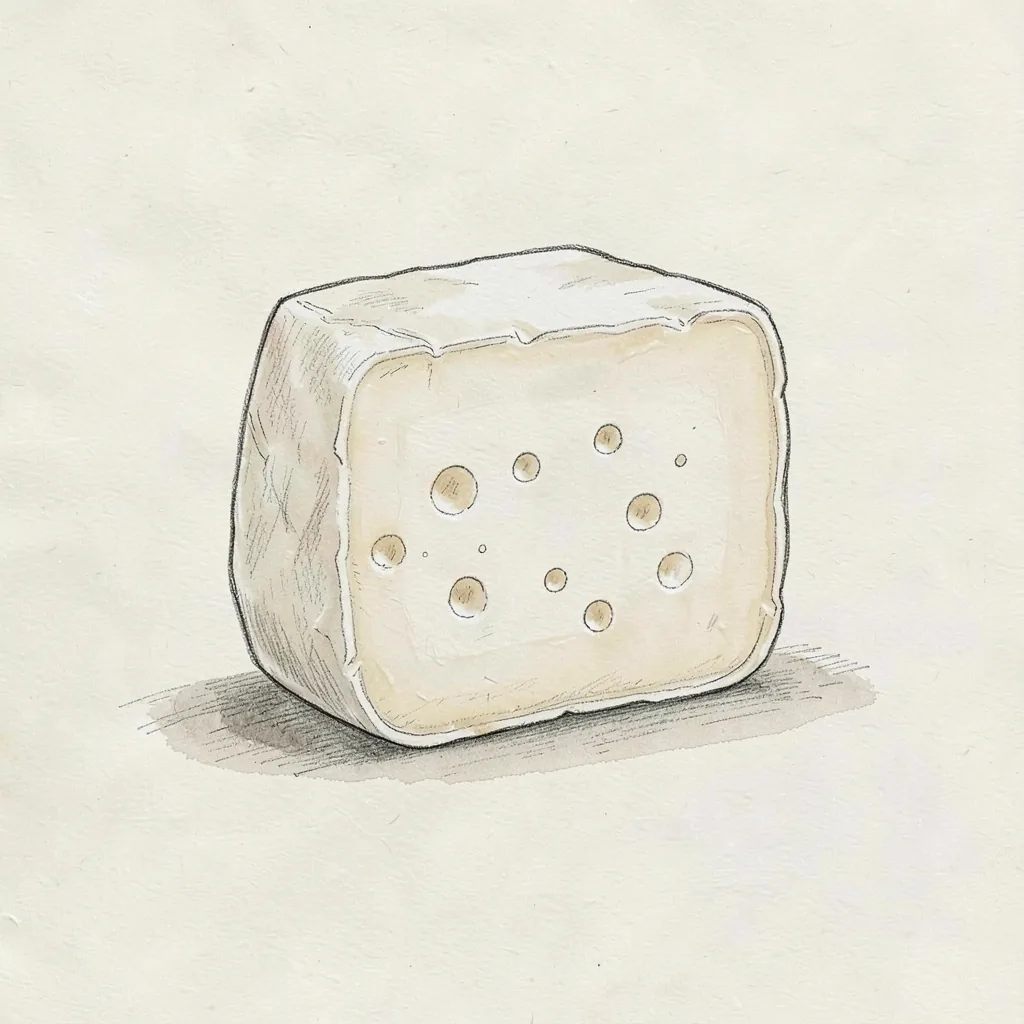
The paste is bright and lactic, with the richness of sheep's milk under the salt. Small irregular holes are common, and a clean piece crumbles over warm bread rather than bending like a stretched curd. Herbs, walnuts, and fresh vegetables are the usual plate partners. It is sharper than many mild white cheeses and less chalky when the brine is well balanced. Buy it packed in brine, not as a dry wheel.
History
The cheese takes its name from Liqvan, and that place name is part of how shoppers in Iran judge it. Sheep's milk from the area is set with rennet, drained, salted, and left to ripen in brine. Home and small dairy methods both exist, and the brine is the preservative that matters. The style belongs to a wide family of white brined cheeses across the region. Lighvan is the Iranian name people ask for at breakfast.
Because the name carries weight, other white cheeses are sometimes sold as if they were the same thing. A true batch is tied to Liqvan and to sheep's milk, with a sour, salty character that comes from the brine rest. It is not a fresh unsalted curd, and it is not a hard grating cheese. The reputation grew through daily meals rather than through export marketing. Bread, herbs, and tea are still the setting where the cheese makes sense.
How it is made
Fresh sheep's milk is coagulated, and the curd is cut so whey can leave. The mass is packed into cloth and drained until it holds a shape. Blocks are salted, often in a container, and then moved into brine for the ripening period. No starter culture is required in the older method, so the milk's own microbes help the sour taste develop. The finished cheese stays white.
Brine strength and time change the result more than fancy equipment does. A short rest leaves a milder, softer piece. A longer rest in salt water firms the paste and deepens the tang. The cheese is usually sold wet, in tins or tubs of brine, so it does not grow a dry rind. Keep it in that liquid, because a drained block dries out and turns harsh at the edges.
Taste
Expect salt first, then a clean sourness, then the round flavor of sheep's milk. The paste is moist and can crumble, with small holes that catch the brine. It is tangier than a very mild feta-style cheese and less creamy than a fresh spread. A well made piece is bright, not bitter. If the salt is too heavy, rinse a slice briefly and pat it dry before you eat it.
The aroma is lactic and lightly animal, which is normal for a sheep's milk brine cheese. It should not smell rotten, soapy, or harshly chemical. Texture ranges from sliceable to crumbly, depending on how long it sat in salt water and how it was drained. Cold cheese tastes sharper and saltier. Let it warm a little so the sheep's milk richness shows under the salt.
In the kitchen
Serve it the way Iranian breakfasts do. Set slices or crumbles on flatbread with fresh herbs, walnuts, tomato, and cucumber, and pour tea beside the plate. The salt seasons the bread, so you rarely need more. It can also go into a salad of herbs and vegetables if you cut the other salt in the dressing. Do not treat it like a melting pizza cheese.
Cooking is possible, but the cheese is happier uncooked or only warmed. Crumble it over eggs, greens, or a grain dish at the end of cooking. Heat can soften it, yet it will not stretch. If a block tastes too salty for the recipe, soak it for a short time in plain water and then drain it well. Taste before you add any extra salt.
Around the world
In Iran, Lighvan is a familiar market cheese, and the Liqvan name is a mark of the traditional style. Grocers that serve Iranian communities abroad often stock tins of it next to other white brined cheeses. Feta, sirene, and beyaz peynir can stand in when the real cheese is missing, but each has its own salt and milk character. Read the label for sheep's milk if that flavor is what you want. A cow's milk white cheese will taste thinner.
The cheese fits the same table as other brined breakfast cheeses from the eastern Mediterranean and beyond. What sets it apart is the sheep's milk and the link to Liqvan, not a fancy rind or a smoked finish. It is an everyday food, not a rare board cheese for special shops only. Travelers are more likely to meet it at home breakfasts than on a tasting menu. Keep the tin chilled, and keep the cheese in its brine until you serve it.