Cow
What it is
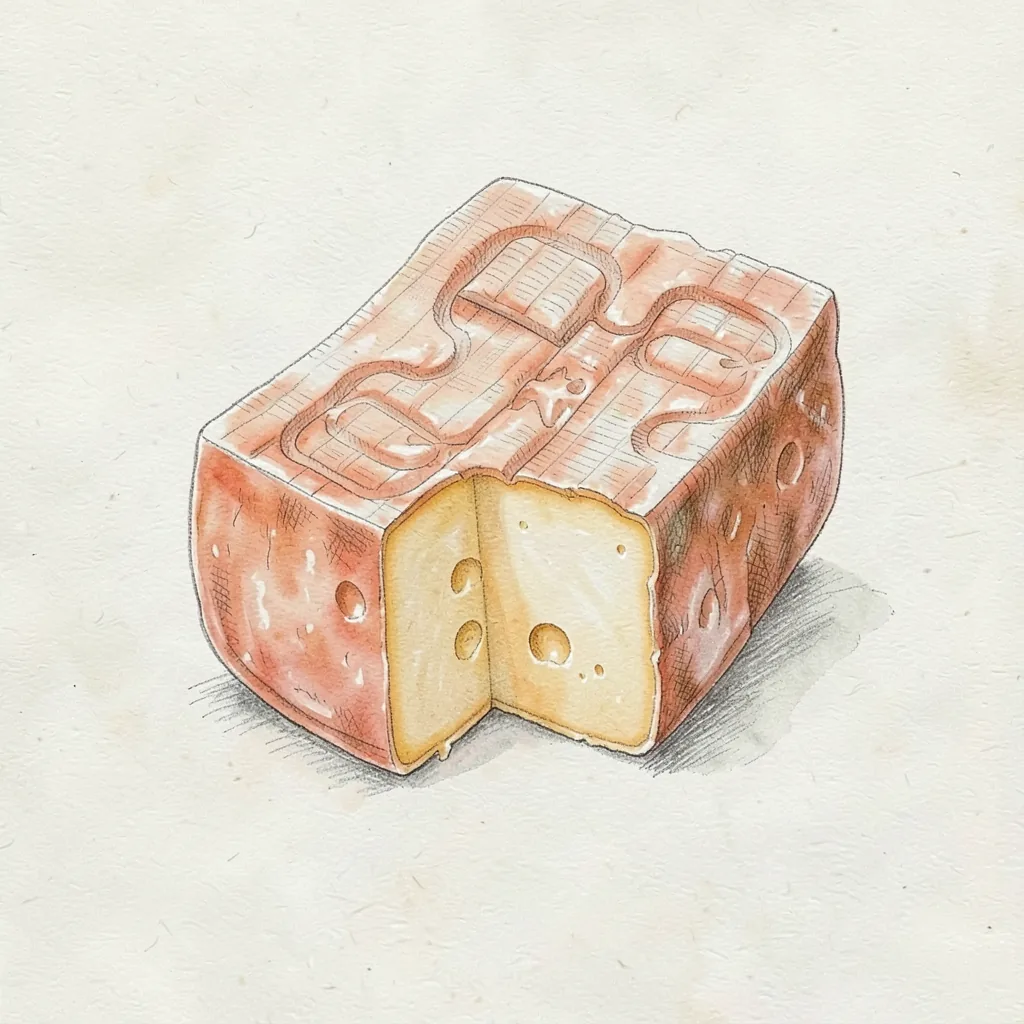
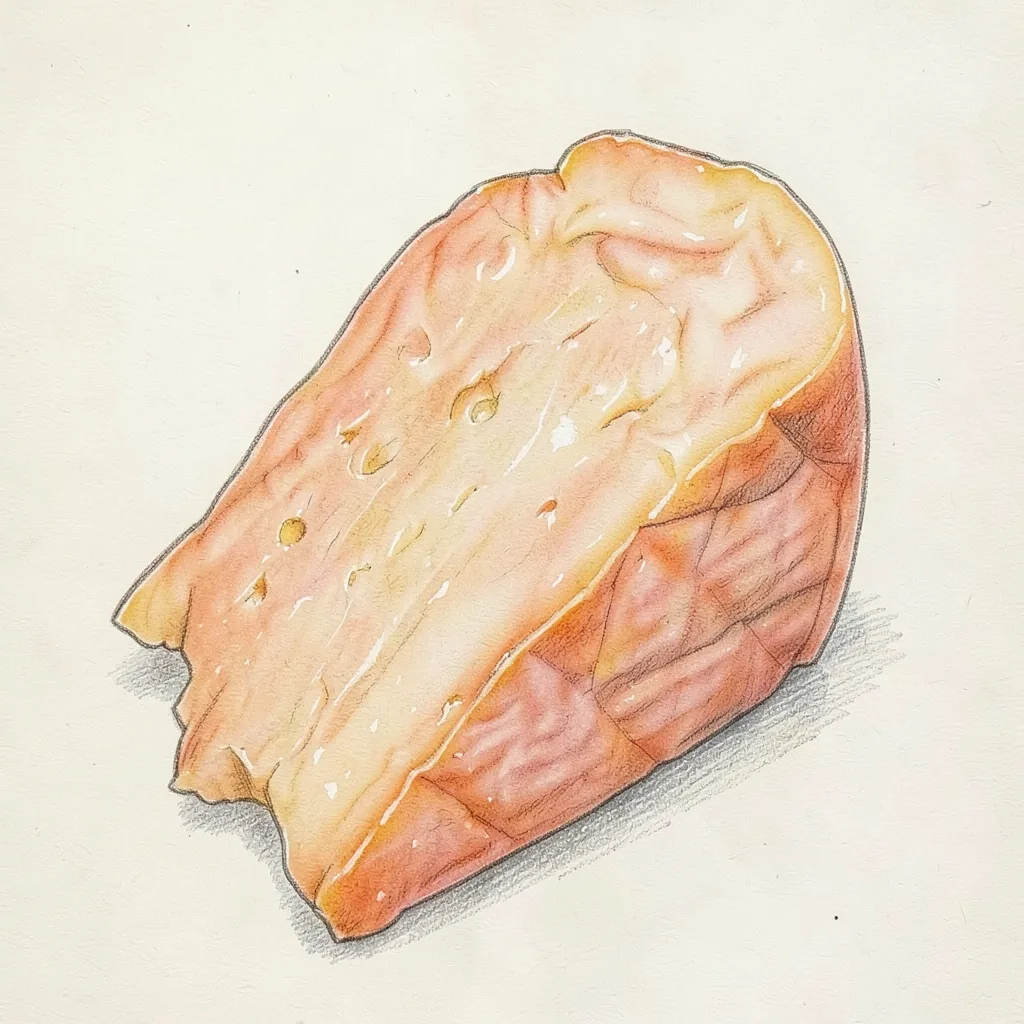
It is made from raw cow's milk, pressed, and washed while it ages, so the rind turns from ochre toward reddish and feels slightly greasy. The paste is pale straw to light yellow, with small or medium eyes. The smell is strong and penetrating, which is why the Italian name points to a stink. The taste is robust and lightly bitter, and the Ladin name Spretz Tzaorì means a tasty pressed cheese.
The cheese comes from the mountain valleys around Moena in northern Italy, and that place is part of the name. A younger wheel is already aromatic but still elastic. A longer aged wheel smells fuller and tastes sharper. Neither is a mild slicing cheese for people who dislike rind aromas. Cooks who like washed rind cheeses use it on a board and in warm dishes, where the smell softens into a savory flavor.
History
Washed rind cheeses with a bold smell have been made for a long time in the valleys around Moena. Farmers and cooperative dairies kept the style as a local food, not as a mild cheese for distant markets. The Italian nickname stresses the smell, and the Ladin name Spretz Tzaorì stresses the taste of the pressed curd. Both names refer to the same cow's milk cheese. The name is now protected, which fixes which cheese may carry it.
The cheese remains a product of those valleys, made from cow's milk of herds fed largely on local forage. Protection keeps that link, and a similar washed cheese from another place is not this cheese. Shoppers now see it beyond the valleys, in Italian counters that like pungent wheels. The story is still a cellar story of salted water on the rind, time, and a paste that grows bold. People who want a quiet alpine slice should choose a different wheel.
How it is made
Makers use raw cow's milk and calf rennet, then cut the curd, heat it until it is semi-cooked, and press it in molds. Wheels are salted in brine or with dry salt. Aging happens in a cool, humid room, and the wheels stay there until the paste is semi-hard. During that time each wheel is washed by hand with warm water, sometimes lightly salted. The wash feeds the rind flora, and the surface becomes slick and colored.
The paste stays semi-hard and elastic, with scattered eyes, rather than drying into a grating cheese. A shorter rest gives a wheel that is already aromatic and still a bit gentler. A longer rest deepens the sharpness and the bitter hint. The rind color moves from yellow ochre toward light brown or brick red, and it feels greasy to the touch. The cheese is sold in ordinary shops and at counters, whole or in wedges.
Taste
The smell arrives first, strong and animal, sometimes touched with ammonia, and it can surprise a new taster. The flavor underneath is robust, salty, and slightly spicy, with a small bitter note at the finish. The paste is milder than the rind, so a bite with a little rind tastes bolder than a bite from the center. Texture is springy, not chalky, and the eyes are scattered rather than huge. Fat makes the flavor linger on the tongue.
A younger piece is intense but balanced, with a milky core under the rind perfume. An older piece is sharper, more persistent, and less shy about the bitter edge, and it should not taste rotten or soapy. The color of the paste stays light, which can surprise anyone who expects the inside to match the dark rind. Serve it cool but not icy so the aroma opens. If you dislike strong washed rinds, this is not a gentle starter cheese, and if you like them, the smell is a promise.
In the kitchen
Set Puzzone di Moena on a board with bread, boiled potatoes, or polenta, and give it space so the aroma does not cover milder cheeses. It melts into warm dishes, where the pungent side turns savory and rich. Use moderate heat and add it near the end of a sauce or over baked potatoes. Thin slices on country bread are enough for a strong snack. Pair it with a sweet note, such as chestnut honey, if you want contrast.
Cooks in its home valleys treat it as both a table cheese and a cooking cheese. A little rind in the pot adds depth, and too much rind can dominate the whole dish. Cover leftovers well, because the smell travels in a refrigerator and clings to other food. Bring the wedge out before serving, and keep the cut face from drying in the air. Use it where a washed rind cow's milk cheese can be the bold item on the plate.
Around the world
Outside Italy, Puzzone di Moena appears in shops that specialize in strong European cheeses. The name on the label should match if the wedge is the real cheese, because the name is protected. Buyers who expect a mild alpine slice are often startled by the smell, and that reaction is normal. Look for a tacky rind in the ochre to red range and a pale paste with eyes. A dry, cracked rind and a hard center mean the piece was stored badly.
Taleggio is the closest widely sold substitute, and it is another Italian washed rind cheese from cow's milk, usually a little milder and softer. Munster can stand in when you want a pungent melting cheese, though the flavor is not the same. Fontina is milder and less smelly, so it will not copy the aroma. Reblochon is softer and gentler still. If you need this character, choose a washed rind cheese and warn the table.