Cow
What it is
The paste is white, moist, and semi-soft, and it pulls apart in strings when it is warm. Flavor is mild, lightly salty, and milky, with none of the bite of an aged cheese. Cooks melt it into everyday foods, especially filled tortillas and shared hot pots. The same word names other cheeses and snacks in Latin America, so the country on the label matters.
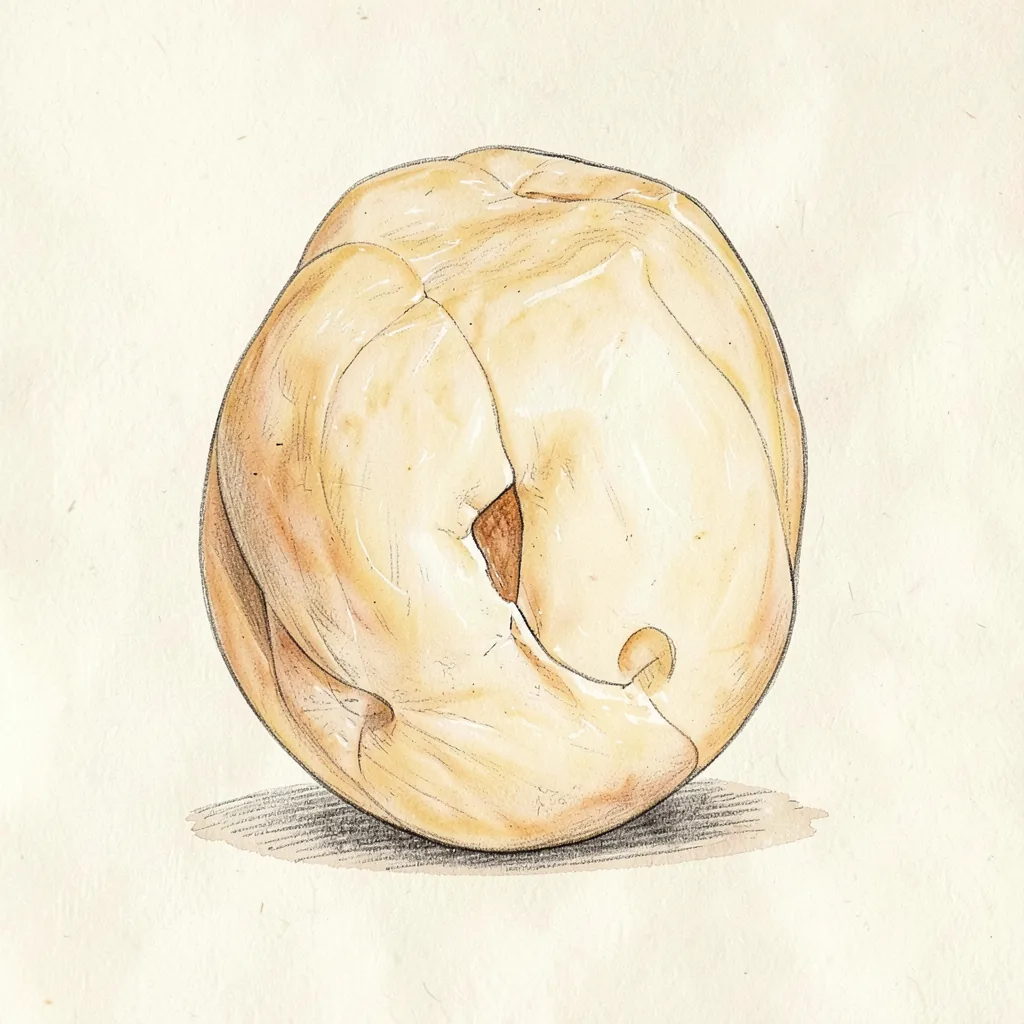
It belongs with other stretched-curd cheeses, the group that includes mozzarella and Oaxaca cheese. The strands are wound into a ball or a loose skein, and the surface looks smooth and bright. There is no rind and no aging to speak of. Heat makes it soft and stretchy rather than oily and broken. If the piece is dry, yellow, or sour, it has sat too long for this style.
History
Stretched-curd cheeses spread through Mexico and Central America, and Honduras kept the name quesillo for its stringy melting cheese. The method is old in the region even if written factory records are thin. Home cooks and small dairies made a white cheese that would soften in a hot tortilla. Over time it became a standard grocery cheese, not only a farmhouse oddity. The word also names other foods in the region, which is why a menu and a dairy case can both say quesillo.
Mexican Oaxaca cheese is also called quesillo, and it is the cousin most people abroad already know. Honduran quesillo follows the same stretched-curd idea, with a local place in baleadas and other corn-tortilla foods. Chilean quesillo is a different fresh cheese and should not be treated as this one. The Honduran cheese stayed a fresh product for daily cooking rather than a named export wheel. What changed over time was scale, as more of it moved from small pans into dairy plants.
How it is made
Fresh cow's milk is set with rennet, and the curd is cut and drained. The curd is salted, then worked in hot water until it becomes smooth, glossy, and elastic. Makers pull and fold it so the proteins line up and the cheese can form strings. That stretching step is what makes quesillo different from a simple pressed fresh cheese. The strands are rolled or folded into a ball or a braid-like bundle.
The cheese is sold fresh, often in a plastic wrap that keeps the surface moist. It is not waxed, washed, or aged in a cellar. Some dairies shape larger balls for shops, and some sell smaller portions for home cooking. Salt level can vary, so one brand tastes quieter than another. Because the process depends on heat and hand or machine stretching, a dry acid-set cheese will never turn into the same strings.
Taste
Quesillo tastes of fresh milk, light salt, and a gentle tang, with a clean lactic smell. There is little bitterness and almost no sharpness, even in a well-salted piece. The texture is the main pleasure: soft, elastic, and ready to pull into threads. A cold piece feels springy, and a warm piece turns supple and a bit creamy. It is not funky, and it is not nutty like a long-aged mountain cheese.
Color stays bright white when the cheese is fresh, and the cut face looks moist rather than chalky. A yellow cast or a slimy surface means it is no longer at its best. The strings should separate in ribbons without crumbling into dry bits. Salt should season the milk flavor, not cover it or leave the center bland. Compared with mozzarella, many Honduran pieces taste a little saltier and a little more direct.
In the kitchen
Pull quesillo into strings and lay them on a warm corn tortilla, or tuck them into a baleada with beans. It melts in anafre and in other hot dips, and it softens over eggs or grilled meat. High heat makes it stretch, which is what you want in these dishes. It is less useful as a grating cheese for the table. Use it when the recipe needs mild dairy and a visible pull.
Keep it cold and covered so the strands do not dry and stick together in a hard lump. If the ball weeps a little whey, pat it dry before it hits a hot pan. It can brown in spots on a griddle, but it should stay tender inside. Shredded low-moisture pizza cheese will melt, yet it will not taste as fresh. For a board, quesillo is a poor match, because it is a cooking cheese first.
Around the world
Outside Honduras, the word quesillo is a trap. In Mexico it usually means Oaxaca cheese, a close stretched-curd cousin sold in balls of string. In Nicaragua the same word often means a snack of tortilla, soft cheese, cream, and pickled onion, not only the cheese itself. In Chile it can mean a fresh white cheese that does not stretch. Ask which food is meant before you follow a recipe from another country.
When you need a substitute for the Honduran cheese, Oaxaca cheese is the closest common choice, and fresh mozzarella can melt in a similar way. Asadero is another Mexican melting cheese that can fill a tortilla, though the strand is not always the same. None of these is a brined white cheese such as queso blanco, which softens but does not pull. Honduran cooks still look for the real ball when they make baleadas. A generic melting slice will not give the same fresh milk taste.