Cow
What it is
The name refers to scraping. A long flexible knife lifts very thin sheets from a cut wheel of cow's milk grana. The sheets curl as they come off, and they stay supple because the cheese is still young. Fully aged grating cheese is a different thing, even when it comes from the same family of wheels.
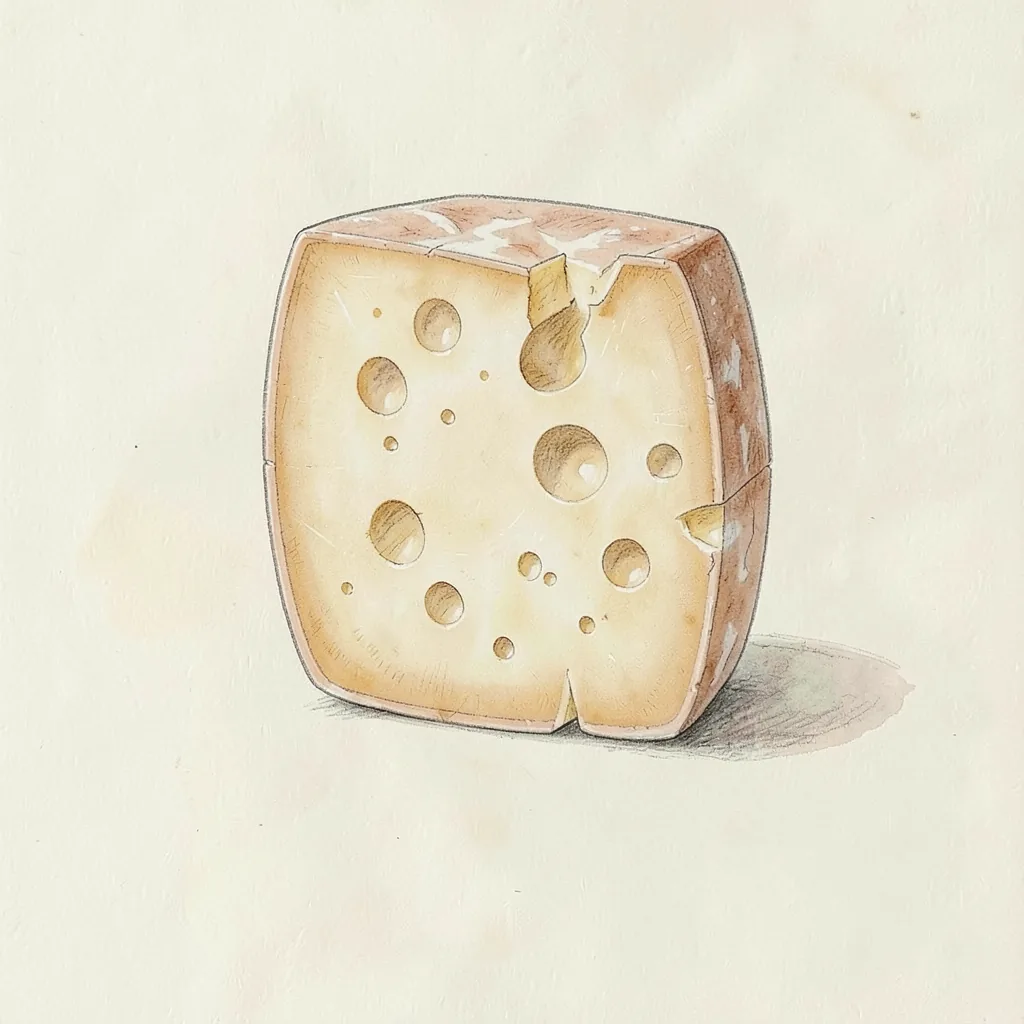
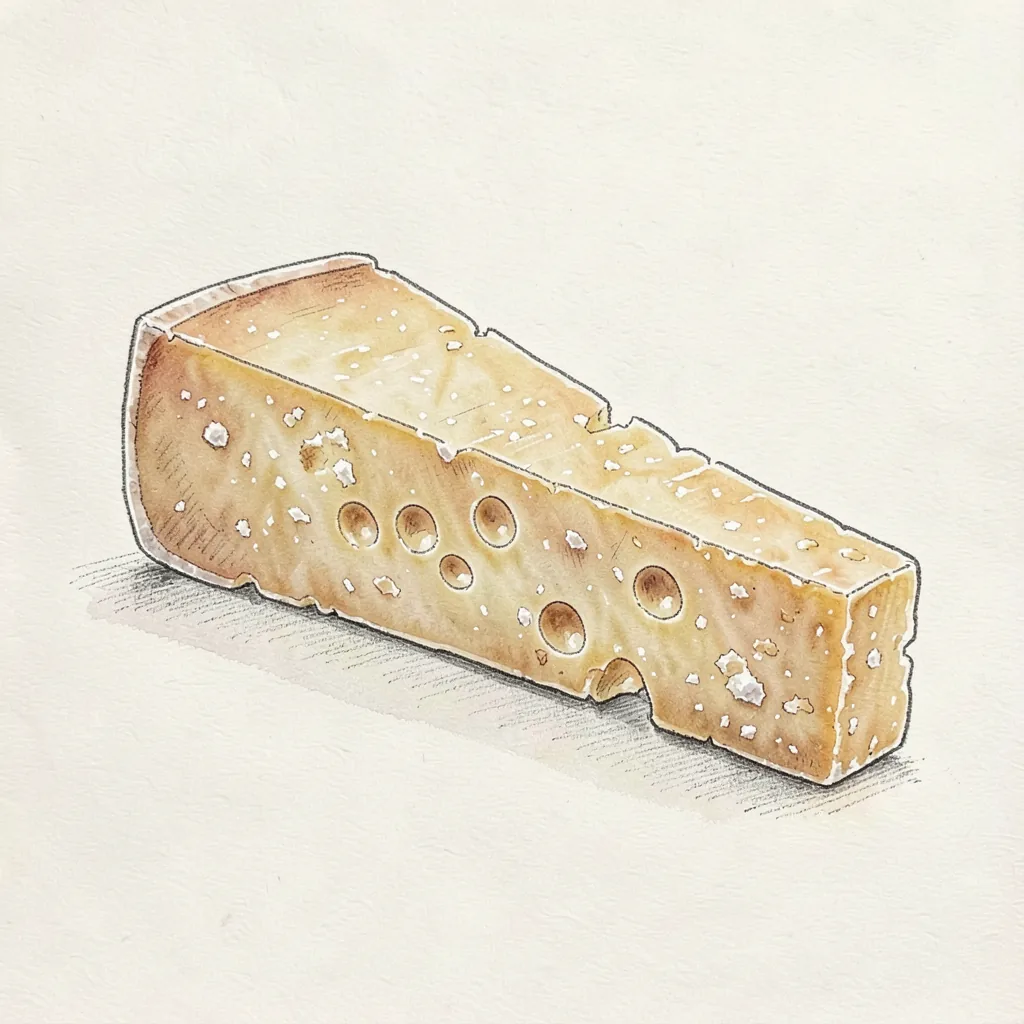
On the plate, raspadüra looks like pale ribbons rather than crumbs or neat slices. The paste is straw colored, smooth in a thin sheet, and a little grainy if you fold it. People eat it as a starter, often with cured meat, nuts, or mushrooms. They also lay the sheets on hot rice or polenta so the cheese softens. You buy the service as much as you buy a named wheel.
History
The habit grew up around grana making in Italy. Wheels that were not sound enough for a long aging were cut and sold as thin scrapings instead of being kept until they were hard. The name is an Italian word for a scraping. At first this was a practical way to use young cheese, and the price was lower than that of a finished grating wheel. The sheets fed people who wanted grana in a softer form.
Over time the same cut became a dish people asked for, not only a use for faulty wheels. Sound young wheels are now opened on purpose, and the scraping can be done where the customer watches. The cheese is still grana, cooked and pressed from cow's milk, but it is served before it turns brittle. Grana Padano is the grana most shops know, and a young wheel of that family is the usual source today. The point remains the sheet, not a new species of cheese.
How it is made
The cheese under the knife is young grana. Makers warm cow's milk, set the curd, and cook and press it into large wheels. The wheels are salted and kept until the paste will hold a ribbon without falling into dust. That stage is earlier than the long aging used for a hard grating cheese. There is no second recipe that turns the milk into something other than grana.
For service, a wheel is cut and set so it can turn. A person draws a long, flat, flexible knife across the face and lifts a continuous thin sheet. In cool weather the blade may be warmed so the ribbon stays soft and curls. The work is done to order in many Italian markets. What you eat is the interior paste, and the natural rind of the wheel is not the part on the plate.
Taste
A ribbon tastes milky, lightly sweet, and gently salty. It is nutty, but less sharp than a long-aged grana, because the cheese has not dried into hard crystals. The thin sheet melts on the tongue almost at once. Fold two sheets and you notice a fine grain under the softness. There is little bitterness, and the blue or washed character of other cheeses is absent.
Age still matters inside this style. A younger wheel is milder and more supple, while a wheel kept longer tastes fuller and more savory even when it is still scraped. The sheets should smell clean and faintly of cooked milk and nuts. A sour or musty smell means the piece was poorly kept, not that the style is meant to be strong. Eat the ribbons soon after they are cut, while they are still flexible.
In the kitchen
Serve the sheets as a starter with bread, cured meat, walnuts, or mushrooms. They also sit well beside a simple salad. On hot risotto, polenta, or pasta, the ribbons soften and drape instead of staying as a dry grate. Use them as a garnish at the end of cooking so they keep some shape. A thick pile will melt into a creamy layer if the dish is very hot.
Do not put raspadüra through a fine grater and expect the same effect. Grated aged grana falls as crumbs and tastes sharper. If you only have a wedge, shave it with a peeler or a wide knife into the thinnest sheets you can. Keep unused sheets covered, because they dry out and crack. The cheese is ordinary food where it is served, and it needs no special warning beyond normal care with dairy.
Around the world
Raspadüra is best known in Italy, where some markets still scrape the wheel in front of you. Outside the country, the name is rare on a grocery shelf. Italian restaurants and specialist shops are the places most likely to offer the sheets. If a menu only says shaved grana, ask whether the wheel is young. A hard, fully aged wheel will not give the same soft ribbon, so the age of the cheese matters as much as the knife.
Grana Padano is the usual cheese people reach for when they want this effect at home. Parmigiano Reggiano can be shaved in the same way, though a mature piece is drier and more savory. Both are cow's milk grana, and both can stand in on a board or on a hot dish. They are not the serving method itself. If the sheet snaps into dust, the cheese is older than raspadüra is meant to be.