Cow
What it is
Single Gloucester is paler, milder, and traditionally made with a leaner milk. Double Gloucester is richer, deeper in color, and the form most shops sell. Annatto gives Double Gloucester its apricot tint, and the color is not a sign of long age. Both are slicing cheeses with a smooth, close paste.
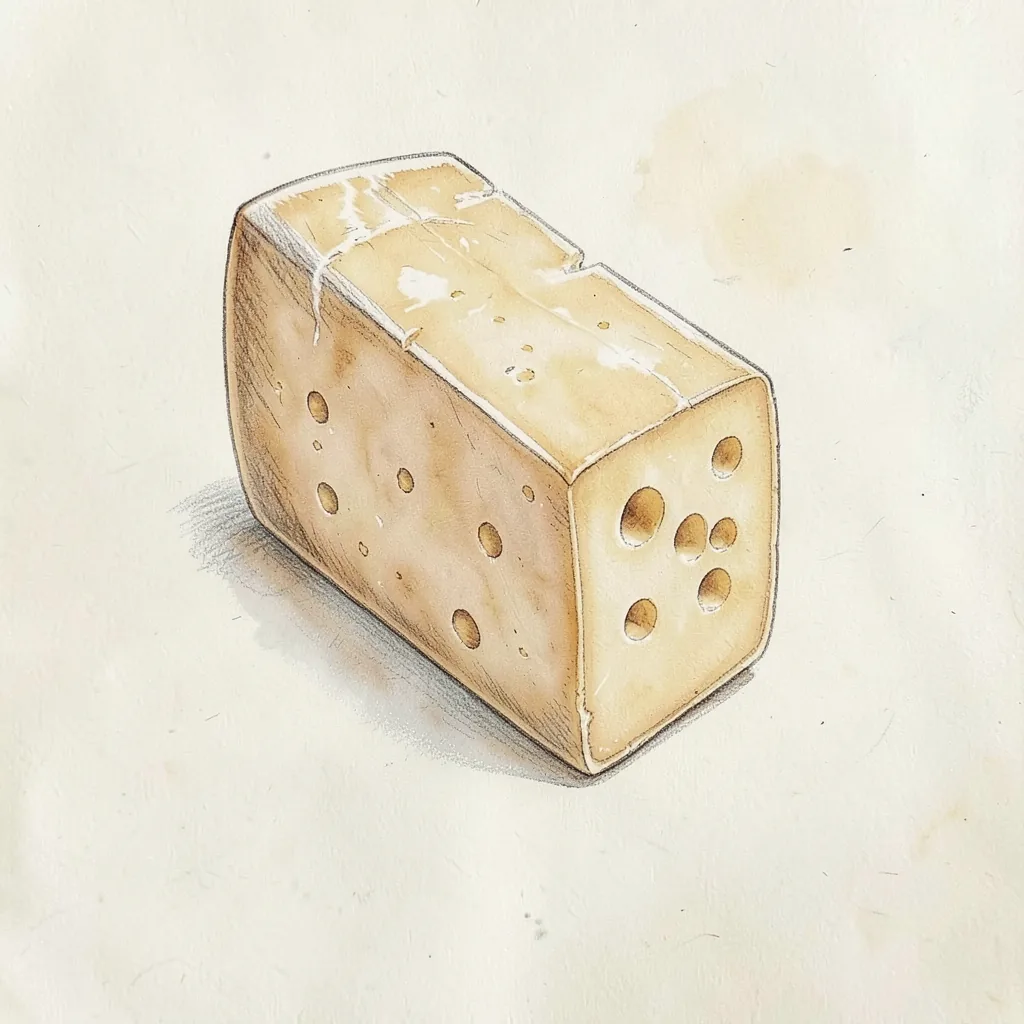
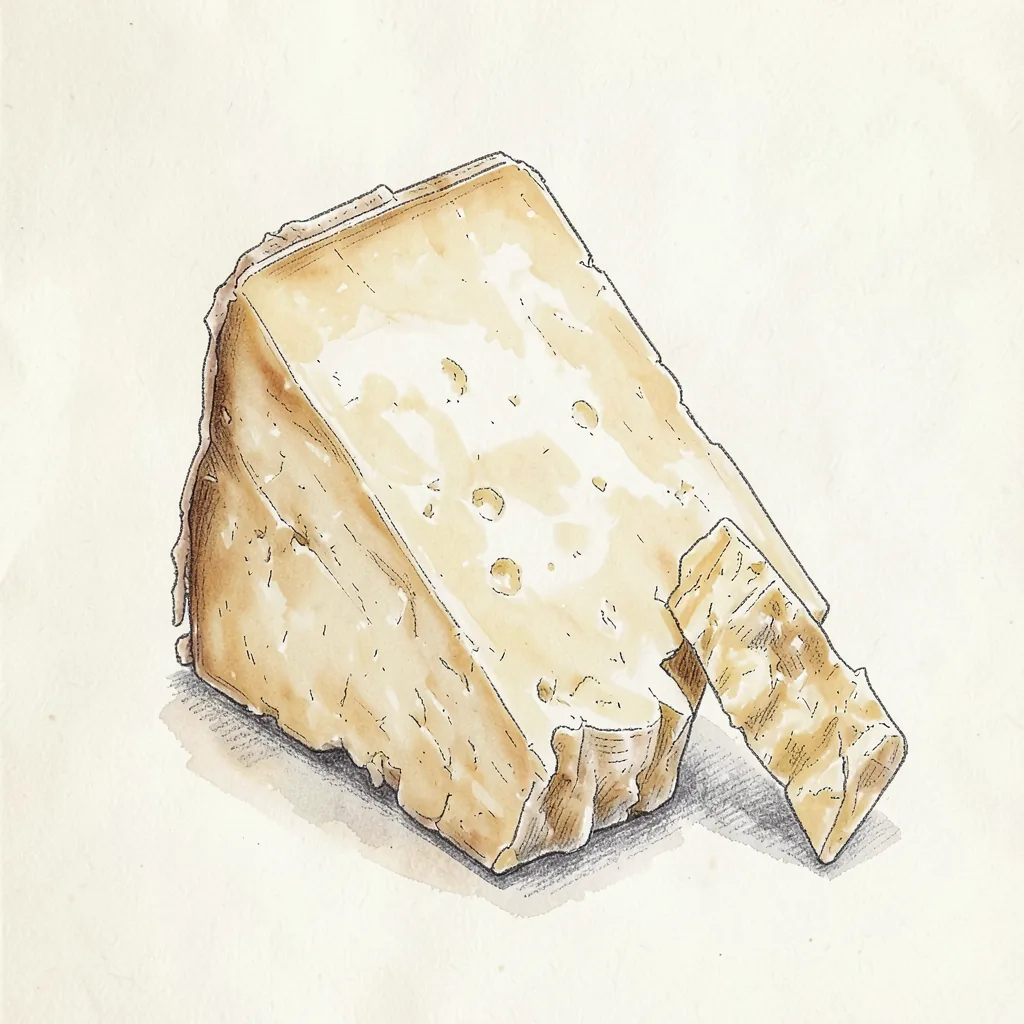
The traditional milk came from Gloucester cattle, and some farmhouse makers still use that herd. Most Double Gloucester in shops now comes from ordinary dairy herds across Britain. The paste is firm enough to slice and to grate when it is older. Clothbound wheels have a natural rind, and many retail pieces are cut and wrapped. It is an everyday British cheese, not a soft fresh cheese and not a blue.
History
The name marks an English cheese with two paths, and the words single and double refer to how the milk was used. Single Gloucester was the leaner cheese, once made for fairly quick eating on the farm. Double Gloucester used the fuller milk, often from two milkings or from milk enriched with cream, and it was made to keep longer. That fuller cheese took on a warm color. Annatto later fixed the color that rich milk and cream had suggested.
Double Gloucester spread beyond its home dairies, and large creameries now make it for the general British market. Single Gloucester stayed closer to a farmhouse tradition and to the Gloucester herd. The two names still sit side by side in books, and only Double Gloucester is easy to find in a typical shop. A wheel of Double Gloucester is also the prize in a well known English hill race. That custom keeps the cheese in public view even for people who rarely buy it.
How it is made
Makers warm cow's milk, add a starter, and set the curd with rennet. For Double Gloucester they add annatto to the milk so the paste turns golden to apricot. The curd is cut, stirred, and scalded gently in the whey, then drained, milled, and salted. It goes into molds and is pressed until the paste is closed and even. The method is a standard British pressed-cheese make, with color and milk richness as the local marks.
Single Gloucester follows a similar path with less cream in the milk and with little or no annatto. Wheels may be bound in cloth and kept until the flavor fills out, and farmhouse examples can be stronger than young block cheese. Large dairies often sell Double Gloucester younger, milder, and ready to slice. Milk may be pasteurized, and some farms still work with raw milk. The annatto does not add a spice taste, and it is a color only.
Taste
Double Gloucester tastes milky, buttery, and lightly nutty, with a smooth melt on the tongue. The color is warm, and the flavor is mellow rather than sharp in a young piece. Salt is moderate. An older farmhouse wheel is drier and deeper, and it can show a savory edge. The rind, when clothbound, is firmer and more aromatic than the paste.
Single Gloucester is paler and a little leaner, and the taste is clean and mild. It does not rely on annatto for its look. Side by side, Double Gloucester seems richer and rounder, and Single Gloucester seems fresher. Neither is a pungent washed rind, and neither is crumbly in the way of a blue. A bitter or soapy note is a fault, not a traditional trait, so buy the style that matches the strength you want.
In the kitchen
Double Gloucester slices neatly for sandwiches, ploughman's plates, and a basic cheese board. It melts in toasties, sauces, and baked potatoes, and it browns well under a grill. Cubes hold their shape in a salad better than a very soft cheese. Older cheese grates over vegetables or into a pastry filling. Because the flavor is not extreme, it will not cover delicate ingredients.
Single Gloucester is best eaten in slices with bread, celery, and fruit, where its lighter taste can show. It can still melt, and it gives a gentler result than Double Gloucester. Use Double Gloucester when a dish needs color as well as a buttery taste. Red Leicester is the cheese people mix up with it because both are orange, and Leicester is often sweeter and more crumbly. Cheshire is a different English cheese with a more crumbly, tangy paste.
Around the world
Double Gloucester is a standard cheese in British supermarkets, and blocks, slices, and truckles are all common. Single Gloucester is scarcer and more often a specialist or farmhouse purchase. Exports exist, mostly to shops that stock British territorial cheeses. The orange color makes Double Gloucester easy to spot in a foreign case. A wrapped block with no rind will taste milder than a clothbound truckle of the same name.
Abroad, cooks use Double Gloucester as a melting cheese in the same slots as other mild British cheeses. It is not a copy of Red Leicester, even when the color matches, and it is not a blue despite the occasional mix-up with colored wedges. Derby is another English pressed cheese that can stand in for sandwiches and toasting. If a recipe names Double Gloucester, the annatto-tinted whole-milk version is the one intended. Single Gloucester will work, and the result will be paler and lighter.