Cow
What it is
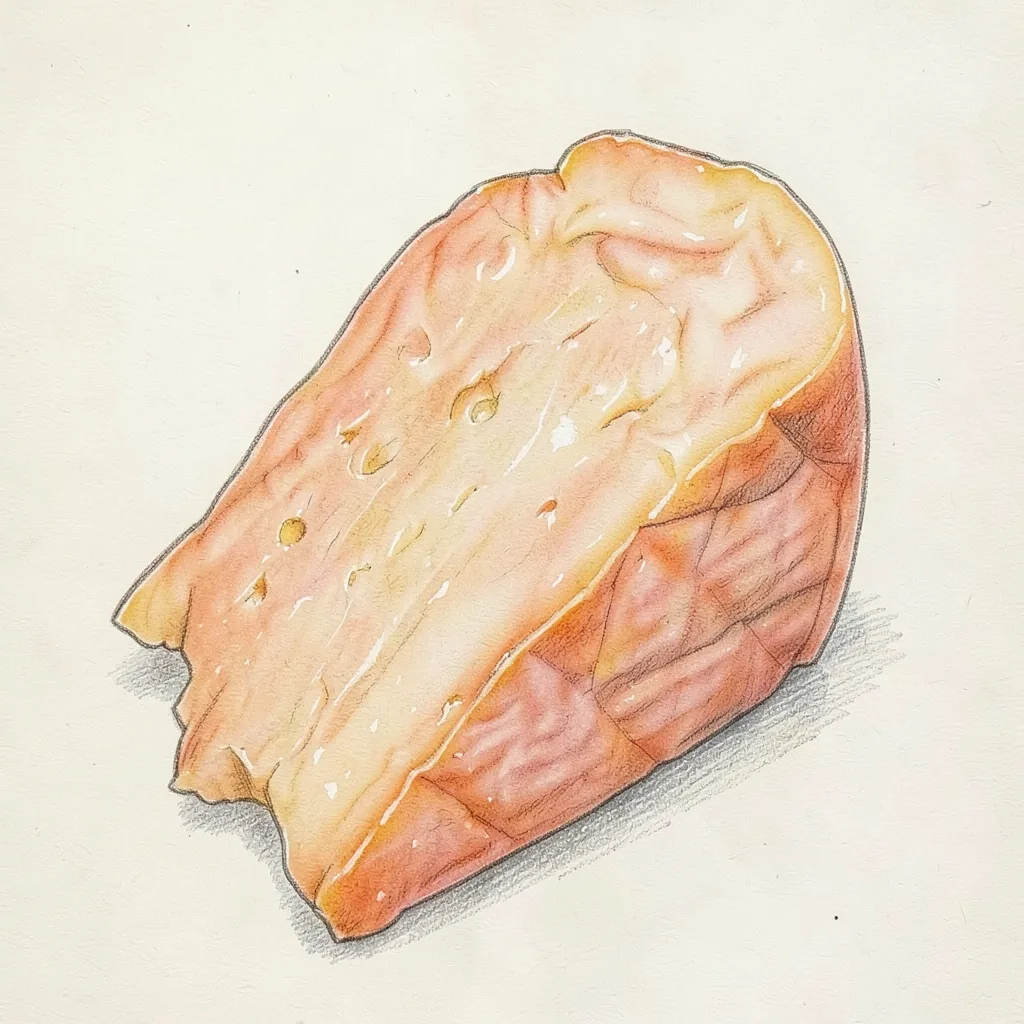
The paste is pale and creamy, and the rind runs from orange to gray-pink. Makers wash that rind with perry, a fermented pear drink, which feeds the bacteria that create the famous smell. The name is shared with the pear used for that perry. The aroma is strong, but the flavor inside is milder than the smell suggests.
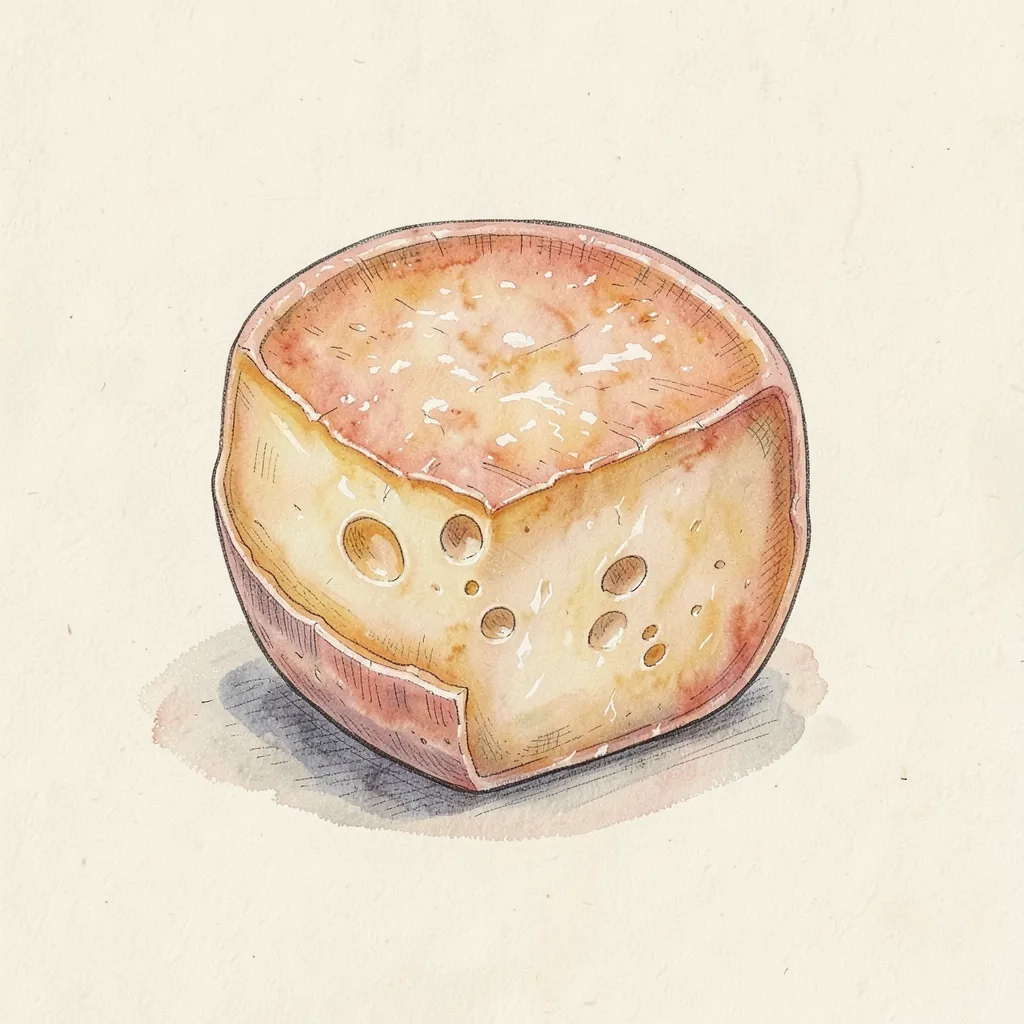
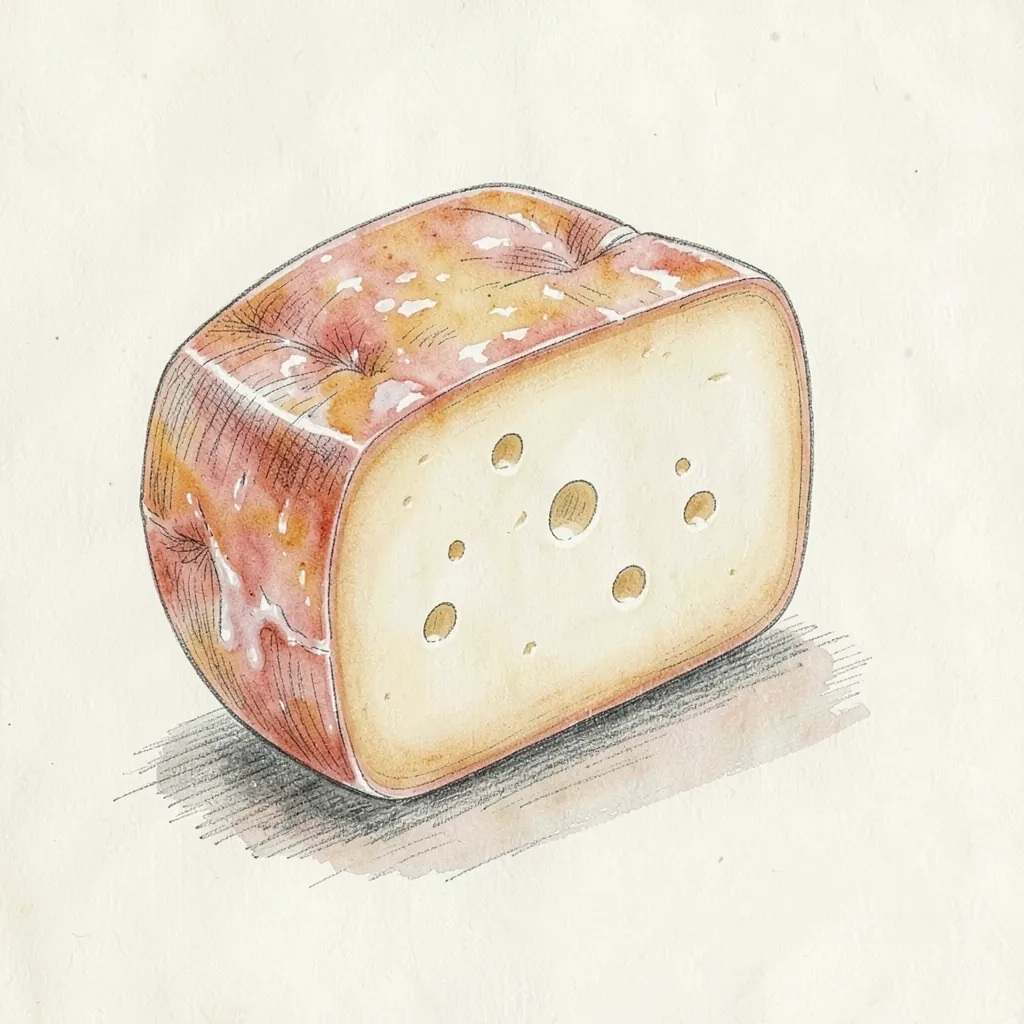
A full wheel is a low, broad round with a sticky rind and a soft interior that may bulge when cut. The smell can suggest washed rind, farmyard, and pear skin. On the tongue the paste is savory, salty, and a little sweet, with a meaty richness. It belongs on a board more often than in a long-cooked sauce. People who like pungent cheeses find the contrast between rind and paste to be the whole point.
History
The cheese is a modern English washed-rind cheese, not an ancient monastery recipe. It was created to give a use and a market to milk from Gloucester cattle, a rare British breed. Washing the young wheels in pear perry gave the rind its color and its powerful smell, and it also supplied the name. The pear already carried the words Stinking Bishop, so the cheese took that name rather than a place name. Production stayed small, and the cheese remained a specialist item.
The smell made the cheese a curiosity, and then a clay-animation film used it as a joke that audiences remembered. That moment pushed the name far beyond specialist cheese shops in Britain. Even so, the amount made stayed limited, and it did not become a factory block. The perry wash and the cattle breed remained the details that separate it from other orange-rind cheeses. Buyers still meet it as a named wheel, not as a general category.
How it is made
Pasteurized milk from Gloucester cattle is set with cultures and rennet. The curd is cut, stirred, and put into round molds, then drained until it holds a low wheel. Salt is added, and the surface is not left to grow a white bloomy coat. Instead, the rind is washed during aging with perry made from the Stinking Bishop pear. Those washes keep unwanted mold down and encourage the orange, sticky surface.
Aging takes long enough for the wash to scent the paste, but the center stays creamy rather than hard. The wheels are turned so the rind develops on every face. Nothing is pressed into a dense block, and the cheese is not blue. When the texture has softened and the smell is fully present, the wheel is ready to sell. A cut piece should still look moist, not hollow or dried at the edge.
Taste
The nose hits first, with washed rind, barnyard, and a sweet pear-like note off the sticky surface. Some people also notice a meaty or broth-like smell. The paste underneath is calmer: salty, savory, creamy, and slightly sweet, with a fruity echo from the perry. There can be a bitter edge near the rind, while the center is the mildest part of the slice. Bitterness should not run through the whole piece.
Texture is soft, smooth, and yielding, almost spreadable near the rind when the wheel is ripe. A chilled piece feels firmer and easier to cut into neat slices. The rind is tacky and should not be hard plastic or cracked like dry leather. Color inside is white to pale yellow, not deep orange. If the paste smells only of ammonia and tastes soapy, the piece is past its best.
In the kitchen
Let the cheese warm before serving, because a cold wedge hides the creamy texture and dulls the pear note. Put it on a board with plain bread, pear slices, or a few nuts, and offer the rind to anyone who wants the full smell. It can be melted onto toast or a baked potato, where the pungent aroma softens in the heat. Use a modest amount. A thick layer will dominate eggs, potatoes, or vegetables.
This is a poor grating cheese and a risky one for a long sauce, because the smell grows and the paste can separate. A short melt on a tartine is the better hot use. Pair it with something sweet or crisp, such as pear, apple, or a green salad, so the richness has a contrast. Beer or a dry cider makes more sense beside it than a delicate white wine. People who dislike washed-rind cheeses will not be won over by a larger portion.
Around the world
Stinking Bishop is still strongly tied to Britain, and many buyers abroad know the name from the film joke before they taste it. Specialist shops in other countries import whole wheels or cut wedges when they can. It is often grouped with Epoisses, Munster, and Limburger because all of them announce themselves by smell. The perry wash and the pear name are the details that keep this one separate. A generic washed-rind cheese will not carry the same fruit note.
If the real wheel is unavailable, choose another soft washed-rind cow's milk cheese and warn guests about the smell. Epoisses is stronger and spoonable when ripe. Limburger is a classic pungent comparison, though it is usually smaller and saltier. Neither is washed in pear perry, so the fruit echo will be missing. For a board, bread and pear still make the right plate even when the cheese is a substitute.