Cow
What it is
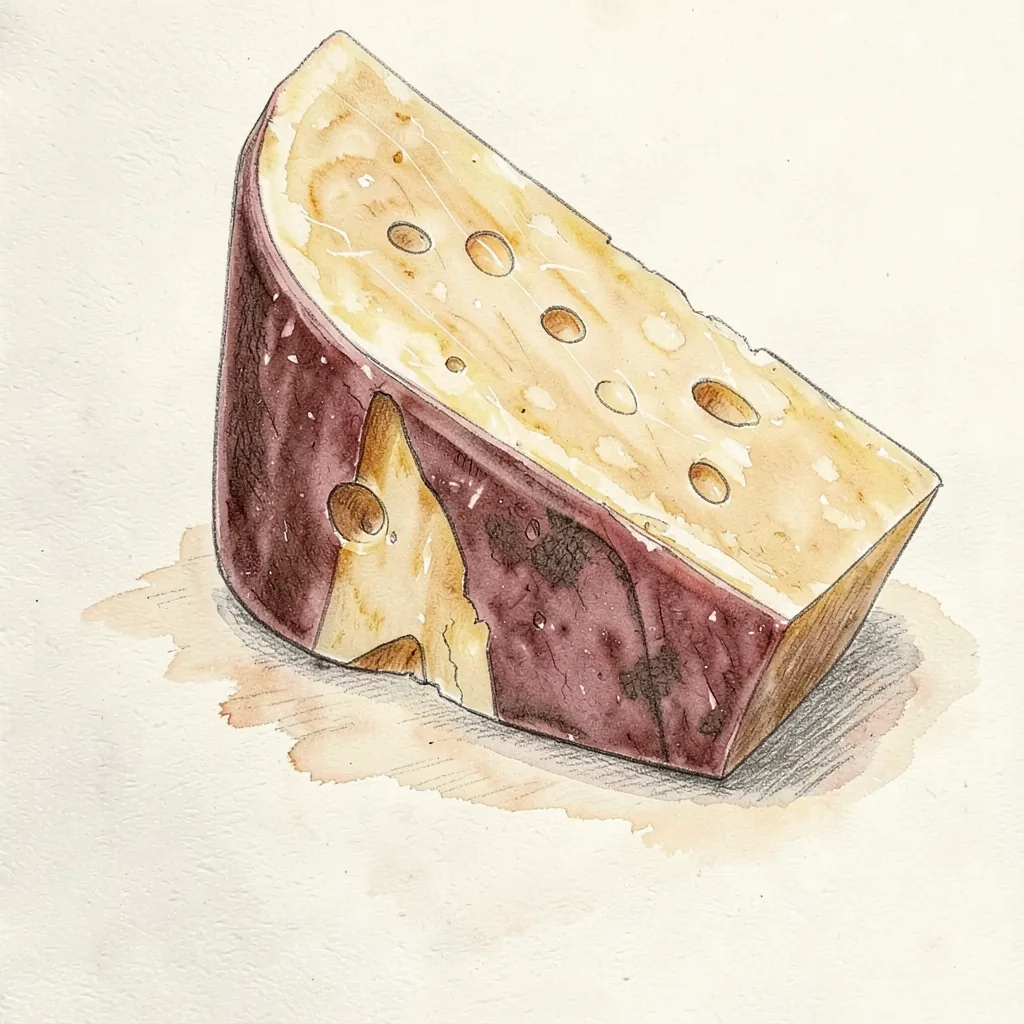
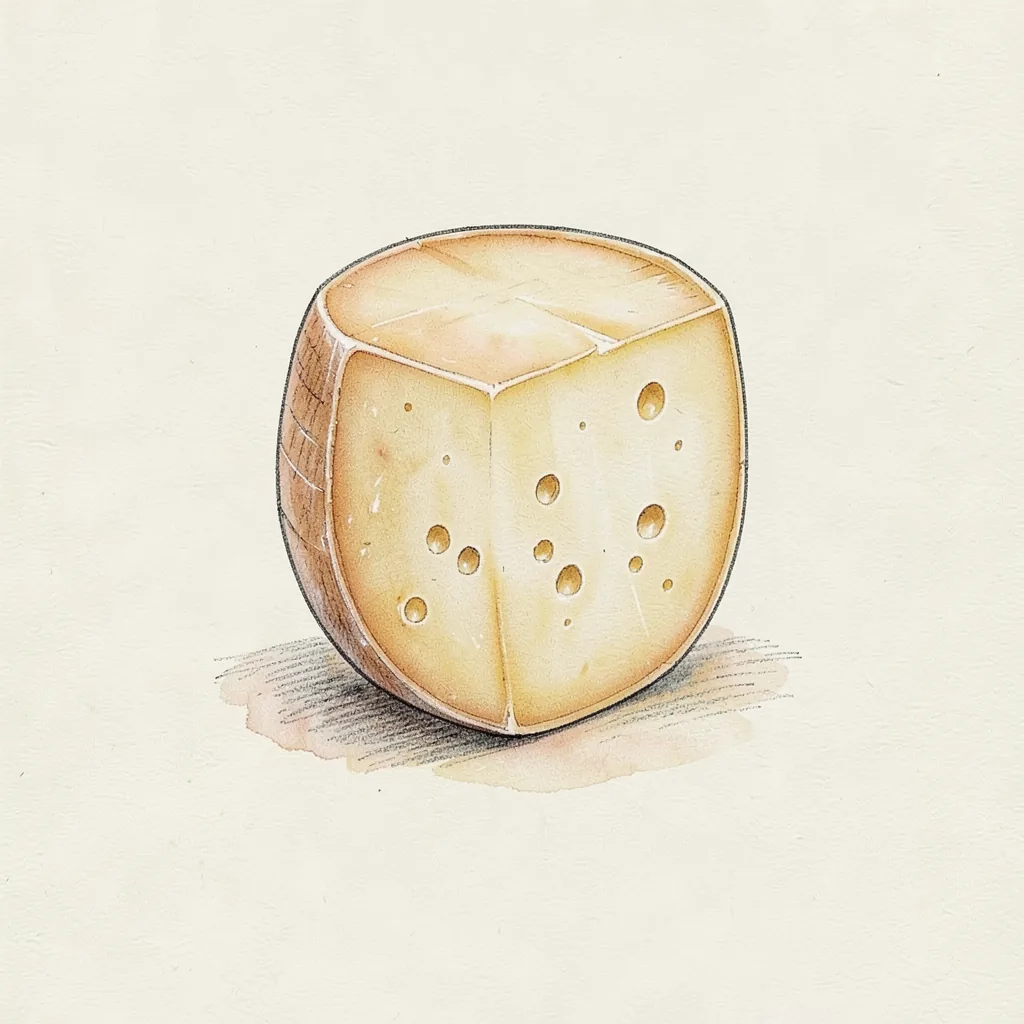
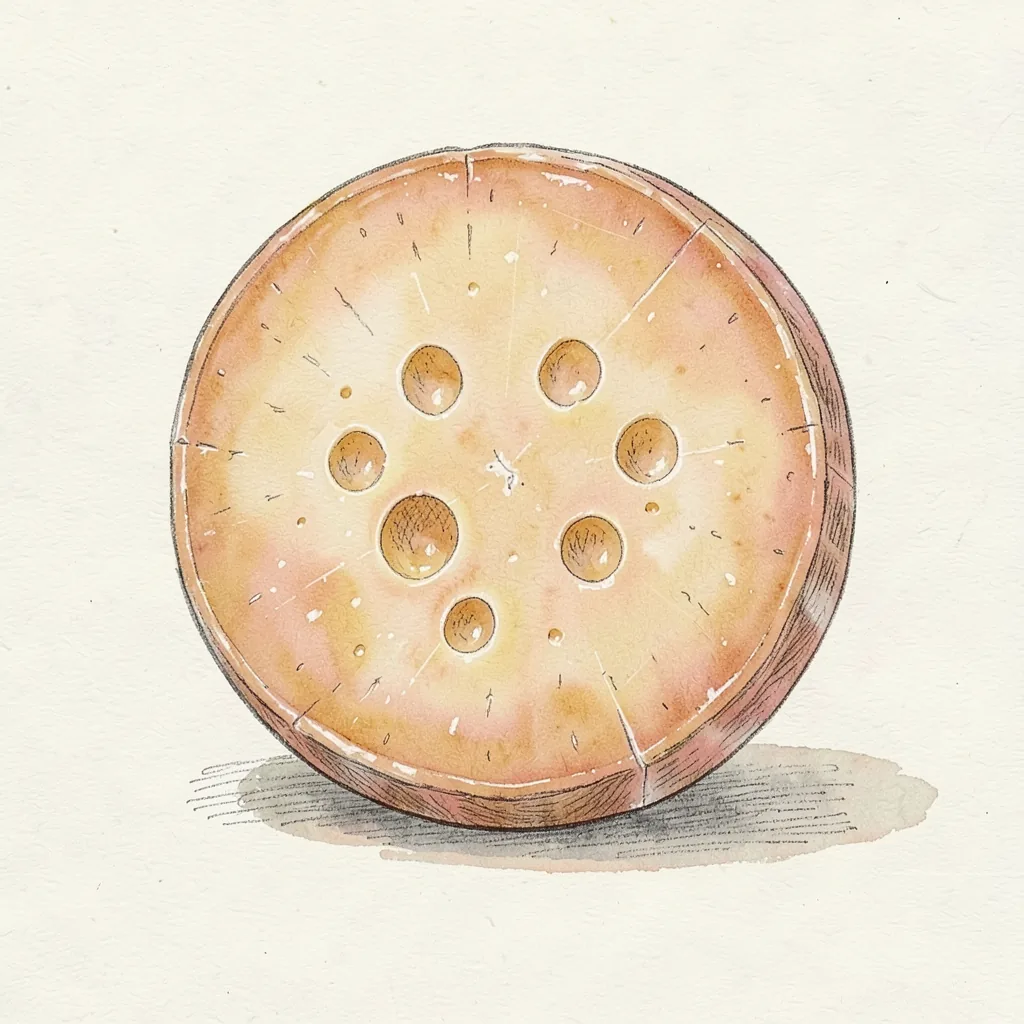
It is a semi-hard farmhouse cheese with a deep golden paste, and that color is what the name points to. The milk comes from Guernsey and Jersey cows, whose milk is naturally rich and yellow. The texture is smooth and supple, firm enough to slice and creamy enough to melt. A thin natural rind develops as the wheel matures.
The taste is buttery, lightly nutty, and gently savory, with a sweet finish rather than a sharp bite. It is pasteurized and set with vegetarian rennet, so the cheese suits cooks who avoid animal rennet. The paste stays moist and does not turn into a dry grating block. On a board it pairs with apples and oatcakes. In the kitchen it melts without the fierce edge of a long-aged cheese.
History
Suffolk Gold is a modern British farmhouse cheese, not an old territorial recipe. It comes from a farm dairy in the United Kingdom that keeps Guernsey and Jersey cows and makes cheese from that milk. The gold color is a property of the milk, not a dye, and the name points to that paste. It was made for people who wanted a creamy slice with more color and butter than a very pale mild block.
The cheese did not copy a blue, a soft white rind, or a clothbound hard wheel. Maturing is long enough for a rounded savory note and short enough that the paste stays supple. Pasture feeding deepens the yellow, especially when the cows are on grass. Shops sell it as a farmhouse wedge, not as a processed slice. Output follows one herd, so the cheese stays a small-production food rather than a national brand found in every cooler.
How it is made
Suffolk Gold starts with pasteurized cow's milk from Guernsey and Jersey cows. Cultures and vegetarian rennet set the milk. The curd is cut and handled so the paste stays moist and close, in a pressed style nearer to a young Gouda than to a crumbly acidic cheese. The curds are salted, placed in molds, and pressed into rounds. A natural rind is allowed to form on the outside, and the interior is kept free of large eyes.
The wheels rest until the flavor is buttery and the texture is supple. The rich milk supplies the gold color, so annatto is not required. Because the milk is pasteurized, the taste stays gentle from batch to batch. Vegetarian rennet keeps the make suitable for many vegetarian cooks, and the finished cheese is semi-hard, creamy, and ready to slice. It is not washed in brine for a sticky rind, and it is not pierced for blue mold.
Taste
The first taste is butter, then a light nuttiness, then a mild savory finish. Sweetness is present and balanced by salt, with no bitter rind bite and no peppery sting. The paste feels smooth, slightly springy, and moist on the tongue. A cold slice is quieter, so let it warm a little before you judge it. The golden color can make people expect a dyed cheese, but the hue comes from the milk of those breeds.
Aroma is warm and milky, with a hint of cooked butter. The rind may look thin and a little gray, and it is milder than a washed rind. The interior should not be chalky or full of holes. If the wedge tastes sharp and dry, it has been kept too long or left unwrapped. At its best the cheese is rich without being heavy, and people who want a fierce aged cheese will find it too gentle.
In the kitchen
Slice Suffolk Gold for oatcakes, apples, and bread. It also melts in a toasted sandwich, over potatoes, or through a simple sauce. Grate it coarsely if you want it to melt faster, and keep the heat moderate so the fat stays in the sauce. The buttery taste does not need extra cheese flavor piled on top. A little mustard or chutney is enough contrast, and thick slices on warm toast show the cheese at its plainest.
On a board, cut even slices rather than crumbles, with pears, celery, and plain crackers for the sweet butter note. For cooking, use it where you would use a young Gouda, as a glaze on soup, a layer in a bake, or a melt on vegetables. It will not turn into a hard grating powder. Wrap the cut face so the paste does not dry and the thin rind does not crack. If the recipe needs a blue or a pungent washed cheese, this wheel will taste too mild.
Around the world
Suffolk Gold is a small-production British cheese, so many shops abroad never see it. British farmhouse counters and specialty importers are the usual route. The golden paste and the Guernsey and Jersey milk are the facts to look for on the label. A dyed orange cheese is not the same thing. Because output is limited to one herd's milk, supply can be uneven, and a substitute is often what a recipe has to use.
Gouda is the practical stand-in, a semi-hard cow's milk cheese with a supple paste and an easy melt. A younger Gouda is milder, and it will not show the same deep gold unless the milk was similar. Edam is leaner and a bit firmer, but it slices and cooks in similar dishes. Keltic Gold is another British cheese with gold in the name, yet it is a different make and should not be swapped on the name alone. Read the milk and the texture, not just the word gold.