Cow
What it is
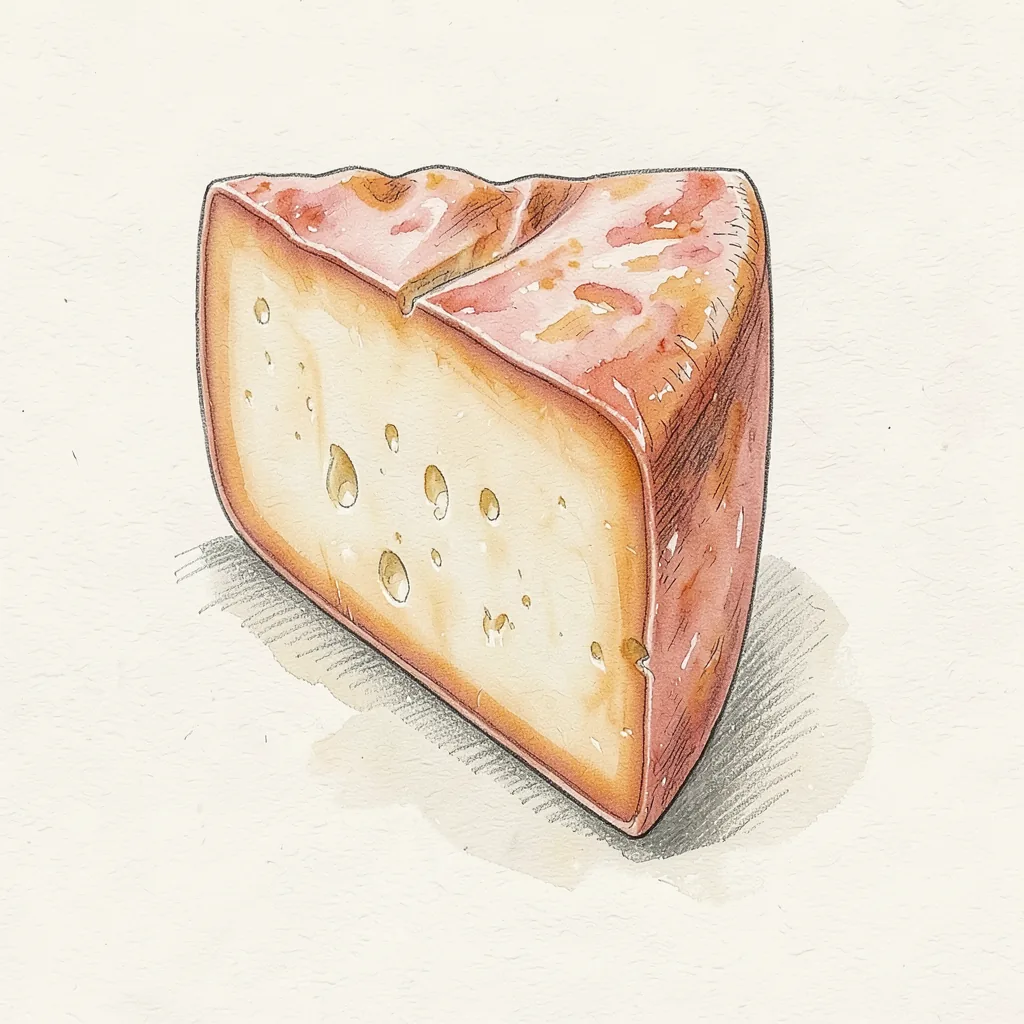
Pasteurized milk and a washed rind define the style. During ripening the rind is washed with cider, which adds apple notes and a golden coat. The paste inside is smooth and creamy rather than dry or crumbly. It is a handmade British cheese with a fruity smell and a flavor that leans sweet.
A younger wheel is mild, supple, and only gently fruity on the nose. More time with the cider wash brings a stronger apple aroma and a rounder taste. Both stages are still Keltic Gold, not two different cheeses. That wash is what separates the wheel from a plain semi-hard cow's milk cheese. Melted or set on a board, the paste stays creamy and the rind is meant to be eaten.
History
Keltic Gold comes from Cornwall, in a part of the United Kingdom known for dairy farming. The cheese was developed as a semi-hard wheel whose rind is washed with cider. Local cow's milk and local cider are the two facts that shape its public identity. It found room in British cheese shops and on menus that wanted a fruity Cornish cheese. The name points to the Celtic west of Britain and to the golden color of the rind.
Many washed-rind cheeses in Britain are bathed in beer, wine, or plain brine. This one uses cider, which suits a county known for apples as well as for milk. That choice gives Keltic Gold a smell you notice before you taste the paste. Attention at cheese shows helped shops beyond Cornwall decide to stock the wheel. It remains a specialty cheese, not a block with a flavor stirred in at the end.
How it is made
Cheesemakers start with pasteurized cow's milk and set a curd for a semi-hard cheese. They cut that curd, warm it gently, and press it into tidy wheels. Salt seasons the paste before the slower care of the rind begins. Once the wheels can hold their shape, they are washed with cider as they ripen. Repeated cider washes build an orange, edible surface and push an apple aroma into the rind.
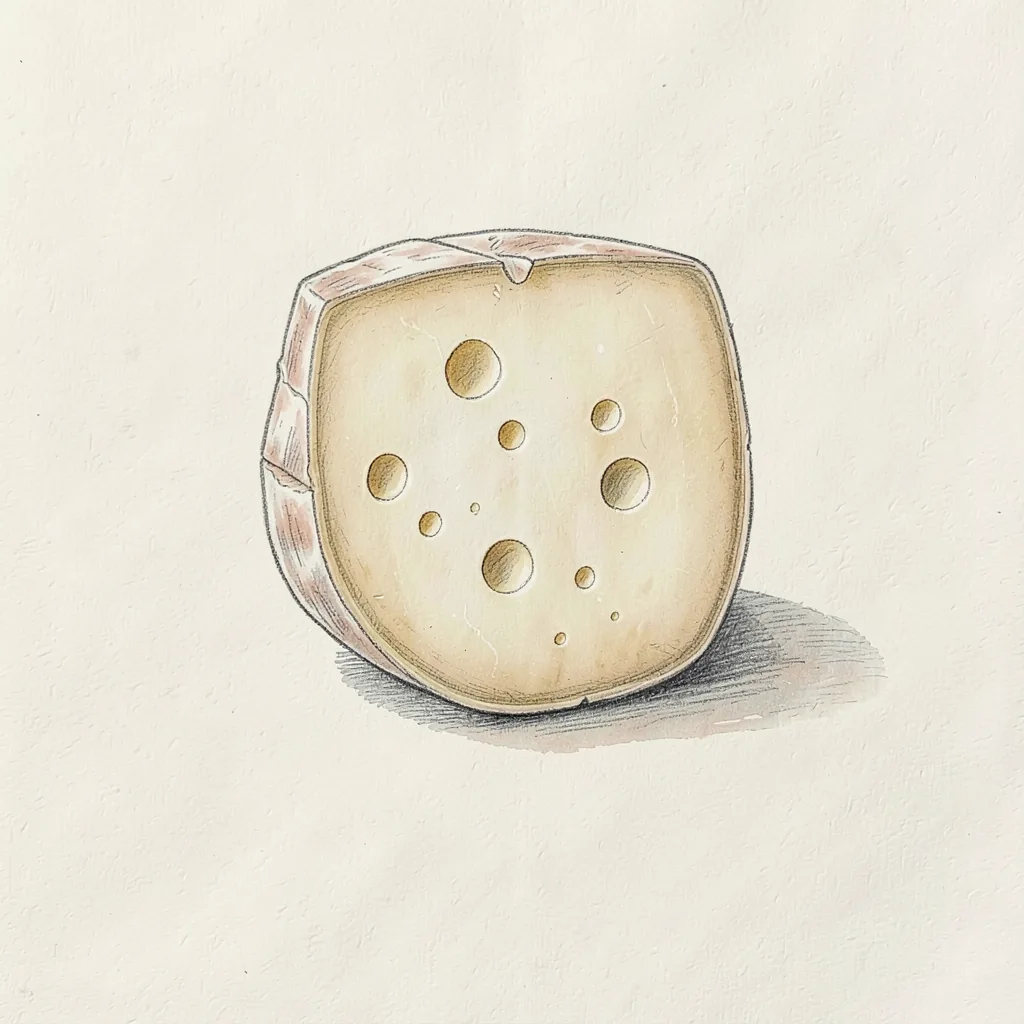
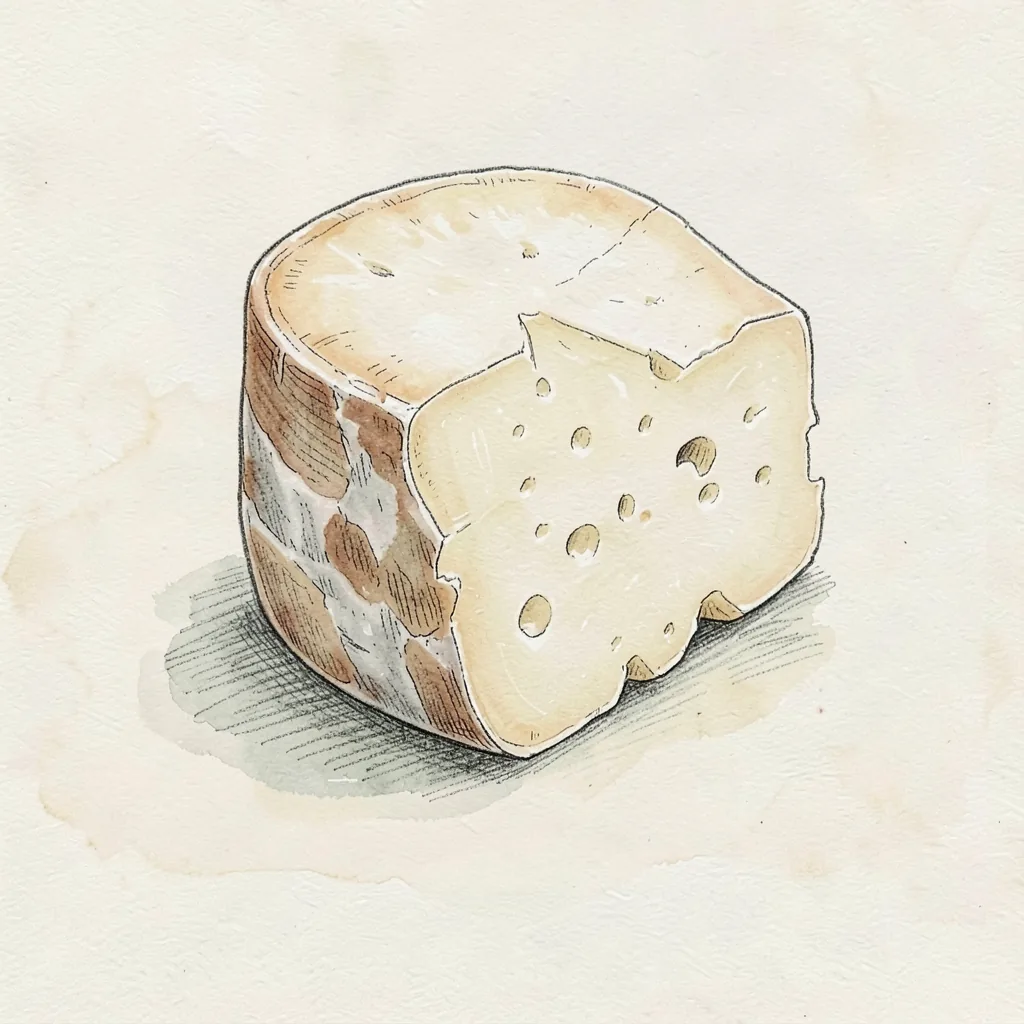
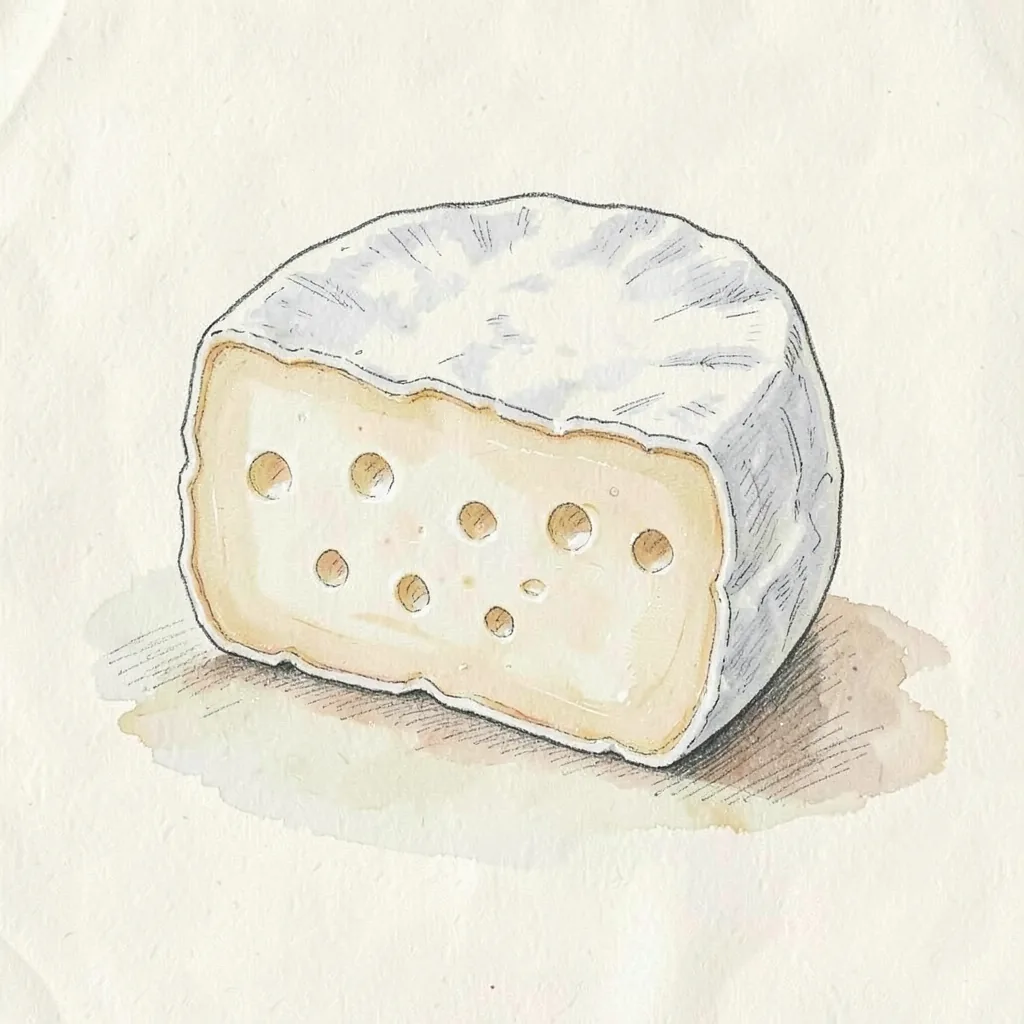
The interior stays smooth because the curd is pressed, not broken into an open crumb. There is no blue mold and no snowy bloomy coat on this cheese. Rind cultures that thrive under a cider wash create the orange color. The paste should stay closed and creamy, without slits or a dry chalky center. When ripening is finished, the wheel smells of apple and has a rind you can eat.
Taste
The flavor is creamy, fruity, and rounded, with a clear sweet edge. Apple from the cider shows in the smell and again in the finish. The paste tastes rich but not harsh, and the salt stays in balance. Some tasters are reminded of a mild alpine cheese, while the apple note belongs to this wheel alone. The rind is stronger than the center, yet it stays fruity instead of purely funky.
The texture is smooth and feels rich on the tongue even though the cheese is only semi-hard. It is not grainy, chalky, or full of large holes. A piece straight from the fridge tastes tighter and less aromatic. At room temperature the fruit in the aroma opens and the paste seems creamier. If the rind is dried out or sharp with ammonia, the apple character fades and the cheese tastes tired.
In the kitchen
Keltic Gold melts with unusual ease for a semi-hard cheese. Spoon it into a fondue-style pot, lay it over potatoes, or melt it on toasted bread. A light pinch of nutmeg is a familiar match for the sweet, fruity paste. On a board, serve wedges with fresh apple or with plain crusty bread. Leave the rind on when you melt the cheese, and trim it only for a guest who wants a milder bite.
Because the paste melts smoothly, it can stand in for a raclette-style cheese at a casual supper. It also suits a grilled sandwich when you want fruit in the flavor as well as salt. Do not treat it as a hard grating cheese for a bowl of pasta. The taste is too gentle and sweet for that sharp, dry role. Keep the wheel cold and wrapped, and warm only the piece you plan to eat or melt.
Around the world
Keltic Gold is a British cheese, and Cornwall is the place buyers name with it. Inside the United Kingdom it shows up in specialist cheese shops and in Cornish food shops. Some wheels reach counters farther away, but this is not a mass-market export. Buyers who want it should look for a cider-washed rind, not for a different cheese from Cornwall. The golden coat and the apple smell are the practical clues on a crowded counter.
Outside Britain, cooks place it with other washed-rind cheeses from the United Kingdom and from France. It melts in the manner of a small alpine cheese, but the cider aroma gives it away. It is easy to mix up with other Cornish cheeses if you shop by county name alone. Cornish Yarg, Cornish Brie, and Cornish Blue are different cheeses with different rinds. Choose the name Keltic Gold when you want the semi-hard wheel washed in cider.