Sheep
What it is
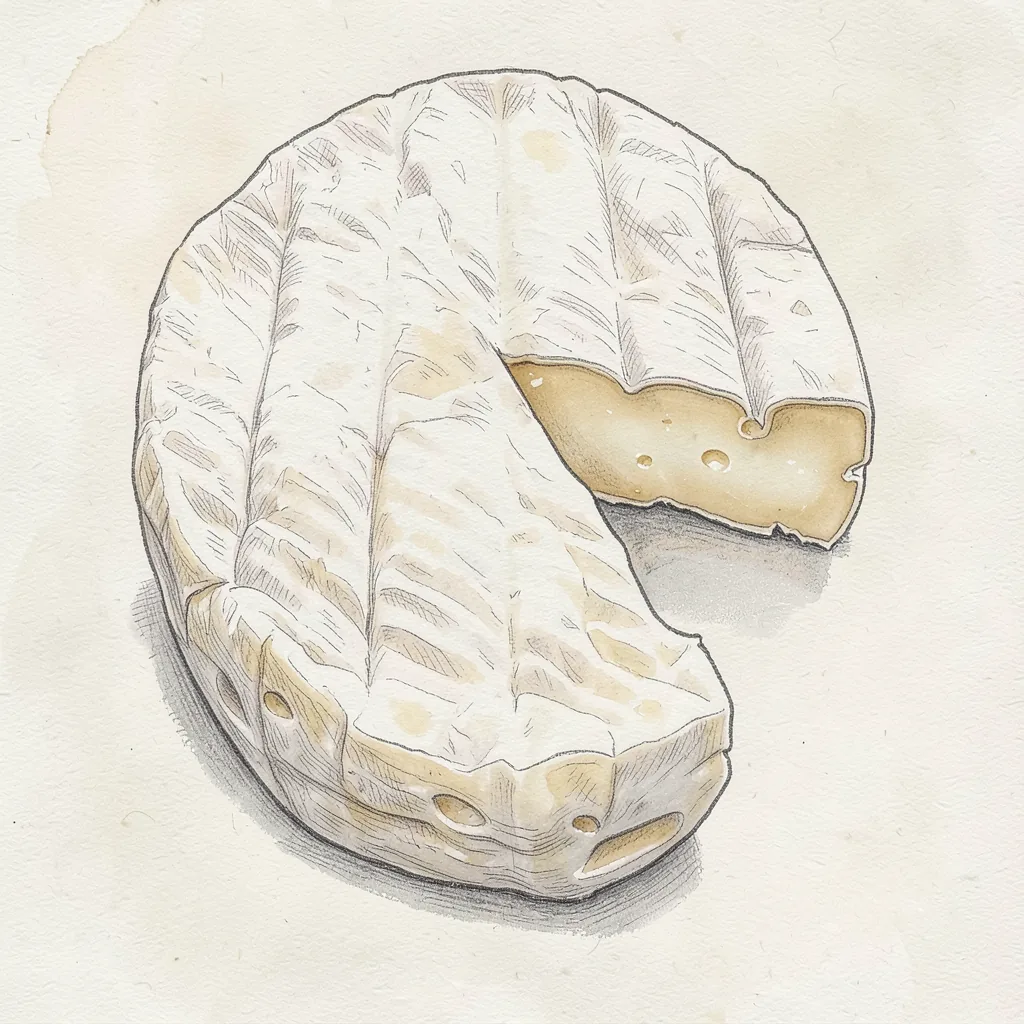
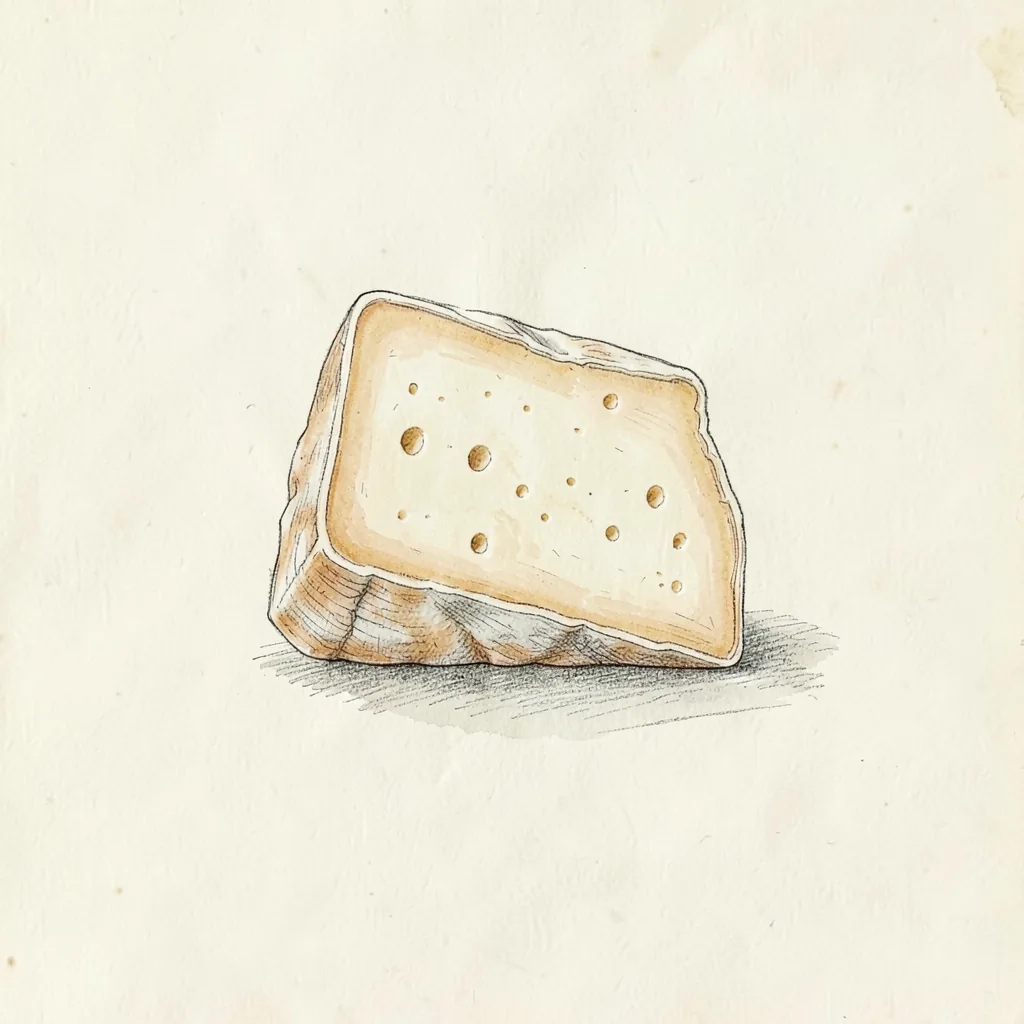
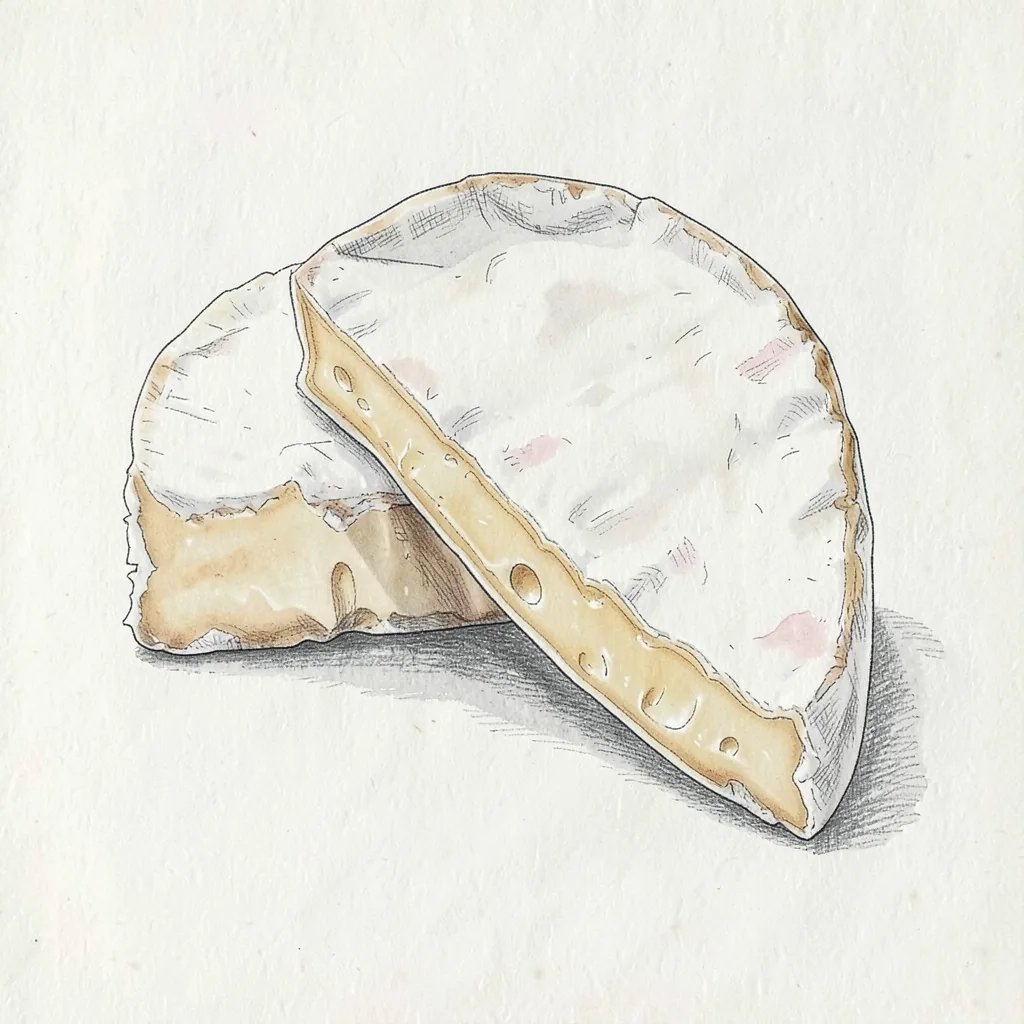
The paste is soft, moist, and almost fluffy, closer to a light curd than to a wheel you slice with force. Makers use pasteurised ewe's milk, and the cheese is sold young, often in a small round. The name is old English dairy speech for a little cottage cheese, and it also fits a soft piece that slips from a thin coat. Plain and flavored versions share that same gentle body.
The taste is clean, lemony, and lightly sweet, with a fresh tang from the sheep's milk. Garlic, herbs, or pepper can be mixed in, and those versions taste of the added flavor first. Both kinds are still Sussex Slipcote, and both are meant to be spread or crumbled. They are not grating cheeses, and they do not improve if you hide them at the back of the fridge. Eat them soon after purchase, while the smell is still clean and milky.
History
Slipcote is an old word in English cheese talk, and it points to a fresh, gentle cheese. One reading takes it as a small piece of cottage cheese from a home dairy. Another says the soft curd slips out of its thin coat as it settles. The Sussex cheese sold now uses that old name for a sheep's milk curd made in England. It is a living shop cheese, not a museum recipe locked to one farm.
The cheese sold today is a small round of pasteurised ewe's milk, with a soft body and a short life. Flavored batches, with garlic and herbs or with a single herb such as dill, grew up beside the plain one. Those additions are mixed into the curd, and they do not change the fresh style. No cloth, wax, or washed rind defines it, and no blue mould is part of the make. The fact that matters to a buyer is simple: it is young, soft, and made from sheep's milk.
How it is made
Makers set pasteurised sheep's milk and drain the curd until it is light and moist. The cheese is not pressed into a hard wheel, and it is not left for a long maturation. It can be formed and packed soon after, which is why the texture stays fluffy. Vegetarian rennet is the usual choice, so many batches suit a vegetarian table. Salt stays light, in line with a fresh cheese that should taste of milk first.
Some curd is left plain, and some is mixed with garlic, peppercorns, or soft herbs before it is shaped. The pieces are small rounds rather than large wheels. There is no rind to wash and no blue to pierce, so the surface stays soft. The finished cheese is high in moisture and must stay cold while it still smells clean. If it weeps a little in the pack, that is the soft body, not a fault, but a dried piece has been kept too long.
Taste
Plain Sussex Slipcote tastes of fresh sheep's milk, with lemon, a light tang, and a sweet edge. The aroma is clean, not heavy, and not sharp with ammonia. Texture is the other half of the pleasure, soft, moist, and mousse-like, so it yields under a knife. It spreads under a blunt blade and does not crumble into dry grains. Salt stays in the background, and nothing in the plain cheese lingers as a harsh aftertaste.
Flavored rounds keep that milky base and add the note printed on the label. Garlic and mixed herbs make the cheese savory and a little louder. Dill makes it fresher and more aromatic, while pepper adds a warm speck without turning the cheese hot. The body does not become firm in any of these versions. If the smell is sour or the paste is slimy, the cheese is past its best, and a good piece still tastes bright.
In the kitchen
Spread plain or flavored Sussex Slipcote on bread, oatcakes, or a plain biscuit. Crumble it over a green salad, warm potatoes, or pasta so the soft curd meets the heat of the dish. It can sit beside roasted vegetables as a cool, milky contrast. Do not grate it, and do not expect a toasted sheet of melted cheese. Use it as you would any fresh, gentle cheese, and finish the pack while the lemony tang is still clear.
Serve it cool rather than icy, and do not leave it out for a long time, because a fresh cheese keeps changing once it warms. The flavored kinds need less help from chutney. The plain one likes herbs, cucumber, or a little honey if you want contrast. It is not a grilling cheese and not a grating cheese, so buy a small piece and finish it soon. A hard sheep's milk wedge will not copy this soft, lemony role on the plate.
Around the world
Sussex Slipcote is easiest to find in Britain, especially at counters that stock English sheep's milk cheeses. It travels less well than a hard wheel, so distant shops may skip it. Visitors often meet it on a board of British cheeses as the soft, pale round. Other makers do not all use the same label, and the name is tied to this fresh style in England. If you cannot find it abroad, ask for a young sheep's milk cheese with a soft, spreadable body.
Duddleswell is the hard sheep's milk cheese people meet beside it, and that wheel will not spread. Perail or Brousse du Rove can fill the same soft role in a shop abroad. Caboc is a Scottish fresh cheese, richer and often rolled in oats, so it is only a distant cousin. If you need the lemony tang, choose a young sheep's milk cheese and skip a salty brine cheese. Read the label for garlic or herbs before you swap, or the flavor will be wrong.