Sheep
What it is
The milk is pasteurised, and the rennet is suitable for vegetarians. A natural rind forms while the cheese matures, and the paste inside is pale, smooth, and creamier than many hard wheels. The name comes from an English place, but the cheese is sold well beyond that spot. Sheep's milk gives it a rich body and a flavor that stays nutty rather than sharp.
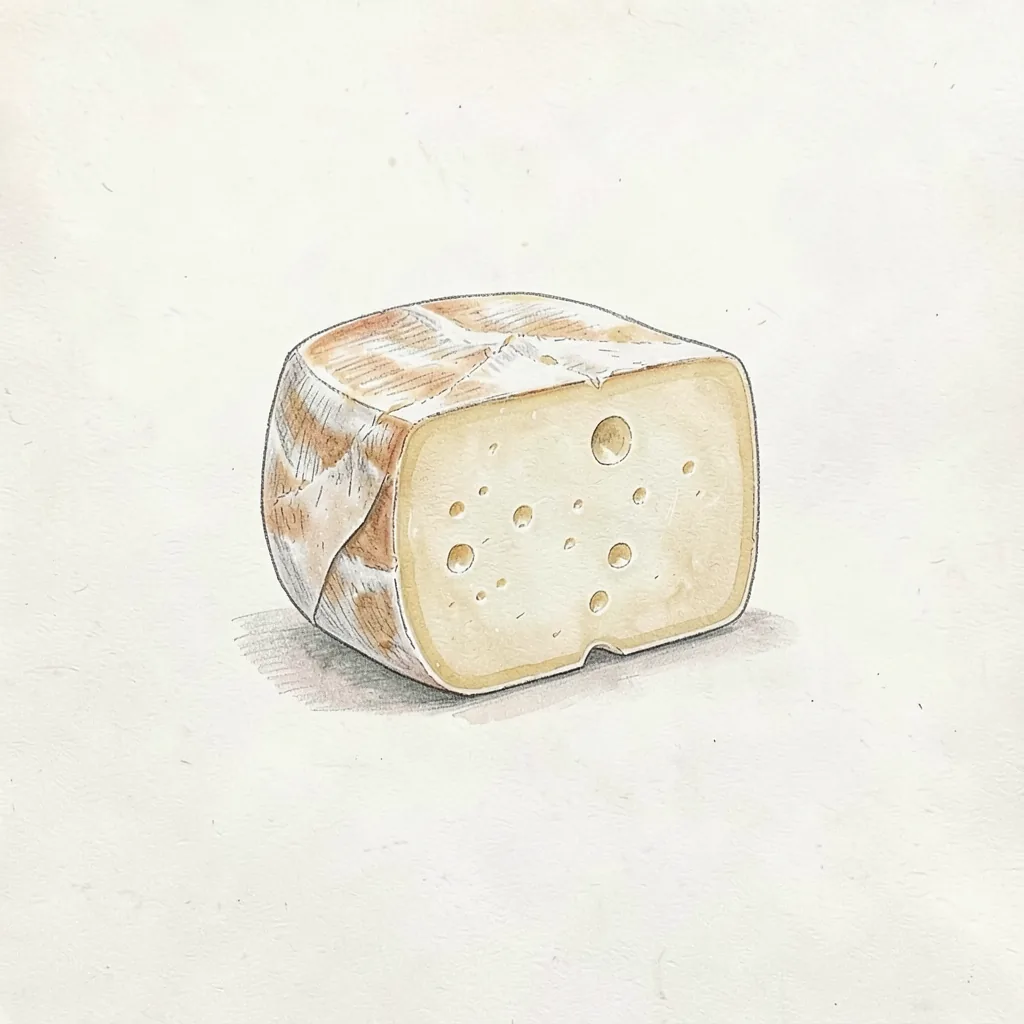
A plain wheel tastes sweet, buttery, and mildly acidic, with a clear sheep's milk character. An oak smoked version keeps that base and adds a light smoke from oak. Both are Duddleswell, and they suit a board, a salad, or a warm dish. Neither is a fresh curd, and neither is a blue. The texture stays smooth and creamy even though the cheese is classed as hard, which surprises people who expect a dry crumble.
History
Duddleswell belongs to the modern wave of English sheep's milk cheeses, not to the old list of clothbound cow's milk wheels. Makers took the name from a place in England and built a hard cheese around pasteurised ewe's milk. The goal was a nutty, sweet wheel that could sit on a board and also cook. It was never a blue, a washed rind, or a soft fresh cheese. Shoppers now meet it as a settled English cheese rather than as a passing trial.
The recipe stayed with sheep's milk, vegetarian rennet, and a natural rind. A smoked line came later, finished over oak so the same cheese could offer a second flavor. No ancient monastery or village guild owns the method, and no single town is required on the label. What matters in the shop is the milk, the rind, and whether the piece is smoked or plain. That plain choice already tells you how the cheese will behave at the table.
How it is made
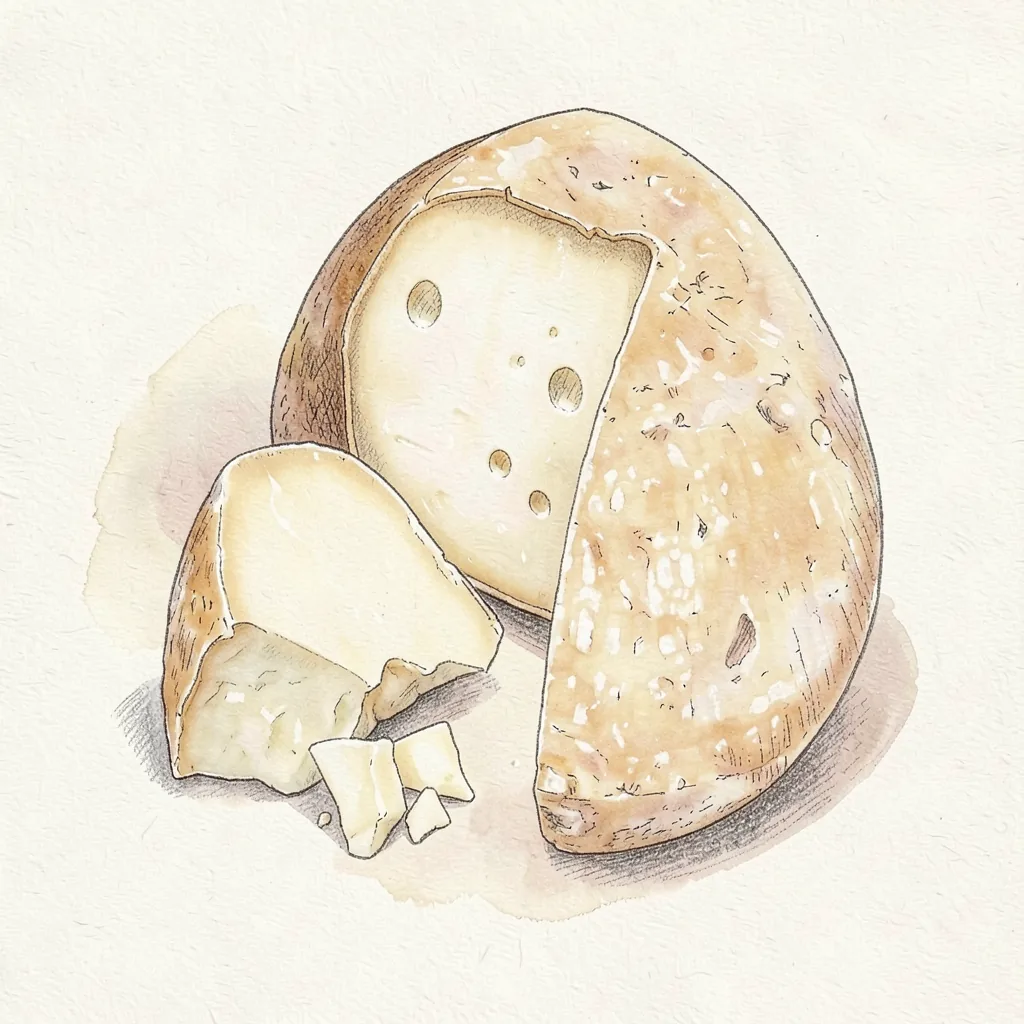
Makers set pasteurised sheep's milk with vegetarian rennet and a starter culture. The curd is cut, salted, and formed into wheels that are pressed enough to become a hard cheese. A natural rind develops on its own during maturing, and it can be eaten. The wheels are turned often while they rest, so the moisture stays even. When the maker grades a batch, the paste should be smooth and the flavor rounded.
The plain cheese is ready when the nutty, buttery taste is clear and the body is still creamy. Nothing is painted on the rind to force a color or a thick coat. For the smoked cheese, finished wheels meet oak smoke, which adds aroma without hiding the sheep's milk. The format in most shops is a small wheel or a cut wedge. Salt is part of the make, but the taste is not that of a brine kept cheese.
Taste
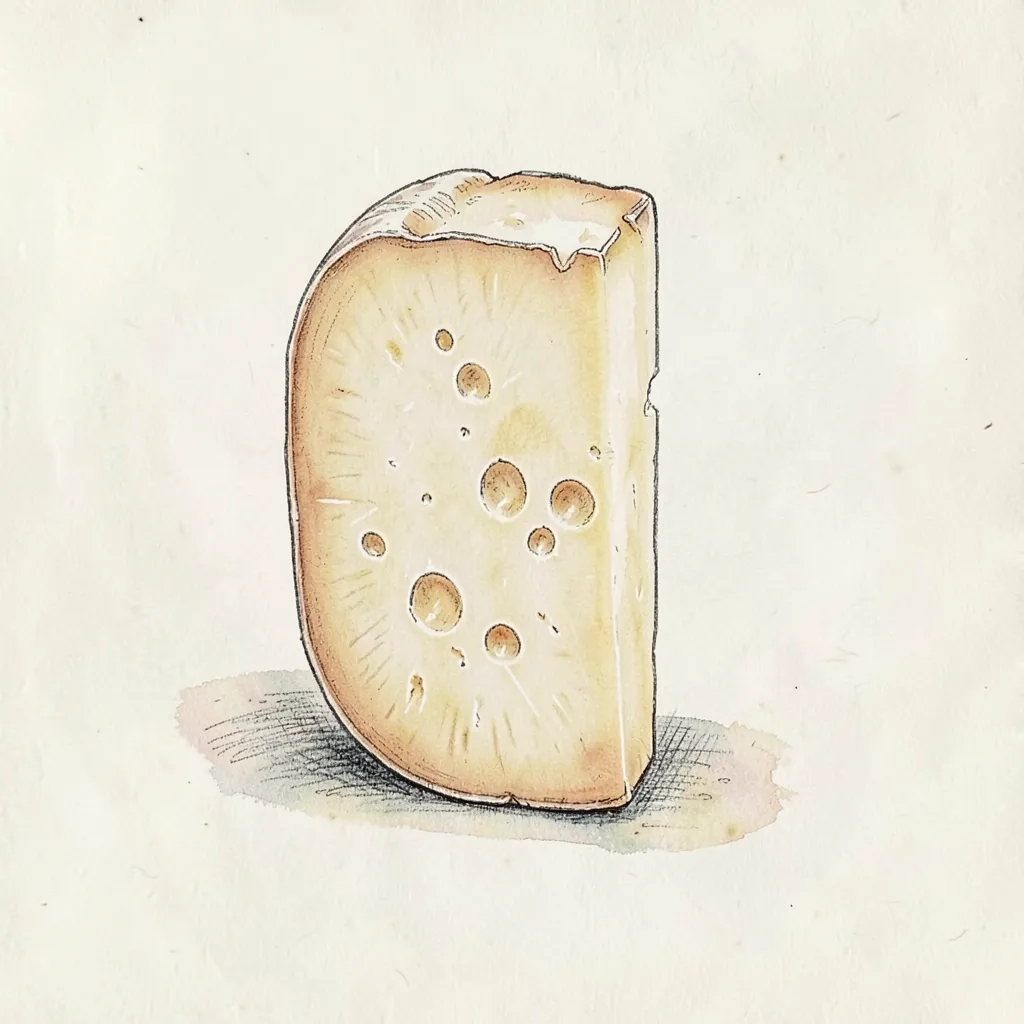
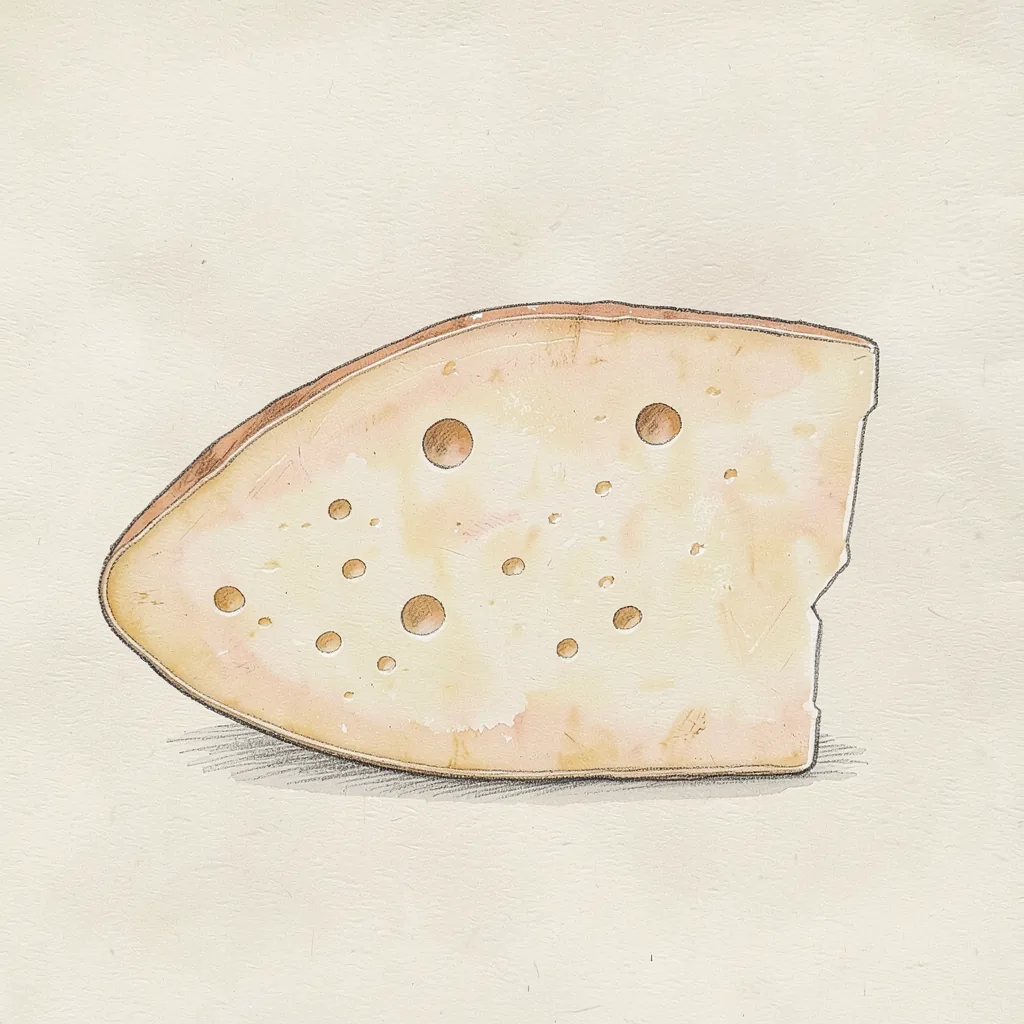
Plain Duddleswell smells sweet, warm, and a little rich before you taste it. The flavor is buttery and nutty, with a mild acid note and the gentle tang of sheep's milk. It is not fierce, salty, or bitter, and the finish stays clean. The paste is pale yellow and smooth, closer to a creamy hard cheese than to a dry crumble. The rind is natural and thin enough to eat if you like the earthier edge.
The smoked wheel keeps the same sweet base and adds a light oak smoke. That smoke should stay in the background and should not cover the milk. Texture does not change much between the two versions. A cold piece can seem firmer, and a piece that has lost its chill tastes sweeter and more aromatic. If the flavor is harsh or the paste is chalky, the wedge has dried out in the shop or at home.
In the kitchen
Cut Duddleswell for a board with bread, apples, or a few walnuts. Cubes sit well in a green salad, where the sweet nutty taste balances a sharp leaf. It grates over pasta or a baked dish, and thin slices soften in a warm pan without becoming oily strings. Use the smoked one when you want a light wood note in those same roles. Keep the pieces generous on a board and smaller when the cheese goes into a hot pan.
Keep the wedge wrapped, because the cut face dries and the creamy texture suffers. It does not need a long rest out of the fridge, only enough to lose the chill. A plain piece pairs with apples, pears, or a glass of red wine if you serve one. It is too firm to spread like a fresh cheese and too mild to replace a very old hard sheep's cheese. A little smoke goes further than the plain wheel in a simple sandwich, so taste as you build it.
Around the world
Duddleswell is an English cheese, and most buyers meet it in Britain. Specialist counters in other countries sometimes stock it beside other sheep's milk wheels. It is not a mass market block, and it is not a fresh ewe's milk curd. The smoked version travels as a separate label, so read the pack before you assume oak. Outside England, shops may file it with hard cheeses, which is the right shelf if the rind is intact.
Berkswell is the usual English comparison, another hard sheep's milk cheese with a nutty side. Manchego is the wider stand-in when a cook only needs a firm, sweet sheep's milk slice, though the Spanish cheese is often drier. Sussex Slipcote uses sheep's milk too, but it is soft and fresh, not a hard wheel. If a recipe names Duddleswell and you have none, choose a young hard sheep's cheese. Skip a mild cow's milk block, because the sheep's milk richness will be missing.