What it is
Its German name is Schweizerische Käseunion. It bought hard cheese from makers and sold it at prices set with the federal government. The trade centered on Emmentaler, Gruyère, and Sbrinz. It also advertised those cheeses at home and abroad, so the wheels, and the dishes made from them, became familiar far beyond the dairies.
The union worked as a gatekeeper for that trade. Makers who wanted the main sales channel had to follow its rules on what to produce and how much. Cheeses outside that small group were harder to move through the same system. The body is gone now. Switzerland still makes the famous hard cheeses, and it also makes many other styles that the old rules did little to promote.
History
The union took shape during the First World War, when exports were difficult and the country wanted a steady cheese supply. Exporters, producers, and cheesemakers shared one structure that could buy cheese and keep prices orderly. Between the wars, and again later, the work turned toward foreign sales and toward eating more cheese at home. Advertising for fondue was the famous part of that push. A regional melted-cheese dish became a national habit, in large part because the union kept promoting it.
The same power was also a limit. Easy sale and export sat with a few hard cheeses, above all Emmentaler, Gruyère, and Sbrinz, while other local cheeses did not get the same support. Over time the cost and the rigidity of the system drew criticism, and the organization was wound up. After that, makers could sell a wider range without passing every wheel through one buyer. The fondue campaigns outlived the union, but the body itself did not.
How it is made
The union did not stir a vat or press a wheel. Cheesemakers produced the cheese, and the union bought the output and handled sale and promotion. Prices in its system were set with the federal authorities, and quantities were managed so the market would not flood. That is a trading method, not a recipe, and Emmentaler, Gruyère, and Sbrinz remained the public face of the business. They are large, firm cheeses made for long keeping, which suited export.
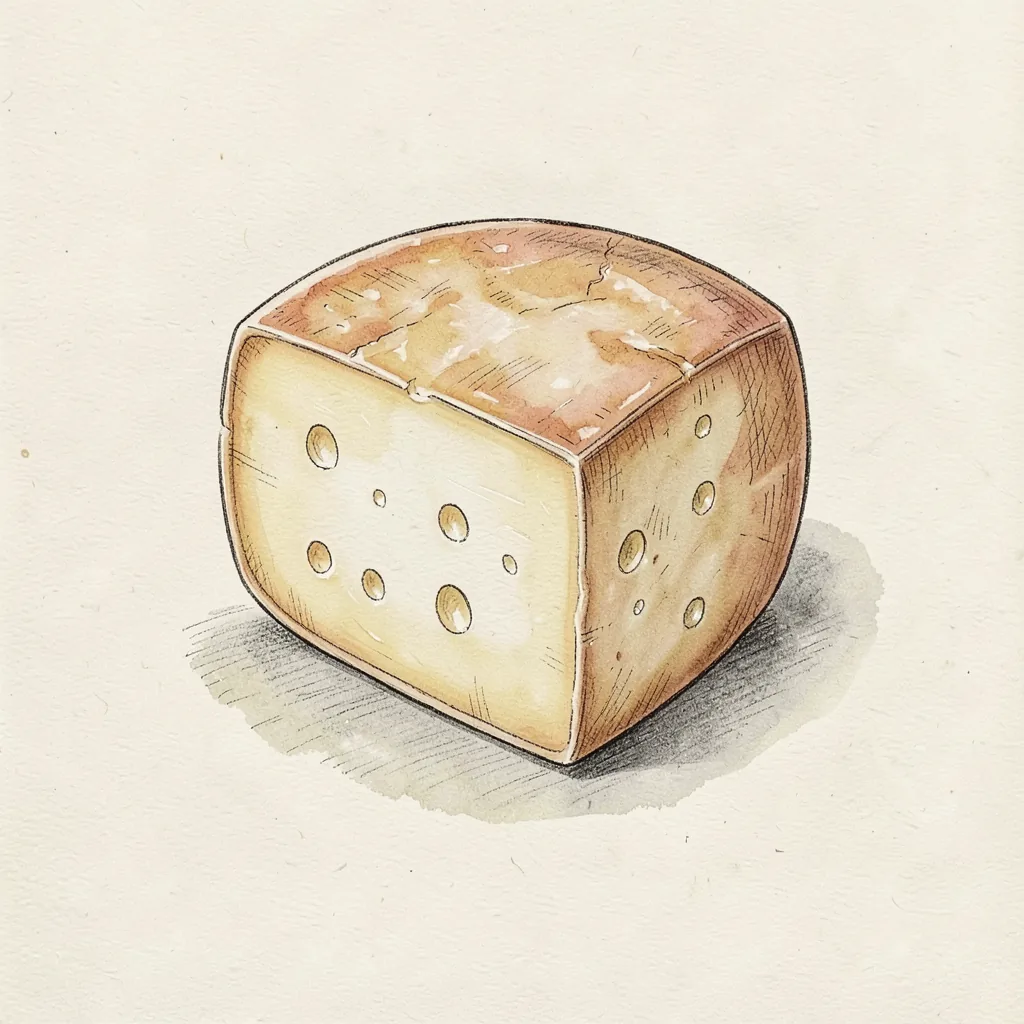
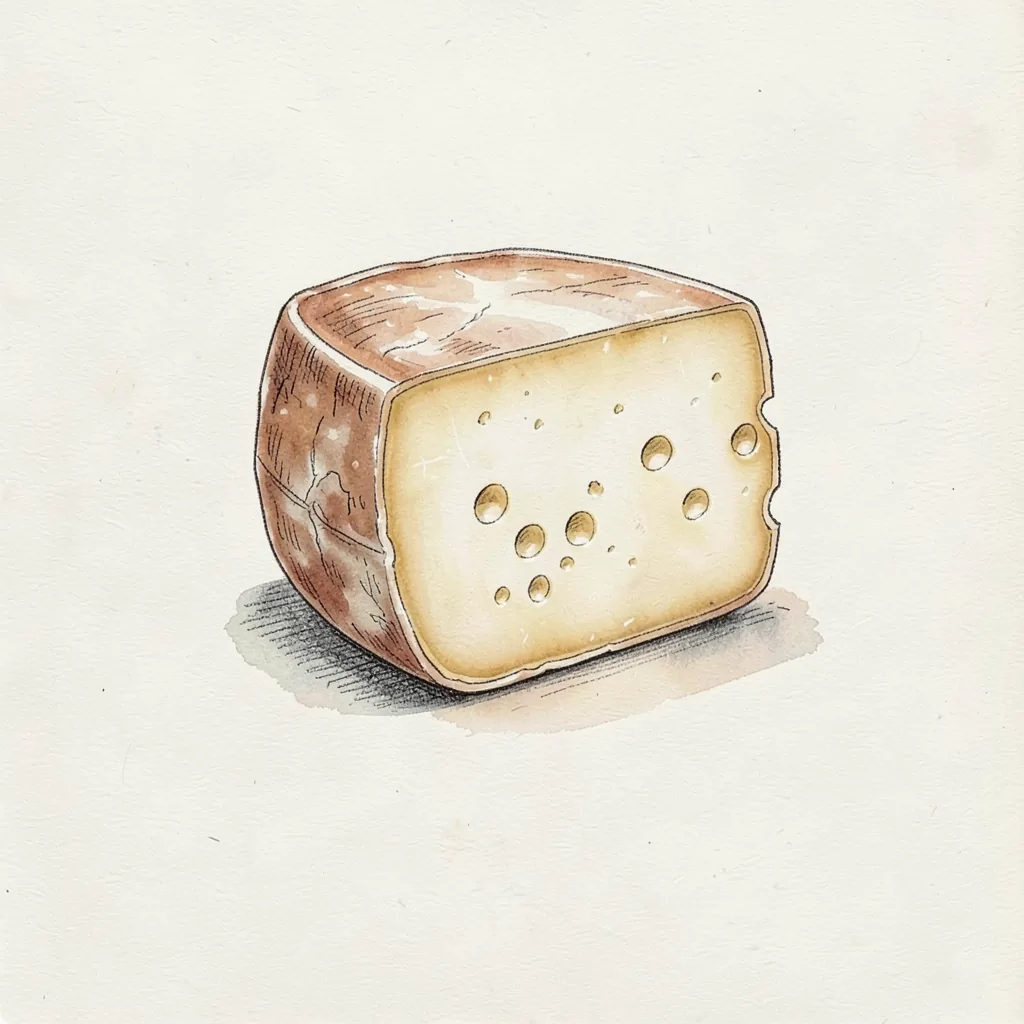
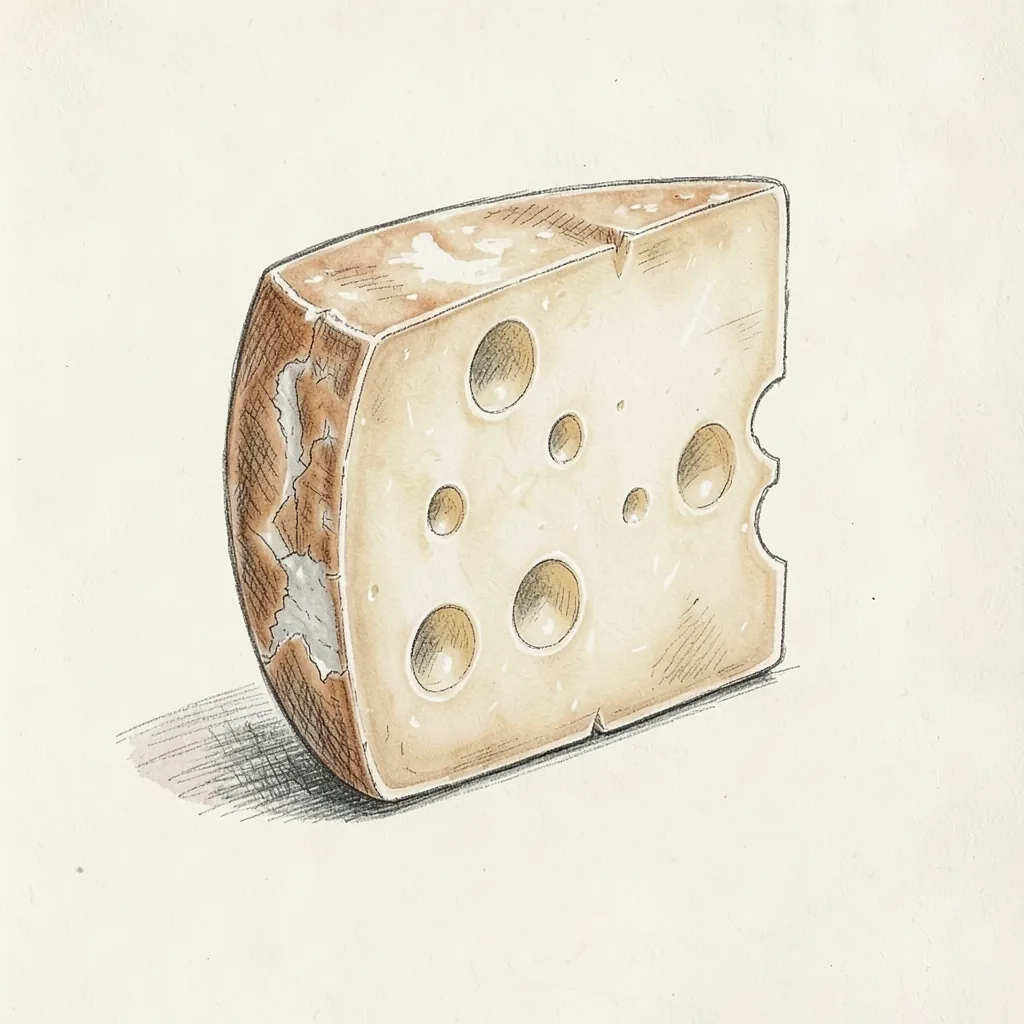
Those hard cheeses are cooked-curd wheels. The curd is heated, pressed, salted, and kept until the paste is dense and the flavor is nutty. Emmentaler is known for large eyes, Gruyère is usually denser and more savory, and Sbrinz is harder still and suited to grating. The union bought and marketed that family of cheeses rather than inventing a new make. When the union closed, the same styles continued, and other Swiss cheeses could reach shops more freely.
Taste
The union has no flavor of its own, because it was an office and a sales system. The cheeses it sold do have clear tastes. Emmentaler is mild, sweet, and nutty, with a smooth paste and the holes people expect, while Gruyère is deeper and more savory and often has few holes or none. Sbrinz is dry, sharp, and intense, the one you shave or grate rather than stack in thick slices. None of them tastes like a fresh soft cheese.
Fondue, the dish the union promoted, tastes of those hard cheeses melted with wine, not of a mild slice on its own. The campaign did not change the paste inside a wheel, but it changed how often people cooked with it. A buyer today should judge the cheese, not the old organization. If a wheel is bitter, sweaty, or cracked far into the paste, storage is the problem, and old posters cannot repair a tired piece.
In the kitchen
You cannot cook with the Swiss cheese Union. You cook with the cheeses it used to sell. Emmentaler and Gruyère are the classic pair for fondue, and they also melt on potatoes, in a sauce, or over a gratin. Sbrinz is better grated over food than melted in a large pool, because it is very hard. On a board, Emmentaler is the gentle piece and Gruyère is the fuller one, so use the names on the label rather than the name of the defunct union.
The union's fondue advertising still shapes how people serve Swiss hard cheese. A shared pot, bread, and a cold day remain the picture many cooks expect, and you can also cube the milder cheese for a salad or lay slices on a sandwich that will be toasted. Do not treat every Swiss cheese as a fondue cheese. Soft washed-rind cheeses from Switzerland behave differently in heat. Match the dish to Emmentaler, Gruyère, or Sbrinz when the old export style is what you want.
Around the world
The union spent heavily on export marketing, and that is one reason Emmentaler and Gruyère are known worldwide. Copies and local versions exist in many countries, sometimes under similar names. American Swiss cheese is the style with eyes made in the United States, and it is not Emmentaler from Switzerland or a product of the Swiss cheese Union. When a recipe says Swiss, check whether it means the American cheese or a Swiss wheel. The two are not interchangeable.
Sbrinz is less famous abroad than the other two, but it is still the grating cheese of that old trio. Specialty shops are the usual place to find it outside Switzerland, and the union itself has no product left to export. Its story matters because it explains why a few Swiss cheeses dominated shelves for so long, and why more styles appeared after it closed. For the table, buy the cheese. For the history, read the union as a trading body that once held the market.