Sheep
What it is
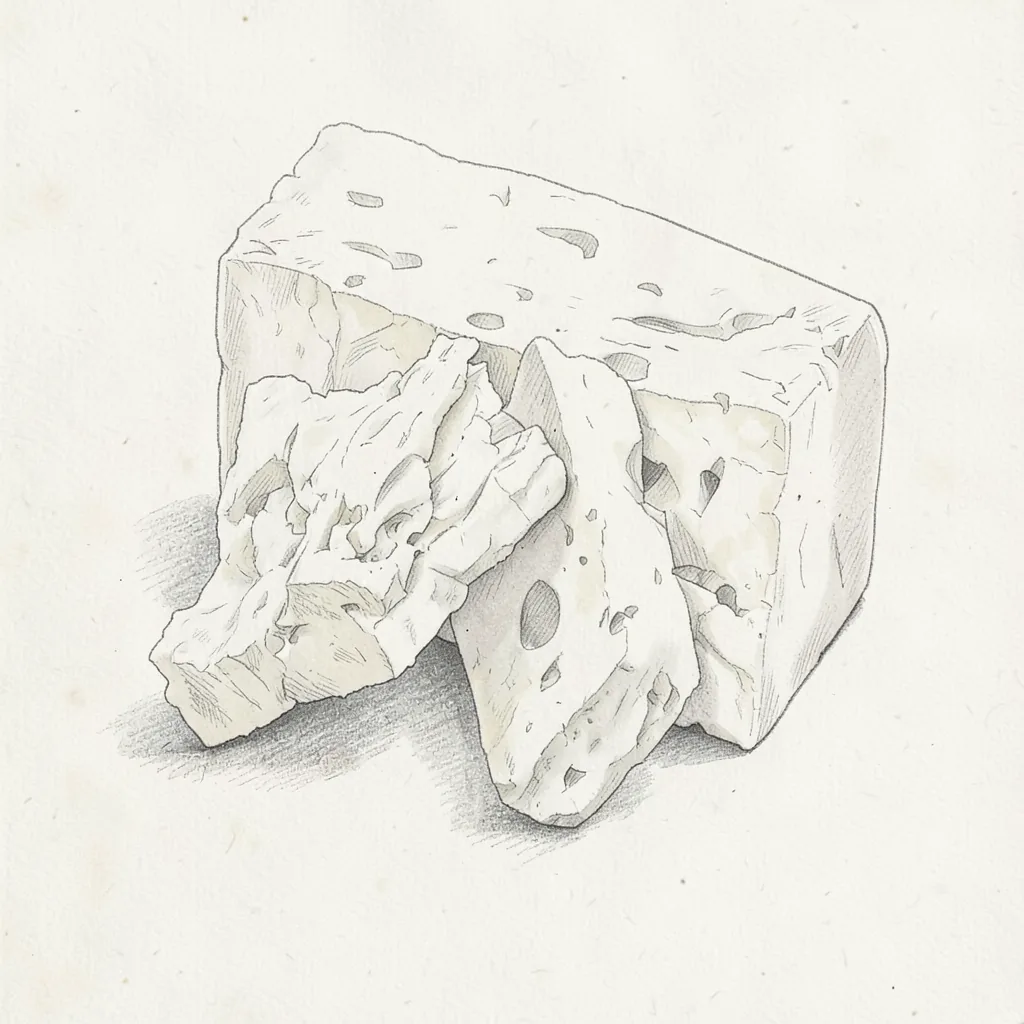
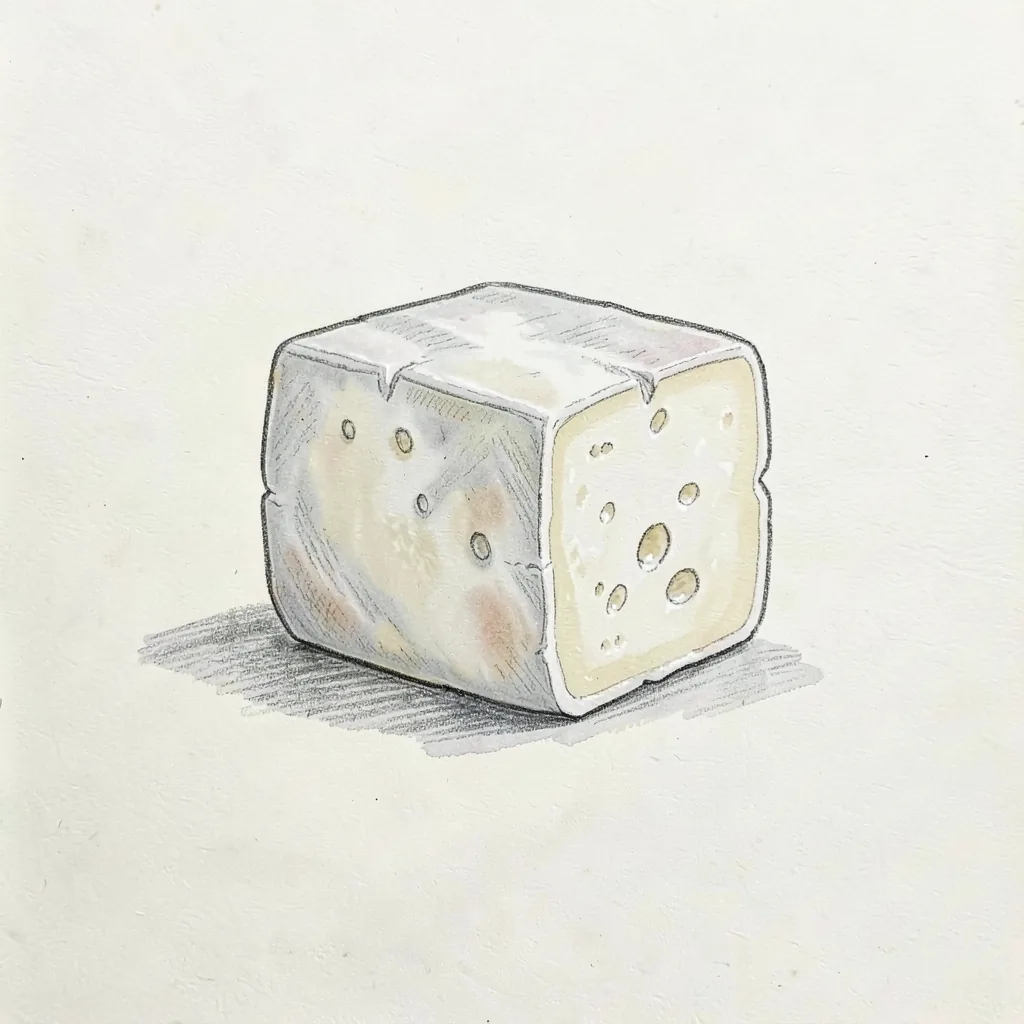
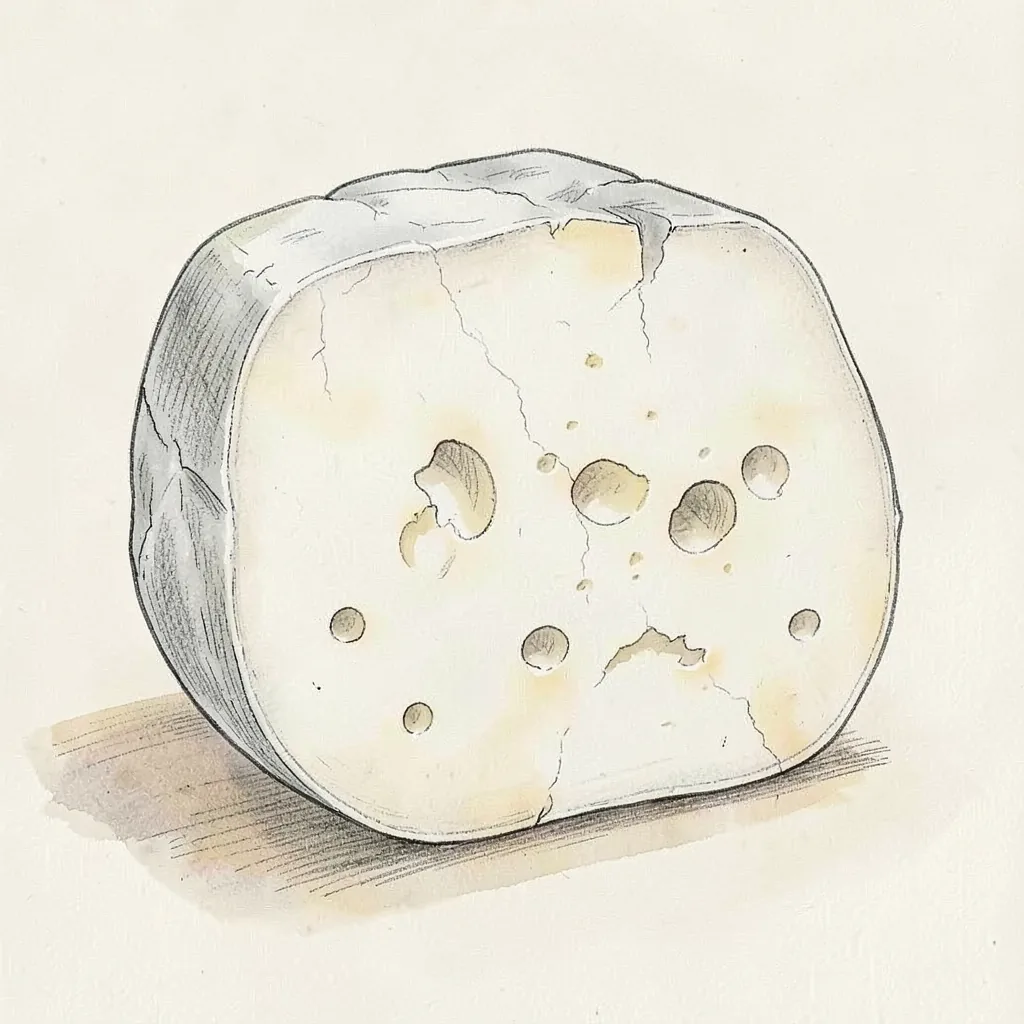
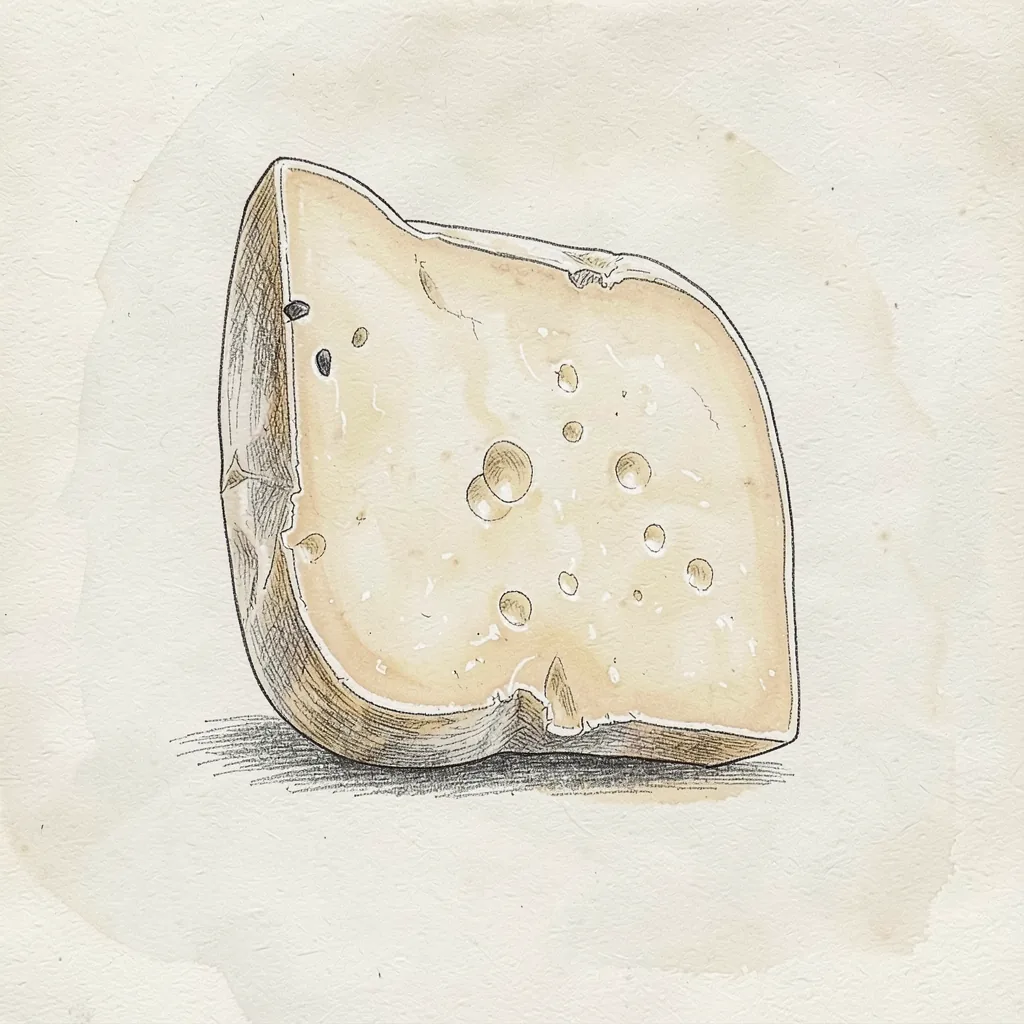
Traditional makers use sheep's milk, and they form the cheese in baskets that leave ring marks on the surface. The paste is white, elastic, and moist rather than dry and crumbly. Salt is part of the identity, but the taste stays milder than that of many sharp brined cheeses. It is eaten young more often than it is kept until the paste turns very hard.
Shoppers in Israel know Tzfatit as an everyday cheese, not a rare food kept for a festival. It sits between a fresh cheese and a firm slicing cheese, and the basket marks are the usual clue on a counter. Flavor is milky, salty, and gentle, with only a light tang. Cubes hold their shape in a salad, and slices soften when they are warmed. A good piece smells clean, not sour and not strongly of the barn.
History
Tzfatit grew up in the Upper Galilee as a sheep's milk cheese for local tables. The method fit small dairies that had fresh milk, salt, and simple baskets for molding. It became one of the few Israeli cheeses with a clear regional name, and that name still points to the Galilee. The style later spread to dairies in other parts of the country. Sheep's milk remains the reference point for the traditional version of the cheese.
Makers kept the basket shape, the salt, and the semi-hard body even as production grew beyond the first dairies. Some pieces are eaten within a short time, and some are kept until they firm and the flavor deepens. The cheese is a regional style rather than the property of one house. Quality follows the milk, the draining, and the care taken with salt. Visitors still link the classic examples with the Upper Galilee, where the name began.
How it is made
Sheep's milk is warmed and set so a tender curd can form. The curd is cut and stirred, and whey is drained off until the mass holds together. Salt is mixed through the curd, or the young cheese is rested in brine for a time. The curd is then packed into round baskets that shape the wheel. Those baskets give the cheese flat faces and ring marks on the sides, and makers turn each piece so it drains evenly.
Draining continues until the body is semi-hard but still moist inside. A short rest gives a mild, elastic cheese for the table, and a longer rest makes a firmer and saltier piece. No bloomy rind is grown on purpose, and the surface stays pale. The basket is the mold, so the finished shape stays small and round. Care with salt matters, because too little leaves the cheese flat and too much makes it harsh.
Taste
The paste is white, smooth, and a little springy under the knife. It slices without falling into dry crumbs, and the bite stays moist. Salt is clear on the tongue, with a milky sweetness just behind it. The smell is fresh and clean, not sharp and not ammoniated. Sheep's milk can add a richer and slightly fuller note when the curd was drained with care.
Time in storage moves the flavor from gentle to more savory and slightly tangy. The body firms, and the salt feels more focused on the palate. It does not grow blue veins, and it does not develop a washed-rind aroma. Basket marks are visual only, and they do not change the taste. Serve it cool if you want the salt and the milk to stay distinct, because a warm piece softens and tastes rounder.
In the kitchen
Tzfatit is sliced onto salads, bread, and simple breakfast plates. It pairs well with cucumber, tomato, olive oil, and a handful of fresh herbs. Cubes hold their shape in a cold salad, and slices soften on warm flatbread. It can go into a pastry or over a grain dish when you want salt without a strong rind. It is usually less fierce than a very sharp brined cheese, so it does not need a long soak in water.
Cooks use it where they want salt and a mild milk flavor in the same bite. It is not a hard grating cheese, and it does not stretch like a spun-curd cheese. A short time in a hot pan can brown the surface and warm the center. Keep it chilled and covered, because the moist paste picks up other smells in the fridge. Fresh fruit on the side gives a softer contrast to the salt.
Around the world
Outside Israel, Tzfatit shows up in kosher markets and in shops that carry cheeses of the eastern Mediterranean. The basket rings help buyers tell it from a plain block of white cheese on the same shelf. Labels may use a Hebrew name beside the English one, and both names refer to this style. It is an everyday cheese at home and a specialty cheese in most other countries. Sheep's milk versions are the ones that match the older Galilee style.
People sometimes use it as a stand-in for other salty white cheeses in a salad. That swap can work, but the texture is more elastic and the salt is often gentler. It is not a grilling cheese, and it does not keep a firm squeak over high heat. Travelers meet it in the Upper Galilee and then look for the same basket cheese in city shops. If the paste is chalky or very sour, the piece is past its best.