What it is
The loaf has no hole in the middle, and the crumb is soft enough to hold a rich filling. Street cooks split it for a sandwich of fried veal spleen, often with sliced cheese or a spoon of fresh ricotta. The same word is also used for Sicilian cheeses, which is why it appears in a cheese list. The bread and the cheeses are different foods that share a name.
In a bakery the bread is an everyday roll, not a specialty dairy food. A typical loaf is round, pale inside, and lightly crusty outside, and some versions carry sesame on top. A fried relative exists in parts of Sicily, and that is still bread. When the same word is used for cheese, it points to traditional stretched-curd rounds, not to this loaf. Shoppers should read the label, because a paper-wrapped roll and a dairy round are not the same ingredient.
History
The word vastedda has circulated in Sicily for a long time, and it names a flattened round shape as much as one recipe. The bread is tied to street food, especially the spleen sandwich that vendors sell from stalls. Old market notes also mention cheeses under related names, so the overlap is not new. No single founder owns the word. Bakeries kept the loaf in daily use, and dairies kept a cheese tradition beside it.
Over time the bread stayed the food most people mean in Sicilian street cooking, while cheese makers used the same word for flattened dairy rounds. Those cheeses are traditional products of Sicily, sold as food in their own right. The bread did not become a cheese, and the cheese did not become a loaf. Modern lists sometimes file the name under dairy because of that second meaning. A careful note has to hold both meanings, or a reader will buy the wrong thing.
How it is made
Bakers mix a simple dough, let it rise, and shape a round loaf without a center hole. The loaf is baked until the crust colors and the crumb stays soft enough to split. Sesame may be sprinkled on some versions, and other bakers leave the top plain. The result is a roll large enough to fill and eat by hand. This is ordinary bread making, not a curd process, and no rennet or brine bath is involved.
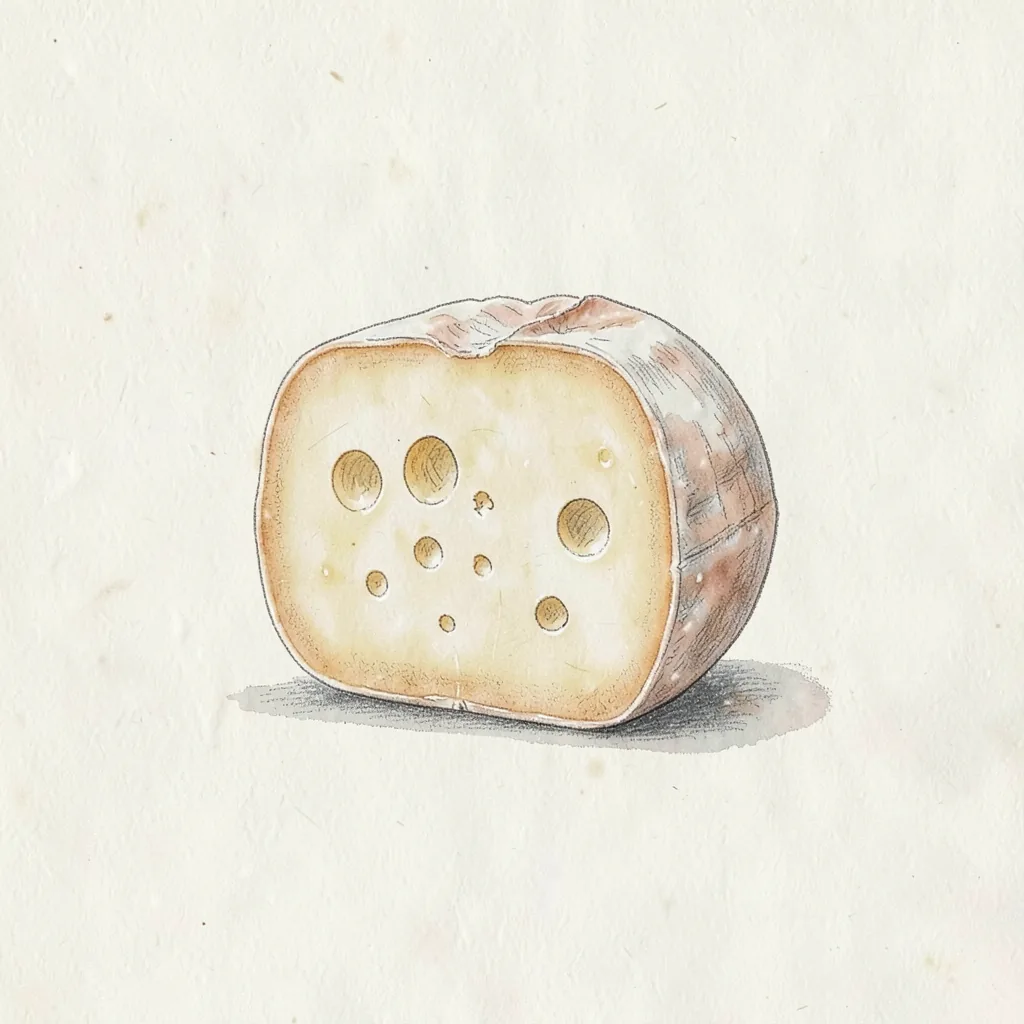
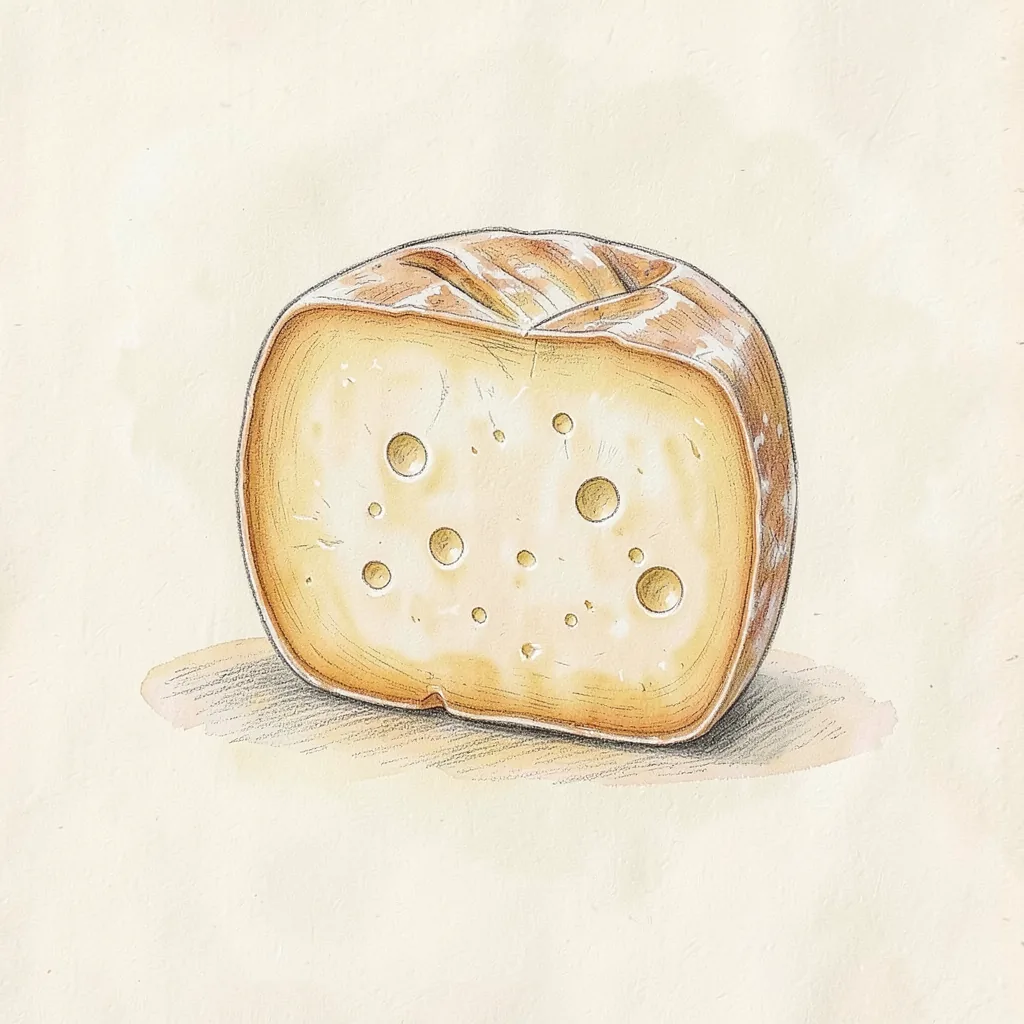
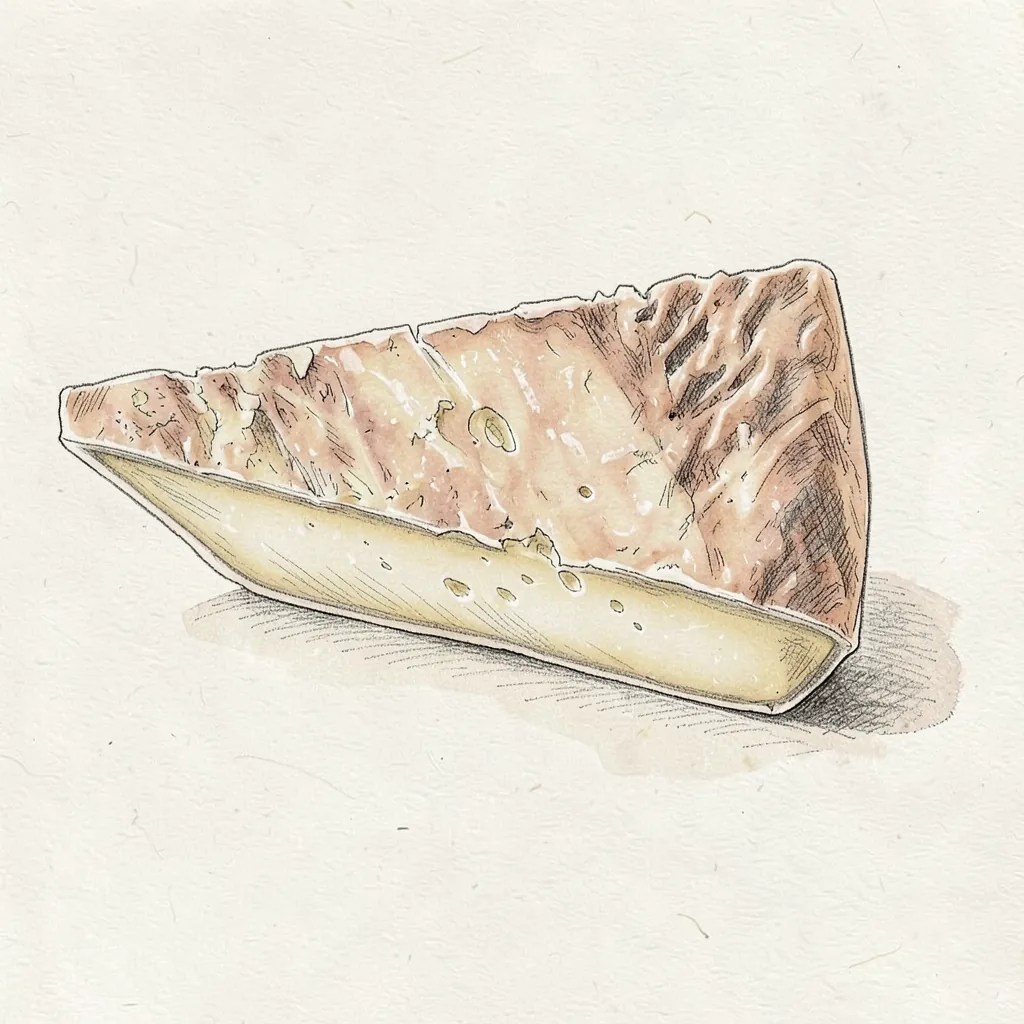
A fried version is dough cooked in hot fat until it puffs, and it is a separate local bread. Cheese that shares the name follows a different path. Makers warm the curd and stretch it, then flatten it into a round with a smooth surface and no hard rind. That dairy work is a stretched-curd method, closer to other Italian pulled cheeses than to a baked loaf. One path ends in an oven or a fryer, and the other ends in a dairy.
Taste
The bread tastes mildly of wheat, with a soft crumb and a thin crust that is not as sour as a long-fermented country loaf. It is a carrier for salty, rich fillings, so it should not fight the spleen, the cheese, or the ricotta. A fresh roll is tender, and a stale one turns dry and is less useful as a sandwich. Sesame, when it is used, adds a toasted note on the surface. There is no blue mold and no salty dairy rind, because this item is bread.
The cheeses that share the name taste like fresh stretched-curd foods, mild and milky when young, with a smooth bite. They are savory, not sweet like a bun, and they can be salty. That difference is the practical test in the kitchen. If the food smells like a bakery, it is the loaf. If it smells like fresh curd and slices or tears, it is the cheese, and neither one should taste harshly fermented when it is still fresh.
In the kitchen
Use the bread as the roll for a spleen sandwich, and add sliced cheese, ricotta, or both if you want the classic street plate. Warm the loaf so the crumb is soft, then fill it and eat it soon. The bread can also hold other savory fillings, but the spleen sandwich is the famous use. Do not grate the loaf, and do not treat it as a melting cheese. It is the container for the filling, not the dairy ingredient itself.
If a recipe calls for vastedda and means the cheese, use a stretched-curd round and keep the bread for the sandwich. The cheese can be sliced onto the loaf or eaten on its own while it is fresh. The bread can be toasted if it has dried, but toast will not turn it into a sauce. Store the loaf as bread, in a bag, and store any cheese in the cold. Read the ingredient list before you shop, and do not swap the two by guess.
Around the world
Outside Italy, the bread is most often met in Sicilian restaurants and in writing about street food. Grocery shops abroad rarely label a roll as vastedda, so many people know it from a visit or from a specialty bakery. The cheese meaning travels in dairy cases and in lists of traditional Italian foods. A shopper in another country may see only one of the two meanings. Asking whether the item is bread or cheese prevents a wasted purchase, and both foods are ordinary in Sicily.
Caciocavallo is a stretched-curd cheese placed in the same sandwich, and it is a sensible buy when the vastedda you find is only bread. Provola is another pulled cheese with a similar mild bite. Ricotta is the soft fresh topping on the roll, not a stand-in for the loaf. Pecorino Siciliano is harder and aged, and it will not match a fresh stretched-curd round. If you needed the bread, a soft round roll can hold the filling, and no cheese will do that job.