Cow
What it is
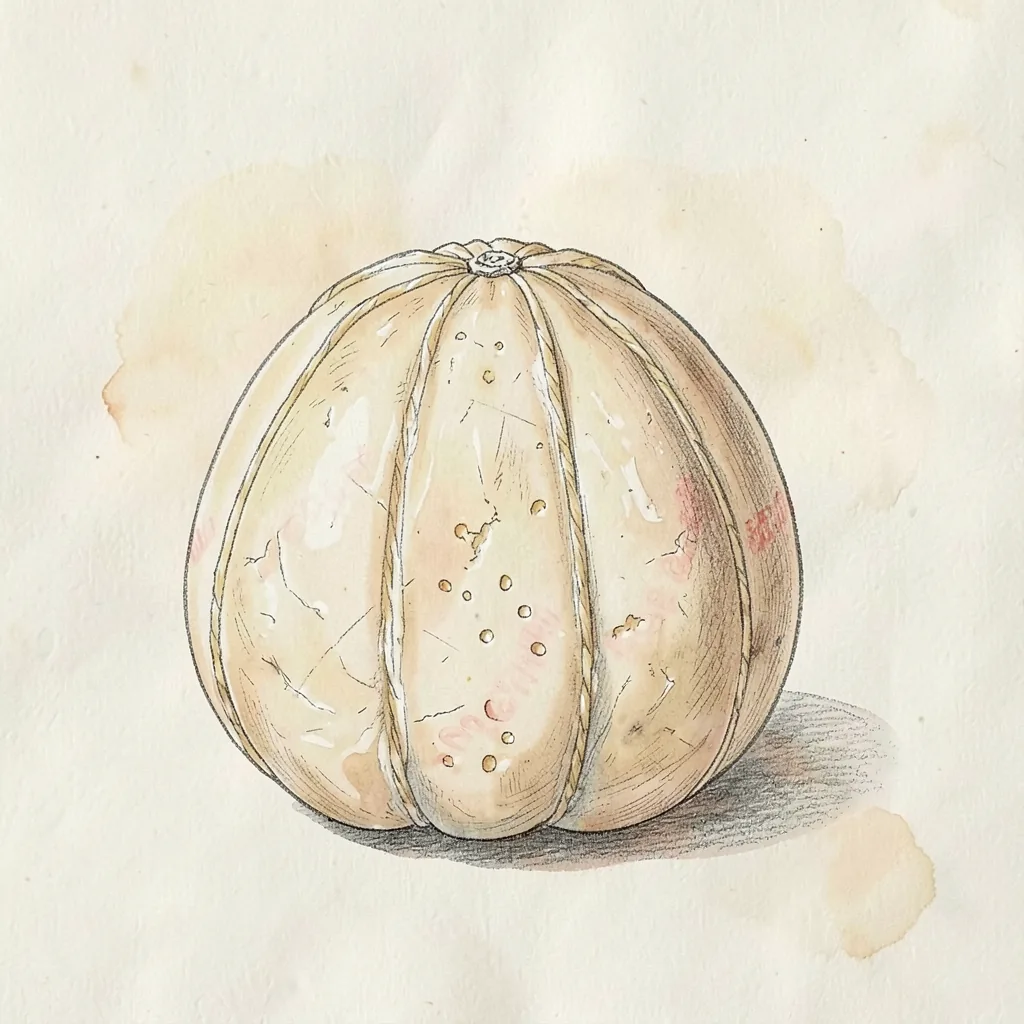
Makers heat the curd and pull it until the paste is smooth, elastic, and able to hold a compact shape. A typical piece is smaller than a provolone, often pear-shaped or rounded, with a thin natural surface. Plain provola tastes mild and milky. Smoked provola, sold as provola affumicata, picks up a light brown color and a gentle wood-smoke aroma.
In the kitchen it sits between a very fresh mozzarella and a long-aged provolone. Young pieces slice cleanly and melt in an even sheet on pizza, pasta, and hot bread. A light smoke, the affumicata style, makes the same cheese better for a grill, where the outside browns and the center stays tender. Shops sell plain and smoked forms side by side. If a recipe names provola and the counter only has provolone, the larger cheese is the usual stand-in.
History
The name is tied to an old habit of testing curd in hot water to see whether it would stretch. That trial is a prova in Italian, and it is the story most often told for the word provola. Stretched-curd cheeses have a long place in Italian dairies, and this is one of the smaller shapes that stayed close to the craft. The larger relative, provolone, carried the same method into wider trade. Provola remained the modest piece, sold soon after making or after a short rest.
No single brand owns the name, and no one town on a label defines every piece. Dairies vary the shape, the length of the stretch, and the choice to smoke. Some pieces are eaten almost at once, while others rest until the paste is a little drier and the taste a little fuller. That range is why two cheeses called provola can feel different on the same board. The constant points are cow's milk, a stretched curd, and a size smaller than classic provolone.
How it is made
Cheesemakers warm cow's milk and set it with rennet, then cut the curd and let it firm. When the curd is ready, they work it in hot water or hot whey and stretch it until the paste turns glossy and elastic. The stretch lasts longer than the quick pull used for a very fresh mozzarella, so provola finishes firmer. Hands or machines shape the mass into small pears, cylinders, or rounds. A dip in brine seasons the outside and helps the surface set.
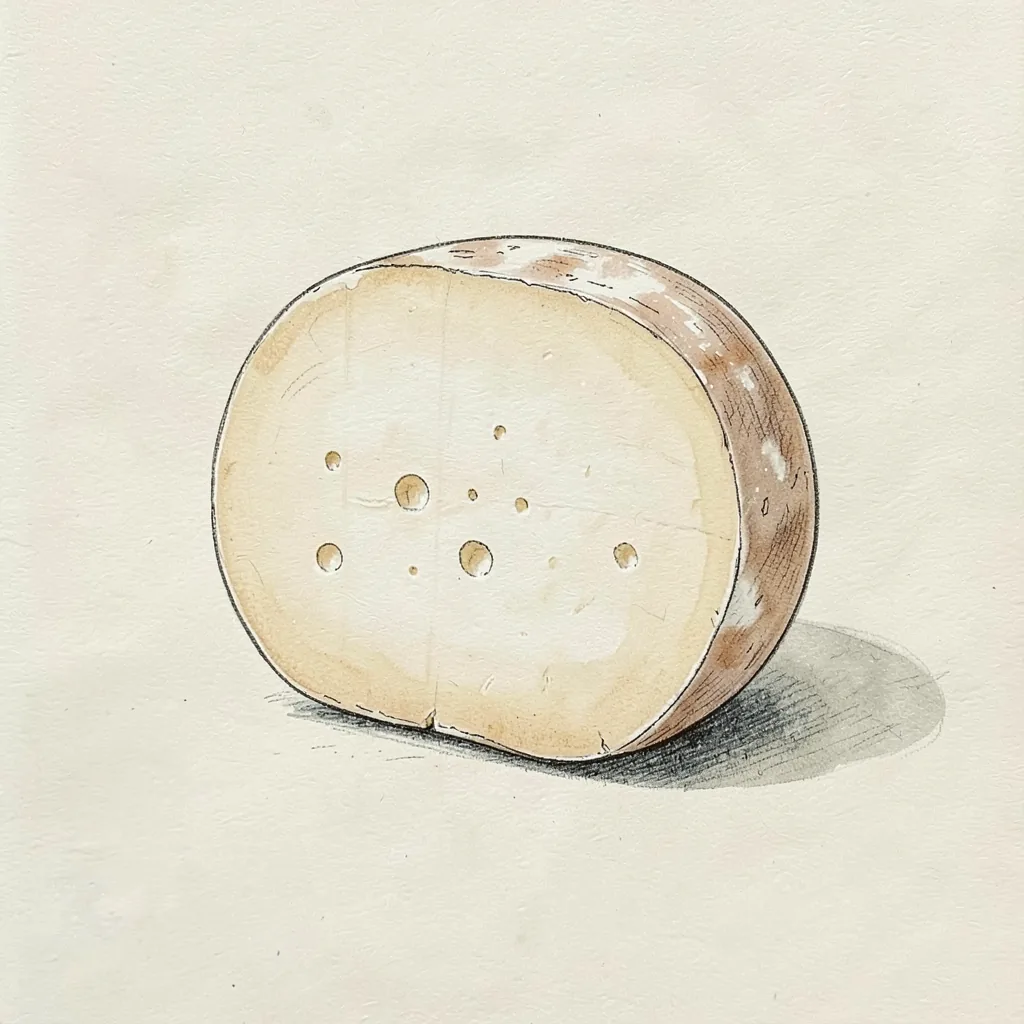
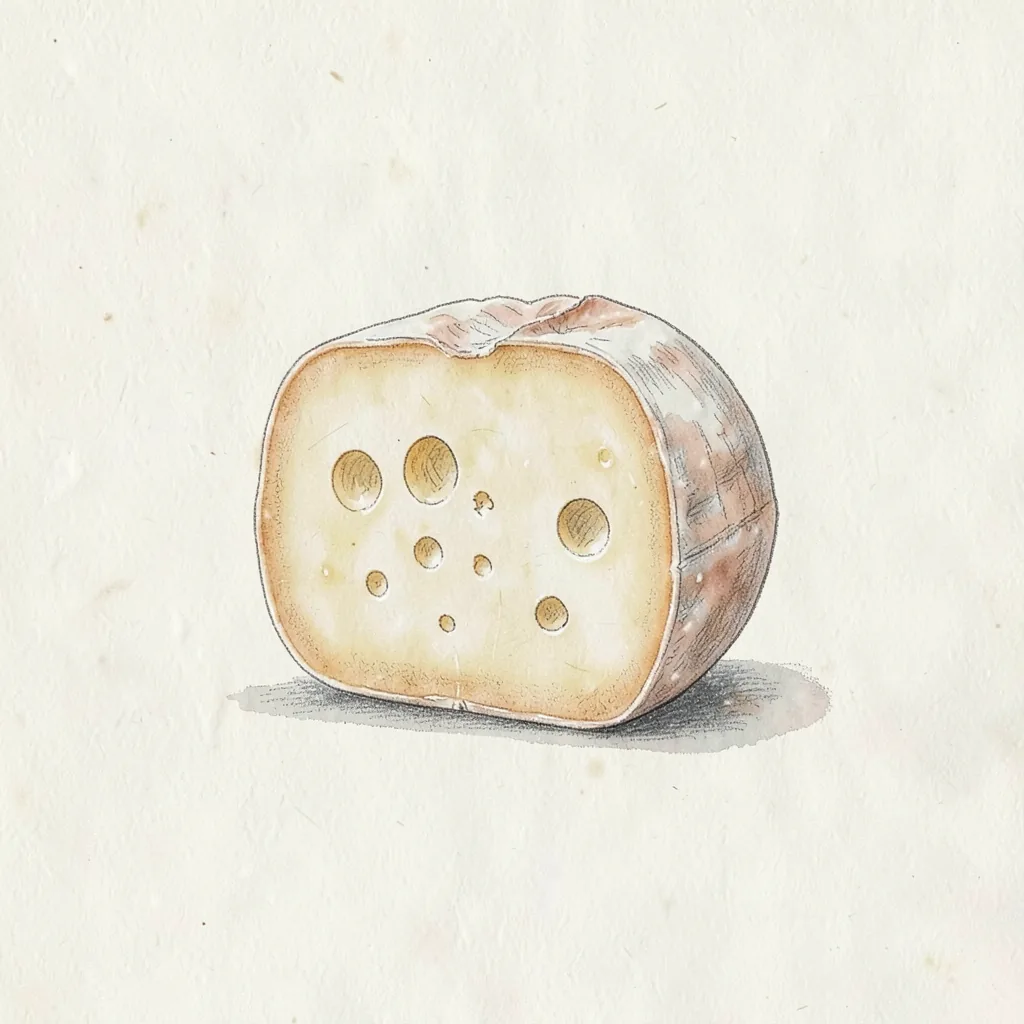
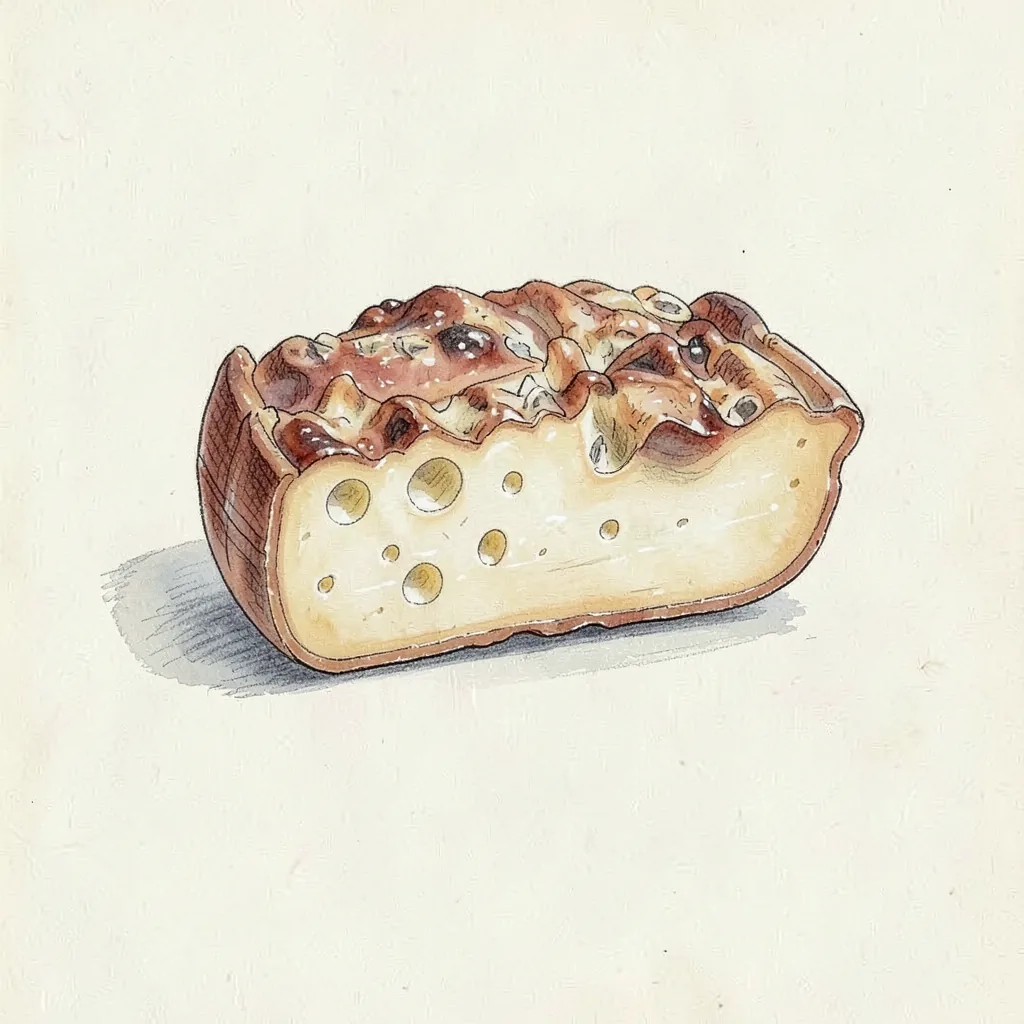
A plain provola may go to the shop after only a short rest, while other batches hang until they are a little drier. Smoking, when it is used, is a light step over straw or wood, not a cure that turns the cheese hard. The interior stays pale and closed, without eyes and without blue veins. Salt stays moderate, so the milk flavor is still clear. Texture can shift from supple to slightly flaky as a piece ages, because the method is a craft as much as a formula.
Taste
Plain provola is mild, milky, and a little sweet, with a clean dairy finish and only a hint of tang. The paste is elastic and smooth, and a thin slice bends before it breaks. Salt is present but not sharp, and the aroma is warm milk rather than a cellar. A smoked piece adds a savory wood note that sits on top of the milk instead of hiding it. Neither style is as pungent as a long-aged piccante provolone.
As the cheese rests, moisture drops and the flavor grows a bit fuller, sometimes with a light nuttiness. The texture moves from springy toward a denser slice that still melts when heated. Smoke, if it is there, should smell gentle rather than harsh or ashy. A bitter edge or a dry cracked paste usually means the piece was kept too long. At its best, provola tastes like fresh cow's milk that has been stretched, salted, and, in some batches, lightly smoked.
In the kitchen
Provola melts smoothly, so it works on pizza, in baked pasta, and inside a hot sandwich. Cubes can go into a skillet with tomatoes and bread, a simple Italian plate that lets the cheese soften without running away. Smoked slices are good on a grill or under a broiler, where the surface browns and the center stays tender. Thin shavings also sit well on a board with olives, bread, and a firm fruit. Grating is possible once the piece is drier, though a true grating cheese will taste sharper.
Because the cheese is milder than aged provolone, it will not take over a sauce. Pair it with tomatoes, grilled vegetables, or a plain tomato sauce rather than with very strong spices. A smoked piece can stand in for scamorza when a recipe wants a light wood note and a firm slice. If you only need stretch and a wet melt, fresh mozzarella is softer and will release more liquid in the pan. Keep provola wrapped and cool, and use it while the paste is still supple.
Around the world
Outside Italy, provola is less famous than mozzarella and provolone, but Italian shops and many larger grocers carry it. The smoked form is the one cooks often seek when they want cheese for the grill with a little color. In Argentina and neighboring countries, provoleta is a related stretched-curd cheese cut thick and seared, and the name shows the family link. Those cheeses are not the same piece. Provola stays the smaller Italian cheese, while provoleta is built for a very hot plate.
Cooks who cannot find provola usually buy mild provolone for melting or scamorza for a smoky slice. Caciocavallo is a more distant cousin, often larger and hung in a different shape, and its taste can be stronger. None of those swaps will copy one dairy's smoke or exact shape. They will still give you cow's milk, a stretched paste, and a cheese that melts. Read the label for plain or smoked, because that choice changes the dish more than the brand name does.