Cow
What it is
The name means flax cheese, but the recipe contains no flax at all. Makers use the word to recall the old place of flax in Dutch farming and trade. The paste is firm and creamy, with a sweet edge and a light sharpness at the finish. It is sold under the Beemster name and is mild enough for a wide table.
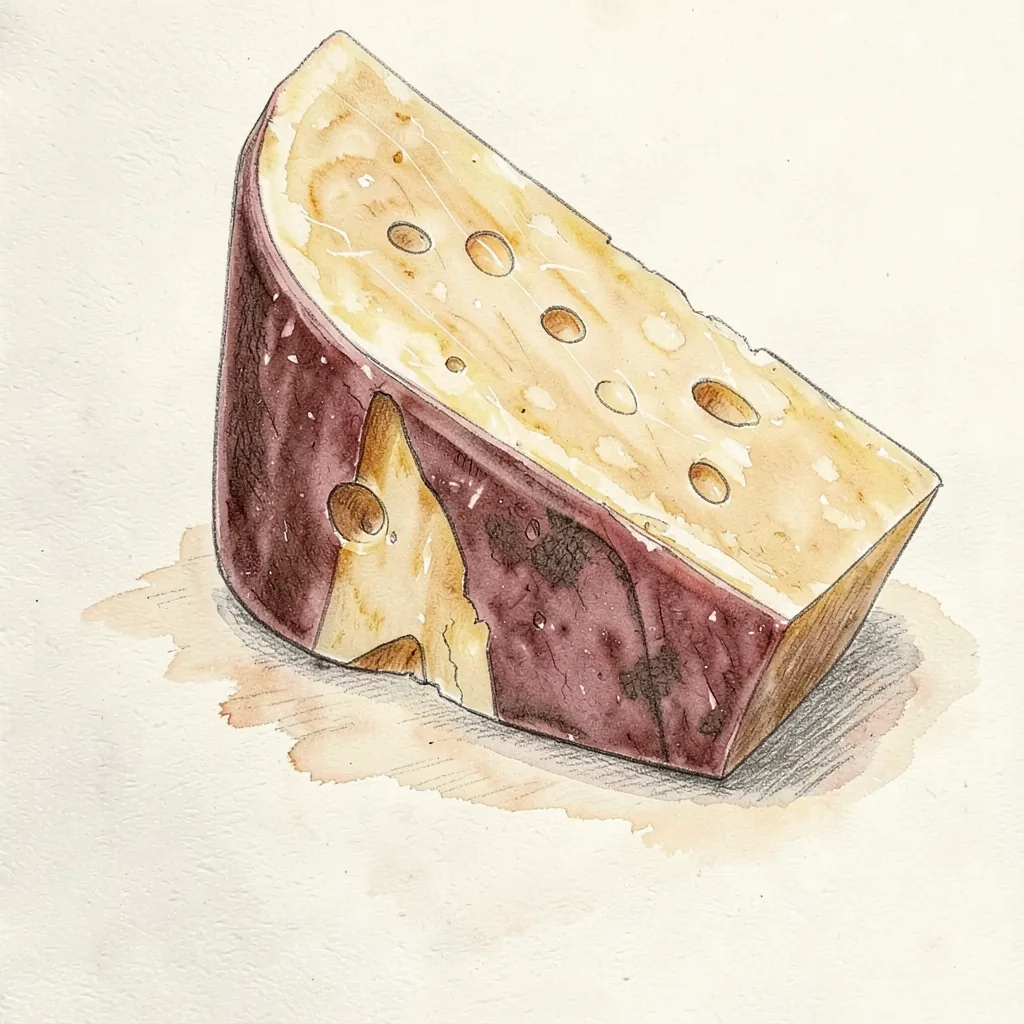
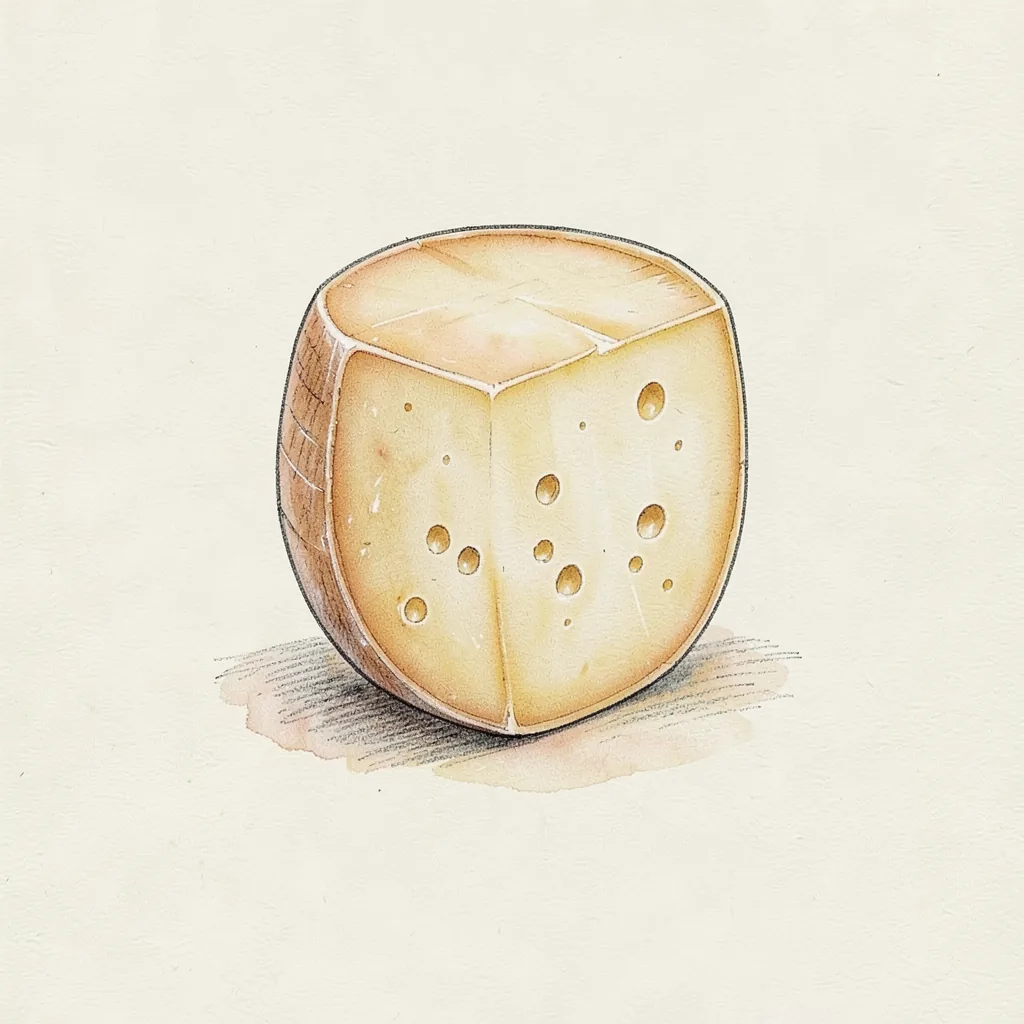
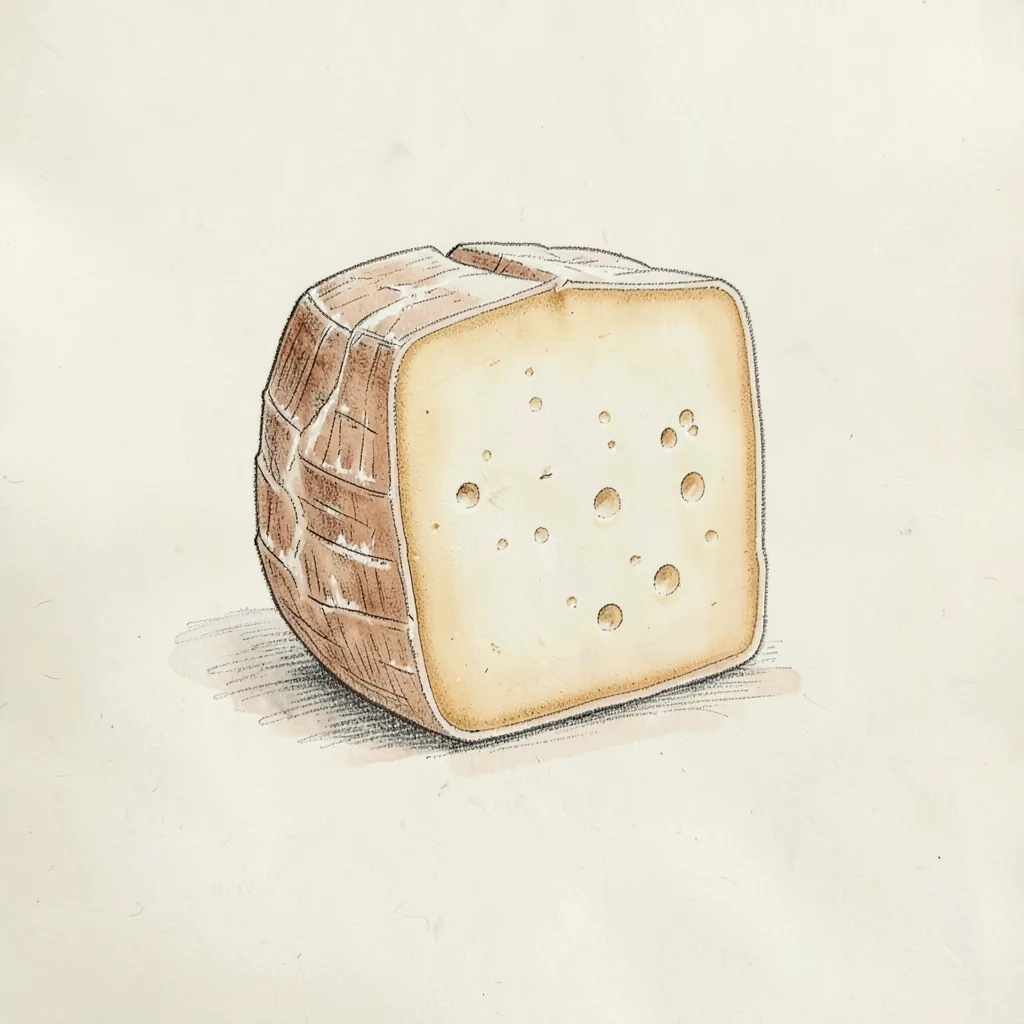
A cut wedge shows a smooth yellow interior rather than large eyes. Annatto gives the paste its warm color, and the salt stays quiet so the milk flavor can show. Some pieces grow small crunchy crystals as they age, while the body stays supple enough to slice. The finish is often compared with almond or sweet cream. It behaves like a middle Gouda, not like a very old grating wheel.
History
Dutch farms once linked a special cheese to the flax harvest, when the crop came in and people shared a rich meal. Vlaskaas belongs to that custom. In that older pattern it was not an everyday wheel, and the recipe later dropped out of regular make. Interest in older dairy notes brought the cheese back, and producers now make it through the year. The flax link remains in the name only, not in the vat.
Gouda-making in the Netherlands already had a long habit of washing curd, pressing wheels, and aging them for a mellow sweet taste. Vlaskaas sits inside that habit rather than outside it. What sets it apart is the flax name and a balance that stays sweet while a little sharpness remains. It is a named cheese inside a famous Dutch style, not a separate recipe from one village. Buyers usually meet it as a labeled wedge in the Beemster line.
How it is made
Cheesemakers warm pasteurized cow's milk and add cultures so the milk can acidify. Rennet sets the curd, and the curd is cut and washed in the Gouda way, which keeps the finished cheese from turning very sour. The curds go into molds and are pressed into wheels. Salt enters in a brine bath. A wax coat then protects the wheel while the cheese ages and the sweet flavor develops.
Aging continues until the paste is creamy but still able to hold a clean slice. The rest is long enough for a sweet-sharp taste, and some batches go further and grow tiny protein crystals. Annatto is added for color, not for a separate flavor. The wax is not eaten, and under it the cheese has no thick natural rind of the kind you find on a washed wheel. The result is a tidy wedge with an even interior.
Taste
The first taste is milky and sweet, closer to butter and fresh cream than to a sharp aged cheese. Almond is the note many tasters name after that sweetness. A mild sharpness comes at the end and keeps the cheese from tasting flat. Salt is present but modest, so it seasons rather than dominates. The aroma is clean and dairy-like, without the strong smell of a washed rind or a blue.
Texture does as much work as flavor. The paste yields under a knife and feels smooth on the tongue, yet it is not runny or sticky. A well-kept piece can show a few crunchy spots without turning dry or crumbly. If the wedge is very cold, the sweetness is quieter, so a short rest before serving helps. Younger pieces lean toward plain milk, while a longer cure brings more nut and a clearer sharp finish.
In the kitchen
Slice Vlaskaas for a board with apples, figs, walnuts, or a mild cured meat. The sweet paste matches fruit better than it matches a very salty pickle. It also melts, so it can go into a grilled sandwich, a simple sauce, or a baked potato dish. Because the flavor is gentle, it will not cover a strong spice blend. Use it when you want dairy richness and a little sweetness in the dish.
Cut the wax away before you cook or serve. The cheese slices cleanly and also shreds for a melt, though it is not a dry grating cheese. Keep the heat moderate, or the fat can separate and the sweetness can taste cooked rather than fresh. On bread, a plain slice is enough, and extra butter is optional because the paste is already rich. Leftovers keep well if they are wrapped, since the aroma is not aggressive.
Around the world
Outside the Netherlands, Vlaskaas shows up where shops carry the Beemster range, often beside younger and older Goudas from the same maker. It is less famous than the plain word Gouda, so many buyers walk past it unless the label is clear. The almond note and the flax name are the details worth reading on the package. In Dutch cooking it fits the same roles as other semi-soft cow's milk cheeses, on bread, in a warm dish, or as a snack with fruit.
Gouda is the practical substitute, and Edam can stand in when you only need a mild Dutch slice. Beemster wheels of a similar age are even closer, because they share milk, method, and a sweet finish. Graskaas is a different Dutch cheese, made from early pasture milk and sold young, so the name is not a match. None of those cheeses carries the flax story, but any mild one will melt and sit on a board in a similar way.