Cow
What it is
The name means noble cheese, and Swedes also spell it Adelost. It was developed as a Swedish answer to imported blue cheeses, with a creamy paste and blue-grey veins. A thin rind carries a light dusting of mold. The flavor is salty, sharp, and tangy, and people use it as a table cheese or crumbled on a salad.
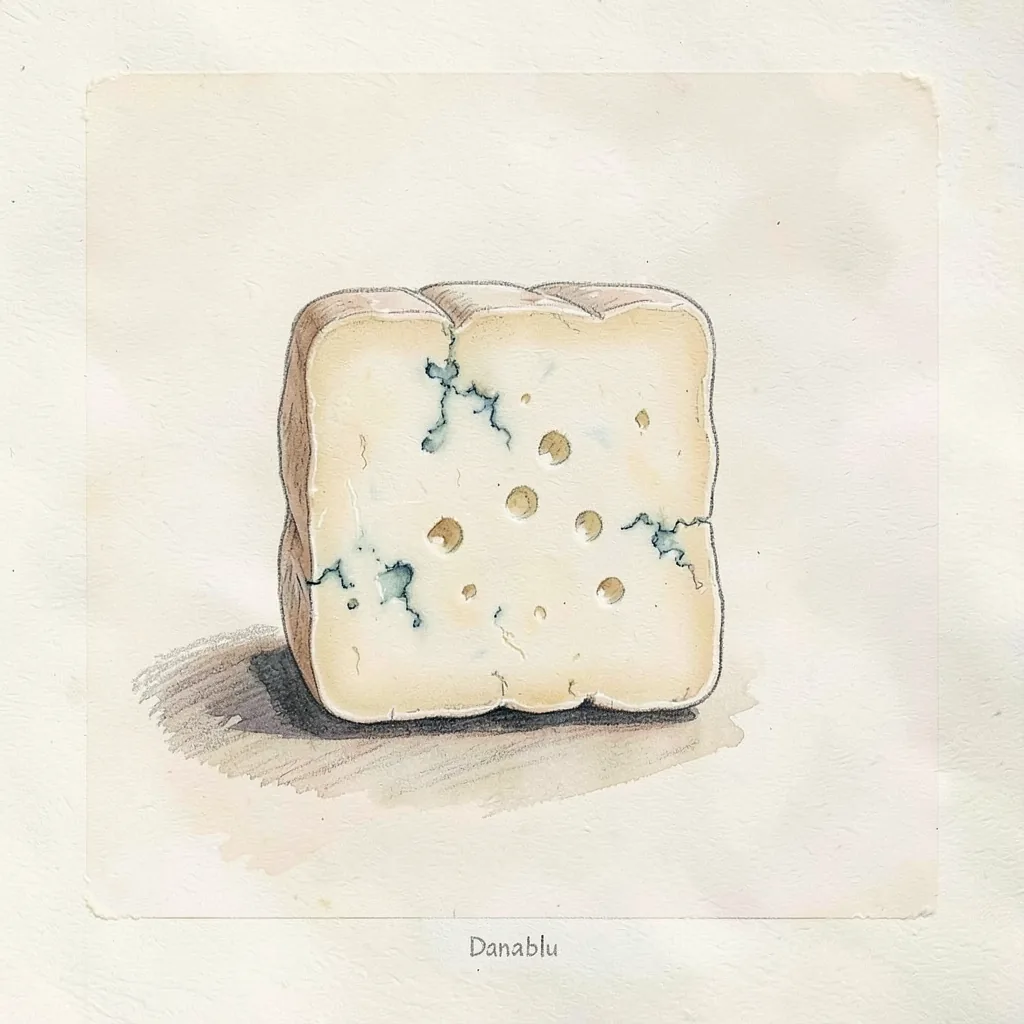
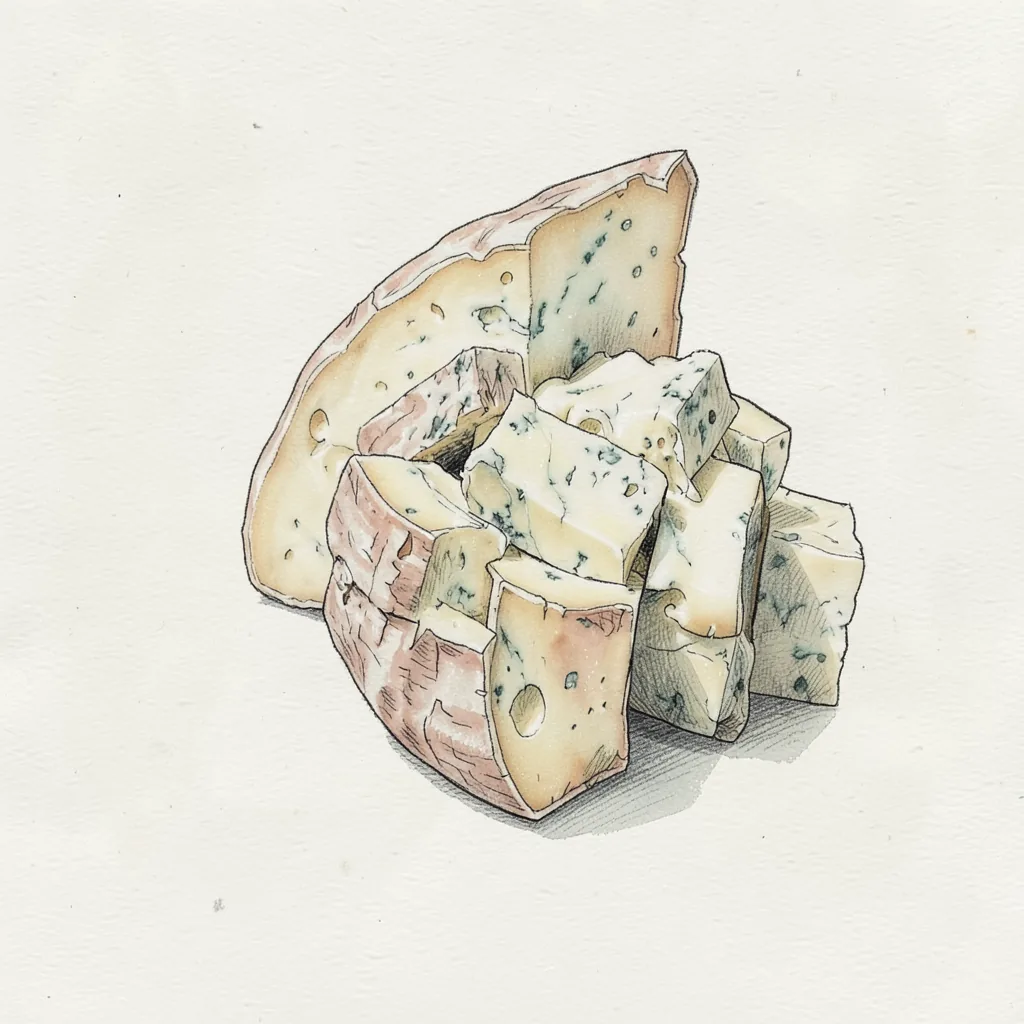
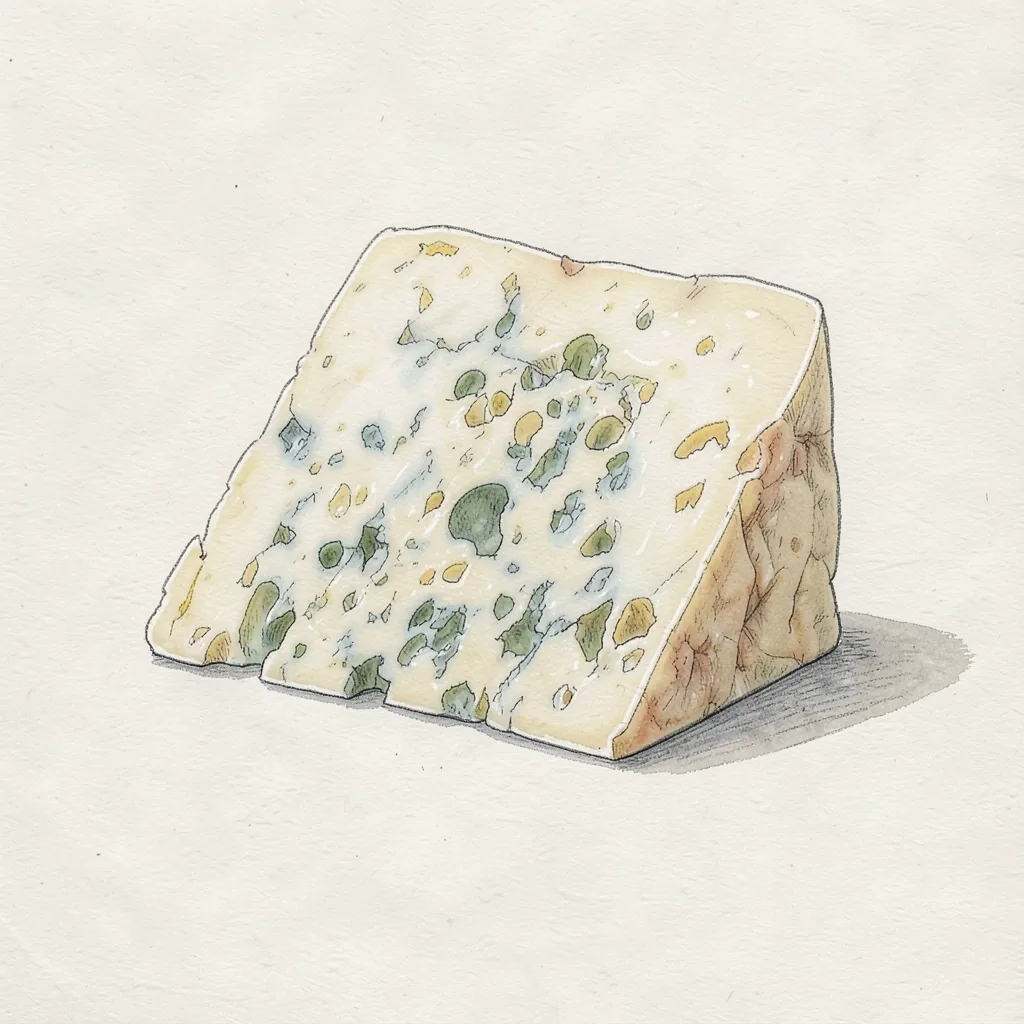
The paste is pale cream, with veins spread through the wheel rather than in one dark streak. Texture is semi-soft and creamy, so a slice bends before it breaks. The rind is natural and thin, pale with specks of grey, white, and blue. Aroma is strong in the way of blue cheese, but the body stays moist. It is a cow's milk blue, not a sheep's milk cheese from southern France.
History
Sweden already had hard and mild cheeses when blue cheese was still mostly an import. Ädelost grew as a local blue that dairies could make from cow's milk. The aim was a cheese in the French blue family, adapted to Swedish milk and Swedish taste. The name, noble cheese, presents it as a fine table cheese rather than a farm leftover. It became a regular Swedish blue, sold under that word in shops at home.
Large Swedish dairies and smaller makers both use the name for this style of cow's milk blue. It is a type, not a single brand with one owner. That is why two wheels can differ a little in salt and in how open the veins are. The cheese stayed in the blue family rather than moving toward a mild sliced cheese. Export packs often drop the accent and print Adelost, but the cheese is the same.
How it is made
Makers heat pasteurized cow's milk, set the curd, and add blue mold so veins can form inside. The curd is drained, salted, and packed into cylindrical forms. Needles or rods later open paths for air, which the mold needs in order to grow. The young wheel then rests until blue-grey veins show through a pale paste. The rind stays thin, with a light coat of surface mold.
Ripening continues in a cool room until the paste is creamy and the salt tastes settled. The veins should be spread through the wheel, not only near the holes. A finished cylinder has a pale rind dusted with grey, white, and blue. The interior remains moist rather than chalk dry. Dairies then cut or wrap the cheese for sale as a table blue, ready to slice or crumble.
Taste
Ädelost tastes salty, sharp, and tangy, with the mushroom edge common to blue cheese. The paste is creamy, so the sharpness is not as dry as in a long-aged crumbly blue. Veins carry more bite than the pale parts between them. Aroma is strong once the cheese is warm. A small piece on bread shows the balance better than a cold chunk eaten straight from the fridge.
Salt should be clear but not harsh. If the only flavor is bitterness, the piece may be overripe or kept too warm. A good wheel stays moist and tastes of milk under the blue. Compared with Roquefort, it is usually less fierce, and compared with a very mild blue it is more direct. The finish lingers as salt and tang rather than as sweet cream.
In the kitchen
Crumble Ädelost over salads, or set slices on a board with bread and a sweet accompaniment such as pear or honey. It also works in a simple dressing with oil and a mild vinegar. Heat softens it into sauces and baked potatoes, where the salt seasons the dish. Use less than you would of a mild cheese. The creamy body means it blends without staying in hard pellets.
Bring the cheese toward room temperature before a board, and keep the rind if you like a little extra mold flavor. For a salad, trim the rind and crumble only the paste. Do not plan on long melted strings. Wrap leftovers tightly, because the aroma travels. A dry edge can be grated into a hot soup or a sauce if the center is still creamy and moist.
Around the world
Ädelost is the familiar Swedish blue, easy to find in Sweden and present in shops that import Nordic cheese. Labels abroad may say Adelost when the printer drops the Swedish letters. It sits near Danablu, which is the Danish cow's milk blue many people already know. The two are relatives in style, not the same wheel. Roquefort is a different milk and a different country, even if the mold family looks similar.
Choose Danablu when you need a salty cow's milk blue and Ädelost is not on the counter. Gorgonzola can stand in for a softer blue in a sauce or on a board, though the Italian cheese is often milder or sweeter. Stilton is drier and stronger, so it changes a salad. If a recipe only says blue cheese, Ädelost fits when you want cream and tang together. Check the country on the label so you know which blue you are buying.