Sheep
What it is
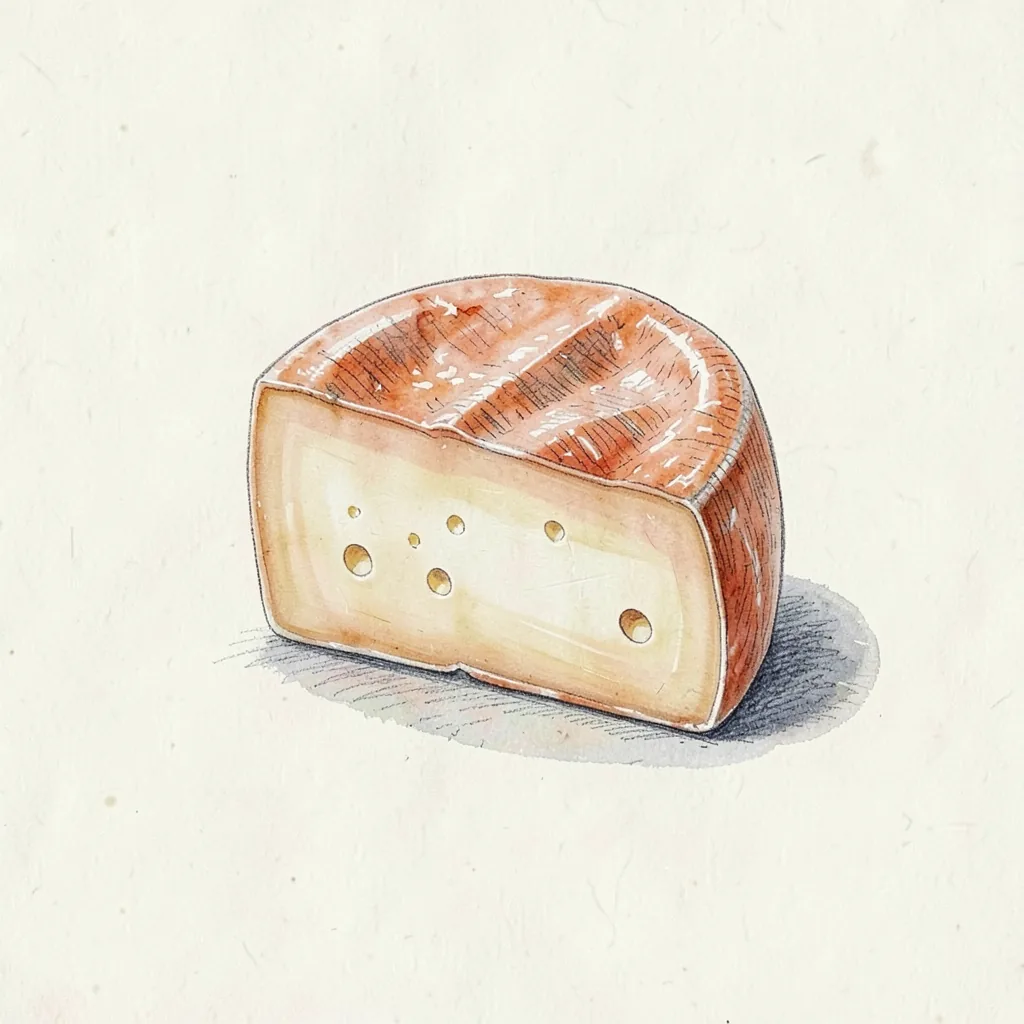
The milk is thermalized, which means it is heated more gently than in full pasteurization, and the curd is pressed into wheels. The rind is washed or brushed while the cheese ages, and the paste under it is firm and creamy. The taste is nutty, a little sweet, and lightly tangy, with a fruity side. It is a cheese for grating, melting, and the board, not a fresh sheep cheese.
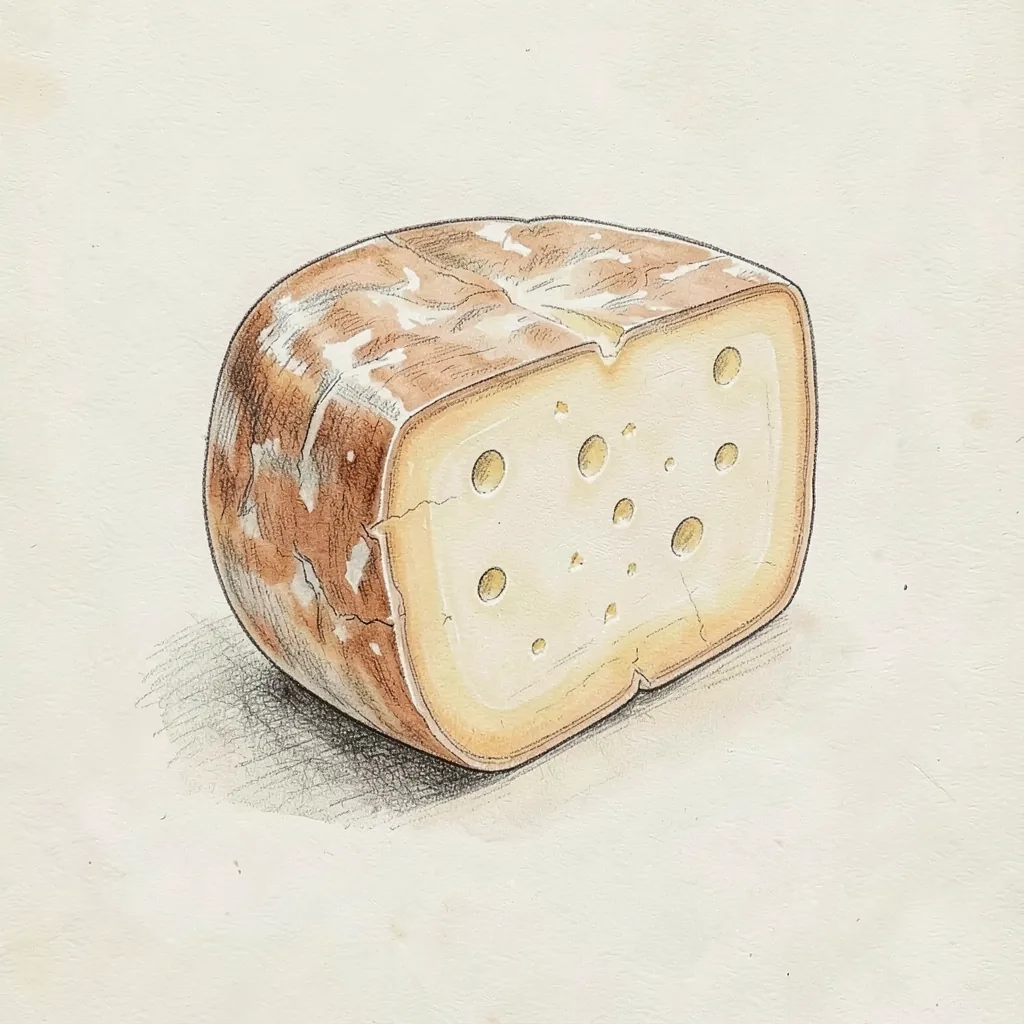
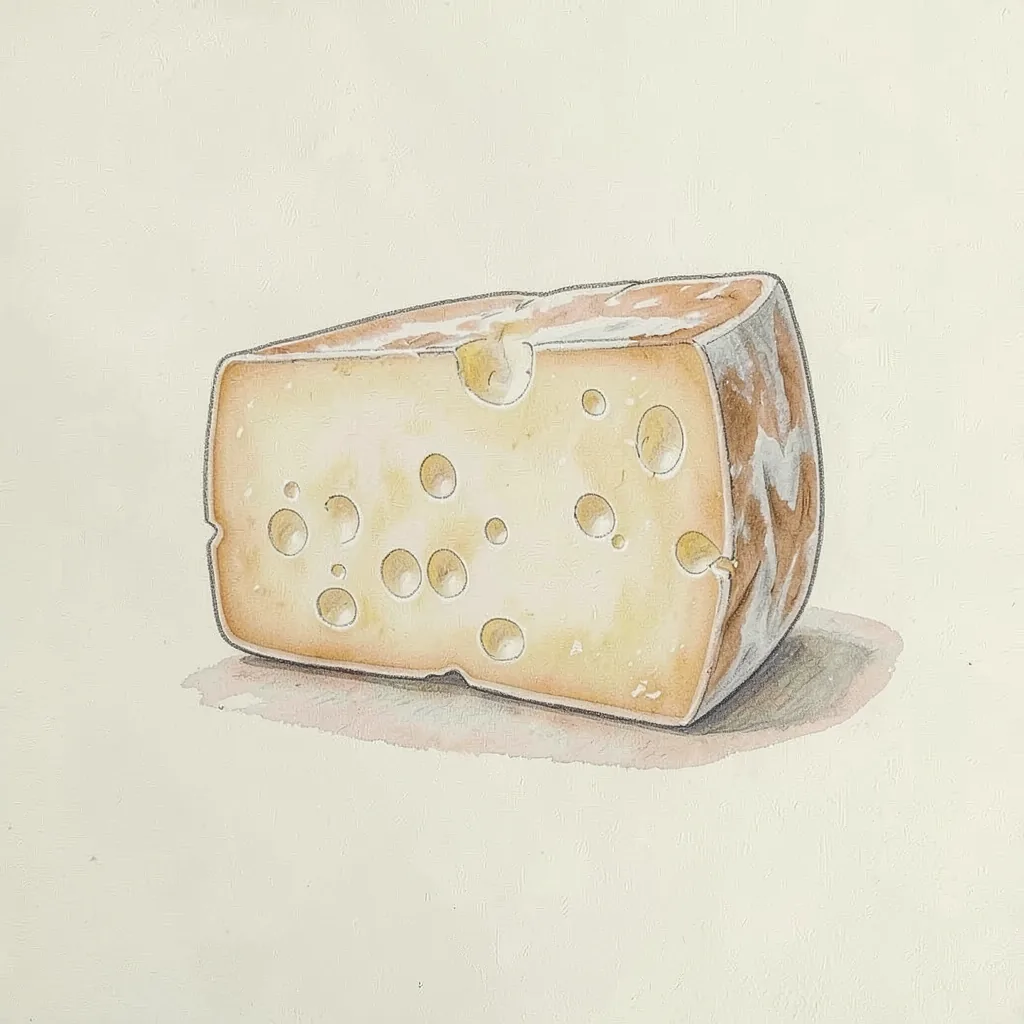
The paste is pale and grows a little deeper in color toward the rind. A cloth mark can show on the outside of the wheel, and the rind is brownish beige rather than bright orange. The flavor stays clean and mellow rather than sharply salty. Cooks grate it over pasta, melt it in a toasted sandwich, or set out slices. Longer aging makes the nut flavor clearer, while the sheep's milk base stays the same.
History
Allegretto is a Canadian sheep's milk cheese made for a specialty market rather than for a huge commodity trade. Producers press the curd and age the wheels until the flavor turns nutty and a little sweet. It was not copied from a medieval farm recipe tied to one old town. It sits with other Canadian cheeses that rely on careful aging instead of a fresh curd. Sheep's milk, not cow's milk, is the point of the style.
The washed or brushed rind and the firm paste put Allegretto with aged pressed cheeses, not with soft bloomy rounds. Makers in Canada kept the sheep character while aiming for a cheese that could be grated and also melted. That double use is why it shows up both on boards and in hot dishes. It is not a block sold in every supermarket. The sheep's milk and the pressed make are what set it apart from a mild everyday slice.
How it is made
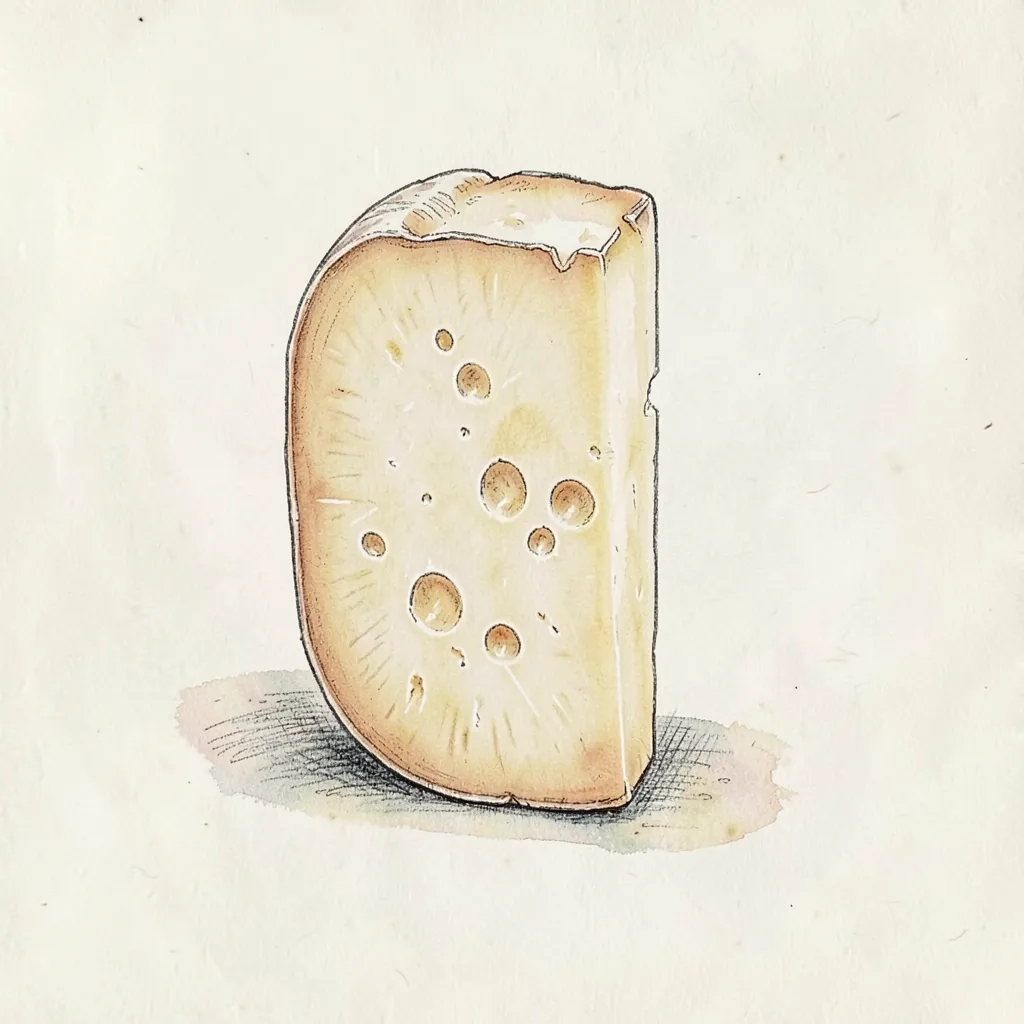
Makers thermalize the sheep's milk, a gentle heat short of full pasteurization, and then set the curd. The curd is pressed to drive off whey and to knit a firm, even paste. Wheels are salted and aged until the flavor is nutty and settled. During that time the rind is washed or brushed, so the surface stays tended rather than left fully wild. The interior stays closed and creamy, without large eyes.
Aging lasts long enough for a firm texture and a clear sheep flavor, and the paste stays creamier than a very dry grating cheese. The outside takes on a brownish beige tone, and a woven cloth mark can remain on the rind. The center stays paler than the edge. Nothing blue is introduced, and the cheese is not stretched in hot water. When it leaves the aging room, it is ready to slice, grate, or melt.
Taste
Allegretto tastes nutty, mellow, and lightly sweet, with a fruity note and a gentle tang. Sheep's milk gives a clean savory line without the fierce salt of a very hard pecorino. The smell is fresh rather than strong and animal. The paste is firm and creamy, and it does not crumble into dry dust. Near the rind the flavor can be a little deeper, while the center stays milder and sweeter.
Texture sits between a supple slice and a true grating cheese. A piece at room temperature feels smooth, not rubbery and not wet. Salt is present and balanced, so the sweetness can still show. That sweetness is mild, not like a caramelized whey cheese. If you expect a pungent washed rind, this one is quieter, with the nut and the fruit in front of any rind aroma.
In the kitchen
Grate Allegretto over hot pasta, where the nutty sheep flavor melts into the sauce. It also melts in a grilled sandwich on sturdy bread. Slices work on a board with bread, apples, and toasted nuts. The cheese can brown under a grill if you watch it, because the fat will separate if the heat is too hard. Use it where a firm sheep cheese should soften, not where you want only a dry powder.
For a sauce, add shreds away from a hard boil and stir until they melt smooth. Thick slabs can toughen or leak fat, so shred or slice thin when you cook. On a board, small pieces show the sweet nut flavor better than one huge chunk. It is not a spreading cheese, and it is not a brined cube for a chopped salad. Wrap the cut face so the paste does not dry and crack in the fridge.
Around the world
Allegretto is a Canadian cheese, and outside Canada it appears mainly in shops that seek sheep's milk from small dairies. It is not a standard item in a typical supermarket abroad. People who know only fresh sheep cheeses, or only very salty hard ones, may be surprised by the sweet nutty middle. The washed rind can make some buyers expect a pungent European wheel. A taste of the paste shows a milder, fruitier cheese than that expectation.
Pecorino Toscano is a fair substitute when you want sheep's milk that slices and grates without extreme salt. Ossau-Iraty can also fill the board and the grater, with a Basque sheep character instead of a Canadian one. Pecorino Romano is the mix-up to avoid, because it is much saltier and drier. Le Douanier is another Canadian cheese, but it is not this sheep's milk wheel. Check the milk and the firmness before you swap one for the other.