Cow
What it is
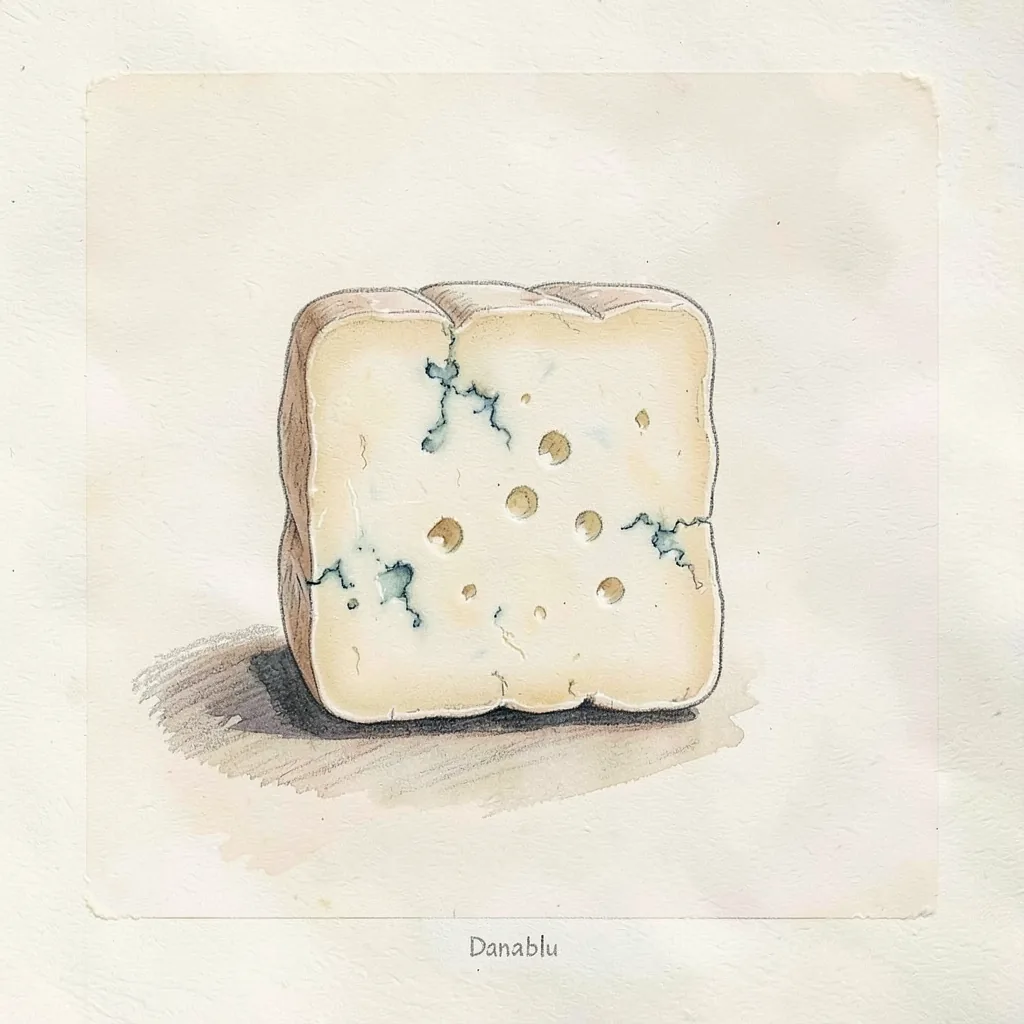
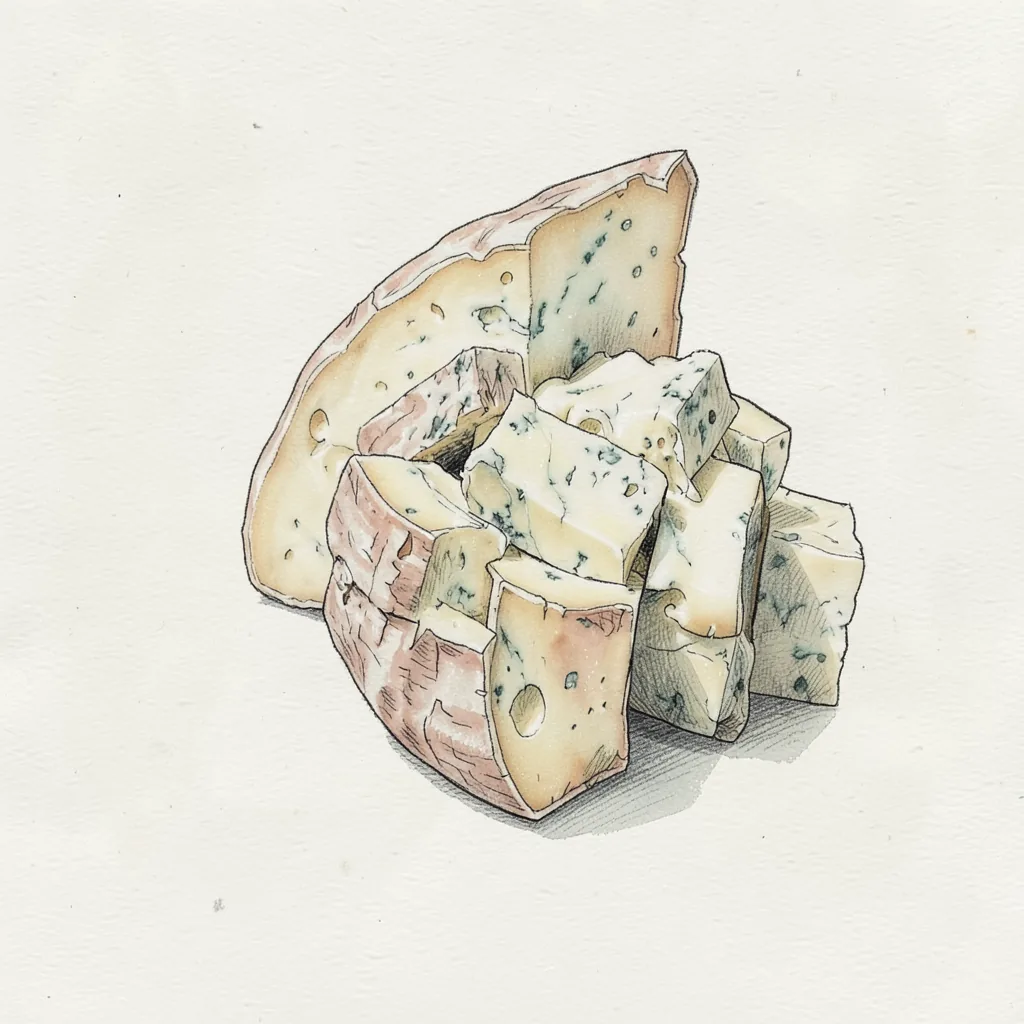
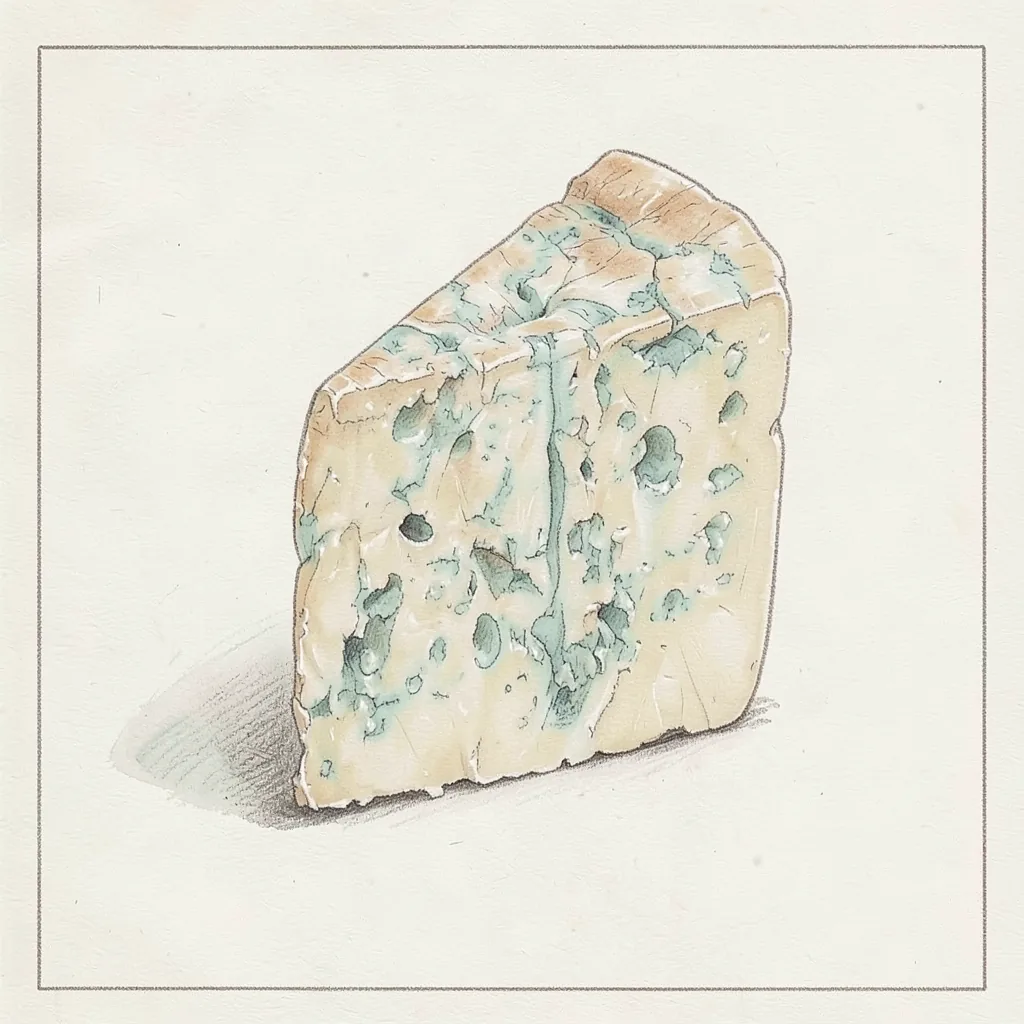
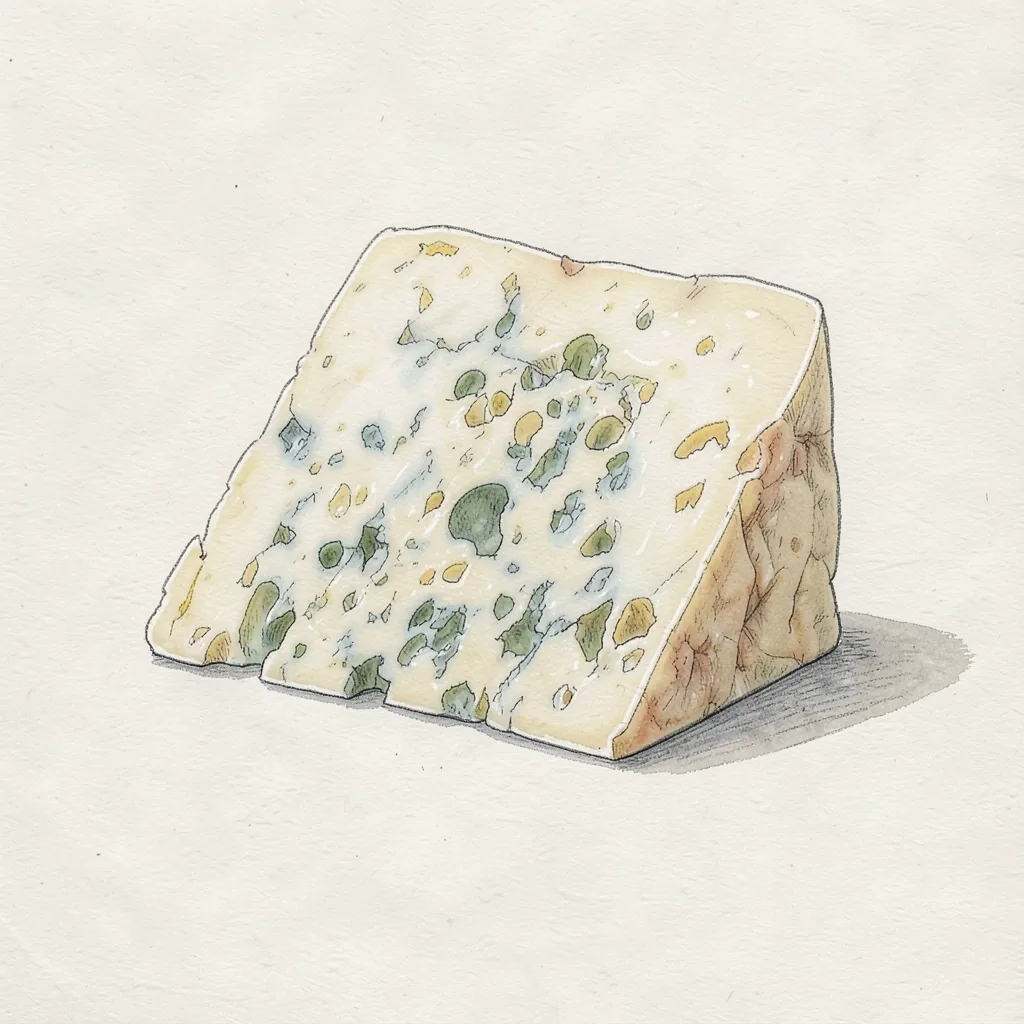
Blue-green veins run through a pale, creamy paste that is salty, sharp, and tangy. The usual cheese is strong but still spreadable, and a longer-aged version sold as Aura Gold is fuller and more assertive. The name comes from the Aura River, not from the town where it is made today. It is the best known blue cheese of Finland.
The texture sits between creamy and crumbly, so a piece can be spread or broken into a salad. There is often little rind on a retail wedge, because the cheese is cut and wrapped. The mold taste is clear, but the base is sweet cow's milk rather than the sharper sheep's milk of Roquefort. Salt is high, which is part of the style. A small amount flavors a whole dish.
History
Blue cheese was not an old farm staple in Finland in the way it was in parts of France or Italy. Aura was made as a Finnish blue, and the name comes from the Aura River. The cheese itself is produced in Äänekoski. Cow's milk and a blue mold, of the kind used in other blues, give it the veins and the sharp taste. A regular version and a longer-aged Aura Gold now share the name.
In North America the same cheese has been sold under the name Midnight Blue. That second name does not mean a different recipe. It is a market label for buyers who do not know Aura. At home in Finland the cheese is a normal grocery blue, not a rare farmhouse wheel. Choose Aura Gold when you want more bite, and use the regular cheese when a recipe simply says Aura.
How it is made
Pasteurized cow's milk is set with cultures and rennet, and a blue mold is added so veins can grow inside the wheels. The curd is drained, salted, and pierced, which lets air reach the mold. Those channels become the blue-green lines you see in a slice. The cheese is aged until the paste is creamy and the flavor is sharp. A longer aging pushes it toward the stronger Gold style.
Salt is part of the making, not only a finish on the plate. It steers the flavor toward the salty bite people expect from this blue. The wheels are kept in cool, controlled rooms rather than in a natural cave. After aging, the cheese is cut and wrapped for sale, which is why many pieces have no rind to speak of. The veins should look even, not like a single dark streak on one side.
Taste
The taste is salty, tangy, and sharply blue, with a buttery background from the cow's milk. It is less sweet than a young Gorgonzola and less sheepy than Roquefort. Aura Gold is the bolder of the two, with a longer finish and a firmer crumb. The regular cheese still has a clear mold bite, so it is not a mild blue. If you only like a very light blue flavor, start with a small piece.
On the tongue the paste can feel creamy and then crumbly in the same bite. Fat coats the salt, which keeps the cheese from tasting only of brine. The aroma is mushroomy and clean if the cheese is fresh, and ammoniated if it has been kept too long. A gray paste or a wet, weeping pack is a sign to skip it. At its best the flavor is direct, cool, and savory.
In the kitchen
Crumble Aura over a green salad, a baked potato, or warm beets. It melts into a sauce or a soup if you add it off the boil and stir, but it will not turn into a smooth fondue by itself. Finnish cooks use it in stuffed salmon and in cheese soups, where the salt seasons the dish. A little goes into butter for a steak or a burger. Taste the dish before you add more salt.
On a board, pair it with honey, pear, and rye bread so the sweetness balances the salt. It is strong enough that one wedge can serve several people. Do not cube it like a mild cheese for a large platter, or the plate will taste only of blue. Aura Gold wants even less in a recipe than the regular cheese. Wrap leftovers well, because the mold aroma moves to other foods.
Around the world
In Finland, Aura is easy to buy and easy to recognize. Abroad it is less common, though shops that import Nordic food sometimes carry it, occasionally under the Midnight Blue name. Danablu is the usual cow's milk substitute, and it is sharp in a similar way. Gorgonzola is milder and sweeter, with a softer cow's milk paste. Roquefort will work in a recipe that wants blue cheese, but the sheep's milk taste is different.
The cheese belongs to the international family of blues, and it does not need a special serving ritual. Use it where you would use another salty cow's milk blue. What is Finnish about it is the milk, the name, and the town of Äänekoski on the label. If a wedge is labeled Gold, expect a stronger, longer-aged cheese. If it only says Aura, expect the regular one.