Cow
What it is
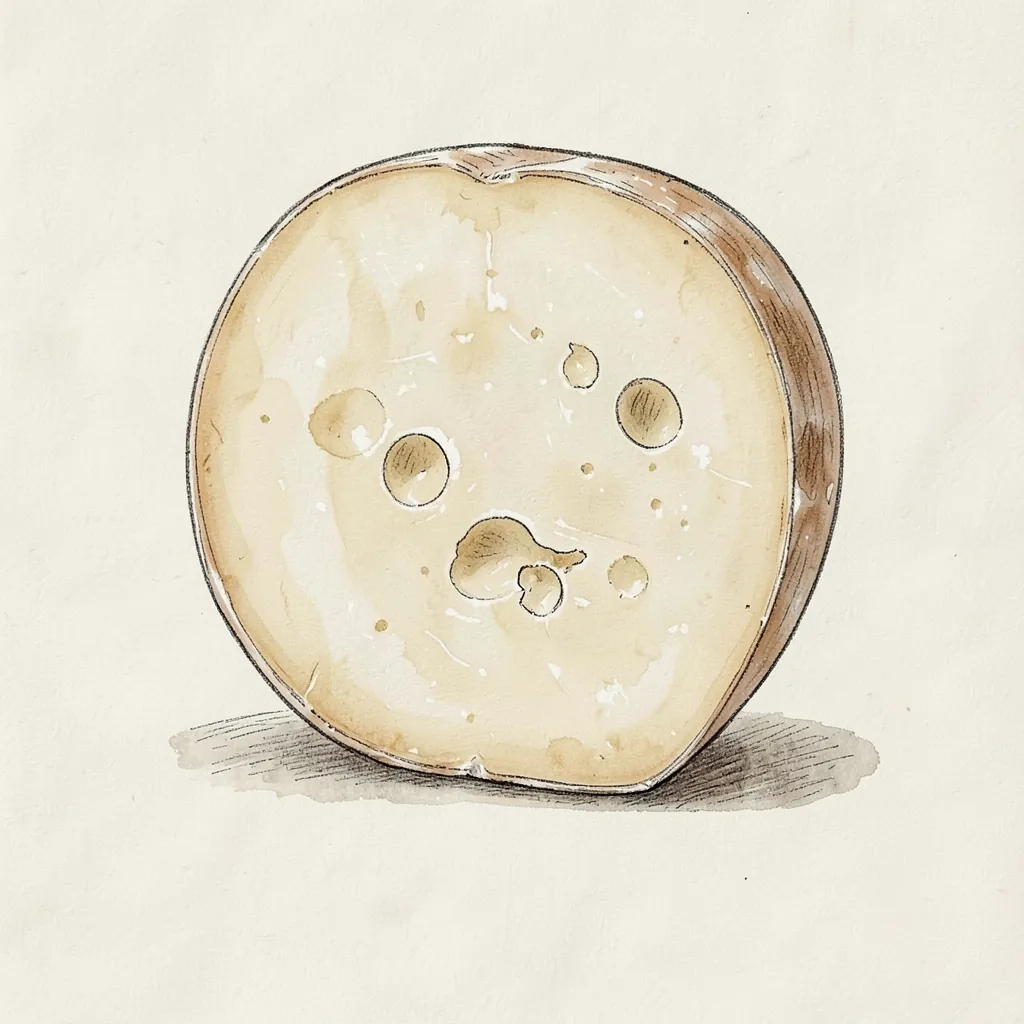
Makers use raw cow's milk, often partly skimmed, and they add saffron to the curd. That step turns the paste a deep straw yellow and gives the wheel its recognizable color. The wheels are large, with a firm body that breaks into flakes, and the rind is rubbed with linseed oil until it turns dark ochre. The name comes from Bagossi, the people of that mountain town.
Buyers use Bagòss at the table and on the grater. A younger wheel is savory and a little sweet, with hay and nut notes from pasture milk. A long-aged wheel is drier, stronger, and more piquant at the finish. Saffron stays in the aroma rather than tasting like a harsh spice on its own. The oiled rind is thick, so it is cut away before the cheese is served.
History
Bagòss belongs to the mountain dairies of Bagolino, in northern Lombardy. Herders made a hard cheese from cows kept on those pastures, and the cheese took the local name. Saffron in the curd and linseed oil on the rind set it apart from other alpine wheels nearby. The work happens in high huts in summer and in valley dairies in winter. Both seasons still point back to the same town and the same style of wheel.
For a long time the cheese was mainly a food of the valley, sold from the town and the mountain huts. Outside interest grew as buyers looked for raw-milk alpine cheeses with a clear place name. Bagòss stayed tied to Bagolino rather than to a wide industrial label. Summer pasture wheels and winter wheels can differ in aroma. Shoppers still look for the saffron tint and the dark oiled rind.
How it is made
Makers warm raw cow's milk, set it with rennet, and cut the curd fine. A small amount of saffron goes in while the curd is broken, and that step colors the paste. The curd is pressed into large round molds so the whey can leave. Salt is rubbed on the surface, and the young wheels are left to dry. Milk from local pasture and hay is the base, so the season shows up in the finished flavor.
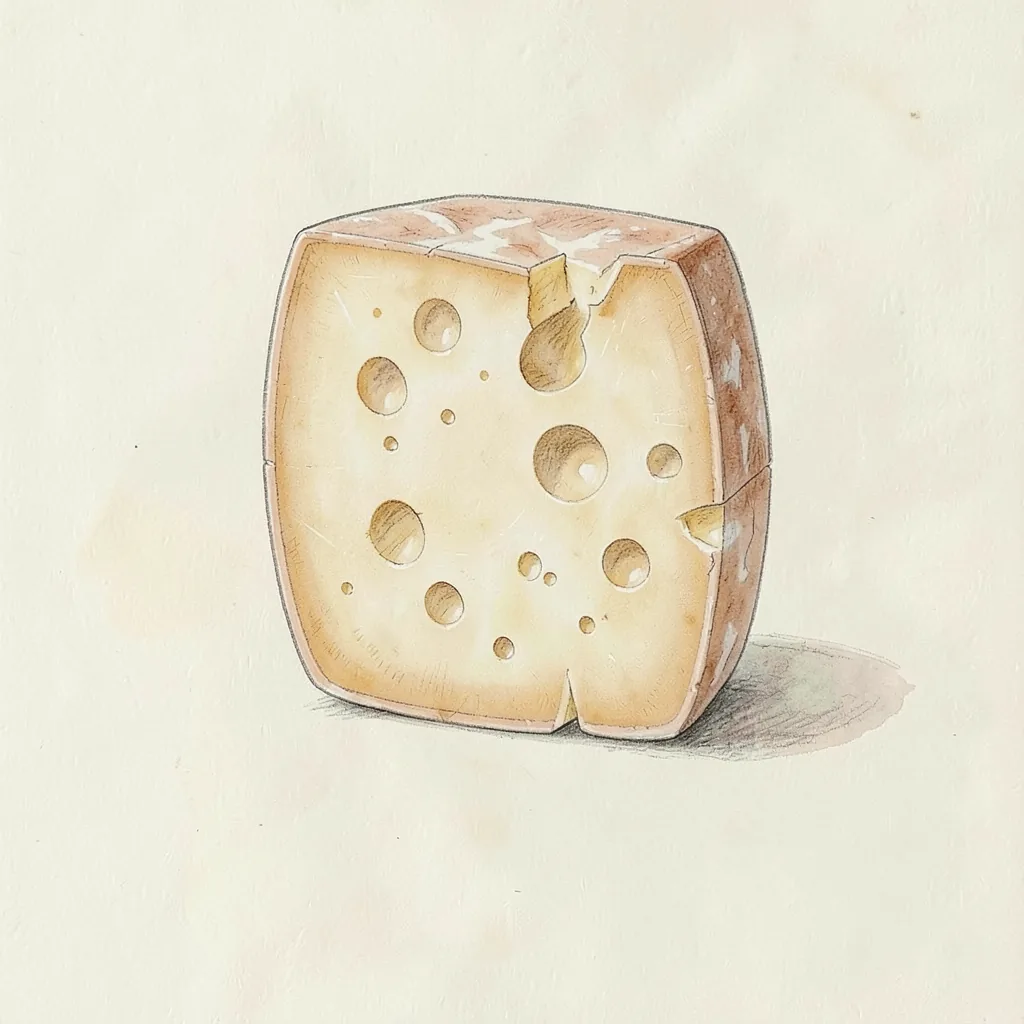
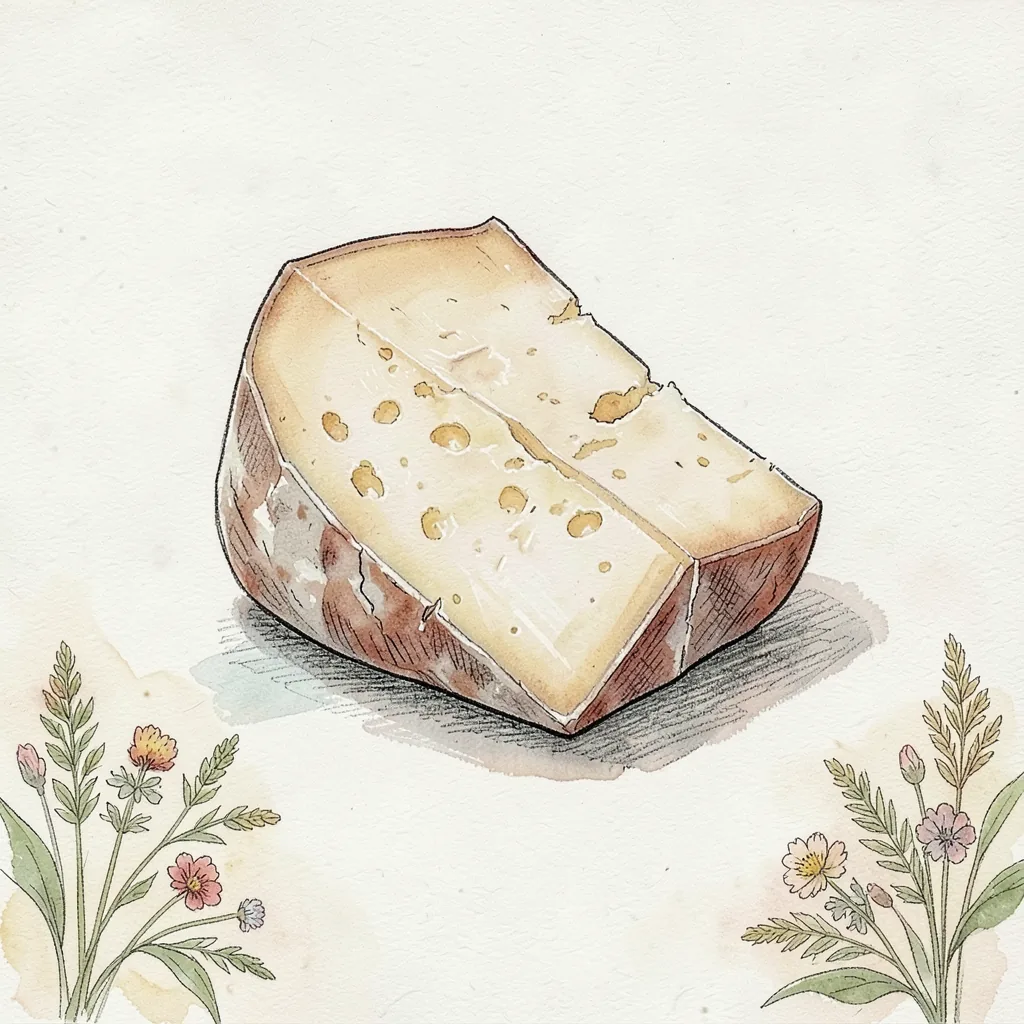
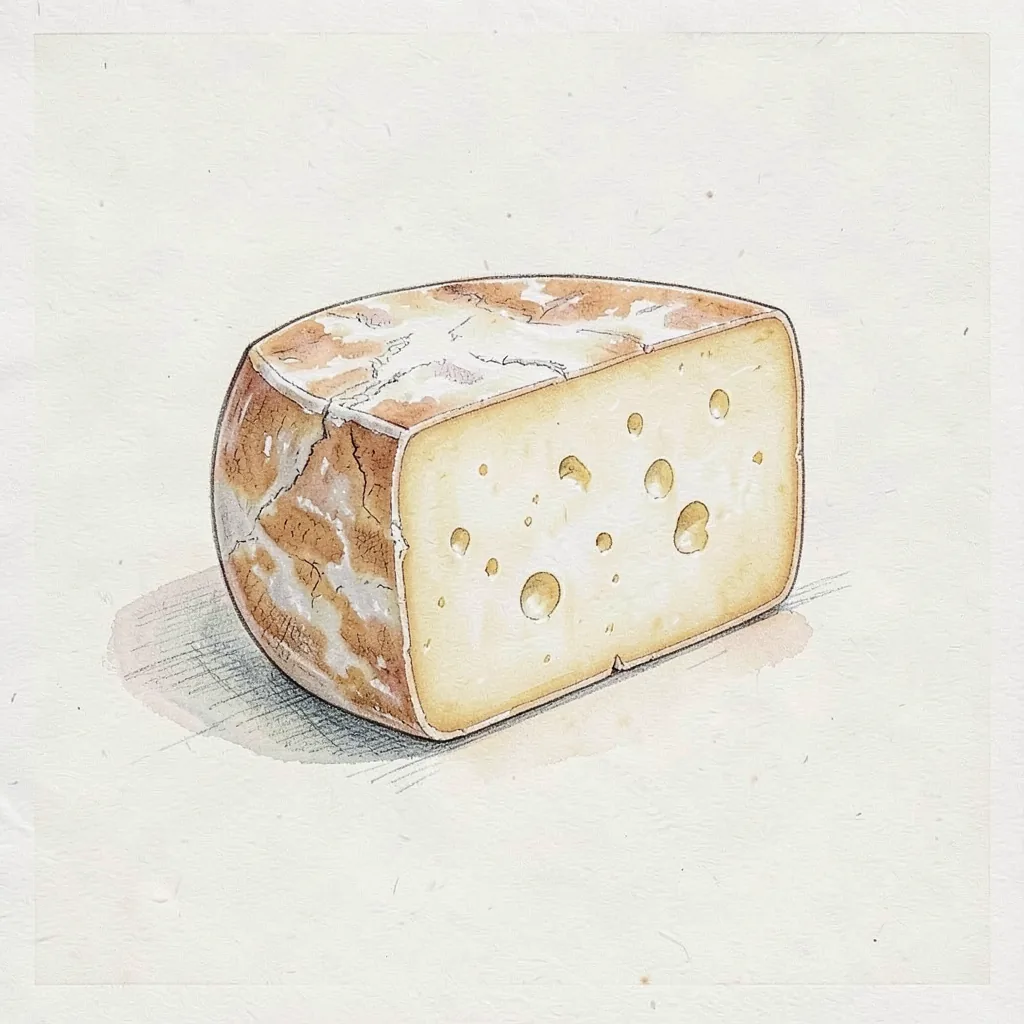
Aging is long, and the wheels rest until the paste is hard and flaky. During that time the rind is rubbed with raw linseed oil, which darkens it to ochre brown. Makers turn the wheels so the oil and the salt stay even across the surface. The paste may show a few small eyes, and it cracks into flakes when it is cut. The saffron color and the oiled rind are the two marks a buyer can see.
Taste
The paste is firm, granular, and straw yellow to deep gold. It breaks in flakes rather than bending, and a few small eyes may show in the cut. The smell is of hay, toasted nut, and a light animal note from the raw milk. Saffron gives a warm aroma without a bitter spice edge. Salt is present, but it does not hide the taste of the milk and the pasture.
A younger Bagòss tastes savory, slightly sweet, and full on the tongue. With more age the flavor turns drier, sharper, and lightly piquant at the finish. Walnut, chestnut, and dried fruit are common notes in a long-aged piece. The rind smells stronger than the paste because of the linseed oil, so people leave it aside. Texture changes with age, and both stages are still the same cheese.
In the kitchen
Thin slices of Bagòss belong on a board when the paste is not too dry. Older cheese is better grated over pasta, risotto, or a hot plate of polenta. The flakes melt into a hot dish if they go in late, and they do not turn the sauce greasy. Pears, walnuts, and firm bread sit well beside a wedge. A full red wine can stand up to the older and sharper wheels.
Cooks in Lombardy use it where a hard cheese must add salt and aroma, not only fat. It can take the place of a generic grating cheese in a bake, though the saffron color will show. Keep the thick rind out of the pot and off the grater. Cover the cut face, because the paste dries fast once the wheel is open. A small piece goes far after it is grated over a warm dish.
Around the world
Outside Italy, Bagòss is a specialist cheese in shops that carry aged alpine wheels. Buyers sometimes mix it up with other hard cheeses from Lombardy because the format looks similar. The saffron color and the oiled brown rind are the quick checks on a counter. It is not a mild block meant for everyday sandwiches. Importers usually sell wedges cut from large wheels rather than small truckles.
The cheese has no close twin abroad, though other hard Italian cheeses can fill in at the table. Cooks use it on polenta and in rich pasta in the same way they use a nutty grating cheese. It travels well after aging, because the paste is dry and the rind is sealed with oil. Demand stays modest, and knowledge of the town still matters. A label that does not point to Lombardy is a different cheese.