Cow
What it is
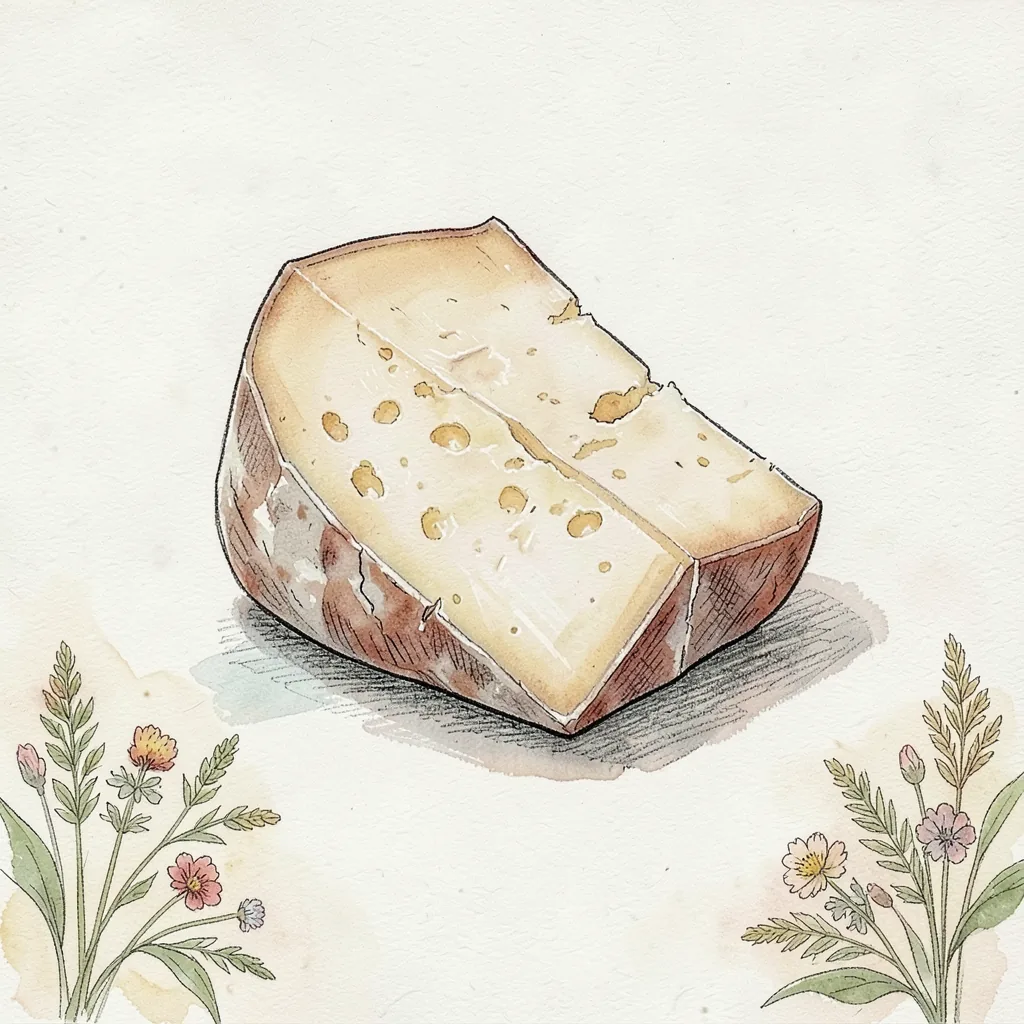
Makers start with raw milk and skim off part of the cream, so the paste is firm rather than rich. The wheels carry a hard rind that turns from straw yellow toward brown. The name refers to the local room where cheese is left to mature. It is a mountain cheese meant to keep, not a fresh curd.
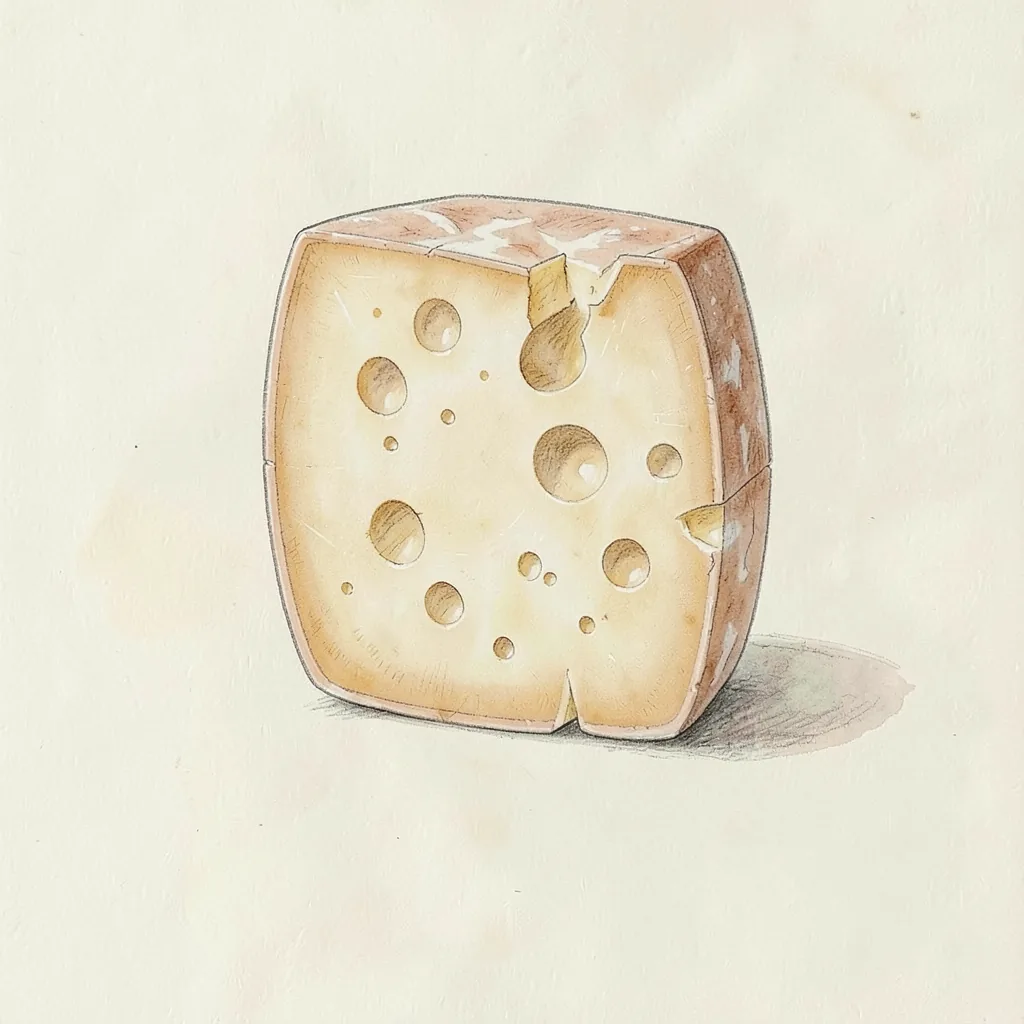
A younger wheel tastes sweeter and feels a little more yielding under the knife. A long aged wheel turns drier, more savory, and lightly piquant, and it grates cleanly over warm food. Both stages are Silter, and they do not play the same role in the kitchen. The partly skimmed milk gives a firm, slightly crumbly body with small eyes. Color runs from white to deep yellow as the cheese ages and the feed changes.
History
Silter grew up in the mountain dairies of Lombardy, where herds took high pasture in the warm season and hay in the cold. Farmers skimmed the milk so the cream could become butter, then made cheese from what remained. A long rest in the silter, the local maturing room, let the wheels keep through the year. The cheese was everyday food in those valleys, not a rare feast piece. A hard paste and a dry rind suited a store that had to last.
The method stayed with small dairies and alpine farms rather than with one famous house. Makers still use raw cow's milk from local herds, and they still skim part of the cream before the vat. The name never left the maturing room that gave the cheese its identity. Wheels from summer pasture can taste more of herbs, while winter wheels taste more of hay. That split is a matter of feed, not of a different recipe.
How it is made
Makers warm partly skimmed raw cow's milk and set it with calf rennet. They cut the curd very small, cook it, and let it rest in the whey before it goes into moulds. The curd is pressed, so the wheels close and drain. Salt goes on dry or in brine, and a mark is pressed into the side of the young wheel. That mark lets a buyer read the origin later, after the rind has darkened.
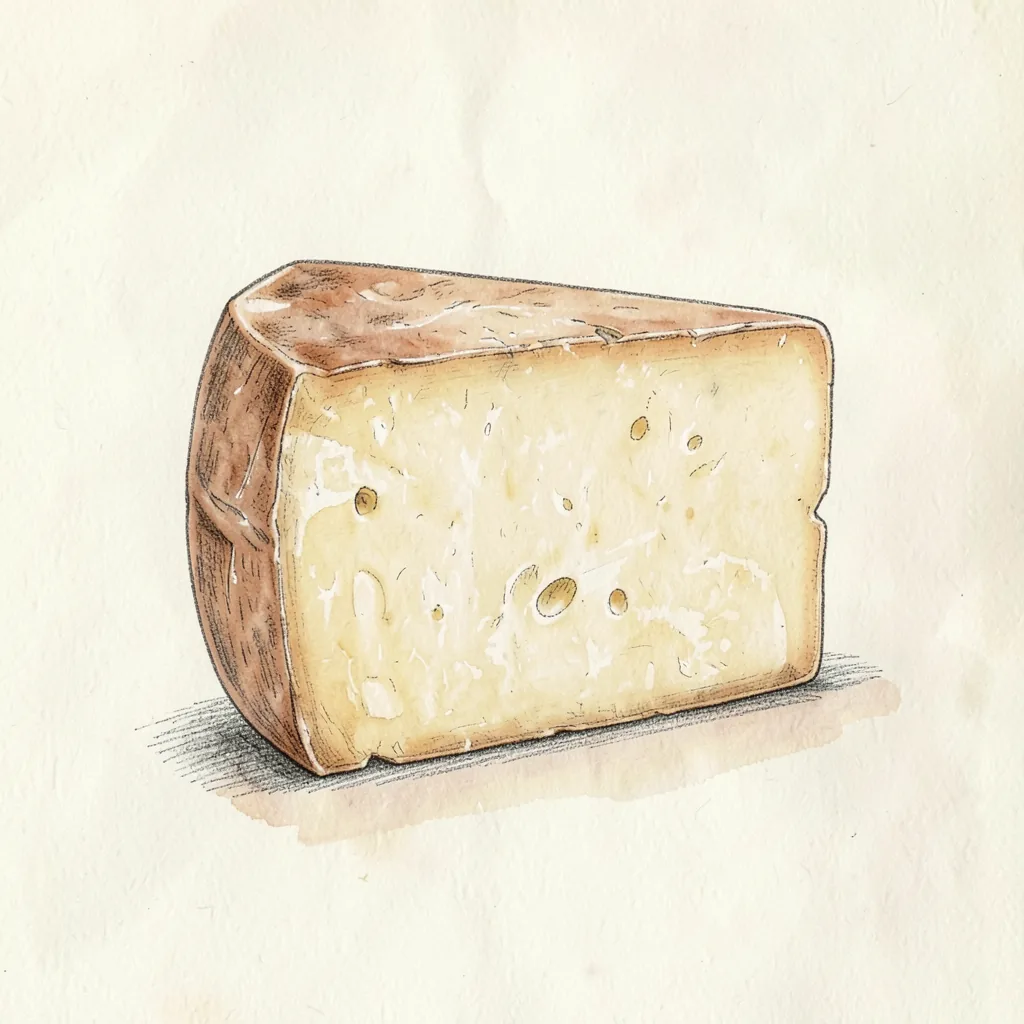
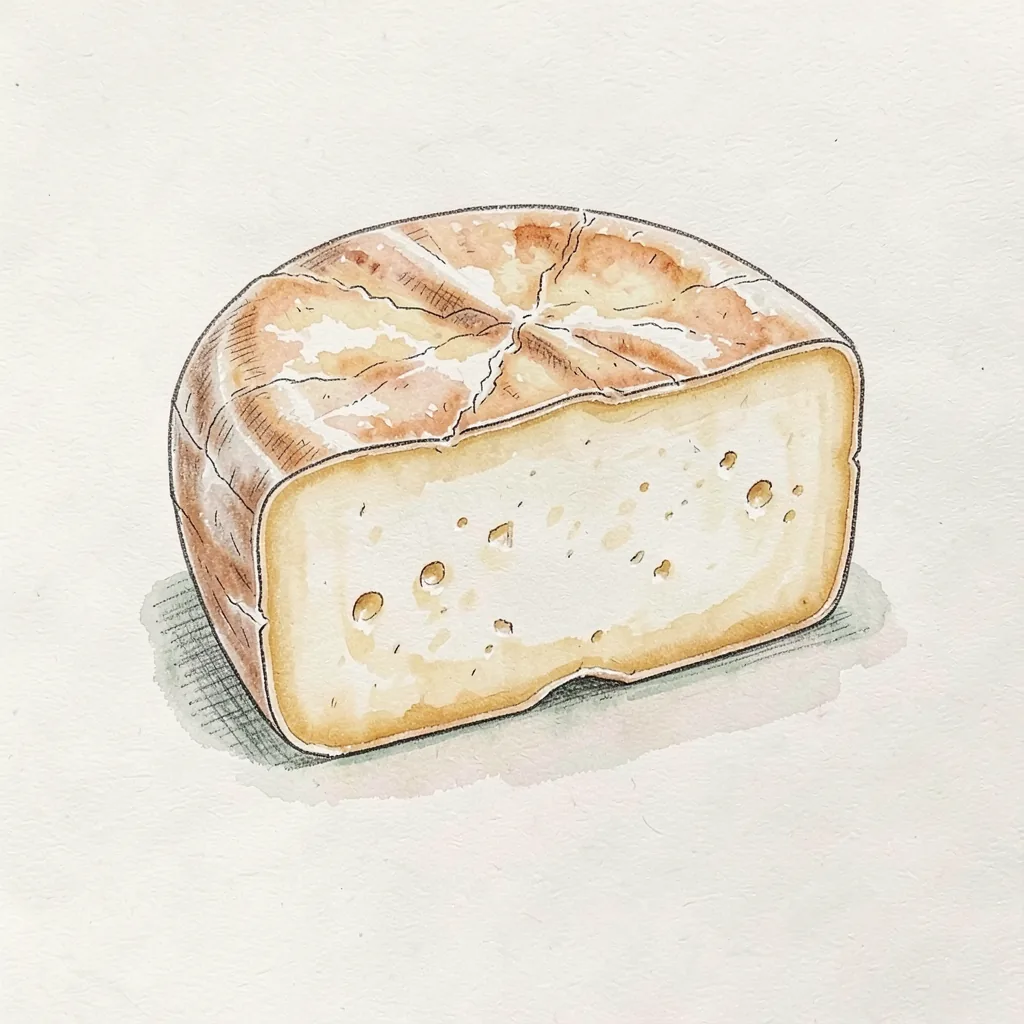
Aging is long, and the wheels rest on wooden shelves in a cool room or a mountain store. Makers turn them and may rub the rind with oil, which darkens the surface from straw yellow toward brown. The paste stays firm and a little crumbly, with scattered small eyes. It is not a springy cheese, and it does not want a short rest. Only after that long keeping is a wheel ready to leave the store.
Taste
Young Silter is mostly sweet, with a mild milky taste and a faint bitter edge. The smell suggests butter, dried fruit, and the hay or pasture that fed the cows. A light chestnut note can appear, along with the clean scent of the maturing room. Salt is present but not fierce, and the finish is long for a mountain cheese. It stays savory rather than sharp, even when the aroma feels full.
Very mature wheels grow a gentle heat and a fuller aroma, while the sweet base remains. The paste is pale at the start and deepens to gold with age and with rich summer feed. It breaks rather than bends, and the eyes stay small. The rind is hard, and most people leave it on the board. Someone who expects a creamy Alpine melt will find Silter drier and better for a knife or a grater.
In the kitchen
Serve a younger Silter in thin slices on a board with bread, nuts, and a firm pear. It also shaves over warm polenta or a simple plate of vegetables. An older wheel grates over pasta, risotto, or soup, where the savory edge does the work. Heat does not turn it into a smooth pool of melted cheese. Use it where you want flavor more than stretch, and keep the pieces small once it is fully mature.
Keep the cut face wrapped, because the paste dries and cracks in open air. Bring a slice out of the fridge before a tasting so the dried fruit aroma can show. Pair it with mountain cured meat if you have it, or with plain bread if you do not. It is too firm for a spread and too dry for a grill. A little goes far on a hot dish, so taste before you add more.
Around the world
Silter is still a Lombardy cheese, and most of it is eaten in Italy. Specialist shops abroad sometimes keep a wedge beside other Alpine wheels. It is not a standard supermarket cheese far from its region. The hard format travels better than a soft cheese, so a carefully kept piece can cross a border. Travelers meet it more easily among the mountain valleys of Lombardy than in a distant city shop.
Cooks abroad use it as they use other firm mountain cheeses, grated or set on a board. Bagoss is the near neighbor in style, another hard cow's milk cheese from Lombardy. Asiago or a young Grana Padano can stand in when a recipe only needs a savory grate. Neither copies the aroma of the silter room. If a label is unclear, look for a hard, slightly crumbly paste and a brownish oiled rind.