What it is
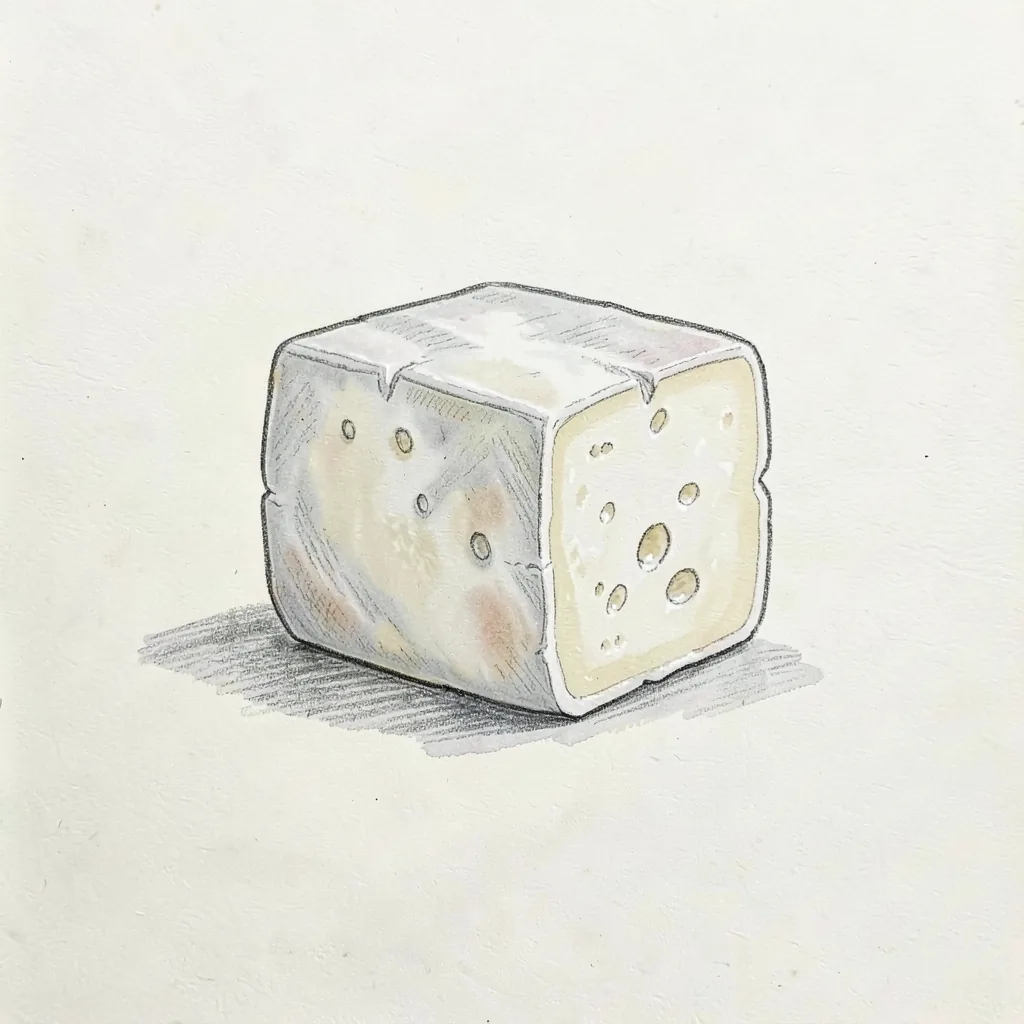
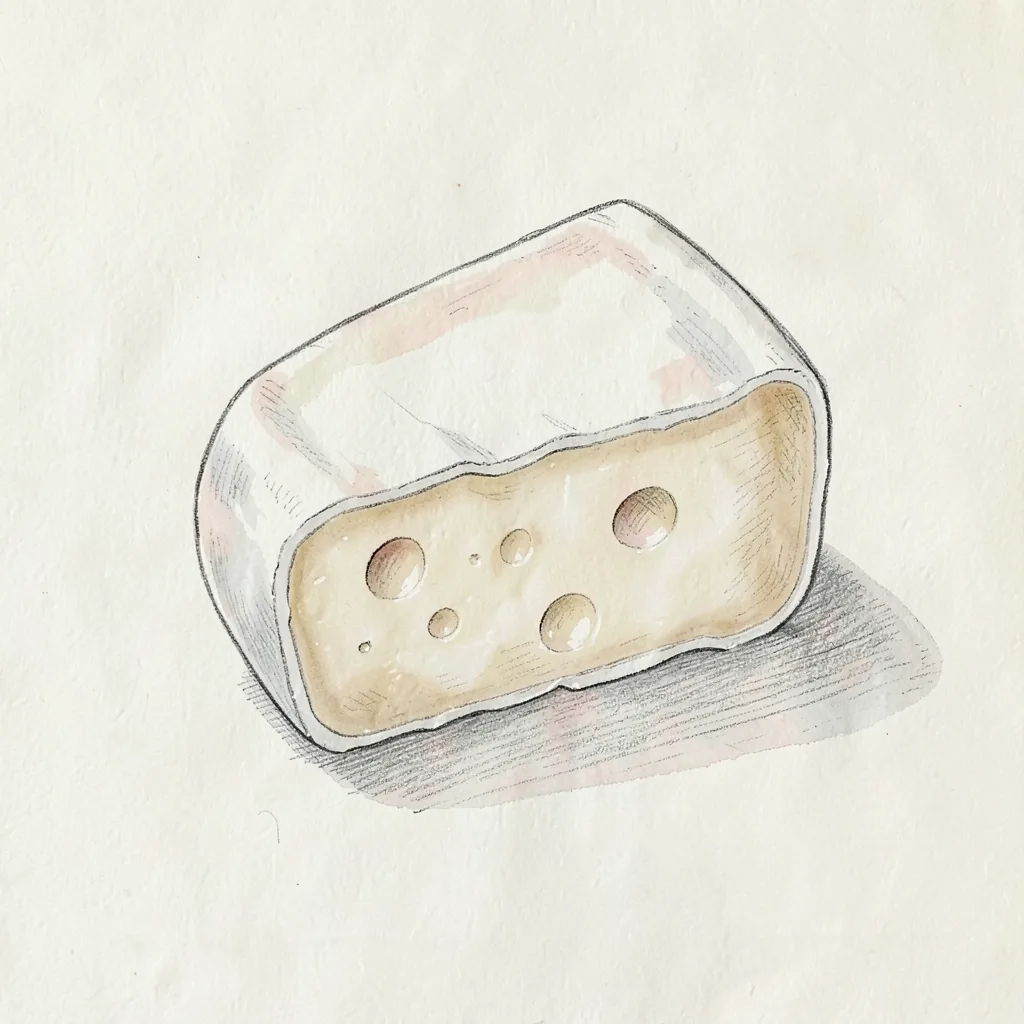
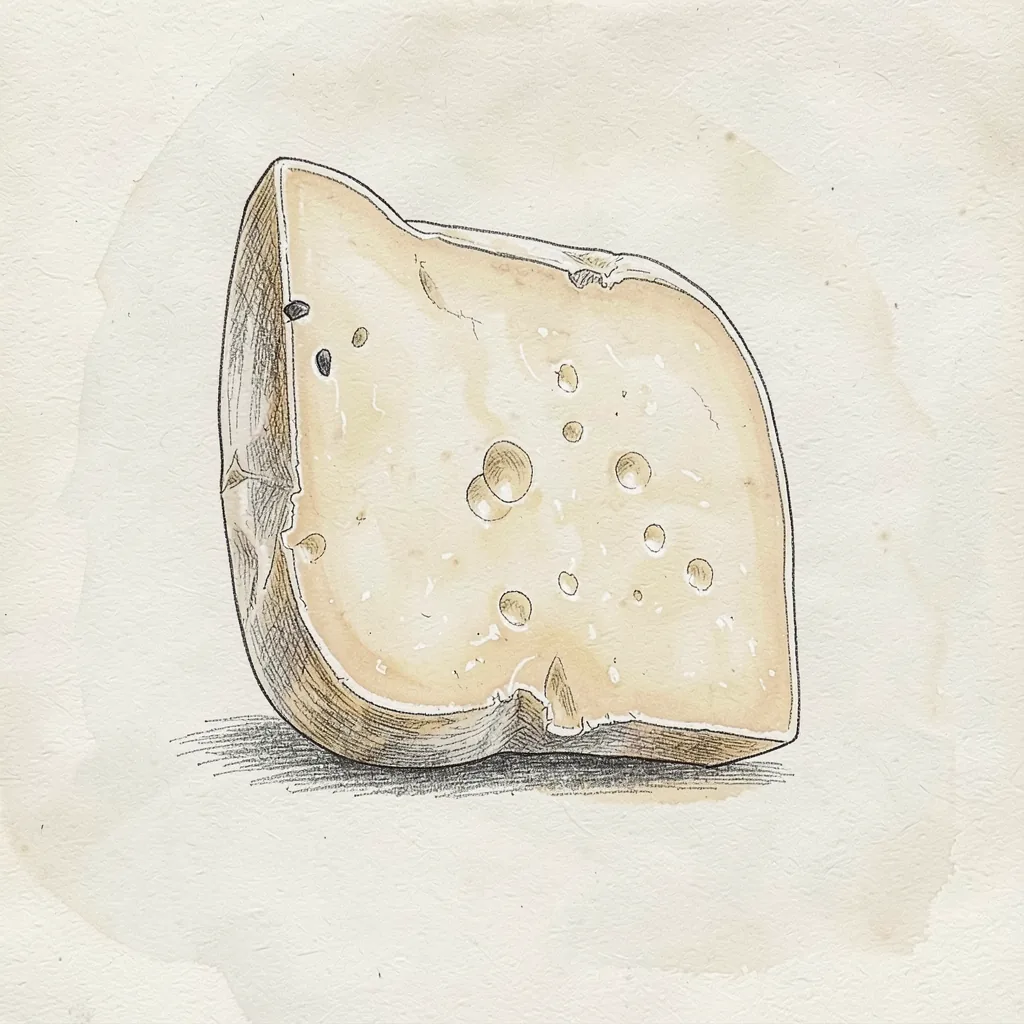
The name means village or country style, and local speech also calls the fresh piece green cheese. That second name refers to an unripened cheese, not to a green color. The paste is soft, rindless, and mildly salty, with a creamy bite and a clean dairy taste. Marks from the draining basket or hoop often show on the surface.
It is meant to be eaten soon, not stored through a long aging. The texture is tender and can be slightly grainy if the curd was drained firmly. There is no rind to cut away and no strong fermented smell. People eat it with bread, oil, and herbs more often than they melt it. Because recipes and herds differ, one batch can be a little saltier or richer than the next.
History
Baladi grew up as a mountain cheese in Lebanon, where fresh milk had to become food quickly. The word itself simply marks a local product, as opposed to a cheese brought in from elsewhere. Shepherds and small makers shaped it by hand and sold it fresh in nearby markets. It did not depend on a long cellar rest or a washed rind. The same broad name is used for fresh white cheese in other parts of the Middle East, so the Lebanese piece is the one tied to this country.
Households treated it as daily food rather than as a cheese for a distant trade. A basket or hoop was enough equipment to drain the curd and give the surface a light pattern. Salt kept it pleasant for a short time, and a brief brine was common. Nothing in the method asked for a famous cellar or a single maker's mark. The cheese stayed a village staple, and that plain role is still the point of the name.
How it is made
Fresh milk is curdled, and the curds are drained in a basket or a hoop. That mold leaves a light pattern on the outside and helps the whey leave. Salt is mixed in or the cheese takes a short turn in brine before it is sold. There is no aging step and no rind to grow. The paste stays soft, moist, and white, and the flavor depends on the milk of that batch and on how much salt the maker uses.
Some pieces are formed into small rounds, and others are larger slabs with the same tender body. A firmer drain gives a denser bite, while a gentler drain stays creamier and more spreadable. Cultures are not the center of the method the way they are for a long-aged cheese. The work is finished once the curd holds together and the salt tastes right. After that, the cheese should be kept cold and eaten while it is still fresh.
Taste
Baladi tastes mild, milky, and lightly salted, with a soft richness rather than a sharp finish. The aroma is fresh and clean, closer to new curd than to a washed rind. A cold piece is quiet. At room temperature the dairy sweetness shows a little more, still without the bite of an aged cheese. Bitterness, a strong barn smell, or a dry rim means the piece is past its best.
Salt should season the cheese, not dominate it. If a batch spent longer in brine, rinse or soak a piece briefly in fresh water before you serve it. The texture can range from smooth to slightly crumbly, and both are acceptable in this style. There is no spicy finish and no eye formation to look for. Judge it as a fresh cheese: moist, white, and mild.
In the kitchen
Eat Baladi with flatbread, olive oil, tomato, cucumber, and herbs. It belongs on a breakfast plate or broken into a salad where a mild salty cheese is wanted. It softens when warmed, but it is not a stretching melting cheese, so do not expect it to pull. Crumble it over cooked greens or fold it into a simple savory filling. Use a light hand with extra salt, and add lemon or mint if you want a brighter plate.
Keep the cheese cold until you are ready to eat, then let it lose the chill so the mild flavor shows. Oil and fresh herbs do more for it than heavy sauces. It can sit beside olives and vegetables without cooking at all. If you add it to a hot dish, do that at the end so it softens instead of turning tough and dry. Finish an open piece soon, because this style is not meant to wait.
Around the world
Lebanese grocers and broader Middle Eastern shops are the usual place to find Baladi outside Lebanon. The label may say baladi, jibneh baladi, or green cheese, and the piece should look white and soft, not yellow and firm. Ask for the fresh cheese if the counter holds several white cheeses in brine. A very salty block may be a different style that only shares the region. Taste a crumb before you dress a whole salad with it.
Akkawi is the common mix-up. It is also a white Levantine cheese, but it is often saltier and firmer from time in brine. Nabulsi is firmer still, and it is boiled in brine, so it holds together in a way Baladi does not. Halloumi can be grilled, while Baladi is too soft and fresh for that role. Jibneh Arabieh can stand in for a mild fresh bite, but none of those names is a second label for the same Lebanese village cheese.