Cow
What it is
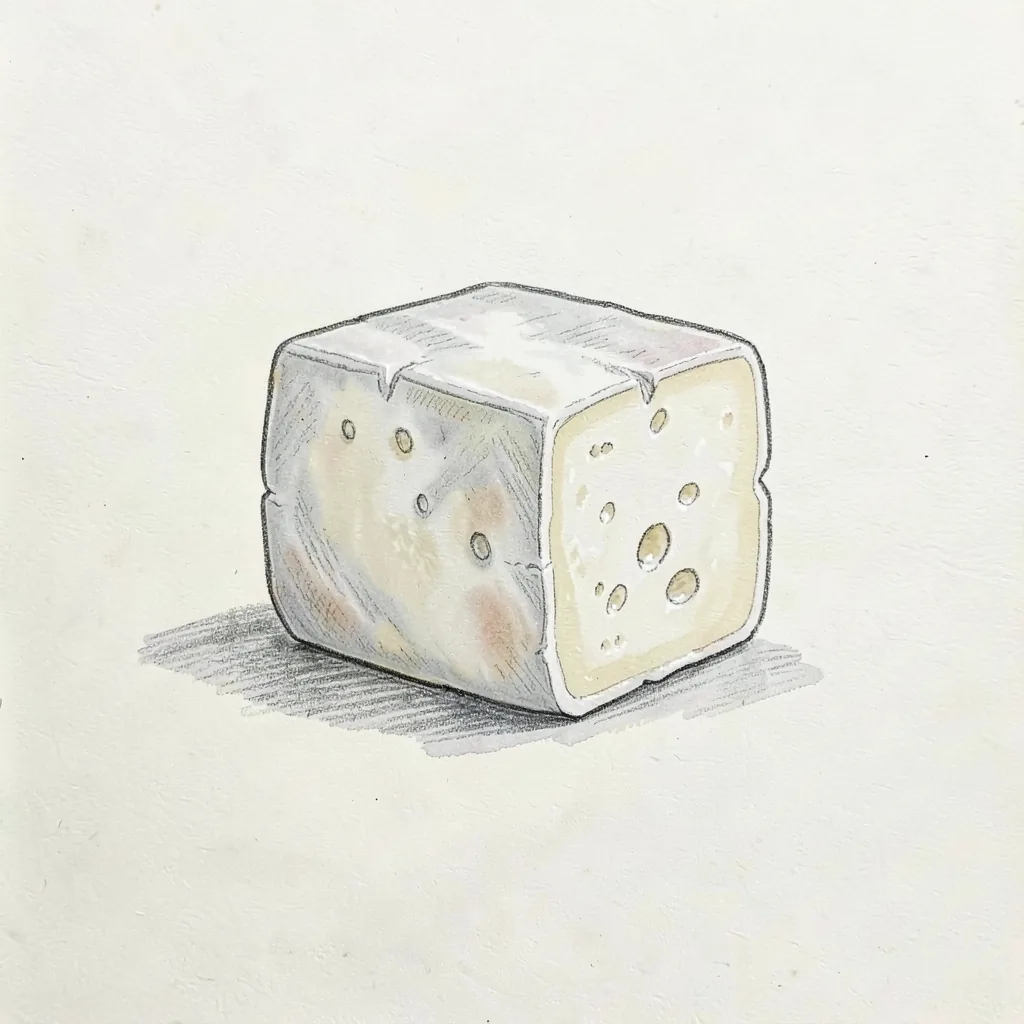
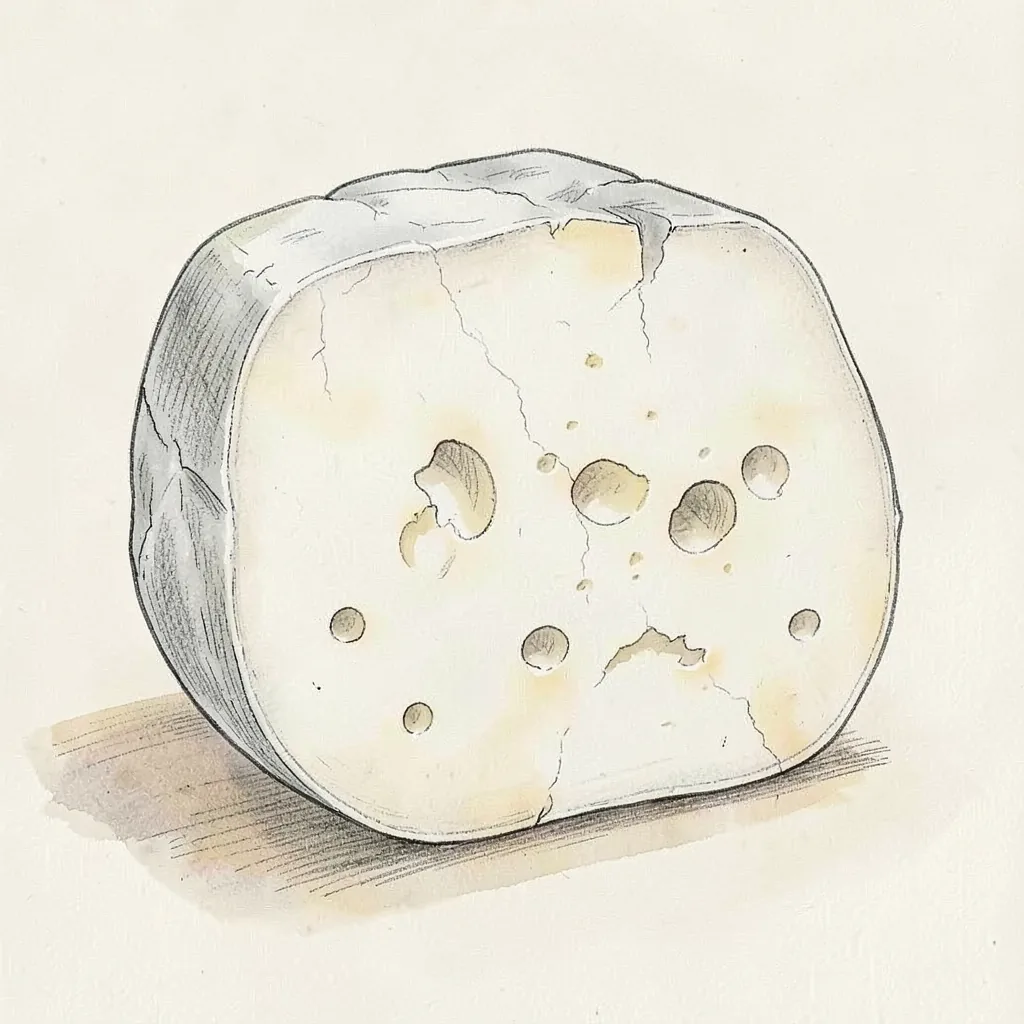
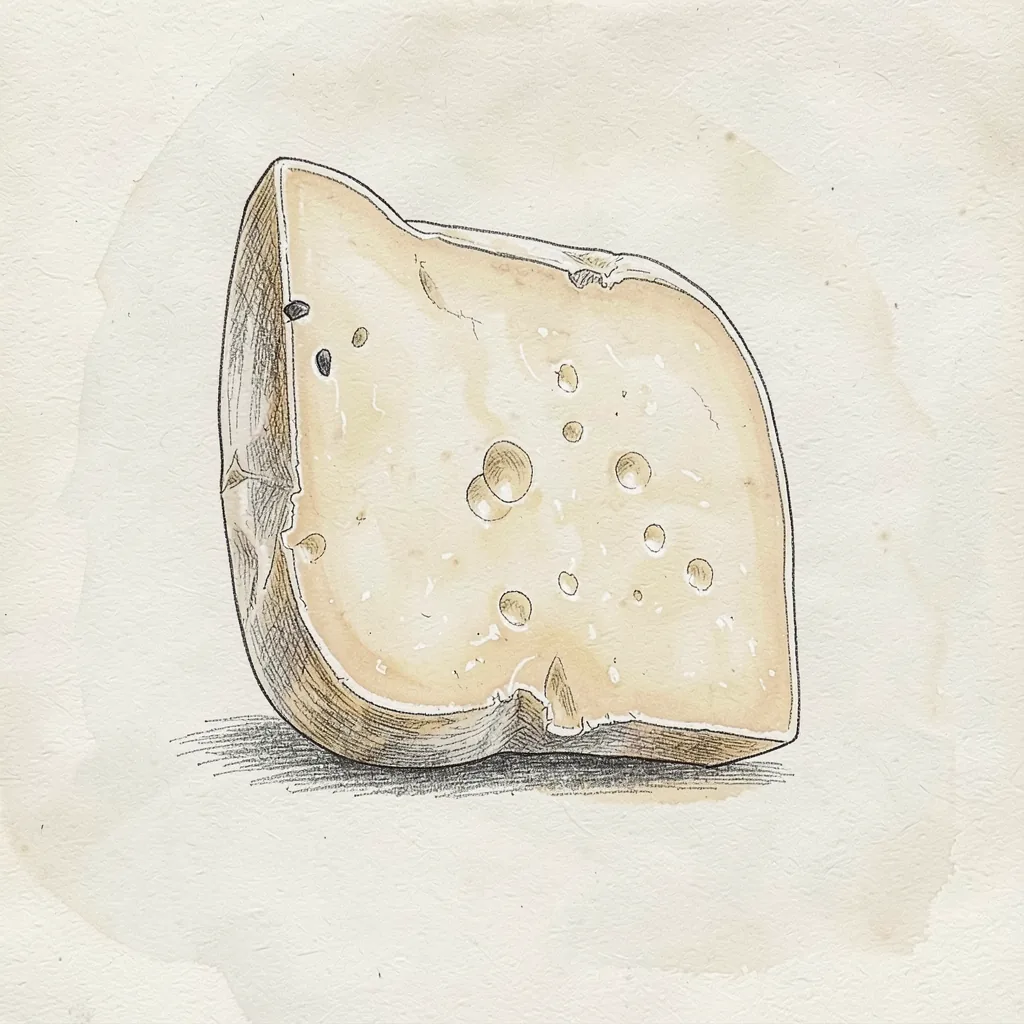
The name means Arabic cheese, and in shops it is the plain everyday white cheese rather than a spiced specialty. The paste is semi soft, with an open supple texture and no rind. Salt is present but gentle. People slice it for breakfast, tuck it into bread, and cook with it when they want a mild melt.
The flavor is milky and clean, closer to a young table cheese than to a sharp crumbly one. It holds a slice, yet it can soften and melt when heated. That range of uses is why it shows up at home meals and in bakeries. It is sold in ordinary markets, in blocks or sealed packs, and it is a normal food, not a rare or risky one. Different batches are salted a little differently, but the mild white character stays the point.
History
White cheeses of this kind have a long place in Levantine meals and in cooking across the Arabian Peninsula. A mild slice was daily food with bread, olives, and vegetables. The Arabic name is plain on purpose. Jibneh means cheese, and Arabieh marks the common Arabic style rather than a cheese from one monastery or one brand. Fresh white cheeses were made in pastoral households long before modern dairies packed them for shops.
As dairies grew, the same mild white cheese became a packaged grocery item in the region and in Levantine shops abroad. Recipes still differ from place to place. Some batches are a little firmer, some are saltier, and some spend a short time in brine, while others are only salted in the curd. None of those shifts makes a hard grating cheese. The shared idea is a fresh, open textured white cheese for the table, not one factory recipe.
How it is made
Makers warm the milk, add cultures and rennet, and let a curd set. They cut the curd and drain the whey until the mass is supple but not dry. Salt goes in by mixing, by a short brine, or by both. The curd is then shaped into blocks. Some makers press lightly so the cheese slices cleanly, and others leave a looser, more open grain, because a moist white cheese is the aim.
There is no bloomy coat, no blue piercing, and no wax on the finished block. It is kept cool and eaten while the character is still fresh. A few producers rework the curd for a springier bite, and others leave it simply drained. Herbs or spices show up in some regional white cheeses, but the plain Arabieh style is usually unflavored. The cheese you want is white, lightly salted, and ready to cut, with a moist face rather than a dry yellowed edge.
Taste
Jibneh Arabieh tastes mild, milky, and lightly salty, with a clean dairy finish. There is little sharpness and no bitter rind to cut away. The open texture feels soft between the teeth but still holds together in a slice. A fresher piece is sweeter and more delicate. A saltier batch comes closer to other white cheeses kept in brine, yet it should not sting the tongue, and the smell should stay fresh.
Heat changes the impression in a useful way, and a warm piece turns softer and a bit richer. Cold, it is snappier and more refreshing on bread, with the salt seeming brighter. It does not grow crystals, blue veins, or a nutty aged flavor. If it tastes sharply sour or yeasty, it is no longer at its best. Olive oil, za'atar, or cucumber on the side frames the mildness, and the cheese itself stays quiet.
In the kitchen
Serve slices at breakfast with flatbread, olives, tomato, and cucumber, which is a usual plate in the Levant. The cheese can go into savory pastries, where it softens and melts. Cubes suit a salad if you want something milder than a very salty white cheese. A firm piece can brown in a pan, though it will not stay as rigid as halloumi on a grill. Use it wherever a mild, sliceable white cheese is the right mild note.
For cooking, cut even pieces so they soften at the same pace. The cheese can fill a sandwich or top a flatbread with a short bake. Do not expect a hard grate or a long aged punch from it. A drizzle of olive oil and a pinch of dried herbs is enough for a snack with bread. Keep the block cold and closed, because the moist paste picks up other smells and dries at the cut edges.
Around the world
Jibneh Arabieh is familiar across the Levant and the Arabian Peninsula, and it also appears in Middle Eastern groceries elsewhere. Labels may spell the name in several ways, or they may simply say Arabic cheese or white cheese. That plain wording causes mix-ups with other salty white cheeses in the same case. The mild taste and the open semi soft slice are the clues to look for. It is ordinary food in its home markets, sold for daily meals rather than as a showpiece wheel.
Akkawi is easy to confuse with it, and it is a good substitute when you need a mild white cheese that softens with heat. Nabulsi is usually saltier and firmer, and it is often flavored, so it will not taste the same in a pastry. Halloumi keeps its shape on a hot pan, while this cheese is softer and more yielding. Feta is brinier and more crumbly. If the shop has only a mild white block, choose the least salty one before you salt the dish.