Cow
What it is
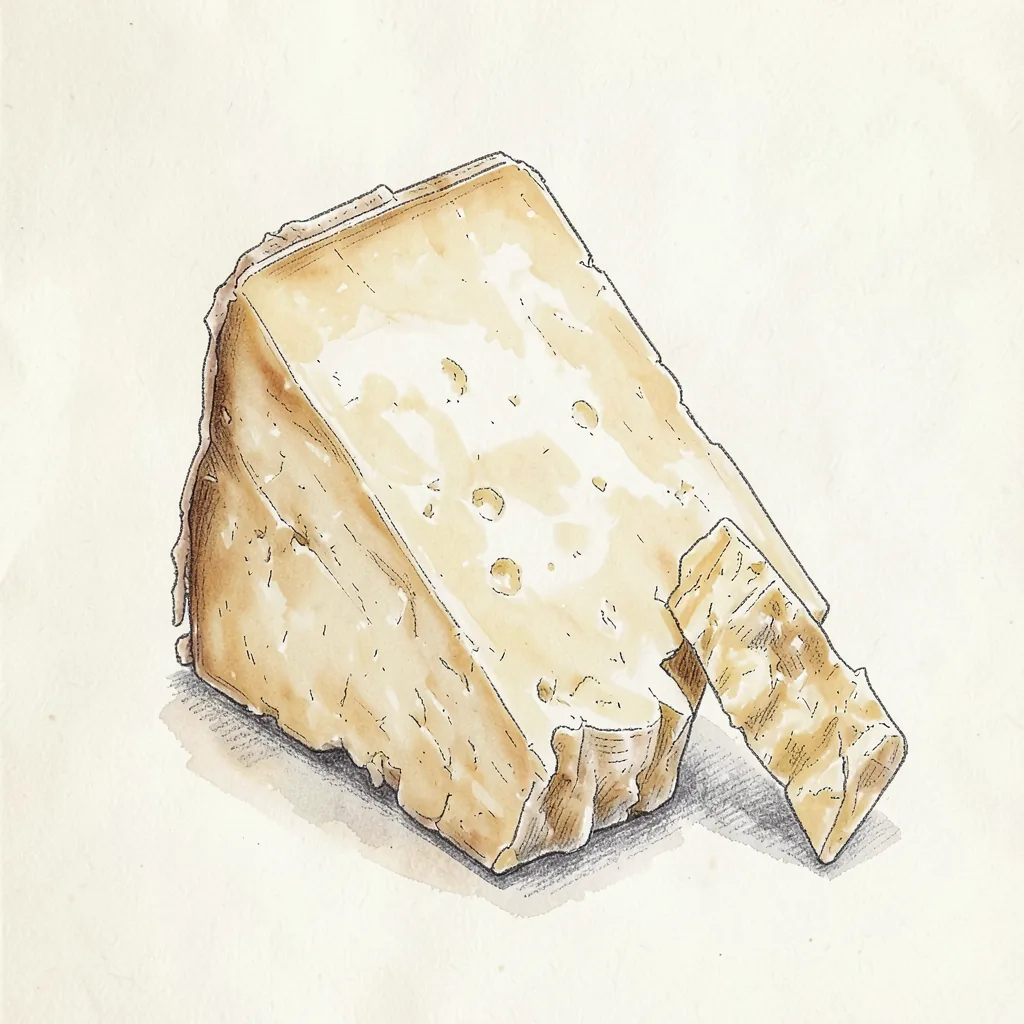
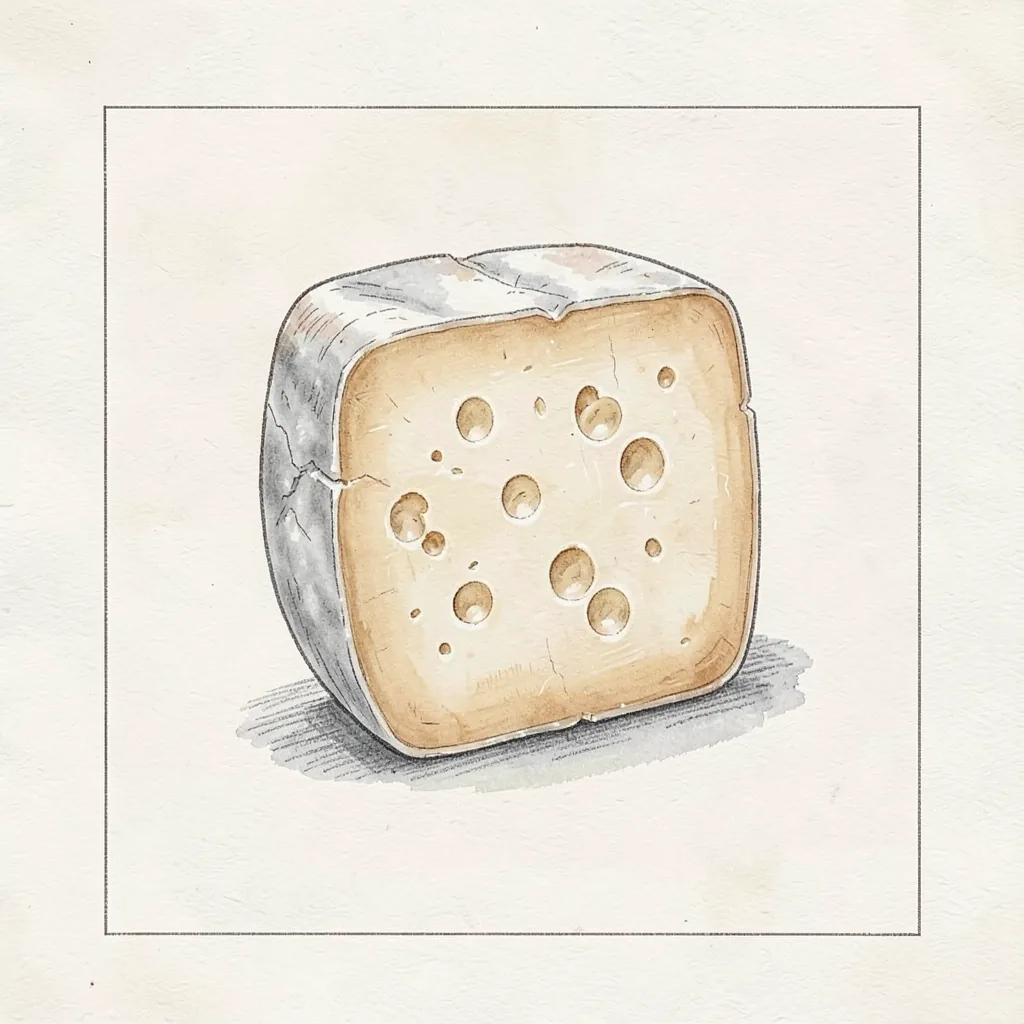
It was once famous across the country, and the town was known for it along with cakes and ale. The cheeses were thin rounds with a golden color, an outer skin, and a strong, rich taste. Writers called the paste soft, creamy, and sharp. It is no longer made, and you will not find it in ordinary shops.
A late-season form, called latter-made cheese, was especially rich and pale, and it sold at a high price when ripe. The ordinary cheese was thin enough that people joked it was mostly rind once the skin was pared away. That joke appears in The Merry Wives of Windsor, where a slight man is called a Banbury cheese. The line only makes sense if the audience already knew the shape. Today the cheese survives in books and local history, not on a counter.
History
Records of Banbury cheese go back several centuries, and the town sent cheeses as gifts to important households. Writers praised it highly, and one author ranked it as the best cheese he knew. Making it was a cottage trade in Banbury and in nearby hamlets, not the work of one large dairy. A cheese fair was held in the town after Michaelmas. For a long time, cheese, cakes, and ale were the goods people named when they spoke of the place.
The trade faded, even while some travelers still mentioned cheese in the town. In the nineteenth century a local historian wrote that the fame had gone and that the real method might no longer be known. A last style, the latter-made cheese, lingered and then vanished from the fair. Attempts to revive the cheese from an old written method did not put it back on sale. It remains a historical cheese rather than a food you can order.
How it is made
Historical notes describe a cow's milk cheese set in a shallow form so each round stayed thin. The curd was handled gently, and the cheeses were salted with a light hand so the paste stayed rich. An outer skin formed as the round firmed a little. Writers also mention a richer late-season version called latter-made cheese. The picture is of a soft farmhouse cheese, not a long-aged hard wheel.
A manuscript preserves an old method, but that text is a historical record, not a product on sale. No dairy sells Banbury cheese today. Household practice varied, and those small differences died with the makers. Talk of a revival has not returned the cheese to the market. Any modern food that borrows the name is a new product, not the historic cheese.
Taste
Writers of the time did not all use the same words, but they agreed the cheese had presence. Some called the flavor keen and sharp. Others called it soft, rich, and creamy. The color was described as golden yellow, while the special latter-made cheese was white and especially good when ripe. A thin slice would have carried a lot of skin relative to paste.
The famous insult tells us about shape more than about flavor. A Banbury cheese was so thin that paring the skin left little cheese behind. That is why a slight person, or a thin argument, could be compared with it. We cannot taste a fresh example today, so every flavor note is second hand. What remains is a picture of a strong, rich, thin cow's milk cheese.
In the kitchen
Banbury cheese is not in the shops, so there is no modern kitchen use to demonstrate. In its own time it was a table cheese and a gift cheese, and it also went into a cheese tart in at least one early cookbook. The thin rounds would have been easy to cut for bread. A ripe latter-made cheese was prized on its own, and buyers paid more for that richer form. Those uses belong to the historical record.
You cannot drop a wedge into a recipe and call the dish historic, because the cheese itself is gone. A soft, rich English cow's milk cheese can only suggest the role it once had at the table. It will not reproduce the thin shape or the old reputation. If a label uses the Banbury name, read it as a nod to the town unless the seller shows a real link to the lost cheese. Cook with what the package actually contains.
Around the world
Banbury cheese never became an international grocery item in the way later English cheeses did. Its fame was national, and it traveled as a gift and as a traded food from Oxfordshire. Abroad, it is known mainly to people who read food history or who meet the name in a play. The Merry Wives line still sends readers to look the cheese up. They then find that the product behind the joke has disappeared.
There is no authentic wheel to export. Cheshire and Gloucester can fill a board, but they are different English cheeses with their own histories. Museums and local histories around Banbury are the right place to learn the story. A cheese counter in another country will not have the old cheese. If a seller uses the name, ask what is actually in the package.