Cow
What it is
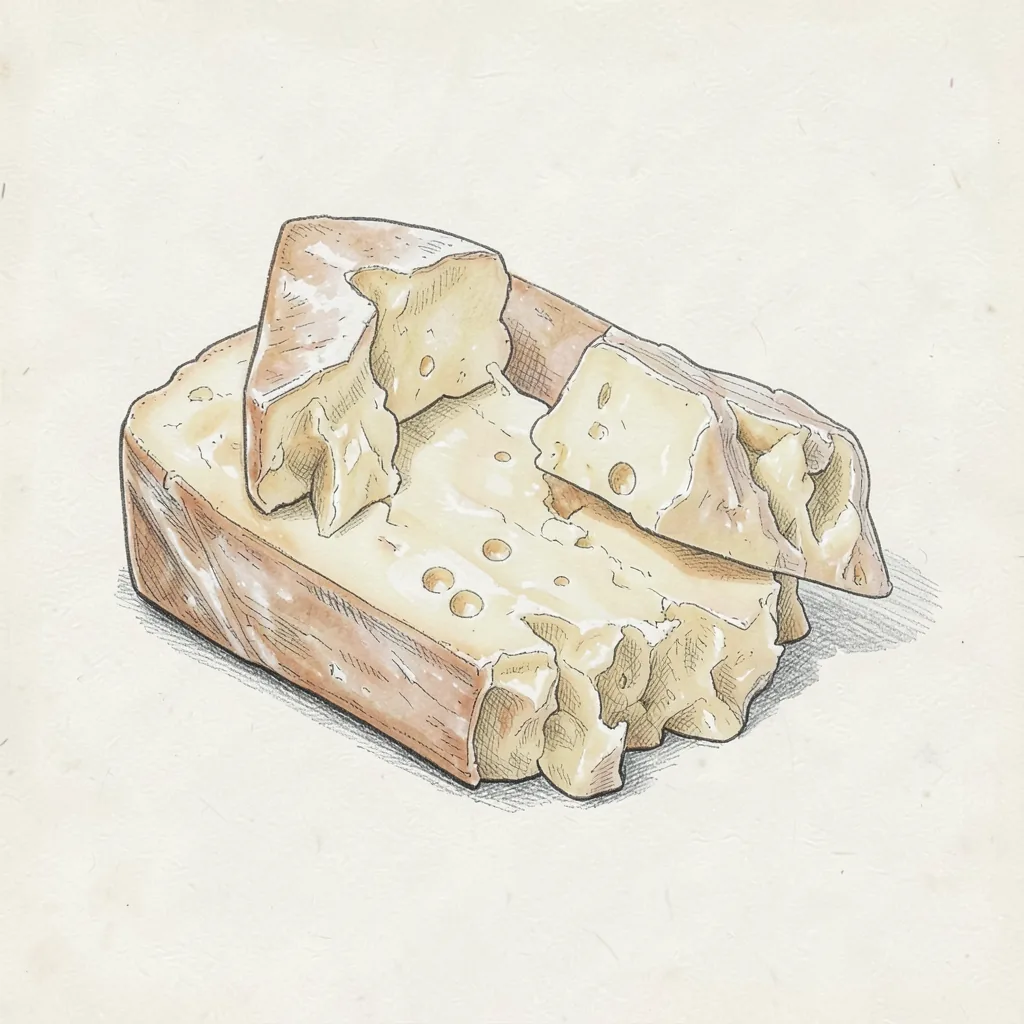
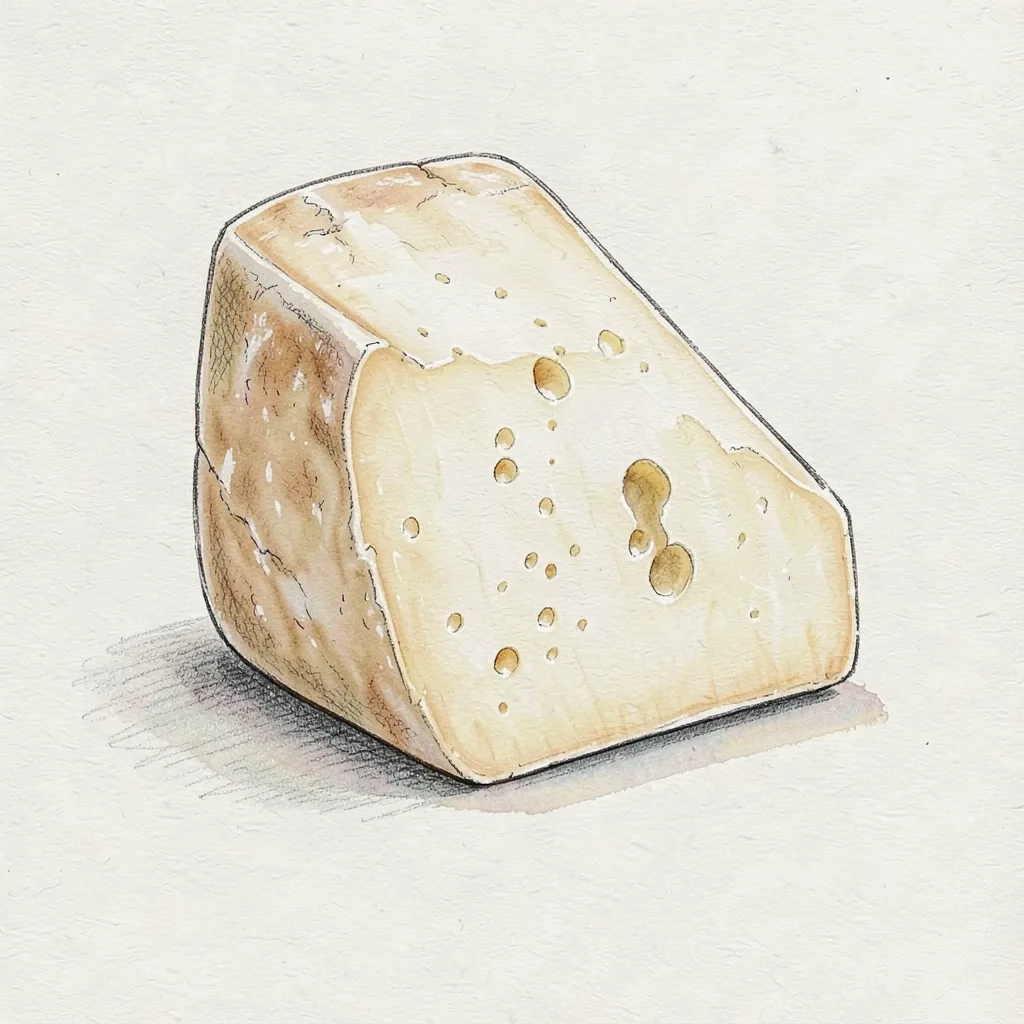
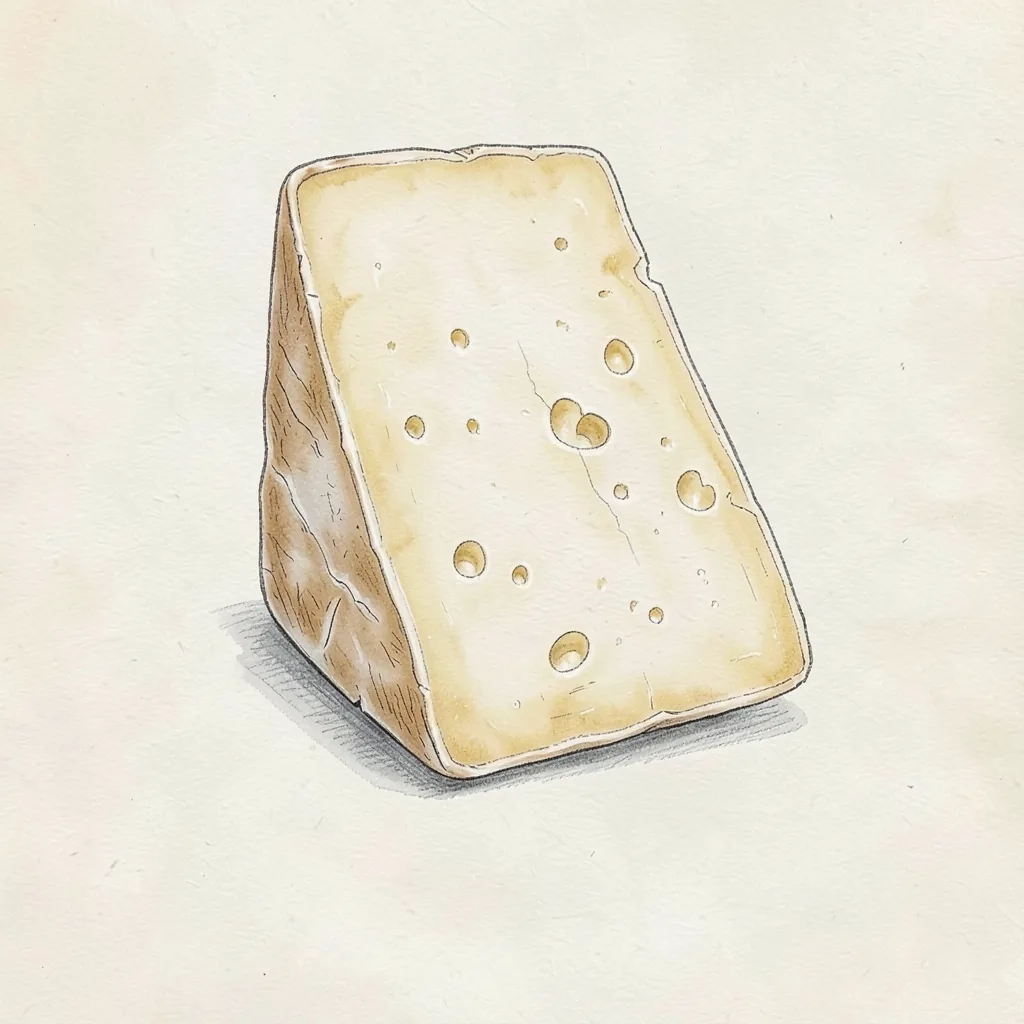
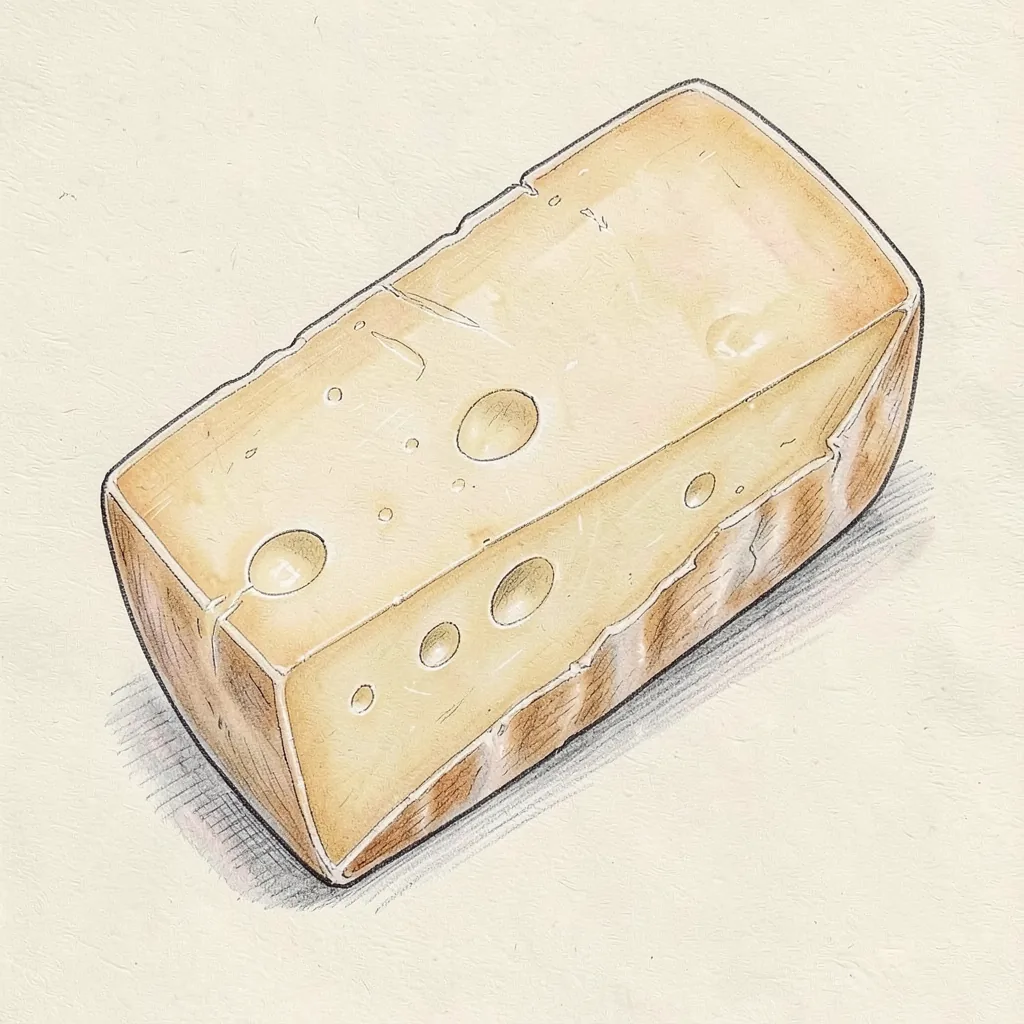
The name comes from the English county of Cheshire, and makers in nearby counties have long made the same style. The paste is dense rather than rubbery, and it breaks into moist crumbs instead of clean slices. Flavor is mild, salty, and a little tangy, with a fresh dairy note when the cheese is young. Clothbound wheels and block versions both carry the name.
Three colors are sold under the same name. White Cheshire is the plain original, and red Cheshire is colored with annatto so the paste looks warm orange while the taste stays mild. Blue Cheshire is a different cheese in the same tradition, with blue veins and a sharper, more savory bite. Industrial blocks are often drier than a traditional clothbound truckle. Buy the texture you want, because the name alone does not tell you which one is in the pack.
History
Cheshire is among the oldest named cheeses on record in Britain. Written mentions go back centuries, long before factory dairies, when farms in that part of England turned surplus milk into a cheese that could travel. Salt in the local ground is often linked to the tang and to how the cheese keeps. Wheels were packed for sale in distant cities, and the cheese became a staple rather than a rare luxury. Its reputation rested on steady supply and a reliable mild flavor.
Red Cheshire grew as a colored version for markets that wanted an orange cheese, using annatto rather than a change of milk. Blue Cheshire developed as a veined relative, crumblier and milder than the famous blue cheeses of the Midlands. In the factory era, many blocks were made drier so they would cut and pack more easily. Traditional makers still cloth-bind truckles and keep the moist crumb. Both paths remain on sale, so the old name covers more than one texture.
How it is made
Cheesemakers start with cow's milk, set a curd, and cut it so whey can drain. The curds are salted, milled, and pressed into molds, which gives a firm body that still stays open and crumbly. Annatto goes into the red version early, and it colors the paste without turning the recipe into a new cheese. White Cheshire skips that color. The blue version is ripened so that blue veins can grow through the crumb.
Traditional wheels are bound in cloth and left to mature until the paste is moist but no longer wet. A shorter ripening keeps the flavor mild and the texture tender. A longer keep dries the cheese a little and deepens the salt and tang. Block cheese for shops is often made to cut neatly, so it can feel closer to a mild hard cheese. The clothbound truckle is the one that shows the old crumbly character.
Taste
Young white Cheshire is milky, lightly salty, and clean, with a lemony tang that stops short of sharp. The crumb feels moist and a bit granular, not creamy like a soft bloomy cheese and not waxy like a long-aged block. Red Cheshire tastes much the same, though some people find a slightly fuller, nutty note. The color is the obvious difference on the board. Aroma stays gentle, more dairy than farmyard.
Blue Cheshire keeps the crumbly body but adds a savory, mushroom-like blue note. It is usually milder than a very strong blue, and the salt still shows. Aged clothbound cheese of any color turns drier and more pointed, while a young block stays quiet. None of the styles is bland if the salt and the tang are in balance. Taste a small piece before you cook, because the blue one will change a dish more than the white one.
In the kitchen
Crumble Cheshire over a green salad, a baked potato, or a plate of apples and celery. It melts unevenly, so it suits a sauce or a toast topping better than a stretchy pizza cheese. The mild salt helps a cheese scone, a tart, or a simple rarebit. White or red both work when you cook, and neither one hides the other ingredients. Keep blue Cheshire for the board or for a recipe that wants that extra savory edge.
On a board, serve it in rough chunks so the crumb shows. It pairs with oatcakes, a tart apple, and a pickle. A grater works on a firm, drier piece, and the shreds melt into soups and baked dishes. Wrap the cut face so the moist crumb does not dry out in the fridge. Let a cold piece sit a short while before serving, so the salt and the tang open up.
Around the world
Cheshire traveled with British trade and became known well beyond the county, but it never took the global shelf space of the big hard cheeses. You can still find it in British shops and at counters abroad that stock territorial cheeses. Crumbly cousins such as Wensleydale and Lancashire are easier to confuse with it than a smooth melting cheese is. Outside the United Kingdom, many cooks meet the name first on a menu. The cheese is worth asking for when the counter has a British section.
In the kitchen abroad, a crumbly Caerphilly or a young Wensleydale can stand in when Cheshire is missing. A mild block will cook in a similar way, but it will not crumble with the same moist break. Blue Cheshire should be swapped with a mild blue, not with the white cheese. The annatto red version can surprise shoppers who expect white cheese from the name alone. Read the label for white, red, or blue before you buy.