Mixed milk
What it is
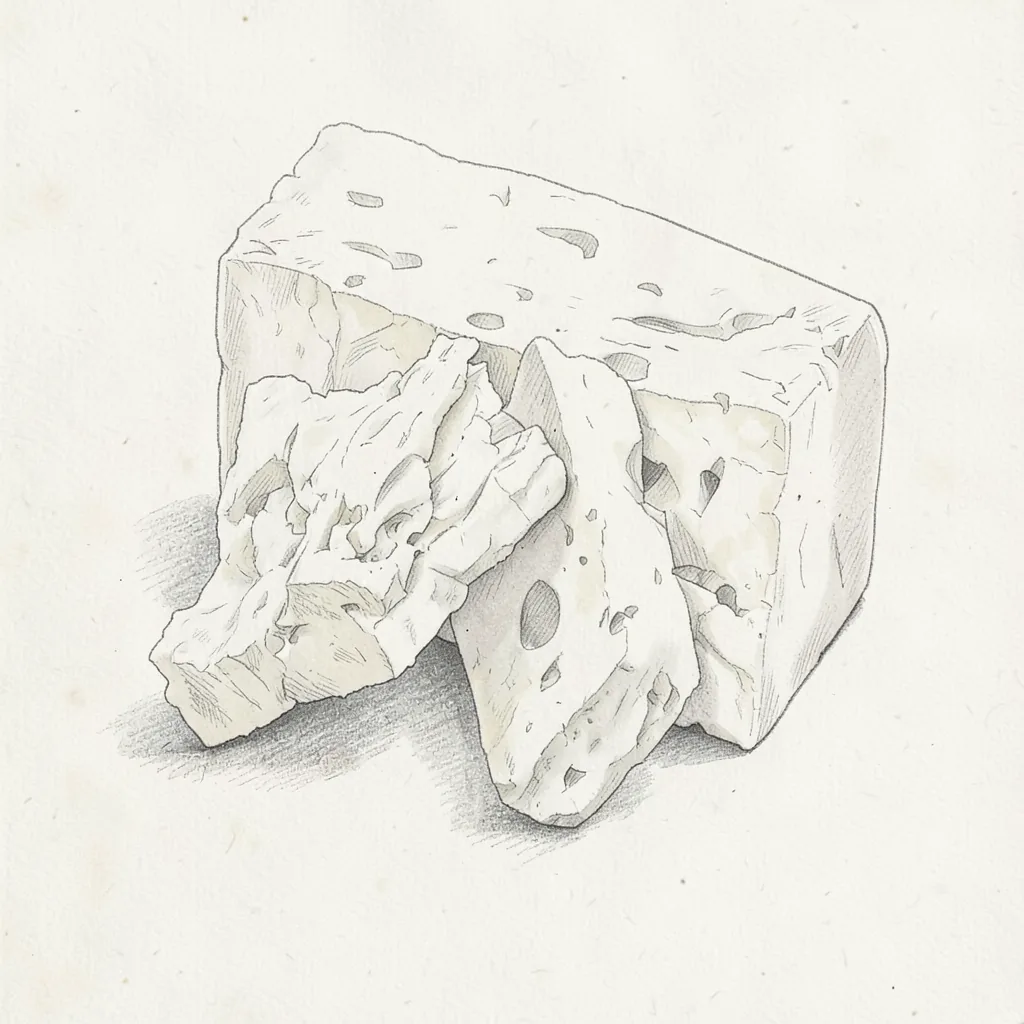
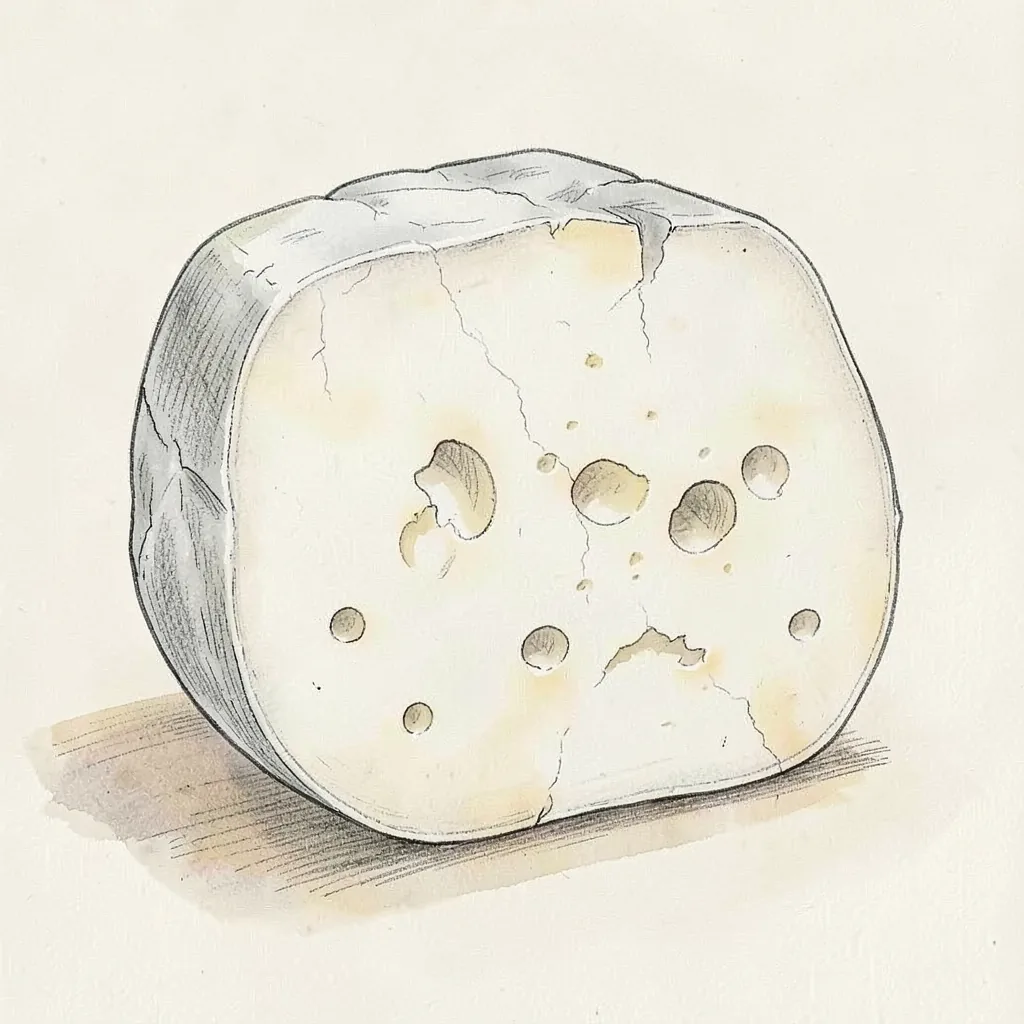
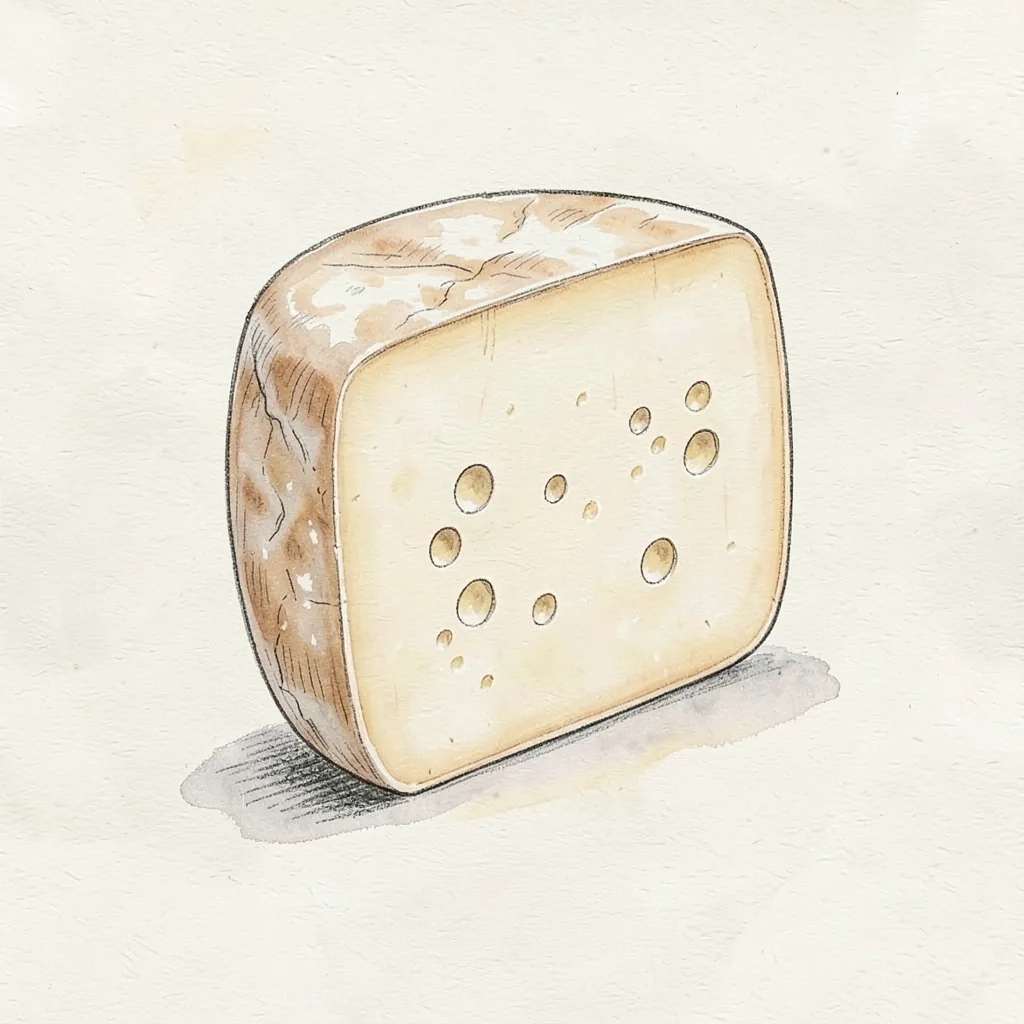
The name is protected, and the cheese is a semi-hard white cheese kept in brine. It has no rind, small holes in the paste, and a salty, sour, lightly spicy taste. Pieces are often square, and they hold together better than a very crumbly brine cheese. Shepherds made it as a firm cheese that could be fried as well as eaten plain.
The curd is worked so that fat can be drawn off, which leaves a leaner cheese than many sheep's milk wheels. That lean body is why slices can be pan-fried until golden without falling apart. A younger piece is milder and a bit more supple. A piece kept longer in brine is saltier, firmer, and more sour. Both are Batzos, and the salt level is the main split in the kitchen.
History
Batzos grew up as a shepherd's cheese in Greece, made where sheep and goats were the dairy animals. The firm brine cheese kept well, and it could be fried when the meal was simple. Working the curd to release fat linked it to butter making, and the whey could go into other cheeses. The name is now protected, so the milk and the method have to follow tradition. It is not a soft fresh cheese, and it is not only a hard grating wheel.
The cheese was farm food long before it was a labeled product in shops. Families wanted something salty and sturdy from sheep's milk or goat's milk, not a creamy dessert cheese. Frying slices became a standard use in parts of mainland Greece, where the cheese is still a table habit. Protection fixed the broad identity, but small makers still vary the balance of the two milks. A goat-only batch and a sheep-only batch can both be Batzos if the rest of the method holds.
How it is made
Sheep's milk, goat's milk, or a mixture is set with rennet until a soft curd forms. The curd is then worked hard, traditionally beaten, so fat separates and the body stays lean. It drains in cloth, and the mass is cut into pieces and salted. The pieces go into brine to mature, which also preserves them. There is no rind to wash, because the brine is the surface the cheese lives in.
The finished pieces are white to pale yellow, often with a blocky shape and many small holes. Moisture stays moderate, so the cheese is semi-hard rather than spreadable. Goat's milk can make the taste a little sharper, and sheep's milk can make it a little rounder. Milk handling can vary, but the brine and the worked curd stay central. After maturation the cheese is ready to eat plain or to fry.
Taste
Batzos tastes sour, very salty, and lightly spicy, with a clean dairy finish. The lean texture is firm and a bit springy, not creamy and not chalky. Small holes make the slice look open. Goat's milk pushes the flavor toward a sharper tang, while sheep's milk keeps it a little fuller. Brine is always part of the taste, so a rinse or a short soak is fair if a piece is too salty for the dish.
A good piece smells fresh and salty, not soapy and not bitter. The color is white or light yellow all the way through, because there is no rind to contrast with the center. If the cheese is slimy or the brine smells off, it has been kept badly. Fried, the same cheese turns savory and browned at the edges, and the sour note softens. Eaten raw, the salt and the tang lead, and the spicy hint stays in the background.
In the kitchen
Pan-fry slices in a little oil until the outside is golden, which is the classic use, close to other Greek fried cheeses. The lean body holds its shape, so you get a crust and a warm center. Crumble or cube it into salads if you want salt and tang, or tuck it into a baked dish. It can also go on a board with tomatoes, bread, and olives. Rinse very salty pieces first so they do not overwhelm the food.
Do not expect a creamy melt like a young cow's milk cheese. Batzos softens and browns, and it stays a bit chewy. That makes it useful for grilling or frying, and less useful as the only cheese in a smooth sauce. Pair it with olive oil, oregano, and sharp vegetables, which match the salt. If you need a milder brine cheese for a salad, feta is the usual swap, and it will crumble more.
Around the world
Outside Greece, Batzos is less common than feta, so many shops never stock it. Cooks who know it look for it when they want a cheese that fries. Because the name is protected, the cheese should be sheep's milk, goat's milk, or both, kept in brine with a firm body. A random white brine cheese is not the same thing. In Greek grocery cases it may sit near kefalotyri and kasseri, which are also fried, but those are usually richer and not kept in the same way.
Feta is the easy substitute in a salad, though it is saltier in a different way and it crumbles more. Halloumi is the better swap when the plan is to fry or grill, because it also holds a slice. Neither one is Batzos. Kasseri can cover a baked dish if you want a milder, stretchier Greek cheese. Read the milk on the label, because a cow's milk frying cheese will not taste like this sheep and goat brine cheese.