Sheep
What it is
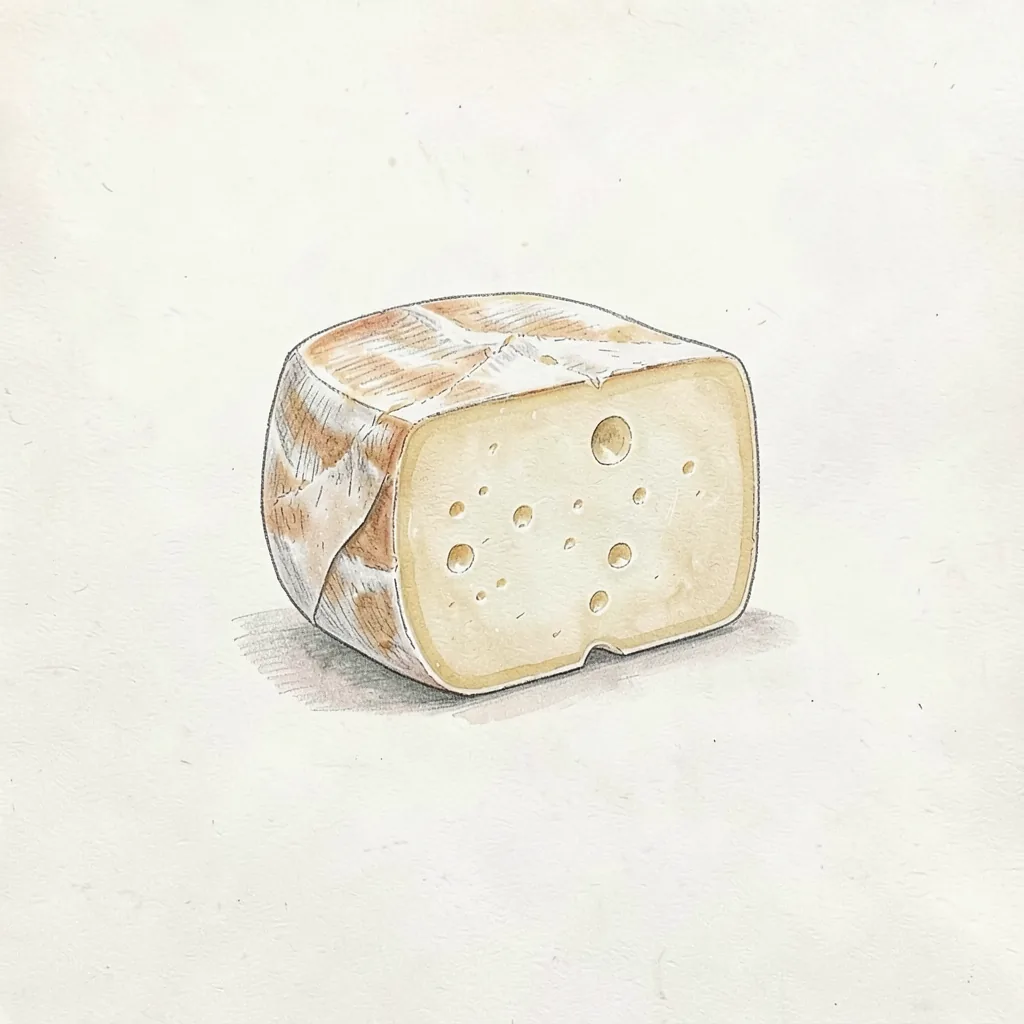
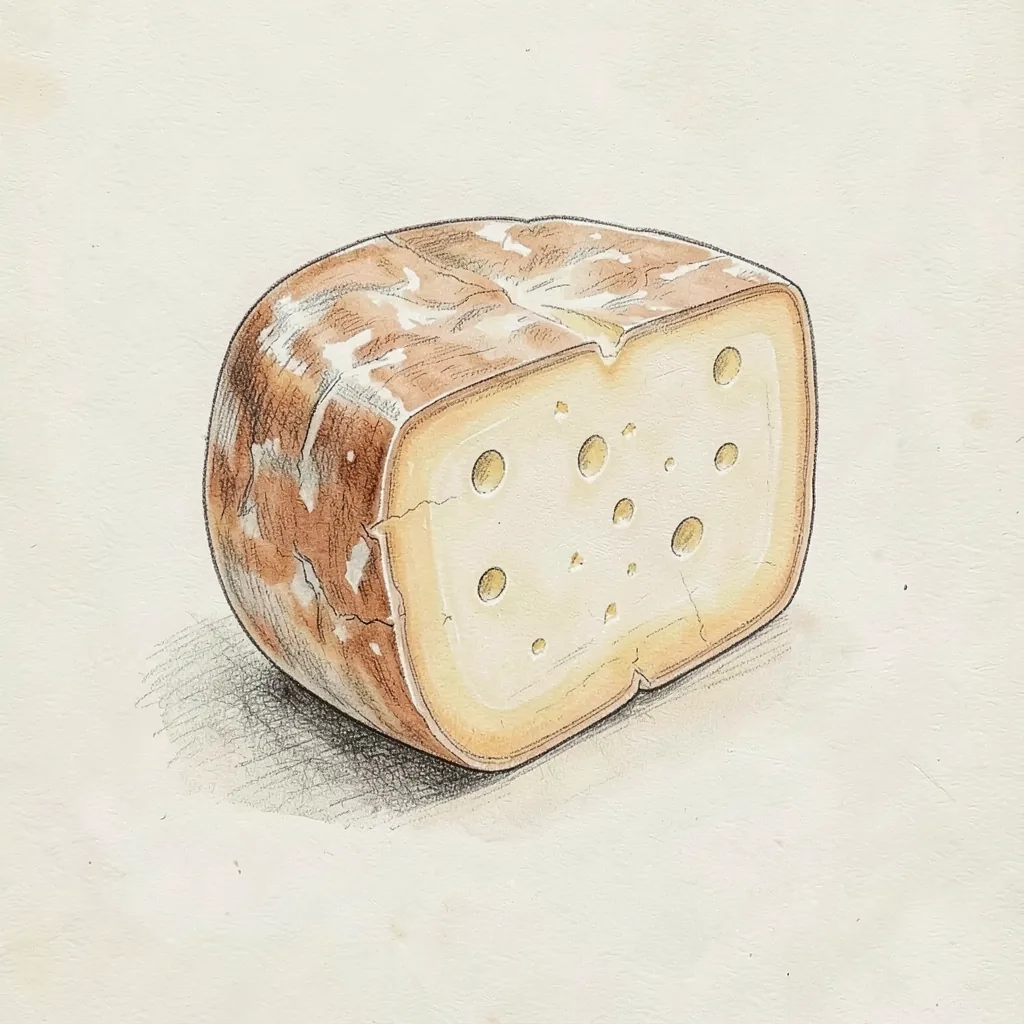
A natural rind covers a pale, firm paste, and the wheel often has a rounded shape with marks from the basket mold. The flavor moves from sweet and nutty toward a savory tang as it ages. It is often compared with manchego or a firm pecorino, but it is a British farmhouse cheese with its own make. It is not an ordinary supermarket block, and supply sits with specialist shops.
Younger pieces taste fresher and a bit fruity, while older pieces turn more savory and suit a grater. The texture is firm and slightly grainy, not creamy like a soft cheese and not waxy like a young block. The rind is rustic and is usually trimmed away. Berkswell Ewe and Berkswell Hard are other names for the same sheep's milk cheese. Buy a piece you can finish, because this is a cheese for the board and the grater, not a melting slice.
History
Berkswell is part of the British farmhouse cheese revival, and the milk is sheep's milk rather than the cow's milk of most older territorial cheeses. The cheese settled as a hard wheel with a natural rind, meant to age rather than to be eaten fresh. Its rounded, basket marked form made it easy to recognize among other British cheeses. Shops and restaurant kitchens helped it become known beyond the farm. It stayed a specialist cheese, not a brand stamped for every grocery aisle.
Comparisons with manchego and pecorino followed because those are also firm sheep's milk cheeses used for shaving and grating. The comparison is about kitchen use, not a shared origin. Berkswell is British, and the wheel's shape comes from basket molds rather than from a clothbound cheddar press. Cheese merchants sold it as a farmhouse wheel, often in limited amounts. The sheep's milk, the hard paste, and the natural rind stay the stable facts, even when shop supply comes and goes.
How it is made
Traditionally the cheese is made from raw sheep's milk. Rennet sets the milk, and the curd is cut and stirred, then placed in basket-like molds. It is not driven into a heavy press, so the dome and the woven marks remain on the rind. Salt is added, and the wheels age until the paste firms and the rind dries into a natural coat. Mottled cream, orange, and gray molds can appear on that rind as the cheese matures.
The interior stays pale and can turn slightly grainy, which is normal in a hard sheep's milk cheese. Aging is long enough to build sweetness and then a savory side, and batches differ with the milk and the cellar. No herbs are mixed in, and the cheese is not waxed or washed as a matter of style. The rind is natural and rustic, and most people cut it off. What you eat is the firm paste, in slices when younger and in shards when older.
Taste
Berkswell tastes sweet, nutty, and lightly tangy, with a clean sheep's milk aroma that should not be harsh. A fruity acid note often stays in the finish, and older pieces grow more savory, sometimes toward a hard grating cheese. The paste is firm, a little grainy, and moist enough to slice when the cheese is not overdried. Salt is clear and balanced. The smell of the rind is earthier than the paste, which is another reason to trim it.
A younger cheese feels gentler and a bit more fruity, while a mature piece is broader and more savory. Neither stage tastes like cow's milk cheddar, and the sheep's milk character is the point. It is less oily than some hard sheep cheeses and less crystalline than a very old grana, though a little mealiness can appear. If a piece tastes soapy or bitterly sharp, it is past its best. A good piece stays nutty, bright, and satisfying in a small slice.
In the kitchen
Shave or grate Berkswell over vegetables, eggs, pasta, or a salad when you want nutty sheep's milk salt. Firm slices belong on a board with pears, honey, or walnuts, and the sweet nut flavor likes those partners. It will not melt into a smooth sauce, so do not swap it into a cheddar fondue or a grilled cheese. A little grated cheese seasons a dish the way a pecorino would. Taste as you go, because the savory side can dominate a delicate plate.
Trim the natural rind before you grate, or the rustic mold will speckle the dish. Let a board piece warm up so the fruit and nut notes come forward. Wrap the cut face tightly, since the paste dries and cracks in the air. If you only have a small piece, use it as a finish rather than as the bulk of a meal. When the shop is out, a firm sheep's milk cheese is the honest substitute, not a mild cow's milk block.
Around the world
Berkswell is a British cheese, and most of it is eaten in the United Kingdom or sold by merchants who deal in farmhouse wheels. It does not hold a regular slot in ordinary supermarkets abroad, and even at home the supply can be irregular. Manchego is the sheep's milk cheese more people can name, and pecorino is the usual grating substitute. Both can take a similar role in the kitchen. Neither has the basket molded shape or the exact British flavor.
If a label says Berkswell Ewe or Berkswell Hard, it is this cheese, not a second recipe. Shoppers sometimes reach for manchego because both are hard sheep's milk cheeses with a nutty side. A firm pecorino can also be the grate they actually need. A cow's milk cheddar is the wrong milk even when the texture looks similarly firm. Ask for sheep's milk and the British name, and buy from a specialist if the ordinary case has never heard of it.