Cow
What it is
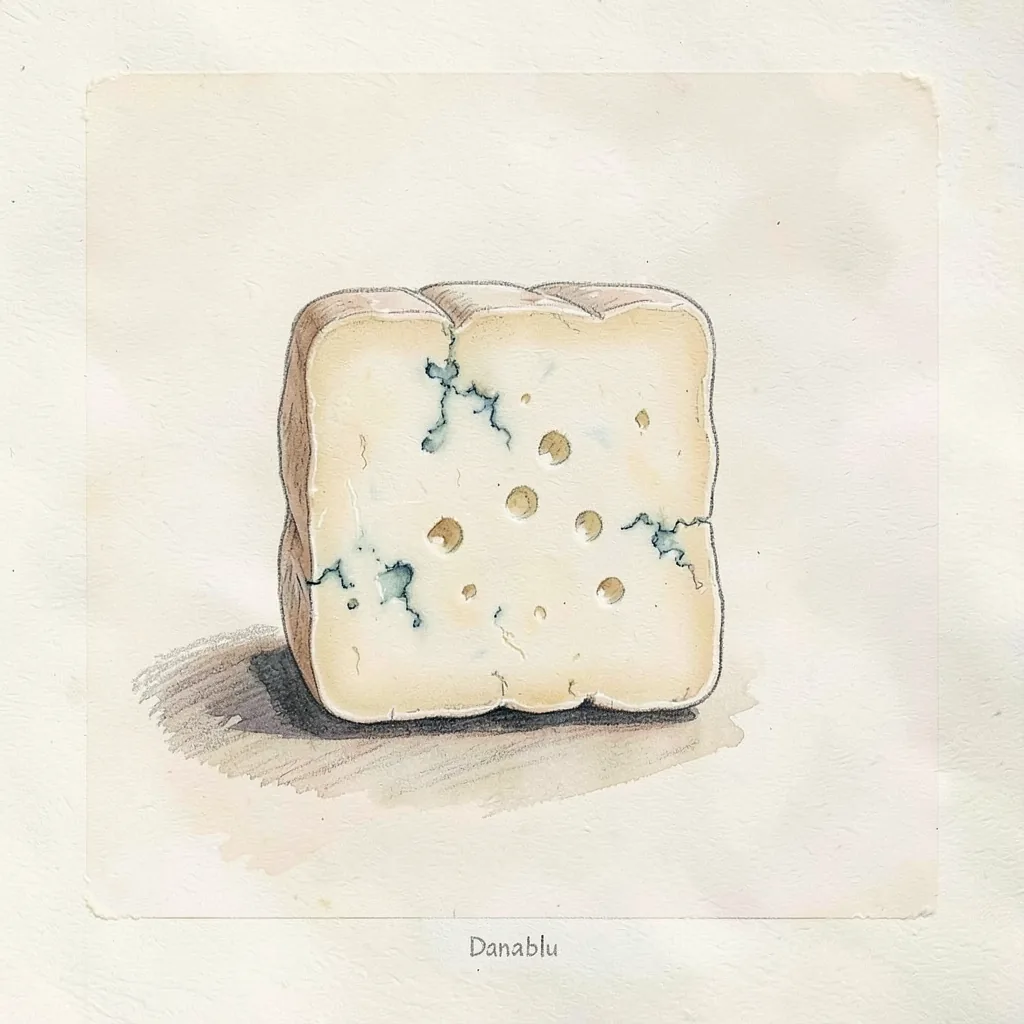
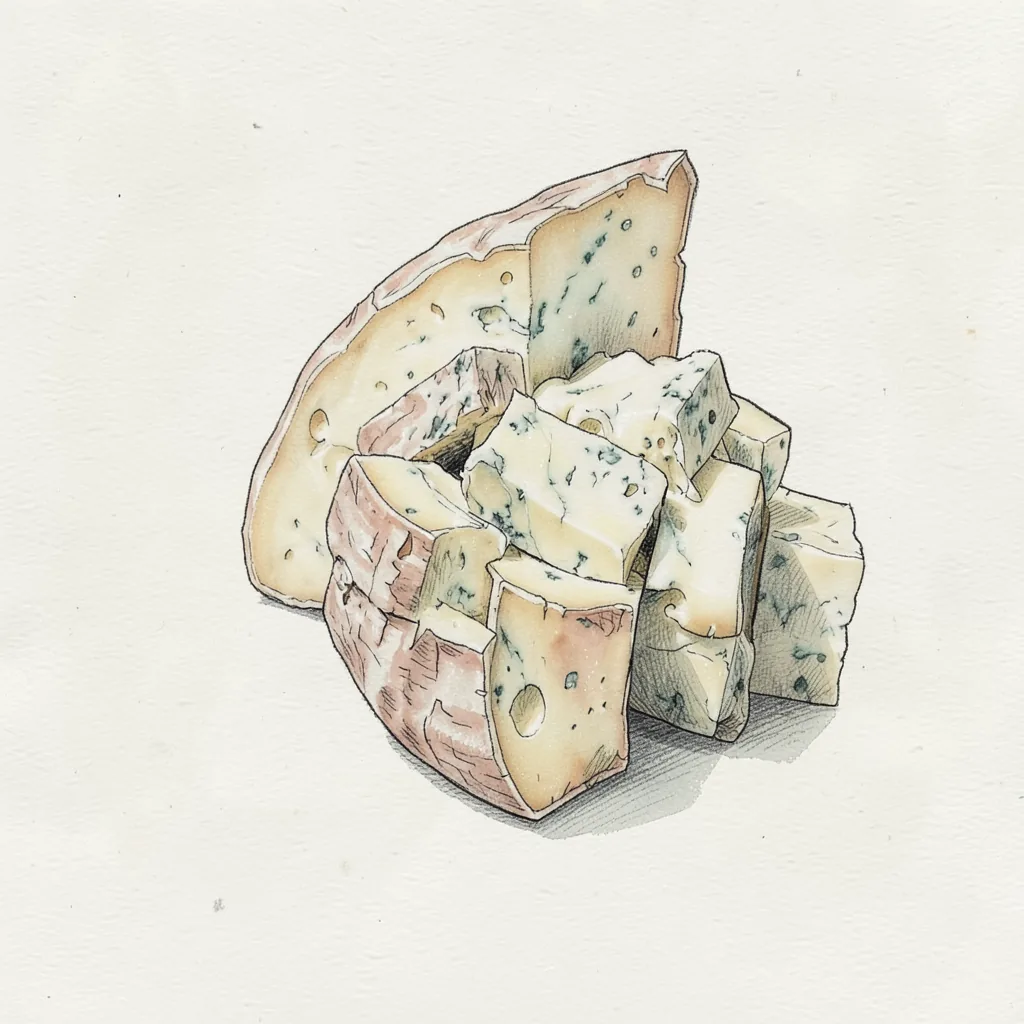
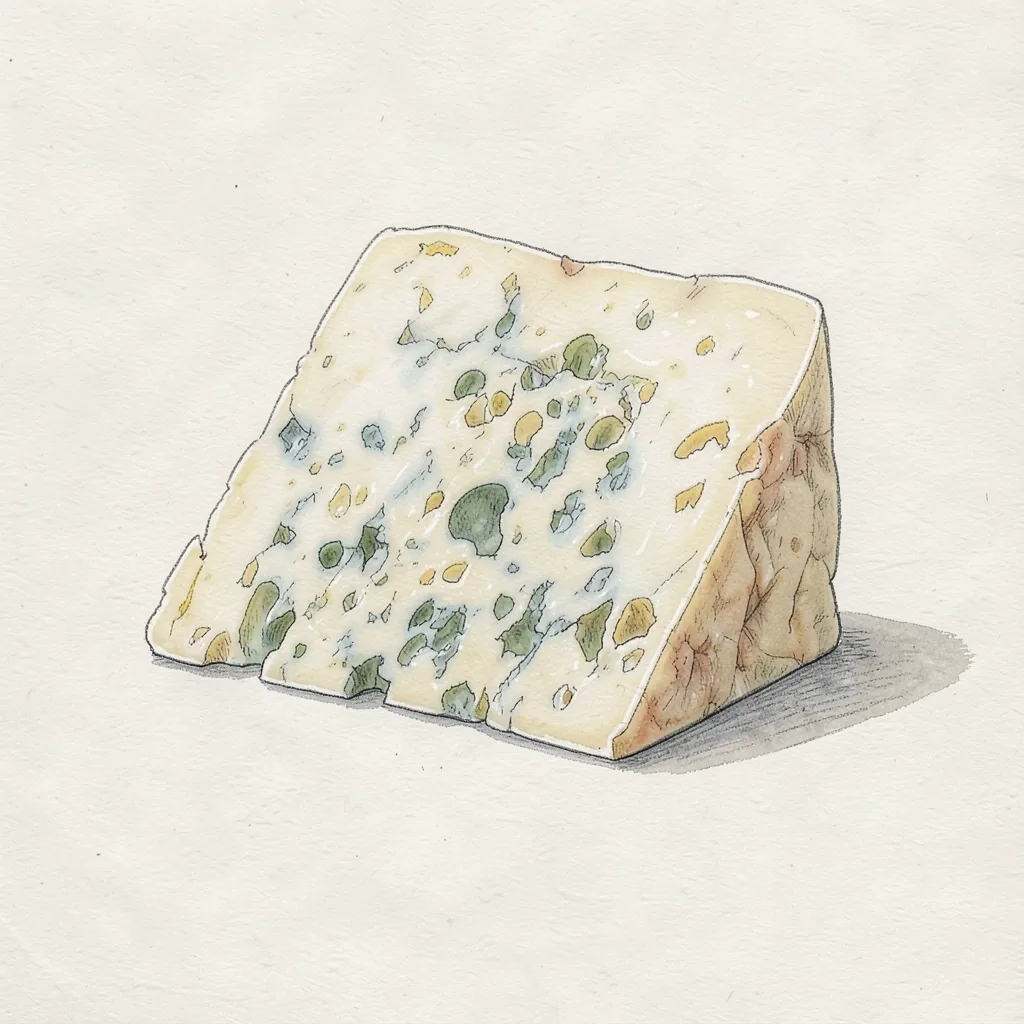
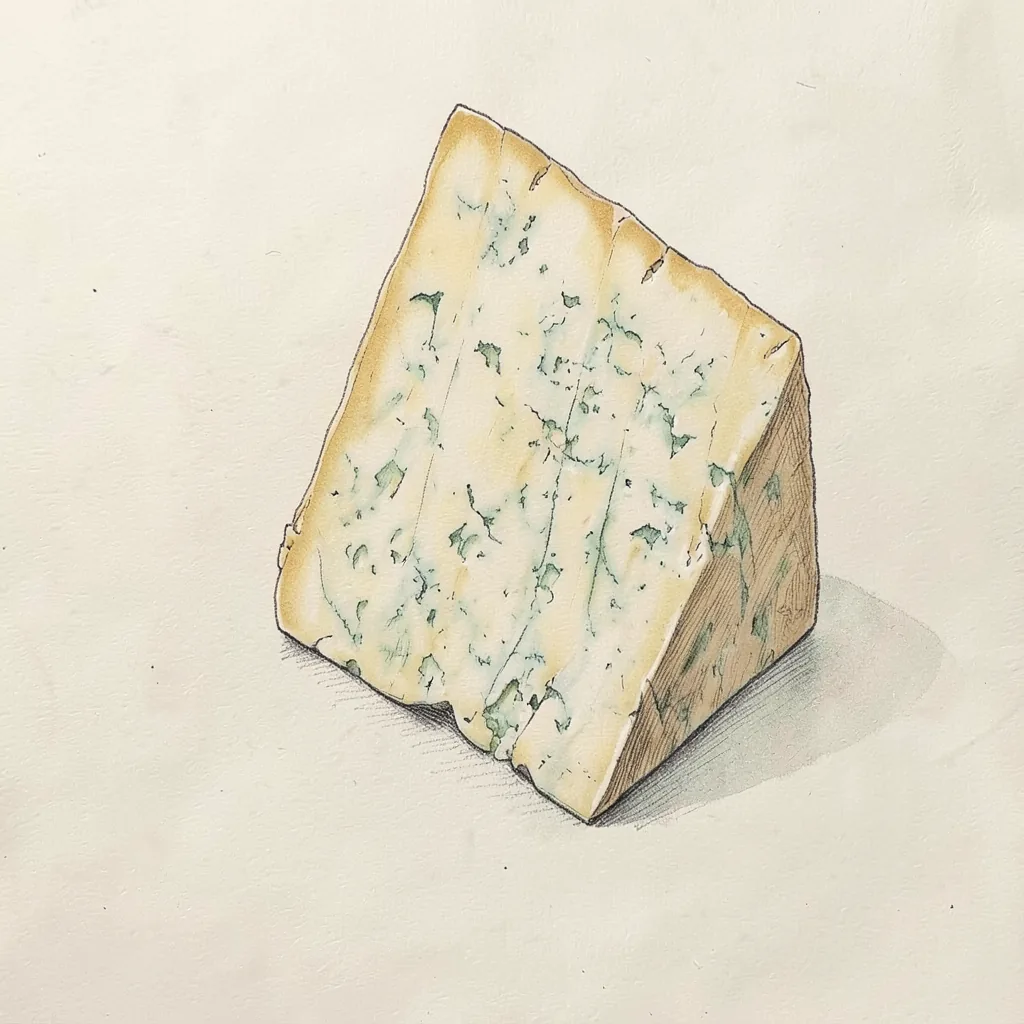
Benedictine monks make the wheels, and the name comes from that order. Blue mold runs through a pale paste, under a mottled whitish grey coat. The center stays creamier than the firmer, more crumbly edge. The flavor is gently salted and milder than many famous European blues, with a clear mushroom smell that suits a cheese board.
A wheel looks pale inside, with blue-green veins that are easy to see once it is cut. The outer paste breaks into crumbs, while the middle can feel almost spoonable. The coat is thin and grey rather than a thick washed rind. Salt is present but not aggressive, and the finish is creamy rather than bitter. Keep a piece cool, then let it warm a little so the mushroom note can open.
History
Blue cheese making in Canada includes both farm styles and cheeses linked to religious orders. Bleu Bénédictin belongs to the second group. Benedictine monks in Canada make it as a semi-soft cow's milk wheel with blue veins. The name points to that order, not to a town printed as the region. The cheese stayed a Canadian specialty rather than a copy of one French or English blue.
The style became known through Canadian cheese awards and through shops that carry abbey dairy foods. Buyers learned to look for the pale coat and the creamy center, not only for the blue veins. Production stayed with the monks, so the cheese did not turn into a generic supermarket blue. Labels still tie the wheel to Canada. Outside the country, it appears mainly where importers stock Canadian cheeses, and shops sell it as a named wheel rather than as plain blue cheese.
How it is made
Makers start with pasteurized cow's milk and set a curd for a blue cheese. Blue mold is added so veins can grow inside the wheel, not only on the surface. The curd is drained, salted, and formed into rounds. Piercing later lets air reach the interior, which the mold needs. The young cheese then rests until the veins are clear and the center turns creamy.
Aging continues in a cool room until the paste is semi-soft and the aroma smells of mushrooms. The outside takes on a whitish grey coat, while the interior stays ivory with blue-green lines. The middle often finishes softer than the edge. There is no wax coat and no washed brine rind. The wheel is ready when the veins are even, the salt is settled, and the center yields under a knife.
Taste
The first smell is mushroom, mild and clean, rather than a sharp barnyard note or a heavy ammonia edge. On the tongue the paste is creamy, lightly salted, and a little tangy. Blue flavor is present, but it does not burn or turn bitter in a normal piece. The center tastes richer than the crumbly edge. A cold slice hides some of that creaminess, so a short rest at room temperature helps.
Compared with Roquefort or Stilton, Bleu Bénédictin is gentler and less dry. The cow's milk base keeps the flavor round, and the salt stays in the background. Some bites show a faint wood or nut note under the mushroom. The finish is short to medium, not a long peppery sting. If a piece tastes only of salt, it is likely too cold or cut from a very dry edge.
In the kitchen
Put Bleu Bénédictin on a board with plain bread, walnuts, and a sweet pear or a little honey. The creamy center can be spread on toast, while the firmer edge crumbles over a green salad. It melts into a sauce or a baked dish if you want a mild blue note without a harsh smell. Use a modest amount, because the mushroom flavor still carries. Keep other strong cheeses away so this one stays clear.
Cut the wheel when it is cool, then serve it a little warmer. A thin knife works on the firm edge, and a spoon works in the soft middle. Crumble it into a dressing with oil and a mild vinegar if you want a quick salad sauce. Do not expect the long strings of a pasta-filata cheese. Wrap the cut face, because the smell will move into nearby food.
Around the world
Bleu Bénédictin is a Canadian cheese, and most of it is eaten in Canada. Exporters send wheels to shops that already carry abbey cheeses and other small-dairy blues. In those shops it sits with Stilton, Gorgonzola, and Danish blue, but it is not a copy of any of them. The milder salt and the creamy center are the practical differences. Ask for the name, because a generic blue wedge will not match it.
Danablu is the closest everyday substitute when you want a cow's milk blue with a salty tang. Gorgonzola can stand in if you need a softer, milder blue for a sauce or a board. Roquefort is sharper and made from sheep's milk, so it changes a dish more than this Canadian wheel does. Stilton is drier and more forceful on a board. None of those cheeses carries the abbey name or the same gentle creaminess.