Cow
What it is
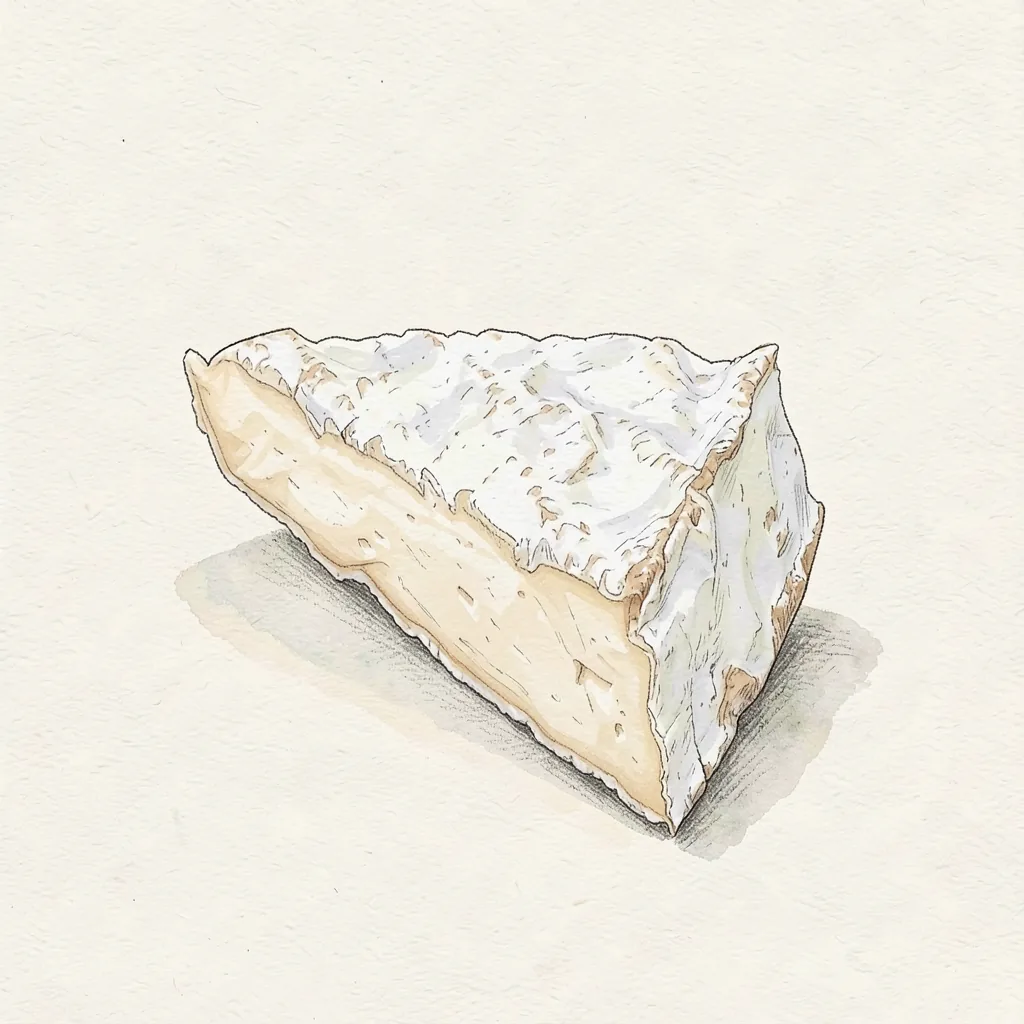
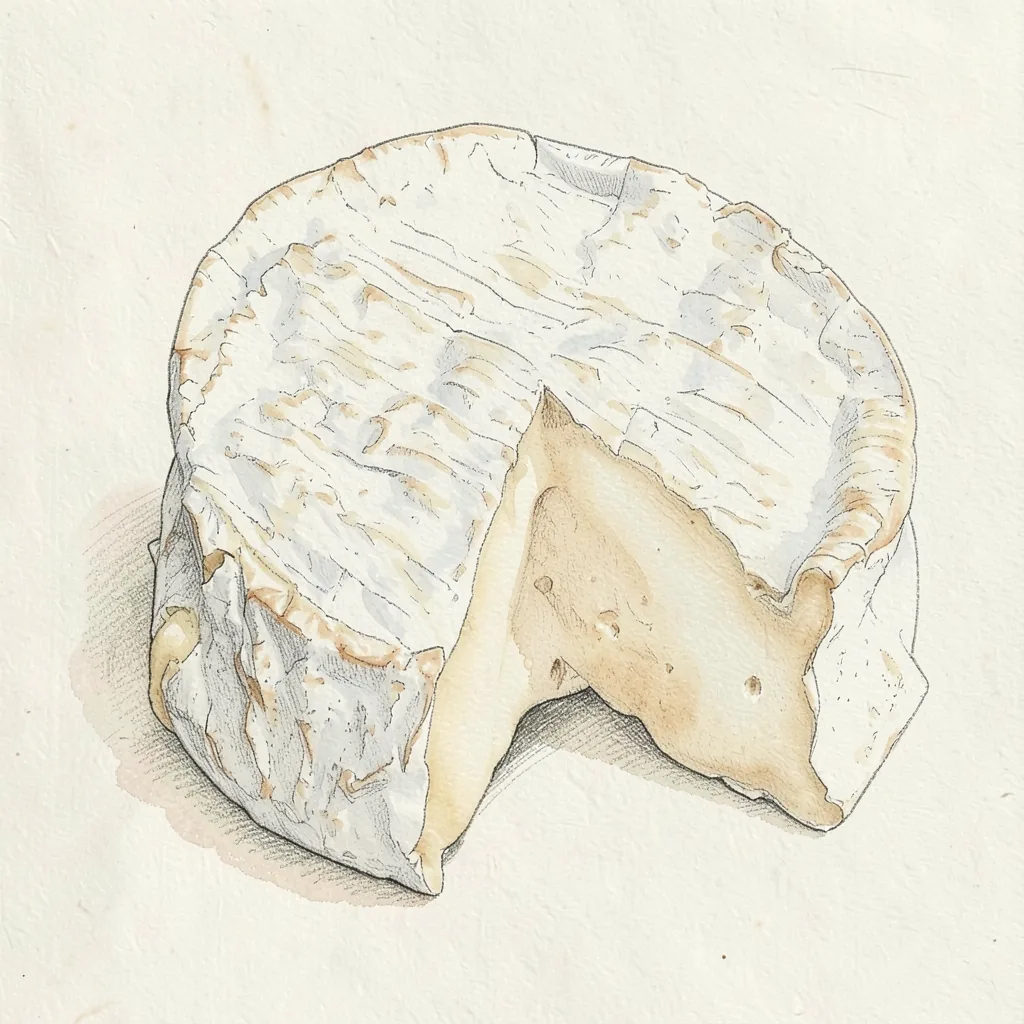
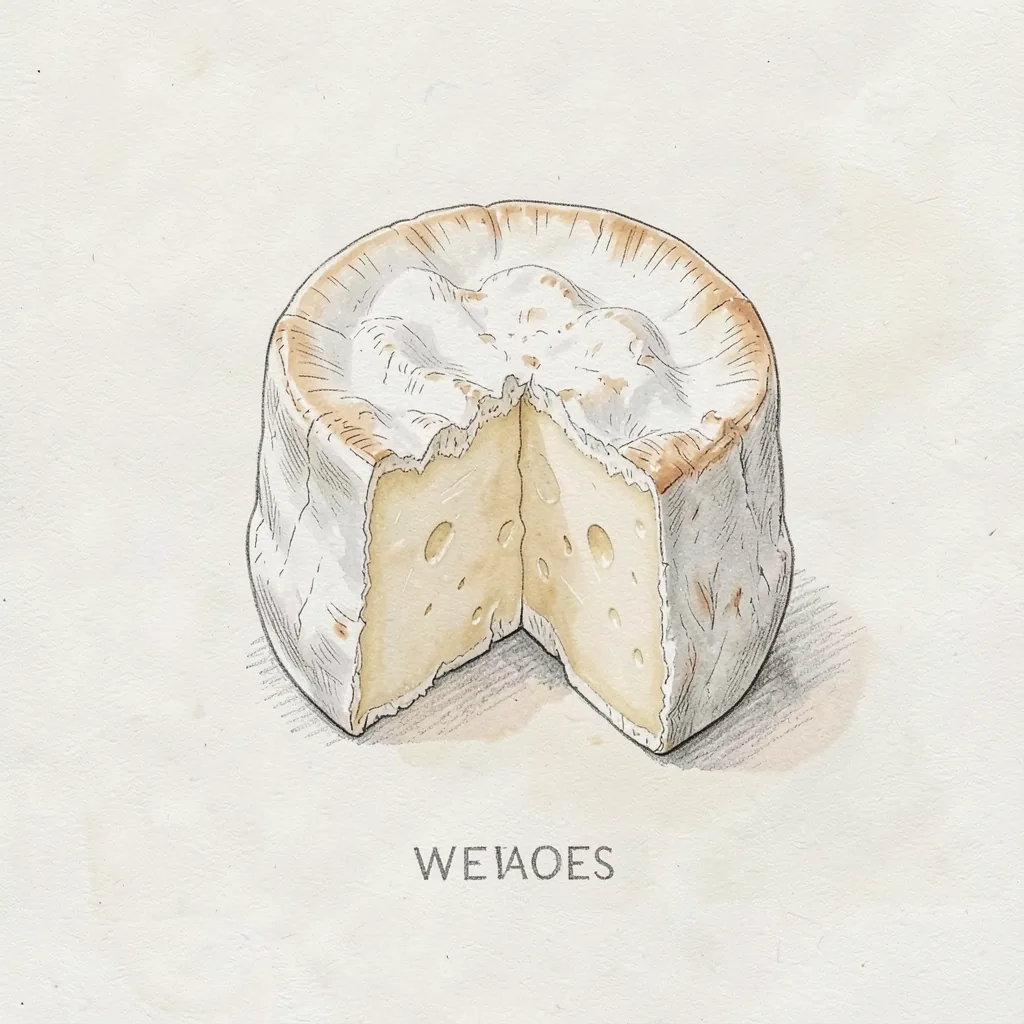
It is the large, flat form of Brie, with a white bloomy rind and a pale cream paste. The name points to Meaux, a historic center of the Brie country east of Paris. Makers use raw milk, and the wheel ripens from the outside inward. A ripe slice can show a softer line under the rind and a slightly firmer center.
The rind is a soft white bloom, not a thick crust, and it is meant to be eaten. Under it, the paste smells of cream, mushrooms, and fresh butter. Young wheels stay milder and hold their shape. Older wheels slump and taste fuller, with a light bitterness near the rind. Both stages are normal, and the difference is age rather than a second recipe.
History
Cheese from the Brie countryside has been known for a very long time, and the Meaux name marks one distinct wheel among them. Farm supply and Paris demand shaped the trade, because the city sat close enough for fresh wheels to arrive while the paste was still settling. Affineurs in the capital then finished the ripening in cool, damp cellars. That split between making and aging is still part of how many wheels reach a shop. The large format stayed the practical mark of this type.
The recipe stayed tied to raw cow's milk and to a slow, natural rind. Industrial copies of Brie later used pasteurized milk and smaller molds, but they are a different product from this wheel. Farmhouse wheels, when labeled as such, come from milk of one farm and are made on that farm. Dairy wheels pool milk from several herds and follow the same broad shape and rind. Shoppers can tell the two apart by the label, not by the word Brie alone.
How it is made
Fresh raw cow's milk is warmed and set with rennet until it forms a soft curd. The curd is not cut fine like a hard cheese. Makers ladle it in thin layers into flat, wide molds, which is why the paste stays moist and open. Whey drains slowly, and the molds are turned so the wheel settles evenly. Salt goes on the surface after the cheese leaves the mold.
A white mold culture is present on the surface, and it grows into the familiar bloomy coat. The wheels then rest in cool, humid rooms while the mold ripens the paste from the rind toward the core. Affineurs turn each cheese and judge how far that softening has moved. The curd is never cooked or pressed, which keeps the body rich and tender. Salt, drainage, time, and a living rind do the rest of the work.
Taste
A young piece tastes of sweet cream, butter, and fresh milk, with only a light mushroom note from the rind. As the paste softens, those flavors deepen into cooked butter, hazelnut, and a damp woodland smell. The center stays milder than the edge. Salt is present but not sharp, and there is little acid bite. A fully ripe wheel can add a gentle bitterness and a faint ammonia smell near the rind.
Texture changes as much as flavor does. Early on, the paste is supple and holds a clean cut on the board. Later, the line under the rind turns glossy and may ooze, while the core is still creamy. The bloomy coat feels soft and slightly damp, not leathery or hard. If the rind smells harsh and the paste looks brown and dry, the wheel is past its best.
In the kitchen
Take the wedge out of the refrigerator in time for the paste to soften before you cut it. A wedge on a board needs little more than bread, a crisp apple, or a few nuts. Because the wheel is large, a party can share one cheese and still see both the creamy edge and the milder center. Leave the white rind on. It carries the mushroom aroma that the paste alone does not have.
Heat treats it kindly if you keep the time short. A round of the cheese can be baked until the center slumps, then spooned onto bread or boiled potatoes. Thin slices melt into an omelet, a tart, or a simple sauce without becoming oily at once. It is less useful as a grating cheese, because the paste is too moist to fall into dry shreds. For a salad, a few soft pieces are enough, since the flavor is rich.
Around the world
Outside France, the name Brie often means a small pasteurized wheel from a factory, not this large raw-milk cheese. The two can sit side by side in a shop and still behave differently on a board. Brie de Meaux is the wheel with the broad flat shape, the fuller mushroom aroma, and the place name on the label. Many countries sell only the milder factory style. Asking for the Meaux name is the practical way to get this type.
Coulommiers is the close French neighbor, smaller and often eaten a little younger. Camembert, from Normandy, is thicker in proportion and ripens in a smaller round. Both share the white rind and the cow's milk base, so a quick glance can confuse them. Cooks use all three on boards, in baked dishes, and with fruit. If a recipe says only Brie, this Meaux wheel will work, but it will taste stronger and run more readily once warm.