Cow
What it is
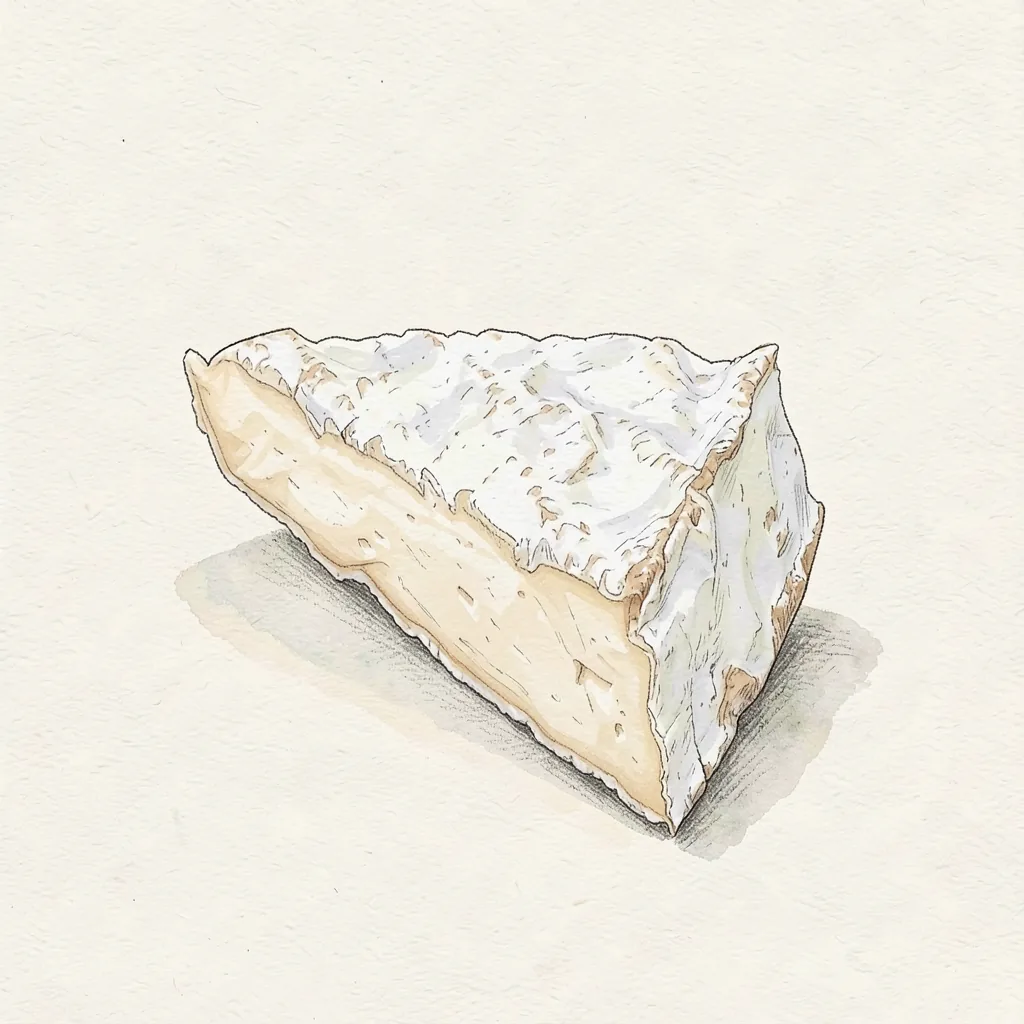
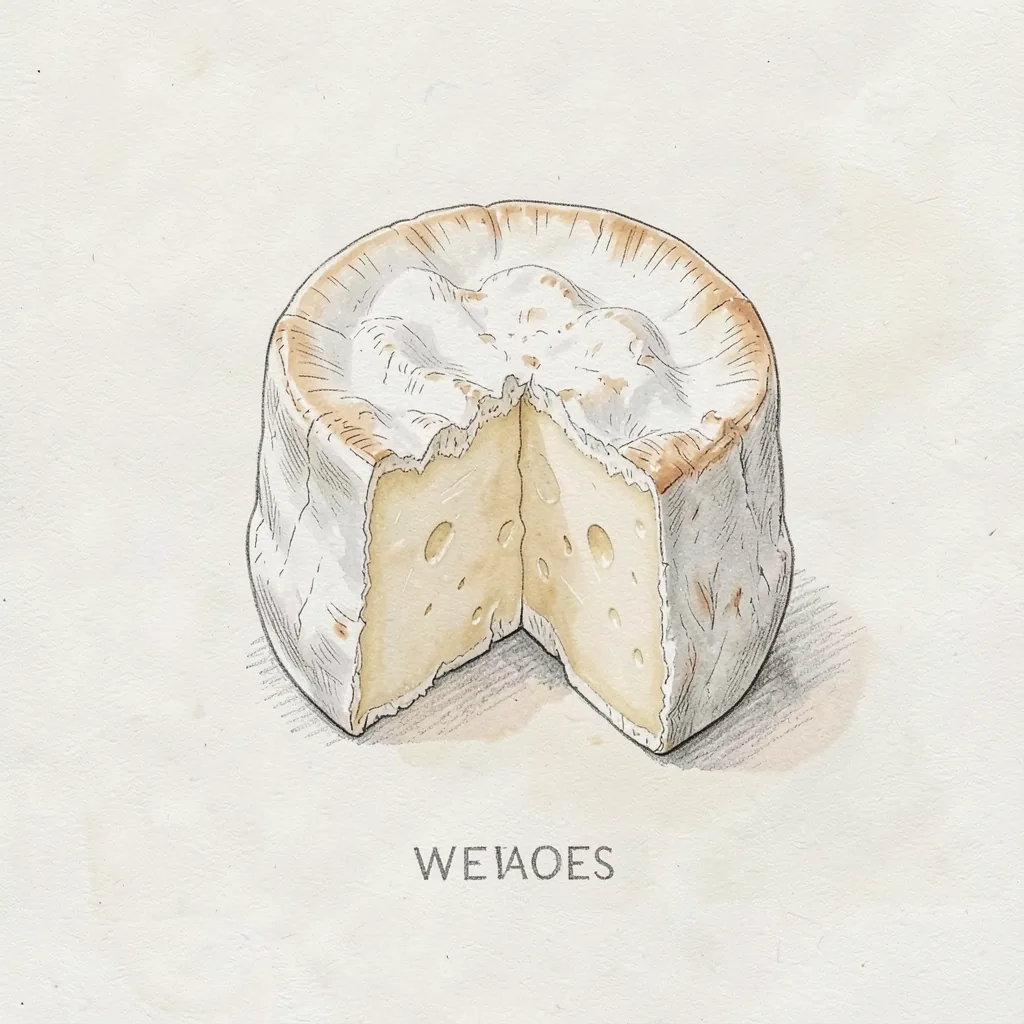
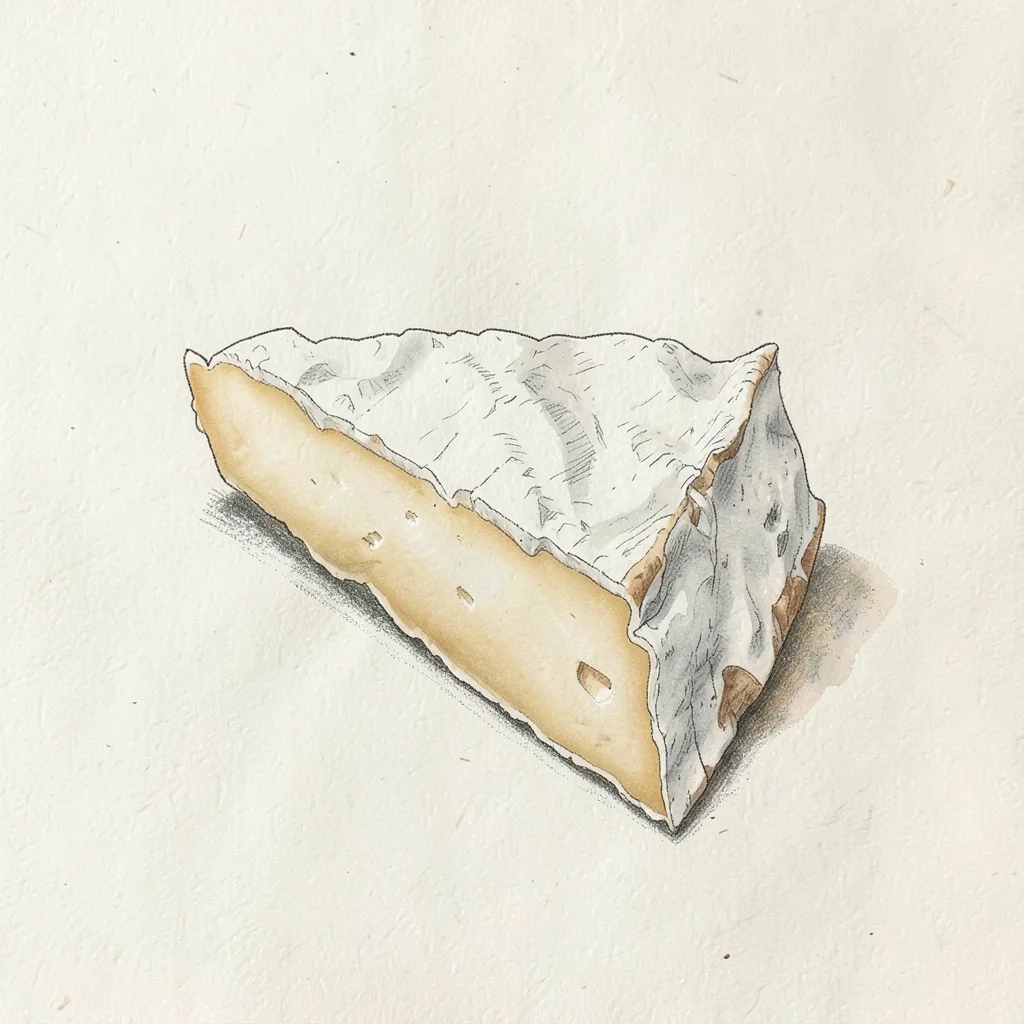
It is made from cow's milk and finished with a white bloomy rind. The wheel is smaller and thicker than a large Brie, so it ripens through the center more readily. The paste is pale and creamy when ripe. It belongs to the same broad family as Brie and Camembert, but it keeps its own name and size.
A young wheel is mild and a little firm under the rind. A ripe wheel slumps slightly and smells of mushrooms and butter. The flavor stays gentle compared with a very ripe Camembert. People eat it with bread, fruit, or a simple salad. Factory versions are common in shops, and farm versions can taste a bit more varied from batch to batch.
History
Soft bloomy cheeses have a long history in France, and Coulommiers developed beside the larger Brie cheeses. The smaller, thicker wheel was practical for local trade. Makers could turn it by hand and sell it when the rind had just whitened. Later, larger dairies copied the format for national sale. The cheese kept its name even when production moved beyond the first farms.
Coulommiers never became as famous abroad as Brie or Camembert, but French shoppers still know it. The name can appear on both traditional wheels and simpler factory cheeses. Quality varies with the milk and the length of ripening. A careful affineur waits until the paste softens toward the center. That patience is what separates a good wheel from a chalky one.
How it is made
Makers warm cow's milk gently and add starter cultures and rennet to form a soft, fragile curd. They ladle the delicate curd into round molds in thin layers so the whey drains slowly. The curd is not cooked and not pressed hard. After unmolding, the cheeses are salted on the surface. A white mold is then encouraged to grow across the rind.
Ripening happens in a cool, humid room, and the mold breaks down the paste from the outside inward. That is why a ripe wheel is creamy at the center. Turning the cheese during this stage keeps the rind even. Too little time leaves a chalky core, and too much time makes the paste runny and the smell sharp. Most wheels sold in shops are pasteurized, and the round format is easy to recognize.
Taste
Under a young rind, Coulommiers tastes clean, milky, and lightly salty. Mushroom and cream notes appear as the white mold matures. The center should taste sweet and buttery rather than sour or bitter. A chalky middle means the wheel needs more time before it is at its best. When the paste is fully soft, the flavor is richer but still mild, with a gentle finish.
The rind is thin and edible, and it carries more of the mushroom aroma than the paste does. Ammonia is a warning, not a feature to seek. At cool room conditions the texture loosens and the taste opens. Straight from a cold fridge the same wheel can seem dull and firm. Salt is moderate, so fruit and plain bread both fit.
In the kitchen
Serve Coulommiers on a board when the center yields to a light press. Bread, pears, and a few nuts are enough. It can be baked in its wooden box or in a small dish until the middle melts. The mild flavor suits a tart, a sandwich, or a spoon of it on warm vegetables. Do not cook it so hard that the butterfat separates.
A ripe wedge can be spread on bread instead of being sliced. It also works in a salad if you add it at the last moment so it does not melt into the leaves. Pair it with a light red wine or a dry cider. Avoid very sweet accompaniments, which can hide the mushroom note. Wrapped well, a cut wheel stays pleasant for a short time in the fridge.
Around the world
Outside France, Coulommiers is less common than Brie, and some shops sell it only at a good cheese counter. Visitors may meet it in French markets and then look for it at home. Where it is stocked, it often sits beside Camembert. Buyers who want a thicker soft cheese sometimes choose it on purpose. The name is worth learning, because a small Brie is not always the same thing.
In cooking, people treat it like other bloomy cheeses. It can replace Brie in a baked dish when the size is convenient. It should not be confused with a fresh lactic cheese, which has no ripened rind. Export wheels are usually pasteurized for safety and shelf life. A ripe example still shows why French soft cheeses travel so well to other tables.