Cow
What it is
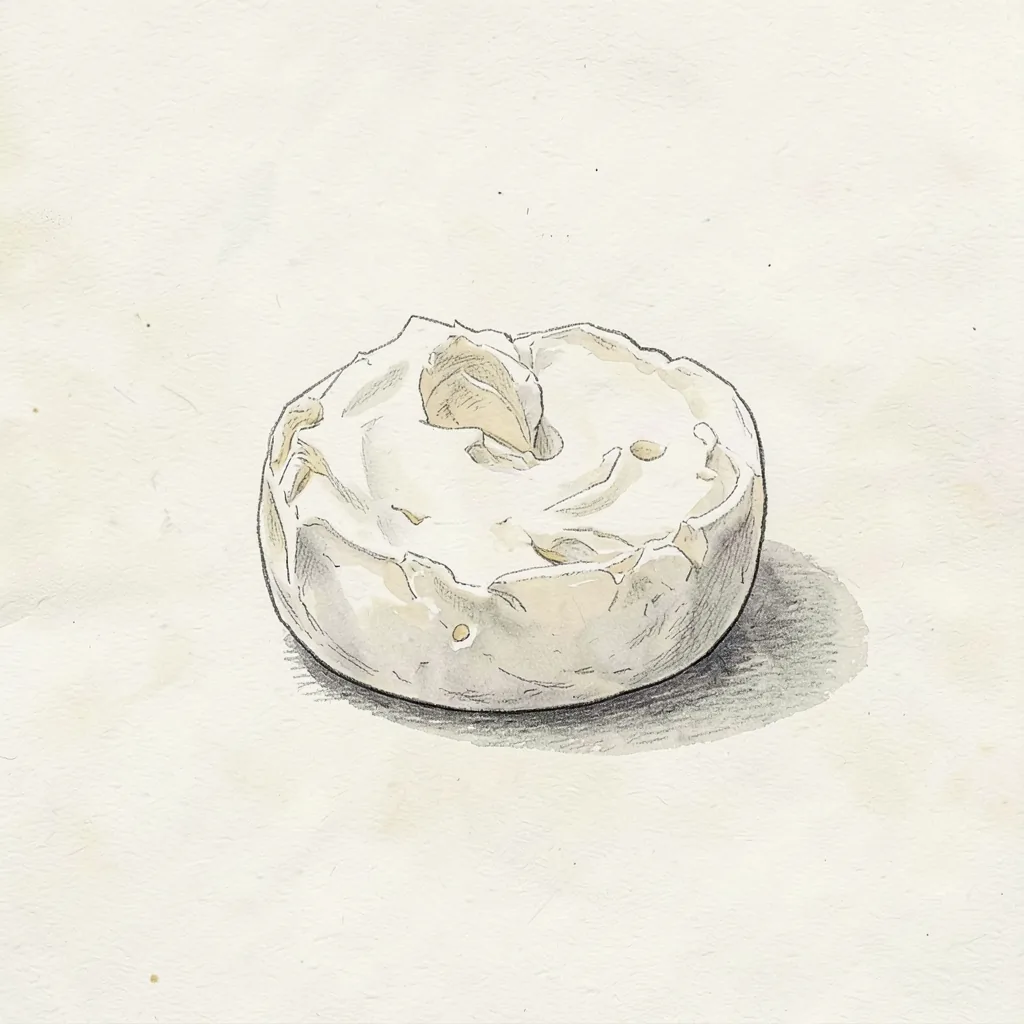
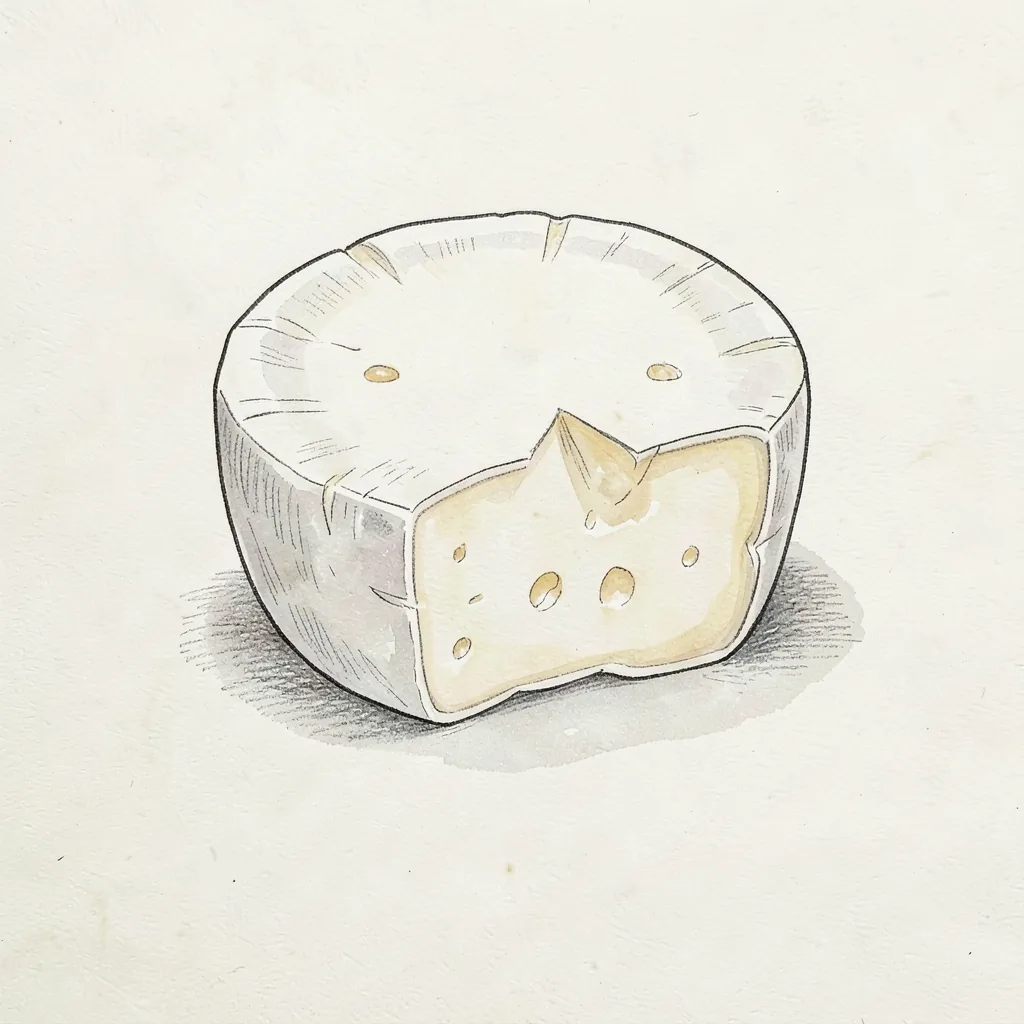
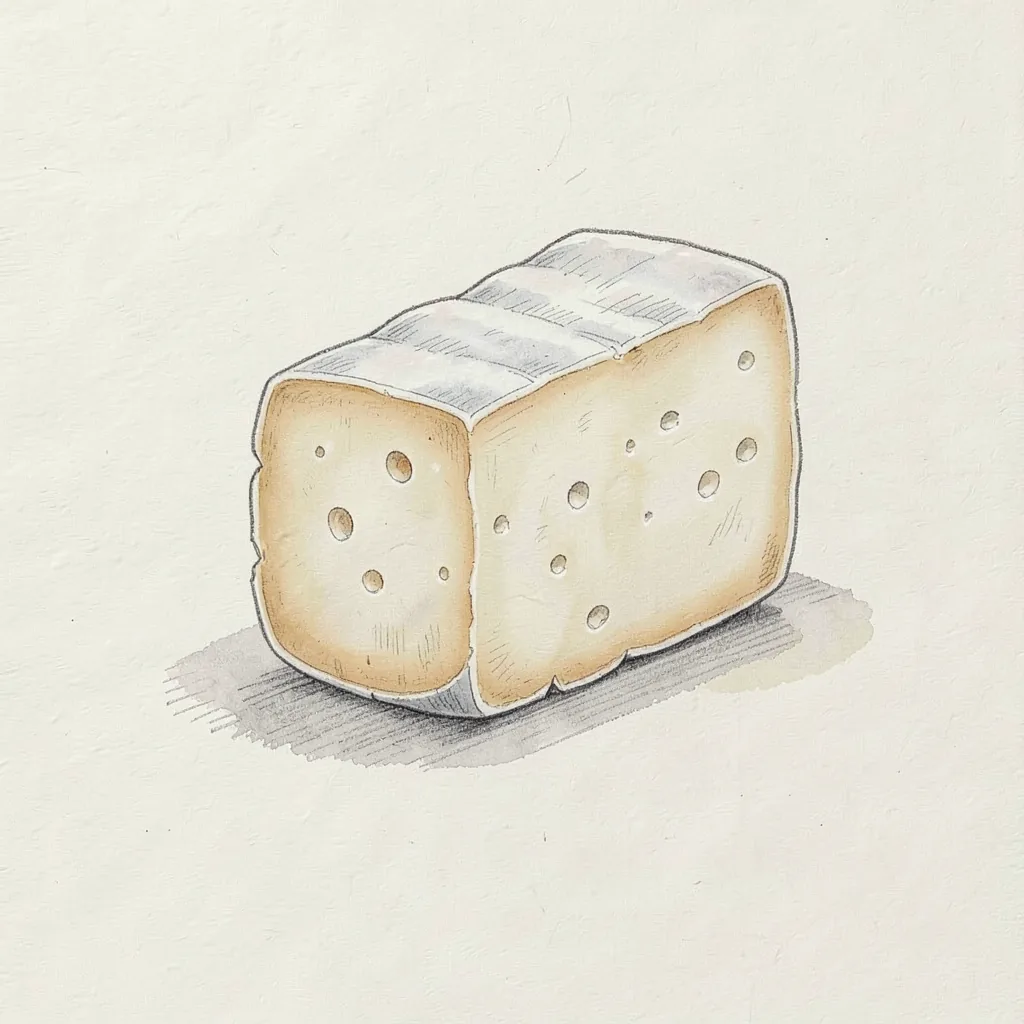
It is made from cow's milk that has been enriched with cream, or from double cream itself. The cheese is shaped into a short log and rolled in toasted oatmeal, which gives the outside a rough, nutty coat. The paste is soft, pale yellow, and thick enough to spread. It is a fresh cheese, not a pressed wheel and not a blue.
The oatmeal is part of the eating, not a rind you cut away. It adds a toasted, slightly grainy note against the smooth paste. The flavor is mild, buttery, and a little tangy, closer to a rich cream cheese than to a sharp aged cheese. People serve it with oatcakes or plain toast. A cold log is firm, and a warmer piece spreads more easily.
History
Caboc belongs to an old Scottish dairy tradition built on cream. It was a rich cheese, set apart from lean fresh cheeses made after cream had been skimmed from the milk. Crowdie is the usual contrast, because that cheese uses the leaner milk and tastes cleaner and lighter. Caboc kept the cream and gained an oatmeal coat that made each log easy to recognize. The method stayed in Scotland, and the cheese is still a specialty of the United Kingdom.
Stories about the first batch vary, and they are not needed to recognize the cheese. What shoppers can check is simpler. The cheese on sale is a soft cow's milk log coated in toasted oatmeal, and the traditional method does not use rennet. It stayed a specialty rather than a flavored creamery block. Outside Scottish counters it is still less common than a plain cream cheese, so the oatmeal coat is the clue on the label.
How it is made
Makers start with cow's milk and add cream, or they work with double cream from the start. The mix is set without rennet, so the body stays smooth and spoonable rather than springy. Once the curd is firm enough, it is drained until it holds a shape. It is then formed into short logs. Nothing is pressed into a wheel, and no mold is added to grow a rind.
Toasted pinhead oatmeal is rolled over the outside until the log is coated. The oats are the finish, and they also keep the soft paste from sticking to a wrapper. The cheese is not salted like a brine cheese and not kept until it turns hard. Color stays a pale yellow, a little deeper than white cream cheese. The grain of the oats is the only rough part.
Taste
The paste tastes of sweet cream, butter, and a light tang, with salt kept low. It is thick, slightly grainy, and denser than clotted cream, but it still yields easily to a small knife. The oatmeal brings a toasted, nutty edge that you taste with every bite if the coat stays on. There is no sharp bite and no bitter rind note. A piece that has dried in the fridge tastes flatter, so keep the cut face covered.
Compared with Crowdie, Caboc is richer and less acidic on the tongue. Compared with mascarpone, it is a bit firmer, and the oats change the flavor. It should smell clean and milky, not sour or yeasty. If the oatmeal tastes stale, the log has been kept too long. Eat it while the paste is glossy and the oats still smell freshly toasted.
In the kitchen
Spread Caboc on warm oatcakes, brown toast, or a plain cracker. It also sits on a cheese board as a soft contrast to firmer cheeses. A few leaves of watercress or a thin slice of crisp apple match the cream without covering it. Do not expect it to melt into a sauce, because it is a fresh cheese and heat can make the fat separate. Use it as a spread or a bite, not as a grating cheese.
Keep the log cold and wrapped so the oats do not go soft and damp. Let a portion sit out briefly before serving, and it will spread with less pressure. If you mix it, fold in a little lemon zest or chopped herbs only at the table, because the plain cheese is the point. Leftovers should be finished soon. The coat will not protect a cut log for a long time.
Around the world
Caboc is easiest to find in the United Kingdom, especially where Scottish foods are sold. Specialty shops abroad sometimes carry a log, but many cheese counters do not. If you see a pale log rolled in oats and labeled as a Scottish cream cheese, you are likely looking at it. Read the label for cow's milk and cream, since that richness is the identity. A plain soft cheese without oats is a different product.
Crowdie is the cheese most often named beside it, and the two are easy to confuse if you only know that both are Scottish. Crowdie is lean, crumbly, and sharper. Cream cheese or mascarpone can stand in when you need a mild, rich spread, but neither has the oatmeal coat. On a board, say that the oats are meant to be eaten. In a dish that only needs soft cream cheese, Caboc will taste nuttier than expected.