Cow
What it is
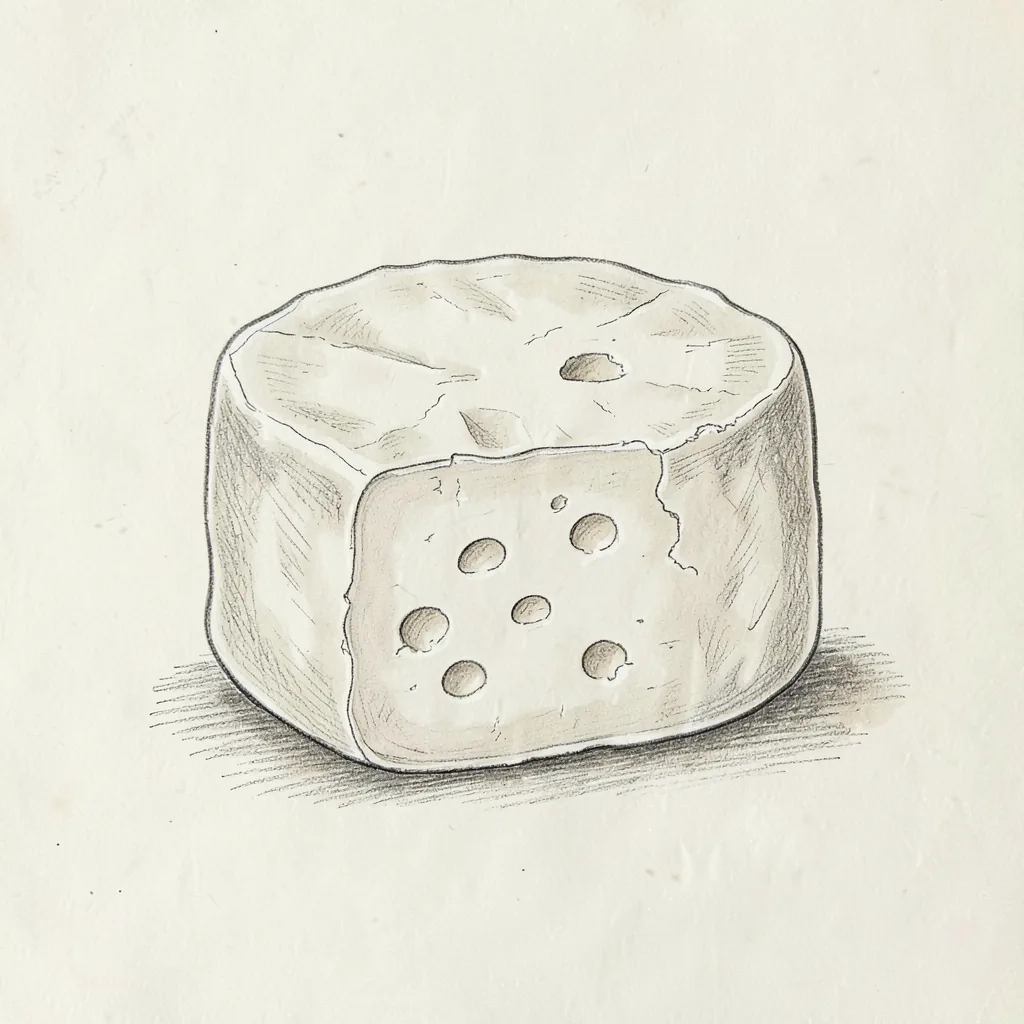
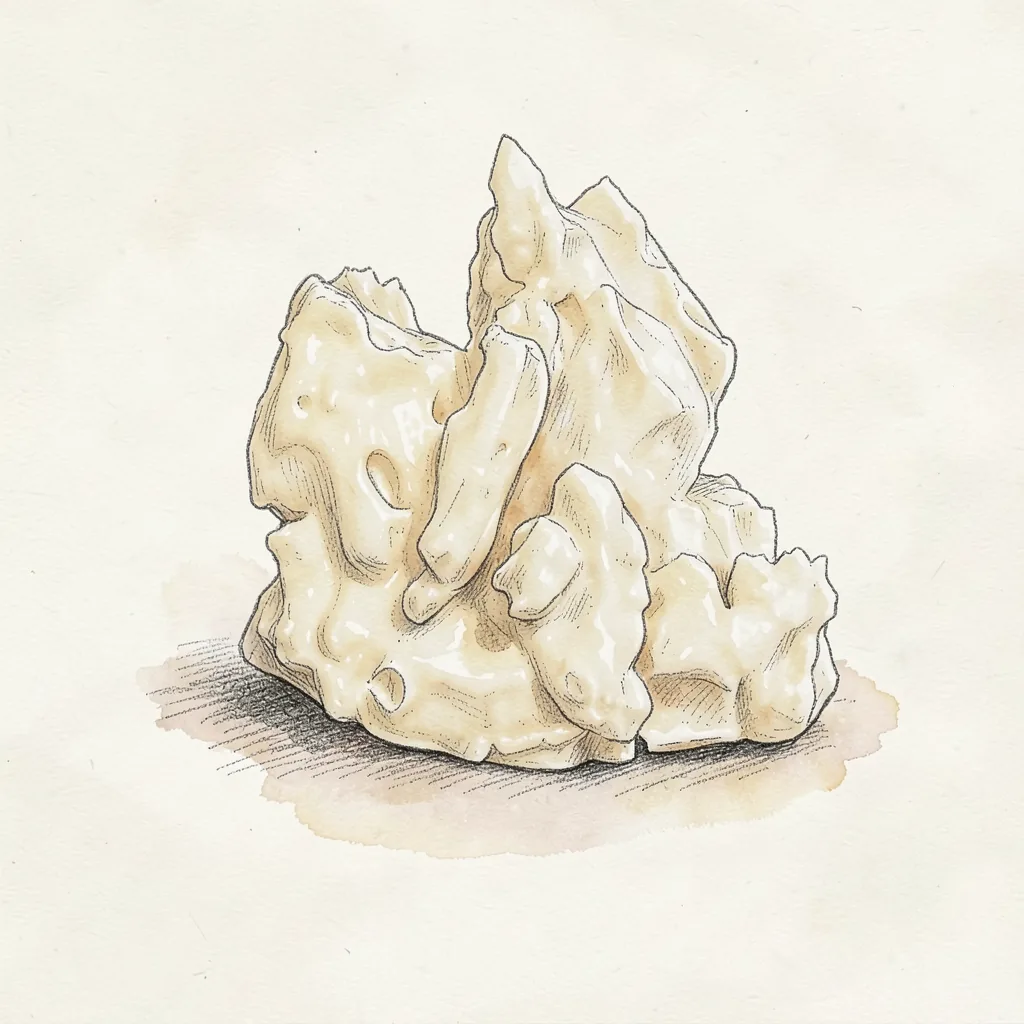
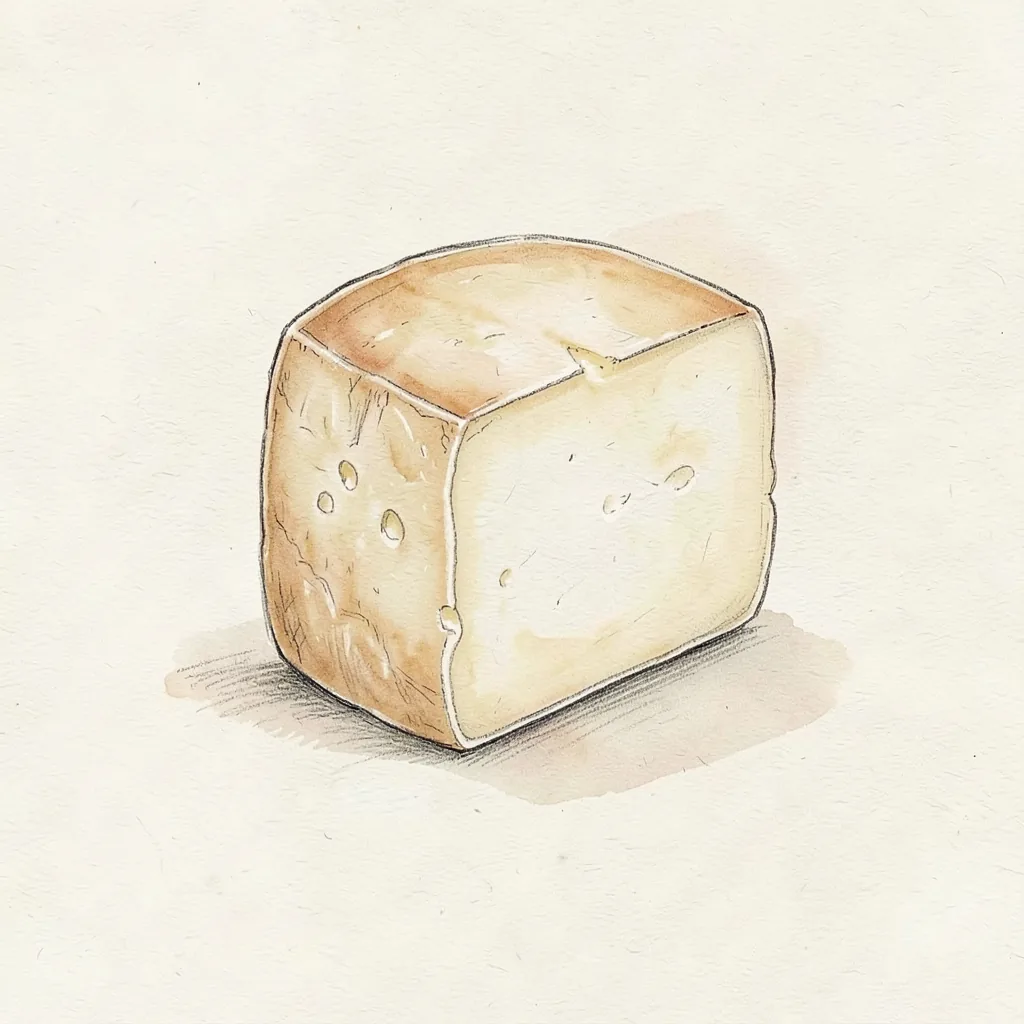
It is soft, crumbly, and lightly sour, closer to a fresh curd than to a pressed wheel. The curd is set with acid, so the flavor stays mild and clean. The paste is white and moist, with no rind at all. People eat it soon after making, while it is still soft.
The cheese belongs to an old pattern of farm cooking, made after cream was taken off for butter. What remains is skimmed milk, and that milk becomes Crowdie. It is not a rich double-cream cheese, and it is not a blue. Modern pots from dairies keep the same plain character. You can spread it, crumble it, or eat it with warm oatcakes and butter.
History
Farm kitchens in Scotland made Crowdie as a way to use milk after the cream was skimmed. The method needed no long cellar and no heavy press. Families ate the fresh curd with bread, butter, or oats, and they also mixed it with cream for a softer dish. The name is old in Scots speech, where a similar word can also mean a plain oat mixture. The cheese and that oat dish are not the same food.
The cheese nearly faded when farm butter making declined, and creamery foods replaced home curds. Interest returned with the wider revival of Scottish foods, and small dairies began to sell pots again. No single recipe binds every maker. Texture and sourness still vary from one pot to the next. What stays constant is the fresh, lean character and the link with Scotland.
How it is made
Crowdie starts with cow's milk, often skimmed or partly skimmed. The milk is warmed and acidified so it curdles without a long rennet set. Makers cut the curd, drain the whey, and salt the soft mass lightly. Some hang it in cloth until it is crumbly but still moist. There is no pressing into a wheel and no ripening under a rind.
A few makers add a little cream back into the curd, which makes a softer and richer pot. Others leave it lean, which keeps the traditional bite. Oats are not mixed into the cheese itself, and they appear on the plate as oatcakes beside the pot. Because the cheese is fresh, dairies pack it in small tubs and keep it cold. The pot should smell clean and slightly sour, not yeasty.
Taste
The taste is mild, tangy, and clean, with a lemon-like sourness rather than a deep aged flavor. Fat is low, so the cheese does not coat the mouth the way a rich fresh cheese does. The texture breaks into soft crumbs that still feel moist. Salt is light unless a maker chooses a firmer, saltier batch. Nothing smoky, blue, or sharply animal shows up in a good pot.
A fresher pot tastes more of milk and a gentle lactic tang. If it sits too long, the sourness grows and the paste can turn grainy or bitter. That is a fault, not a style to chase. Compared with cottage cheese, Crowdie is denser and less watery, and the curds are smaller. A spoonful with cream softens the tang and makes the flavor rounder.
In the kitchen
Spread Crowdie on oatcakes or toast, and add a pinch of salt or a little honey if you want contrast. Crumble it over salad, baked potatoes, or roasted beets. It can go into a dip with herbs, but it will not melt into a smooth sauce. Cooks sometimes beat it with cream and chives for a quick spread. Heat makes it softer, then it can split, so keep cooking gentle.
The classic plate is simple: Crowdie, oatcakes, and butter, sometimes with cream on the side. It works at breakfast beside fruit, and it works after dinner in a small bowl. Do not plan on grating it, because the paste is too soft and moist. Use it as you would use a fresh curd cheese, not as you would use a firm aged block. Finish an open pot quickly, and keep it cold, because the fresh curd sours further in storage.
Around the world
Crowdie is well known in Scotland and much less known beyond the United Kingdom. Visitors meet it at farm shops, food markets, and some supermarket counters. Outside Britain it appears only now and then, usually through a specialist importer. Cheese guides sometimes skip it because it is plain and fresh rather than aged. That plainness is the point, and it is worth seeking if you like fresh curds.
Cooks elsewhere can use cottage cheese, quark, or fromage blanc in the same simple plates. Those stand-ins are easier to buy, and they are not the same cheese. None of them carries the Scottish habit of oatcakes and a lean curd. If a menu lists crowdie, check whether it means the cheese or an oat mixture. The cheese will be in a pot or a mound, not a dry bowl of meal.