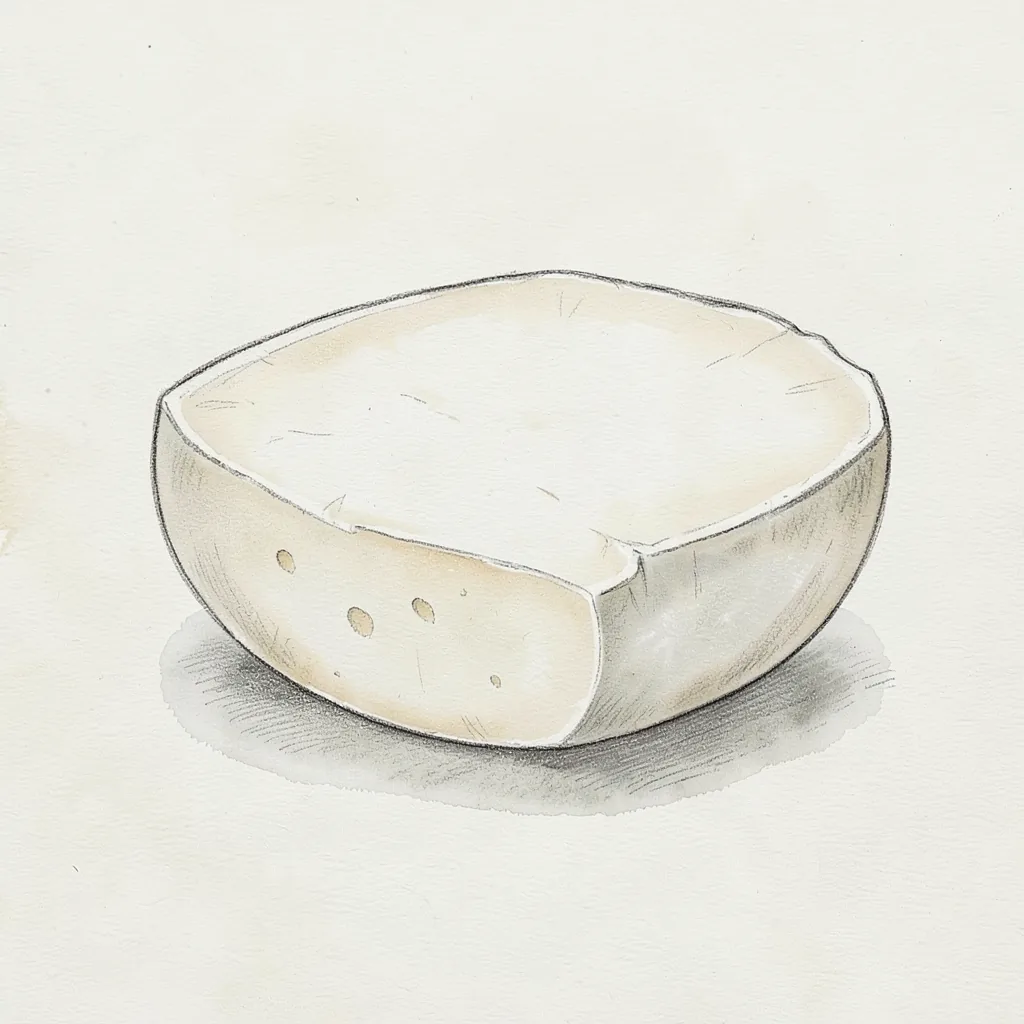
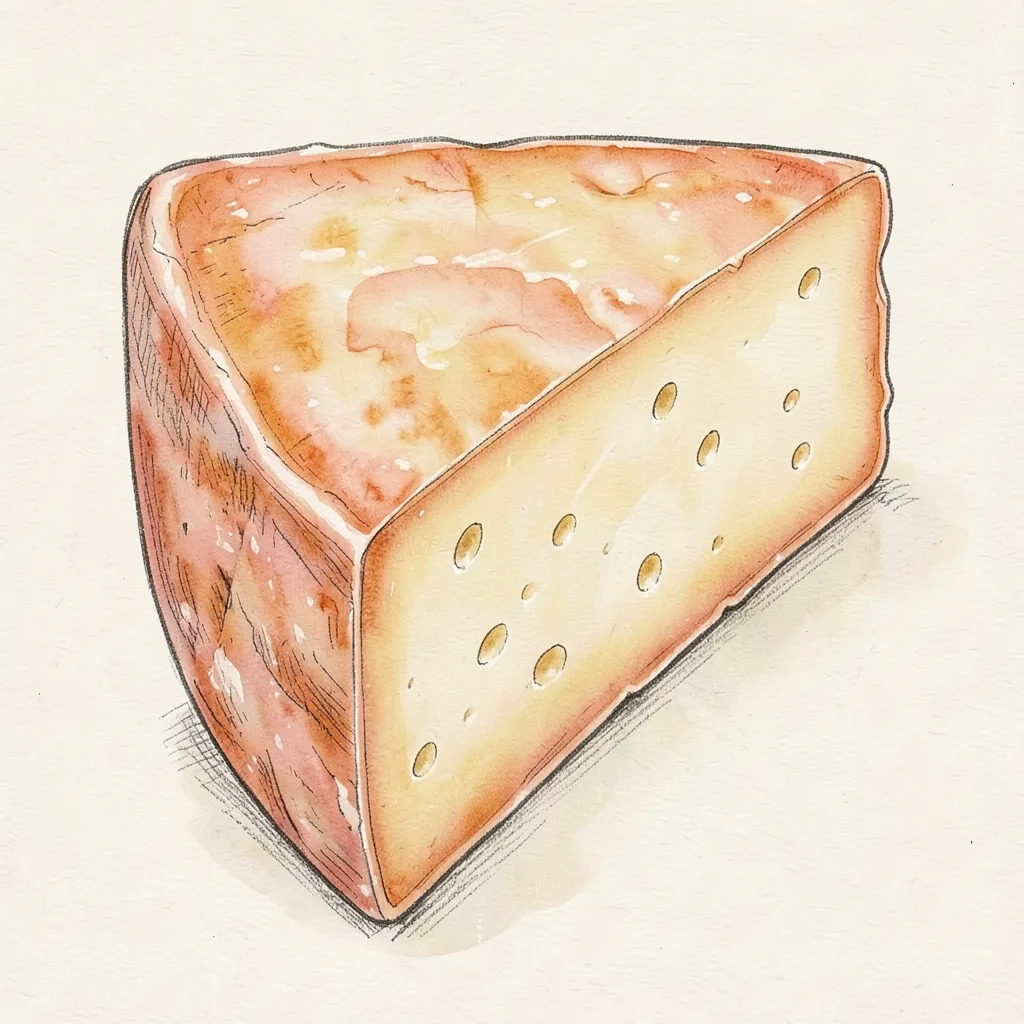
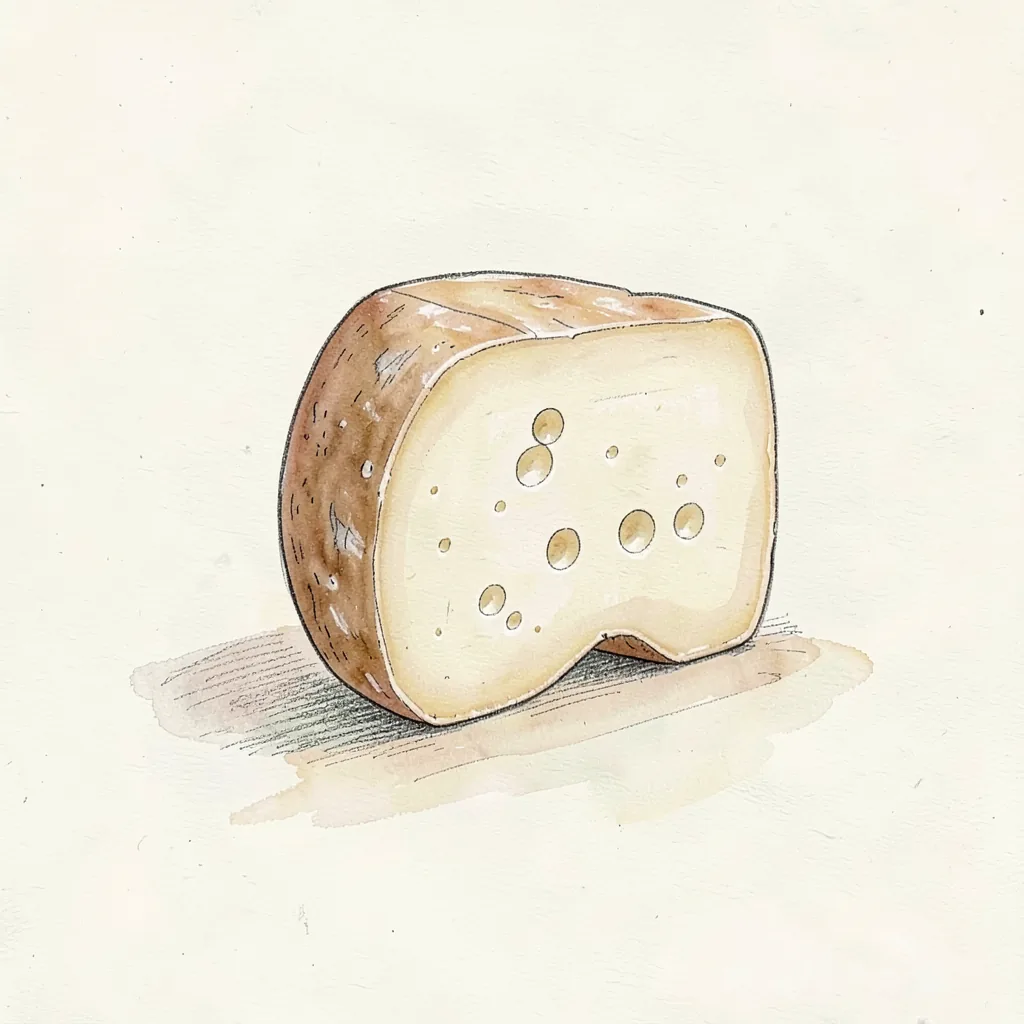
Cow
What it is
The texture is closer to a thick sauce than to a slice you cut from a wheel. Makers melt a low-fat cheese called metton with liquid and a little butter, so the finished paste flows from a spoon. Garlic is common, and plain pots are common too. The flavor is mild, salty, and lightly tangy, with a buttery smell.
The cheese is eaten cold on bread or warmed until it stretches and can coat a bite of potato. Some batches include a splash of white wine, and others stay simple. Because the base is made from skimmed milk, the taste is less rich than a soft bloomy cheese. Butter added at the end brings the body and the aroma back. A spoon, not a wire cutter, is the honest way to serve it.
History
Skimmed milk left after butter-making was set into a cheese, kept until it fermented, and then melted so it could be eaten instead of wasted. That thrifty path made a food that farm kitchens could prepare from stores they already had. Luxembourg households took up the same melted style, often under the German name Kachkéis. The pot on the table was ordinary food, not a feast piece. People still eat it at breakfast and with simple suppers.
Eastern France, especially the Franche-Comté countryside, makes the best-known version and sells it in small pots. The Luxembourg dish is close enough that a visitor may hear both names for one style of melted cheese. Trade across that border kept the habit alive in home kitchens and in shops. Nothing about the method needed a cave or a long ripening. Once metton existed, the rest was a short melt before eating.
How it is made
Production has two clear stages, and both matter. Cow's milk is skimmed, set, and drained until it becomes metton, a firm low-fat cheese with a strong fermented smell. That metton is ripened until the texture and aroma are ready for melting. It is not the mild cheese most people eat by the slice. It is the concentrated base that gives the pot its tang.
For the second stage, the ripe metton is melted with water or milk over gentle heat and stirred until smooth. Butter and salt go in near the end. Garlic, wine, or both are optional and should be named on a commercial pot if they are used. The cheese is then poured into a jar while it is still fluid. Once cool, it sets into a glossy, slow-moving paste that will melt again when warmed.
Taste
Plain cancoillotte tastes of melted butter, salt, and a light yeasty tang from the metton. The smell is stronger than the flavor, a bit like warm milk, toasted cheese, and a clean cellar. Garlic versions are sharper and more savory, while a plain pot stays quiet. There is little sweetness and almost no rind character, because there is no rind. Bitterness should stay in the background, not dominate the spoon.
Texture is the other half of the experience. Cold from the pot, it is sticky, smooth, and slow to spread, and it can form strings when you lift a knife. Warmed, it turns fluid and coats bread or potato evenly. It should not be grainy, chalky, or separated into fat and liquid. A fresh pot smells appetizing, while a sour, harsh smell means it has been kept too long.
In the kitchen
In Luxembourg, a common plate is bread spread with mustard and then with cold cancoillotte. The same cheese can be warmed in a small pan and served like a light fondue, with bread for dipping. Potatoes, ham, and firm sausages take the hot version well. Because it is already salty, taste the dish before you add more salt. A thin layer is enough, since the flavor concentrates as it heats.
It melts into scrambled eggs, a gratin, or a baked potato without needing another cheese. It is a poor choice for a grating pile or a grill, because it never becomes a dry shred or a firm slice. On a cheese board, offer it in a bowl with a spoon so guests understand it is a spread. Garlic pots dominate a plate of mild cheeses, so pair them with plain bread. An open pot should be kept cold and used promptly.
Around the world
Most of the cheese that carries this name is made in eastern France, and that is where many travelers meet it. Franche-Comté cooks spread it on bread at breakfast or warm it for dipping. Luxembourg keeps a sister version under the name Kachkéis, often with mustard on an open sandwich. The two are near relatives, even when labels and shops differ. A buyer should read the pot, because garlic and wine change the dish.
Outside that corner of Europe, cancoillotte is still a specialty and not a standard grocery item. Cup cheese from Pennsylvania Dutch cooking is the closest American parallel, because it is also a melted, tangy cheese eaten warm or spread. A ripe Vacherin-style cheese can supply a runny texture, but the flavor is much richer and the rind is part of the pleasure. Metton itself is not a fair substitute on a plate. If the real pot is missing, choose another salty melted cheese and keep the seasoning simple.