Goat
What it is
The word comes from capra, the Italian word for a goat. Fresh caprino is the version most shops mean, a small soft cheese that is white, spreadable, and bright with tang. Aged caprino is firmer, saltier, and better for cutting than for spreading. Italy produces both, and the plain name has no single town attached to it.
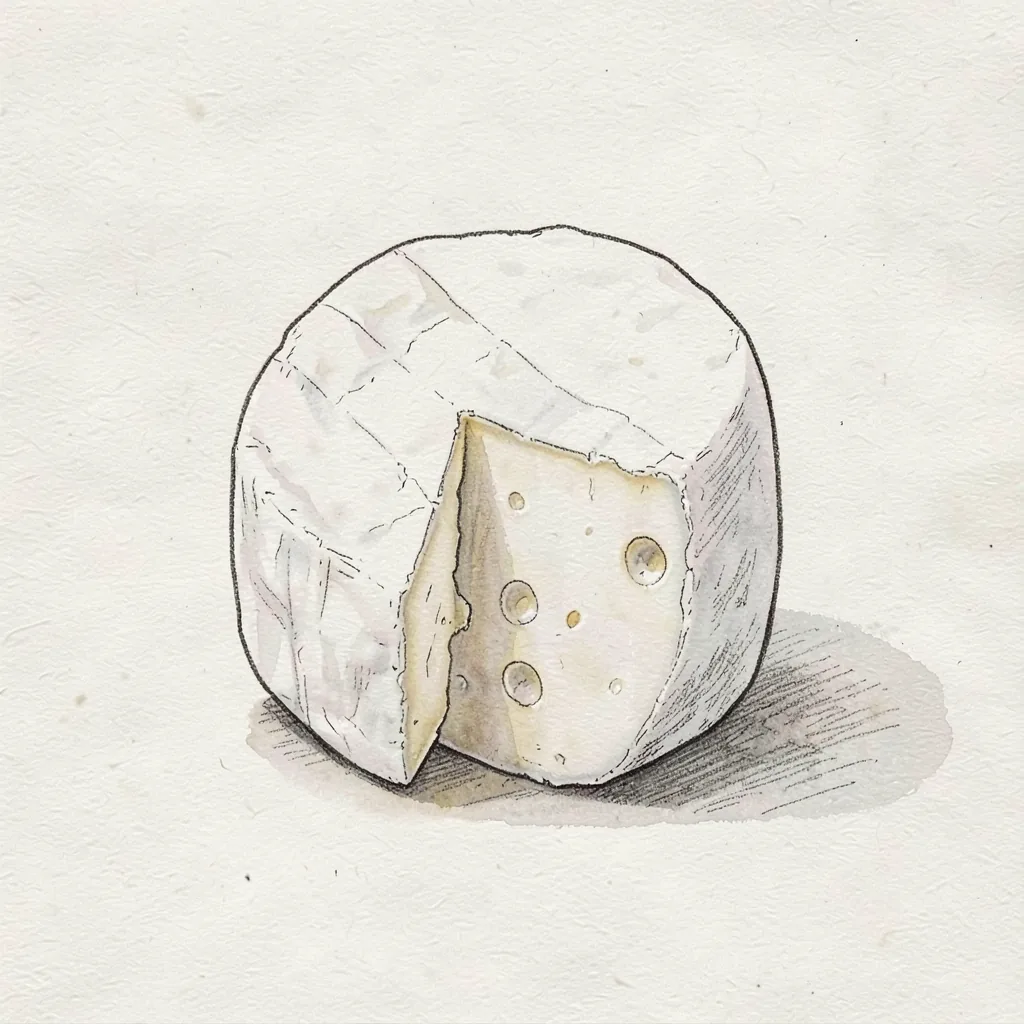
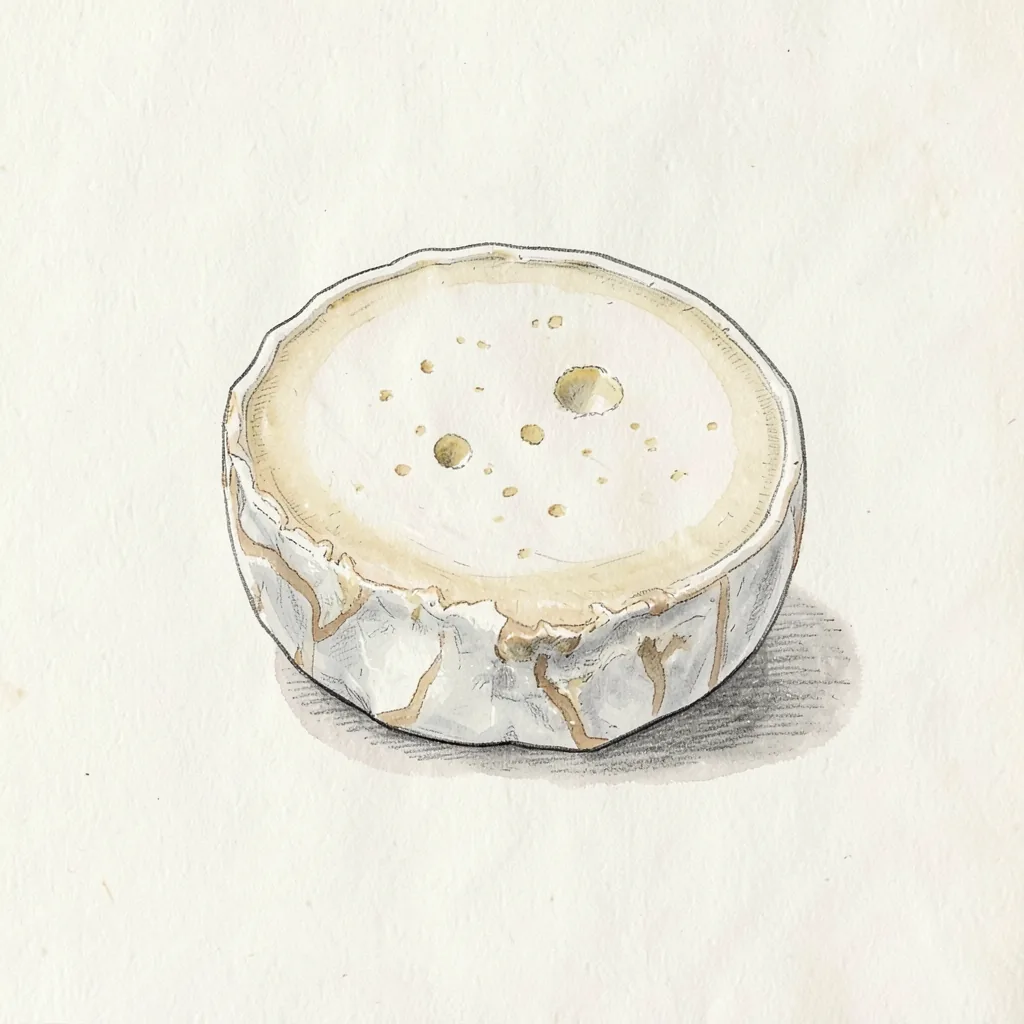
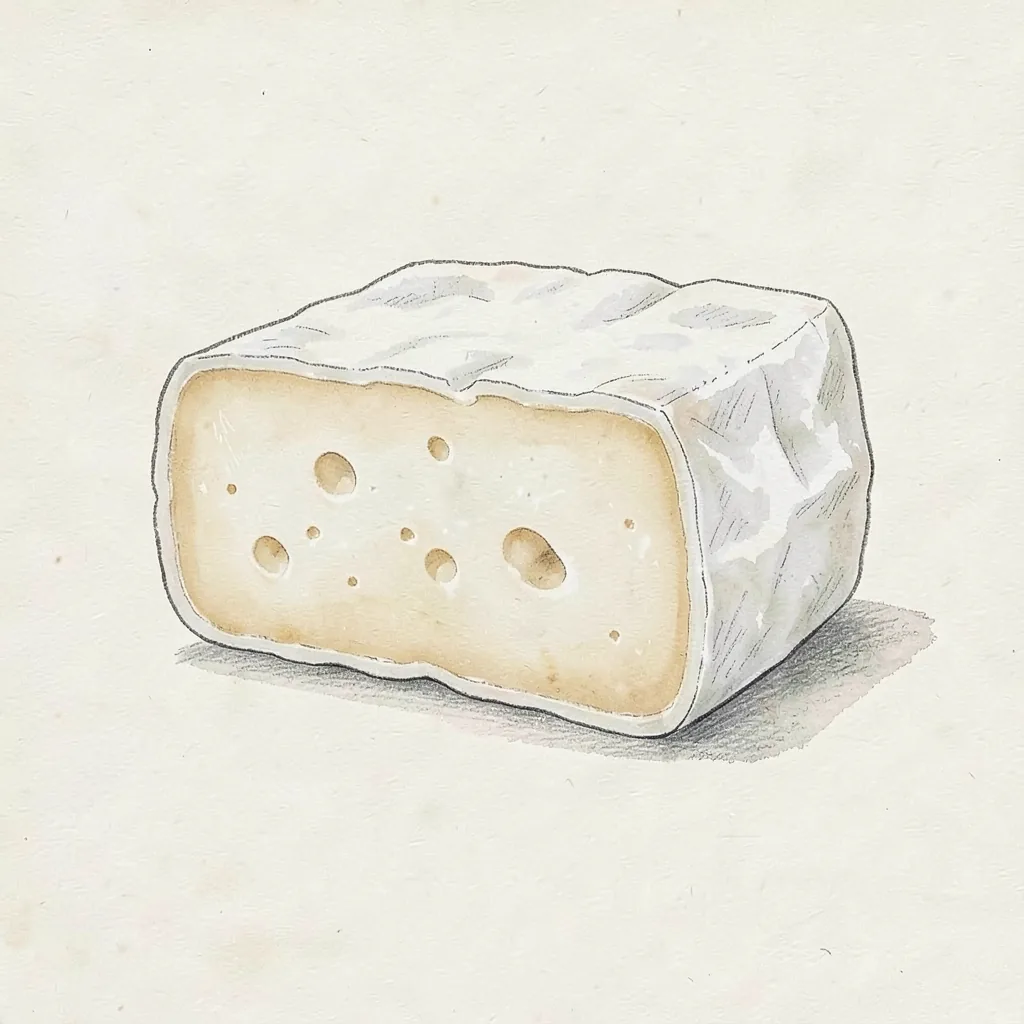
A fresh round or log is creamy and lightly sour, sometimes plain and sometimes rolled in herbs or pepper. Aged pieces grow a thin rind and a drier paste that tastes sharper than the fresh cheese. Both are goat's milk cheeses, so a clean tang is part of the point. Caprino shows up in everyday Italian meals, from a snack with bread to simple cooking. Buy the age the recipe names, because fresh and aged pieces do not do the same job.
History
Goat's milk cheese in Italy is older than the neat grocery log, and caprino is the broad word cooks use for it. Herds supplied milk that was made into small cheeses for quick eating or for a short age. The name never collapsed into one dairy or one district. That is why lists of Italian cheeses can include many local caprini with extra words after the main name. The plain word still means goat's milk cheese from Italy, while the shop version is simply fresh or aged.
Fresh cheeses were food for the days just after milking, and aged ones kept longer in a cool room. Herbs, pepper, and olive oil were practical seasonings, not a separate invention with its own origin story. Today dairies make even logs and small rounds for wide sale, while farms still make less regular shapes. The words fresco and stagionato keep the split between a cheese you spread and a cheese you slice. If a label adds a place, that cheese is a local member of the wider caprino family.
How it is made
Fresh caprino is a goat's milk curd that is drained until it is soft but able to hold a small shape. Makers salt it and often sell it while the paste is still creamy and moist. Some batches are formed in little molds, and some are packed as short logs for the shop. Herbs or cracked pepper can be mixed through the paste or pressed onto the outside. The goal is a fresh cheese, not a long age, and the curd is not stretched and not blued.
Aged caprino starts from the same goat's milk and then rests until the paste tightens and a thin rind forms. The rind may look pale yellow or lightly reddish, depending on the air and on how the surface is treated. Salt becomes more obvious as moisture leaves the wheel or the small square. Olive oil is sometimes used to keep a fresh cheese moist or to coat one that is aging. Those finishes do not change the milk, which remains goat's milk from the start.
Taste
Fresh caprino tastes bright, tangy, and a little citric, with a goat's milk aroma that should stay clean. The paste is moist and spreads with a knife at cool room temperature. Salt is usually moderate, so you can still season the dish around it. Herbs, if they are present, should smell like herbs rather than like a heavy perfume. A bitter or soapy note means the cheese is too old or the milk was poorly handled, so choose a moist white piece.
Aged caprino is firmer, saltier, and more savory, and the goat character moves from fresh tang toward a drier bite. You can cut it into small pieces instead of spreading it on bread. Eat the rind only when it is thin and clean. Some aged pieces are sharp enough to grate over a rustic plate, but many remain table cheeses. Do not expect the mild sweetness of a young cow's milk cheese, because goat's milk stays in the flavor.
In the kitchen
Spread fresh caprino on warm bread, or mash it with olive oil and herbs for a quick dip. It works on salads, on roasted vegetables, and in eggs where a soft goat cheese should stay in soft curds. A spoonful can finish a pasta if you toss it off the heat so it melts gently. High heat can make the fresh cheese grainy, so keep the cooking short. Taste before you add much salt, because the cheese already carries a tang.
Aged caprino belongs on a board with fruit or honey, and it can be shaved onto salads and warm greens. It is a weaker grating cheese than a hard aged wheel, so use small firm shards rather than a fine powder. French chevre can replace fresh caprino in most recipes, because both are soft goat cheeses with a similar tang. A very fresh Italian cheese from other milk will not give the same flavor. Match the age you buy to the age the dish expects.
Around the world
Outside Italy, caprino shows up in Italian markets and on restaurant boards as a goat's milk cheese. Shoppers who know chevre will recognize the fresh style at once, even if the shape is a small round. The Italian name is worth keeping, because not every soft goat cheese is seasoned or salted the same way. Aged caprino is less common on export shelves than the fresh logs and tubs. Ask for fresco if you need a spread, and ask for stagionato if you need slices.
Many countries make a fresh goat cheese, and those cheeses can stand in when an Italian label is missing from the shop. They are useful substitutes, not the same product with a new wrapper. Local Italian cheeses that start with the word caprino and then add a place are narrower foods. A generic tub does not claim to be one of those local cheeses. For a weeknight dish, plain fresh caprino or a plain chevre is enough, and it should be cool rather than icy so the aroma shows.