Goat
What it is
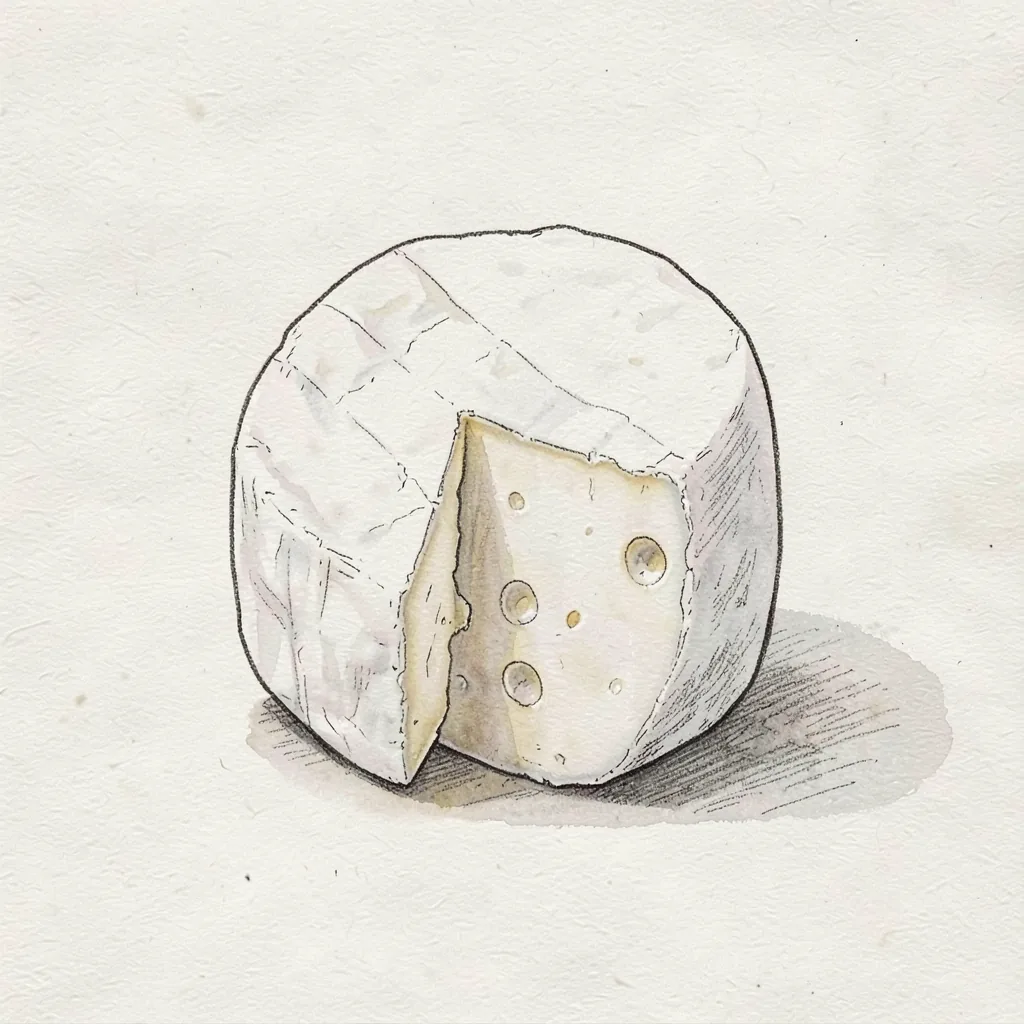
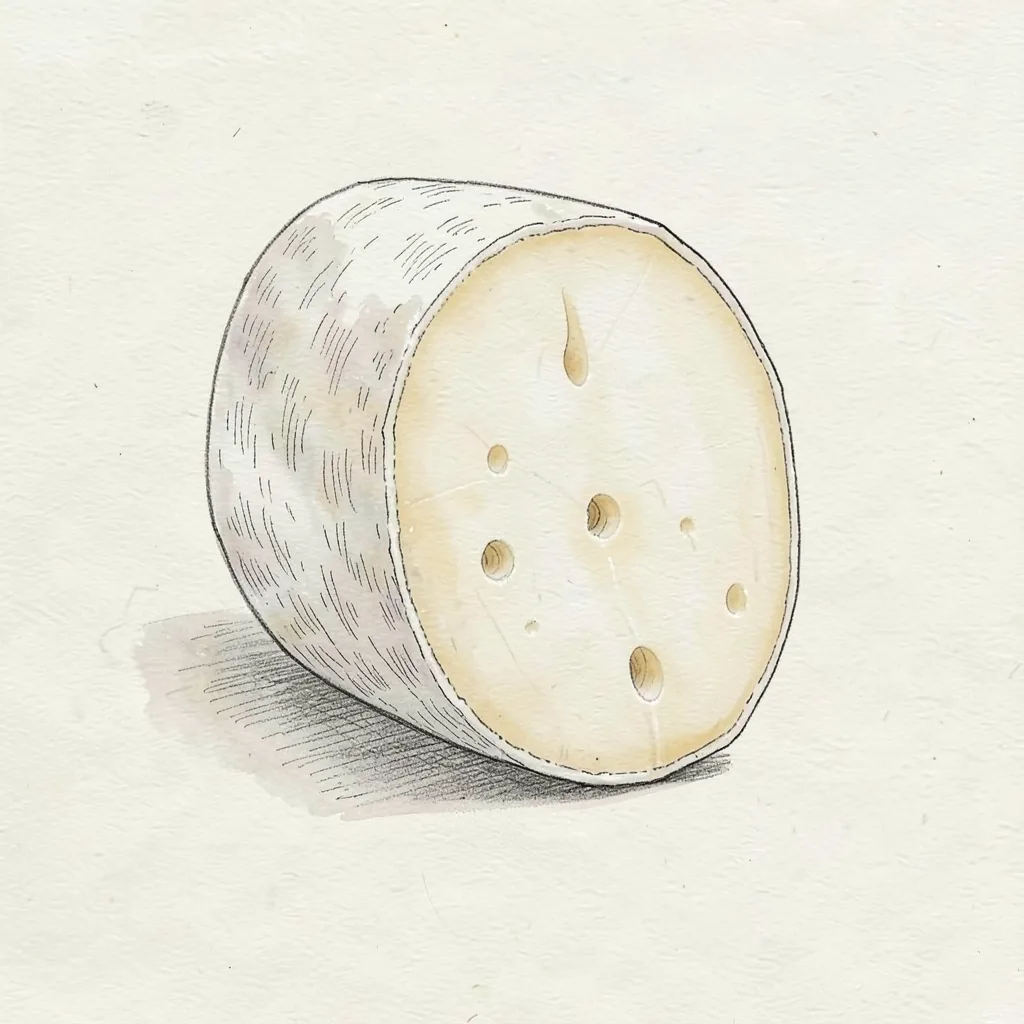
The name means woodcutter, which fits the snowy white shape. A bloomy rind covers an ivory paste that is denser in the center and creamier near the edge. The center tastes bright and a little tart. The outer paste is milder, softer, and tastes of mushrooms from the rind.
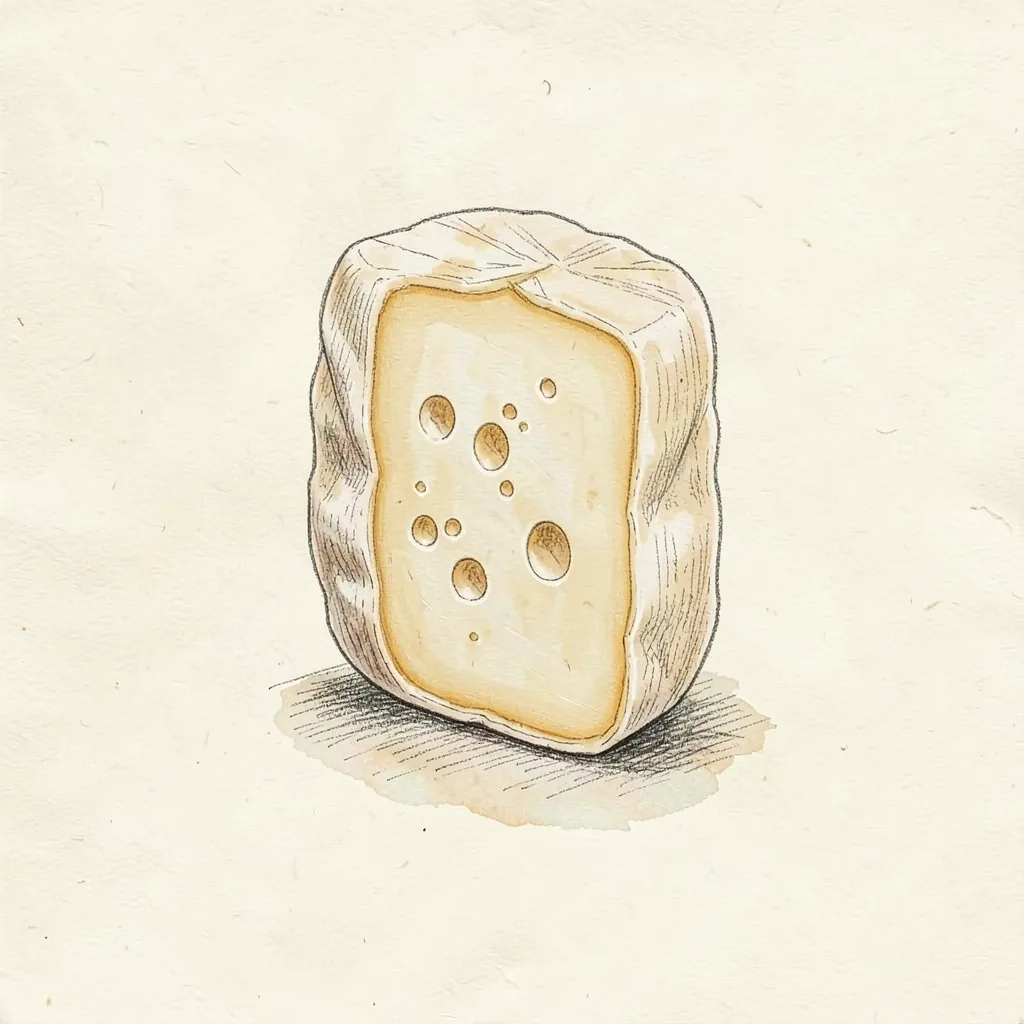
Shops often cut the log into rounds, so you may buy a disk rather than a whole piece. Young cheese has a chalky core and a thin cream line. With more ripening the soft layer thickens and the flavor grows sharper. It is still gentle next to a very aged goat cheese. Use it on a board, in a salad, or spread on bread when the paste is soft.
History
Bucheron grew up among the goat cheeses of the Loire countryside in France, where a log was a practical shape for farm milk. The woodcutter name matches that shape, and it does not point to one recorded maker. Herds of goats supplied the milk for small dairies. Ripening under a white mold rind became the mark of the style. The cheese then traveled as a log that shops could slice into rounds.
The log format also explains the two textures in one piece. A large diameter keeps a moist, tangy center while the rind works inward. Smaller goat cheeses often ripen all the way through and turn drier. Bucheron keeps that contrast for longer, which is why a slice can be both chalky and creamy. Modern creamery logs follow the same idea, even when the milk is pasteurized for travel.
How it is made
Goat's milk is set with lactic cultures and a small amount of rennet, in the slow style used for many soft goat cheeses. The curd drains until it is firm enough to hold a shape. Makers fill it into long molds to form the log. Salt is added on the surface or in the curd. A white mold culture is present so a bloomy rind can grow.
The logs ripen in a cool, humid room while the rind blooms and a soft cream layer moves inward from the surface. The center stays brighter and more compact for a while. The dairy sells the cheese when that contrast is clear. Some logs are cut and wrapped as rounds before they reach the counter. Pasteurized milk is common on logs sent far from the dairy, while the shape and the rind stay the same.
Taste
A slice of Bucheron is a small map of ripening. The core is bright white, tangy, and a bit citric, with a fresh goat flavor that is clean rather than barnyardy when the cheese is well made. Near the rind the paste turns creamier and tastes of mushroom, butter, and salt. The rind itself is soft, white, and edible. Eaten together, the zones balance tart and mild.
Age moves the balance, so very young Bucheron is firmer in the center and milder overall, with a lemony snap. Later the cream line grows and the goat note becomes sharper and longer. It should not smell of ammonia or taste harshly bitter. If the center is dry and the rind is thick and gray, the piece is past its best. A good log smells of fresh milk and clean mushroom.
In the kitchen
Serve Bucheron in wedges so each bite includes rind, cream line, and center. Bread, honey, and a ripe pear are simple partners, and the cheese also works in a green salad. Crumble the firmer core over leaves, beets, or roasted vegetables. The soft outer paste can be spread on toast. Leave the rind on unless a guest prefers it off, because it carries the mushroom note.
Heat is optional. A round can be warmed until the cream line softens, then spooned onto potatoes or a tart. Do not use fierce heat, or the rind can turn bitter and the center can split and leak. In a salad, add it at the end so it stays in pieces. Wrap the cut face and keep it cold, and eat a ripe log soon, because the soft layer keeps moving.
Around the world
Outside France, Bucheron is one of the goat logs people are most likely to see, often sold by the round. The label should say goat's milk. A whole log shows the idea best, but a slice is the normal shop piece. Look for a white bloomy rind and a contrast between a soft edge and a firmer center. A gray, wet, or ammonia-scented piece is too old.
Sainte-Maure de Touraine is the log most often confused with it. That cheese is also goat's milk, but it is usually narrower, often ashed, and pierced with a straw. A fresh chèvre is a fine substitute in a salad, though it lacks the bloomy rind and the creamy edge. Crottin de Chavignol is smaller and often drier, with a different shape. Use Bucheron when you want both tart center and soft rind in one slice.