Cow
What it is
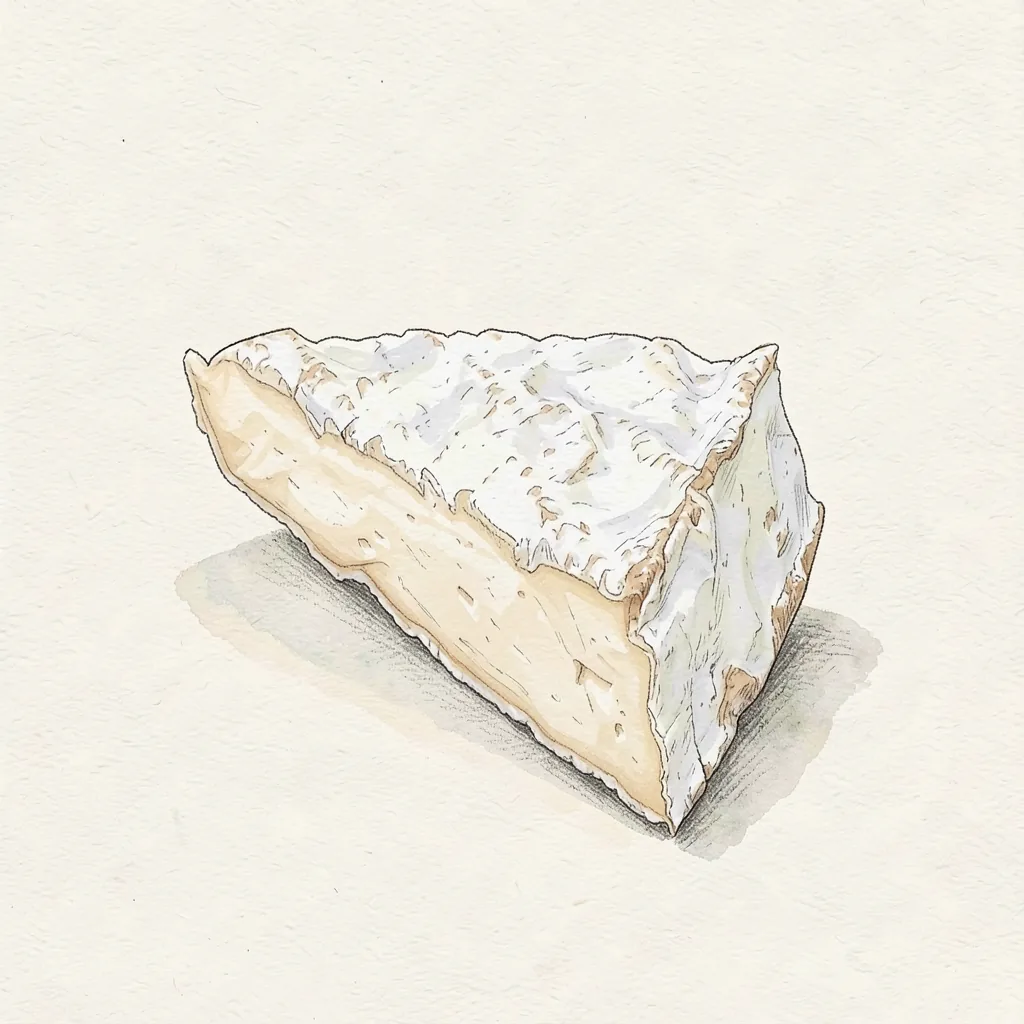
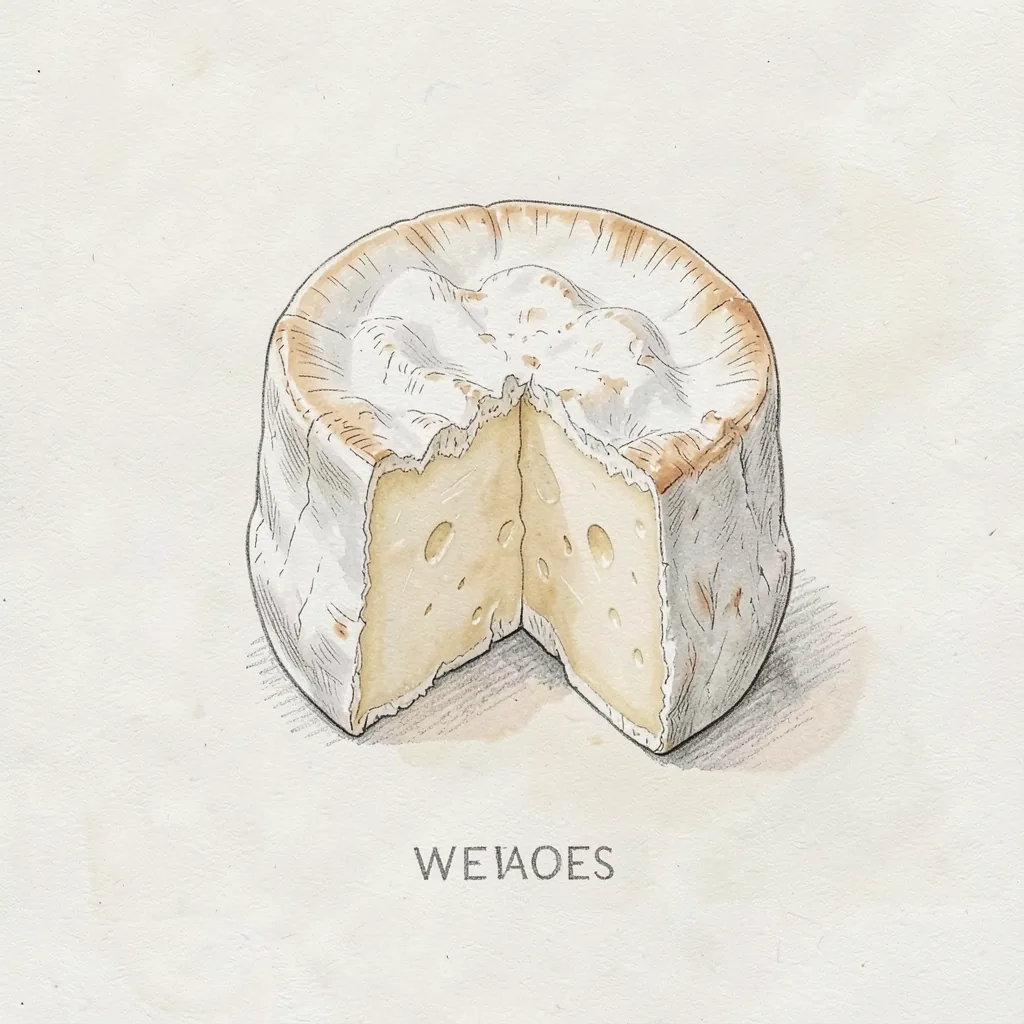
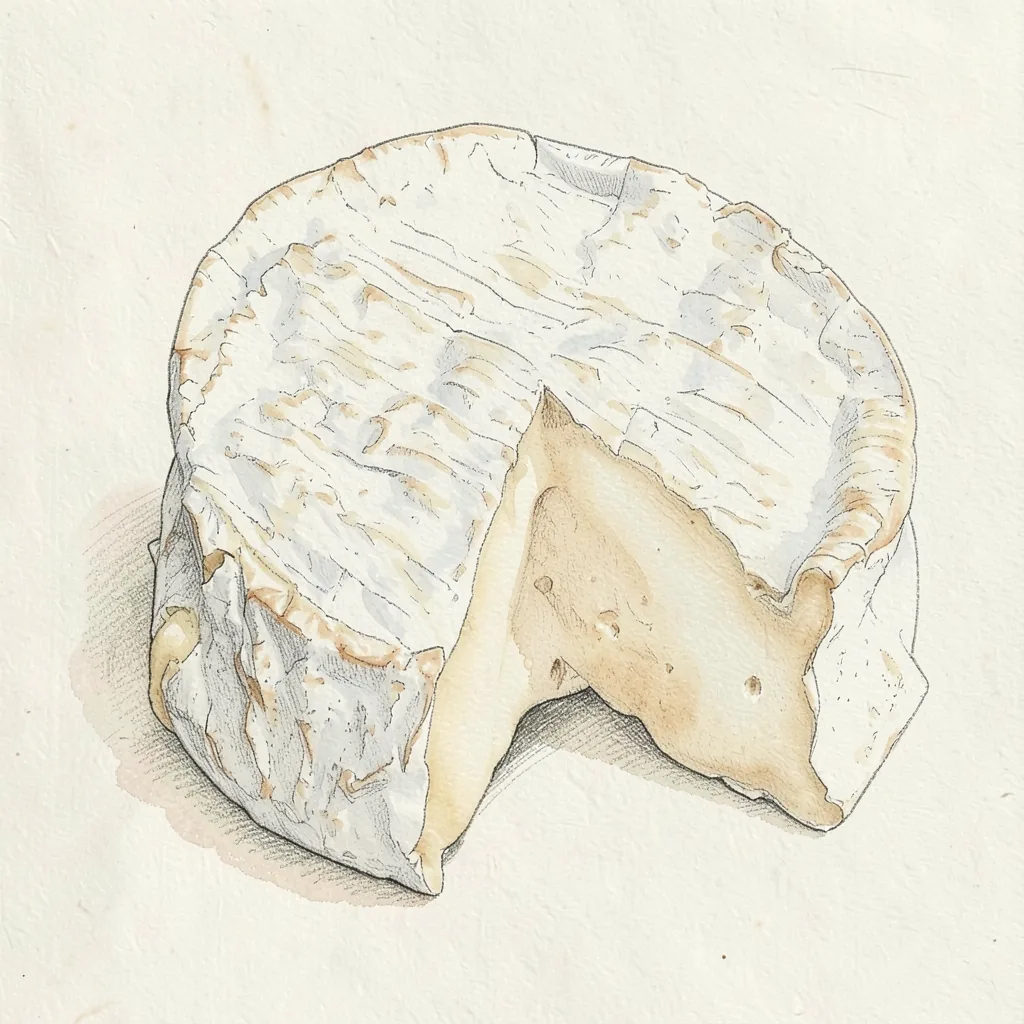
The name means square of the east, and the cheese is molded as a square rather than as a large round. A white bloomy rind covers a supple, creamy paste that runs from off-white to pale yellow, often with small holes. The taste is mild, milky, and lightly mushroomy from the rind. It belongs with bloomy cheeses such as Brie, in a smaller and more practical format.
Dairies make most of the cheese sold today, often from pasteurised or heat-treated milk, and the square is found across France as well as in Lorraine. A good piece feels yielding without collapsing into a puddle, and the rind is still mostly white and downy. A warmer tint can show on some rinds, and the smell grows a little stronger then. The paste stays buttery and easy to like. It is a spreading and snacking cheese, not a cheese you buy for the grater.
History
The square shape is the historical clue, and it is written into the name. In eastern France, makers of soft cow's milk cheese found very large flat wheels fragile to turn out, ripen, and move. Smaller squares, and sometimes a Coulommiers-size mold, kept the paste intact. Lorraine is the home region, and the cheese grew from that practical make rather than from one famous cellar. Brie is the relative people mention, and the square is the local answer.
French references class it as a soft bloomy cheese in slab form, and they tie the origin to Lorraine. Dairies beyond that region also use the name, so a package from elsewhere in France can still be this cheese. That wider make is part of the modern story. What stayed constant is the square, the cow's milk, and the soft white rind. Lorraine and France are enough, and no extra town is required to explain the name.
How it is made
Cow's milk, often pasteurised in dairy work, is set into a soft curd. The curd is ladled into square molds so it is not pressed like a hard wheel. Salt is added, and white mold ripens the surfaces into a bloomy rind, sometimes leaving small holes in the paste. The cheese is kept until the rind is downy and the interior is supple and creamy. The rest varies with the size of the square, and the goal is a soft mild paste.
Small, middle, and larger squares follow the same idea, with a soft paste and a white mold coat. Some rinds pick up a warm color, and French notes allow a bloomy cheese that can show a hint of washing. The usual piece is white and downy, with a mild mold smell and a shiny pale interior. The rind is edible and meant to be eaten. Heat-treated milk is common, so many shop cheeses are ordinary dairy squares rather than raw-milk wheels.
Taste
The flavor is mild, fresh, and a little buttery, with a mushroom note from the rind and a milky center. It is usually less sharp than a very ripe Camembert, and less forceful than a washed cheese such as Munster. Salt is moderate and does not dominate. The paste feels smooth and slightly elastic, often glossy, with small holes in the interior. A younger square tastes quieter, while a riper one smells more of the rind and tastes fuller without turning harsh.
Choose a pale, evenly downy rind if you want the gentle version. A damp warm blush means a stronger aroma, and some people prefer that edge. The paste should not be chalky in the center, and it should not smell of ammonia. It yields, spreads a little, and still holds a square slice. The taste is easy to like, and the cheese turns bold only at the far edge of ripeness.
In the kitchen
Serve it on a board with bread, fruit, or a light salad, and eat the rind if you enjoy the mushroom coat. At a cool room temperature the paste spreads on toast or crackers. It can melt gently over potatoes, in a tart, or inside a folded crepe. Do not fry it hard, or the square will leak fat and lose its shape. Use it when a dish wants cow's milk creaminess and a soft rind.
It is not a grating cheese, and it is a weak choice for a long bake that needs a sharp hard cheese. Add it late if you cook with it, so the paste softens but does not split. In France it is an everyday soft cheese, so treat it that way abroad too. Brie or Camembert can replace it, with a change in shape and a small change in strength. Keep it cool until serving, then let the square warm a little.
Around the world
Carré de l'Est is well known inside France and much less famous abroad than Brie or Camembert. The square and the Lorraine origin are the facts worth repeating when it travels. Shops abroad may file it with French bloomy cheeses and may not stock it every week. When it appears, it is usually a dairy square with a white rind and a mild smell. It can be a gentle first bloomy cheese for people who find very ripe rounds too strong.
Cooks outside France can use it anywhere a soft cow's milk cheese with a white rind makes sense. It will not copy a washed Munster, and it should not go into a recipe that needs that pungency. Brie is the common substitute, with Coulommiers close behind because of scale and style. Chaource is another mild bloomy cheese if the square is missing. The name refers to a square from the east, and the cheese is ordinary food rather than a rare trophy.