Goat
What it is
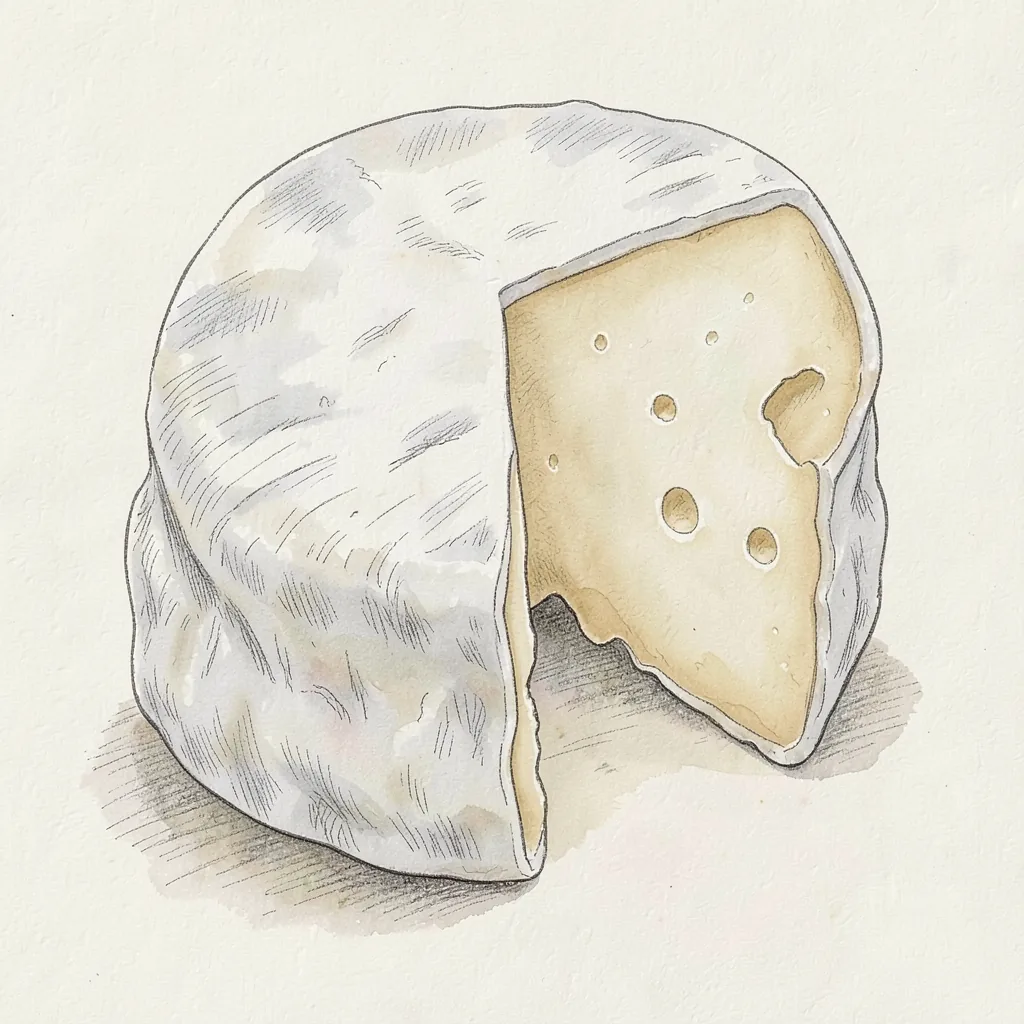
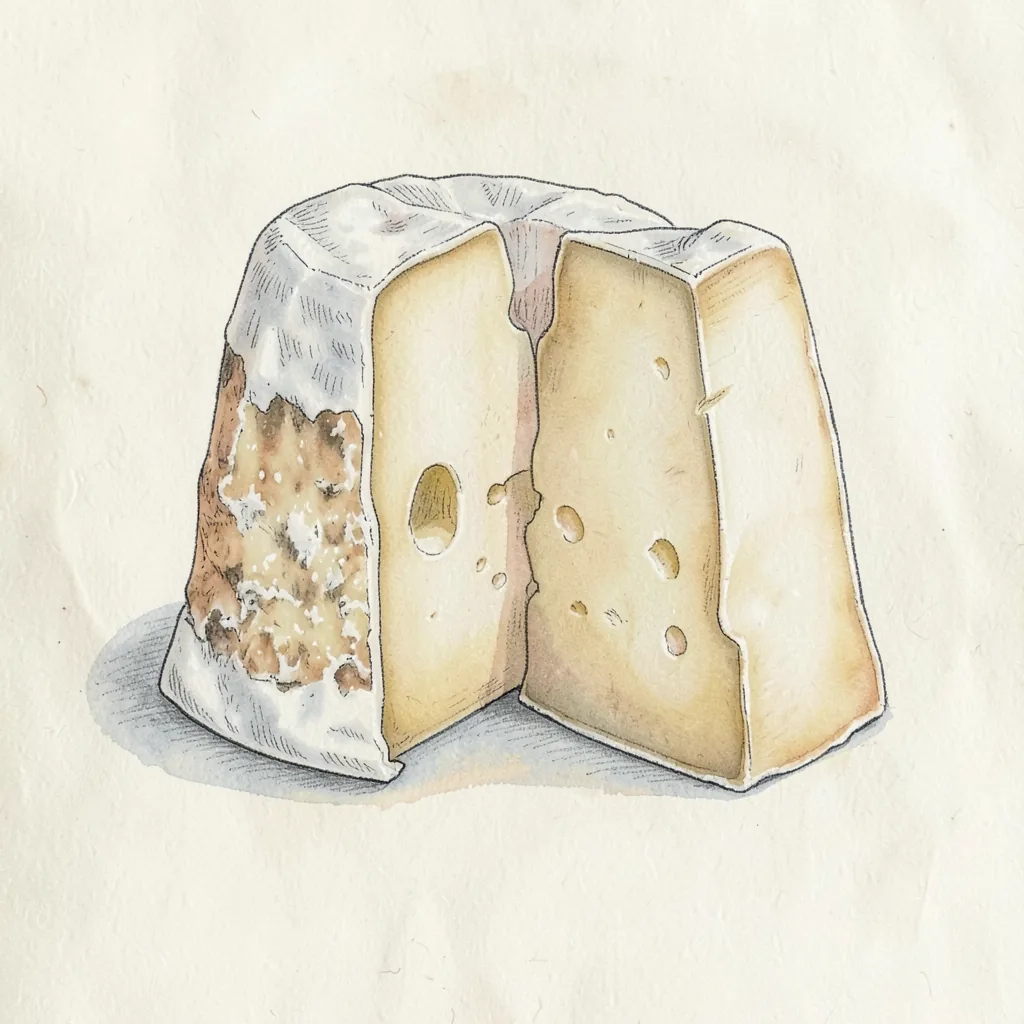
The top is dusted with charcoal ash, and an Occitan cross is marked in that dark surface, which makes the cheese easy to recognize. Under the coat the paste is white and creamy, with a light goat flavor when the disc is young. That flavor grows stronger as the cheese ages and the paste settles. A little white mold may dust the ash, but the cross remains the mark to look for.
A thin disc has a large surface, so it ripens quickly and can dry if it is left uncovered. At its best the center stays soft and the ash coat looks even rather than patchy or cracked. The cheese belongs on a board or a salad, and a young moist piece can be spread on bread. It is usually a cheese-shop item rather than a block in a standard dairy case. Buy it to eat soon, not to store for a long time.
History
The name Cathare points to the Cathars, a religious movement once important in the south of France. The cheese uses that history as a name and as a mark, not as proof that an old order wrote the recipe. The Occitan cross pressed into the ash is the visual link with that southern past. Small goat discs have long been made on French farms, and this one follows that lactic tradition of a slow, soft curd. The cross and the charcoal are what make this disc its own cheese.
Farmstead makers still form the cheese by hand and apply the ash after the disc has been salted and dried a little. The cross works as a stamp on the face, so a plain ash round is not the same thing. Because the disc is thin, skill matters. A rough hand can crack it, or let it dry, before the paste turns creamy. The style stayed small rather than becoming a large wheel, and buyers look for the cross first.
How it is made
The traditional disc is made from raw goat's milk, set in a slow lactic curd rather than pressed into a hard wheel. The curd goes into flat molds and drains until the disc can hold its shape without slumping. It is salted, charcoal ash is dusted on the face, and the Occitan cross is marked in that ash. A natural surface develops while the cheese rests, sometimes with a light white bloom over the dark dust. No spice is mixed into the paste, so the goat milk remains the flavor.
The thin shape ripens from the surface inward, and it is ready while it is still soft. Young paste is bright white, moist, and delicate. With more age it turns a little firmer and more ivory, and the goat taste deepens without a thick rind. Too much dry air wrinkles the disc and dulls the creaminess. Makers watch the ash and the center, and they sell the cheese while it is soft rather than holding it until it hardens.
Taste
A young Cathare tastes of fresh goat's milk, with a clean tang and a hint of citrus or fresh grass. The ash is mostly visual, and it does not make the cheese taste of charcoal or smoke. Salt is light, so the milk stays in front. Texture is creamy and a bit fragile, and a slice can smear on warm bread. Aroma is goaty but not aggressive when the disc is young and the center is still moist.
Older discs keep the same flat shape, but the flavor fills out and the fresh sweetness steps back. The goat note becomes clearer, and the paste feels a little less delicate. It should not turn bitter, and it should not smell of ammonia. If the center is still soft, the cheese is in a good window for the table. A chalky middle means it is too young, and a dry, cracked disc has waited too long.
In the kitchen
Serve Cathare on a board with bread, honey, or a few walnuts, and keep the portions small. A soft piece can be spread, while a slightly older one is better in neat slices. It sits well on a salad of greens or roasted beets, where the goat tang cuts the sweetness of the vegetables. It does not belong under a broiler, because heat will collapse the thin disc and waste the cross. Keep the use fresh and simple.
Take the cheese out of the cold before you cut it, and use a thin knife so the disc does not crumble under pressure. Eat the ash coat if you like a slight mineral edge, or leave the darkest dust if you prefer only the paste. One disc is a modest portion for one or two people. Wrap leftovers so the surface does not dry overnight. Do not cover it in strong spice, because the point is the goat milk and the soft paste, not a heavy sauce.
Around the world
Cathare is easiest to find in France, at a fromagerie or a farm shop that carries small goat cheeses. It travels less often than larger goat cheeses that are aged longer, because it is eaten young and the disc is fragile. Outside France, a good cheese counter may have it only now and then, or not at all. Ask to see the cross before you buy a piece. A plain ash disc without that mark may be a different goat cheese with a similar coat.
Selles-sur-Cher is the usual substitute, another French goat disc with ash on the rind and a soft white interior. Valencay can also stand in if you want a young goat cheese with a mild, creamy paste, though its shape is a truncated pyramid rather than a flat disc. Both are closer than a firm aged goat log that grates or grills. People mix these ash-coated cheeses up at a glance in a crowded case. The Occitan cross is the detail that identifies Cathare and no other disc.