Goat
What it is
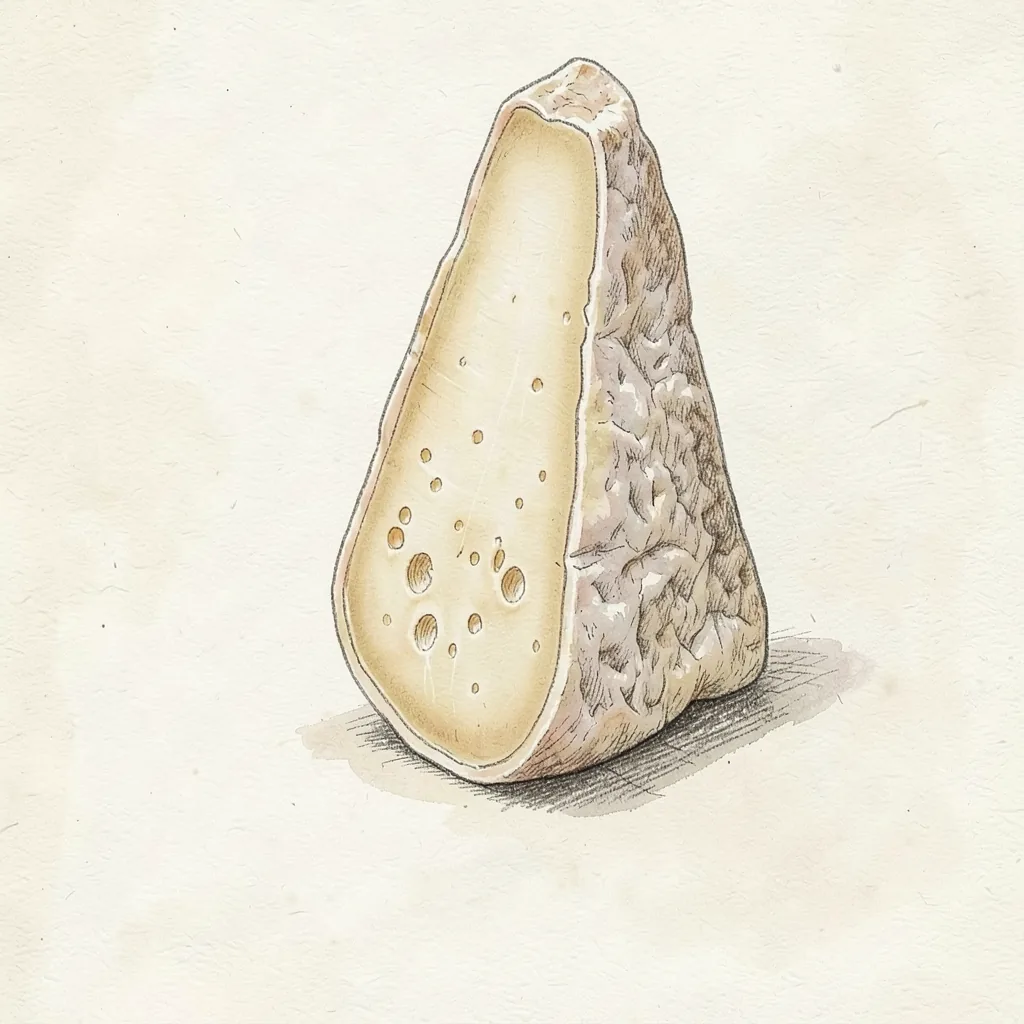
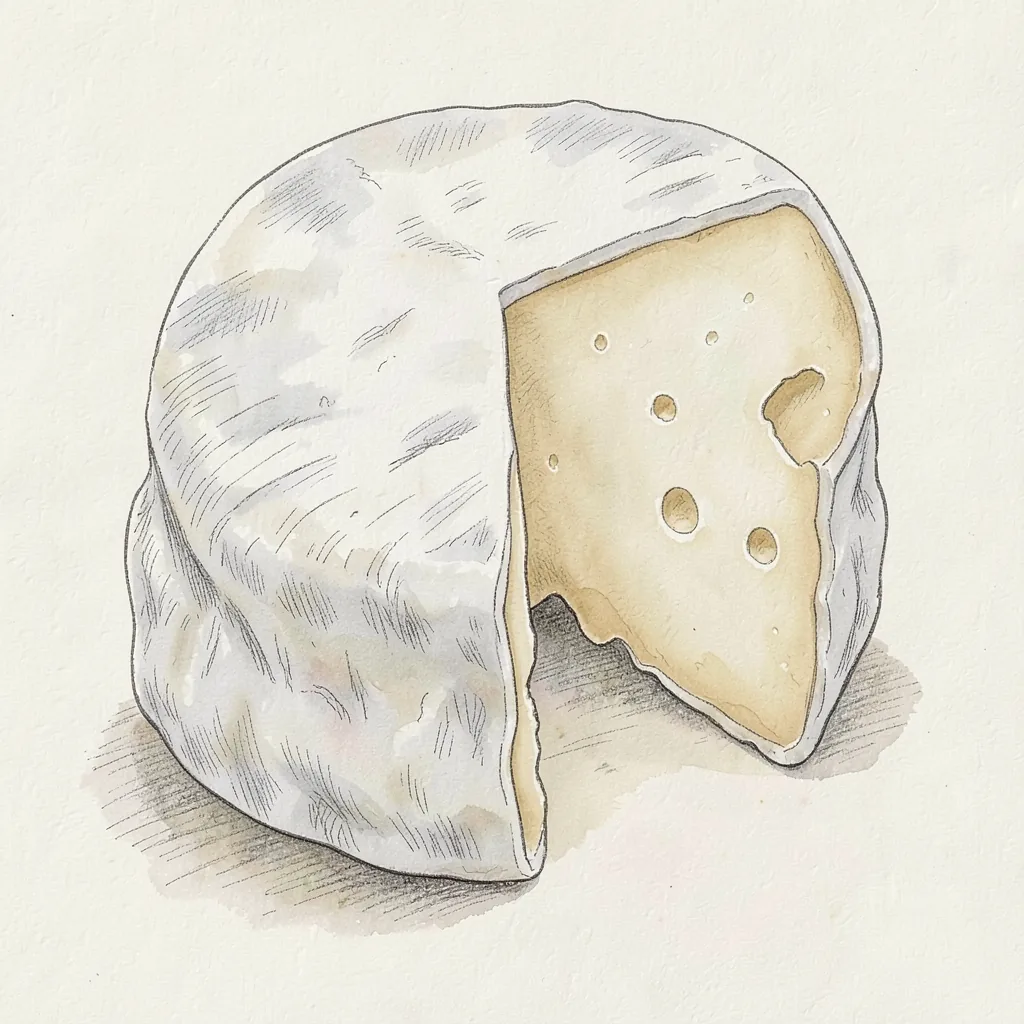
Each cheese is a small truncated pyramid, flat across the top, with a coat of vegetable ash. A light bloomy surface develops over that gray coat as the cheese rests. The paste is white and moist, creamy near the rind and a little chalky at the center when young. The taste is bright, tangy, and lightly salty, with a clean goat note.
The flat top is the detail people remember, and it sets Valençay apart from a full pointed pyramid. Ash helps the surface dry and adds a faint mineral edge. A young cheese tastes lemony and fresh, almost like thick goat yogurt. With time the paste softens under the rind, the center firms, and nut and hay notes grow. It is a board cheese first, meant to be cut and eaten with bread.
History
Goat cheeses in a pyramid form have long been made in Centre-Val de Loire, where small herds and local molds shaped the style. Valençay took its name from that tradition and became known for the cut-off top and the ash coat. Farm cheeses and dairy cheeses both exist, and the look stays recognizable either way. The recipe centers on goat's milk, a gentle drain, and a dusting of salted ash. That simple path is what the name stands for.
Stories about why the tip was removed are colorful, and they do not agree. The reliable point is the shape you can see: a pyramid with a flat crown. Ash coating was a practical way to salt the surface and to mark goat cheeses of this area. As the cheese became a regional standard, the truncated form and the gray rind stayed fixed. Buyers now expect that silhouette even when the maker changes.
How it is made
Makers coagulate goat's milk slowly, often with a small amount of rennet, until a tender curd forms. They ladle the curd into pyramid molds so it can drain under its own weight. Pressing is light or absent, which keeps the paste moist and delicate. Once the cheese holds its shape, it is turned out and salted. A coat of food-grade charcoal ash, mixed with salt, goes over the surface.
The ashed cheeses then rest in a cool, humid room. A thin white bloom can appear through the gray, which is a normal surface mold for this style. Makers turn the pyramids so they dry evenly and keep the flat top. Young cheeses leave the room while the center is still soft and bright. Longer ripening lets the rind wrinkle slightly and the paste beneath it turn creamier.
Taste
Young Valençay tastes fresh and lemony, with a clean lactic tang and a mild goat aroma. The ash adds a light mineral, salty note at the edge, not a burnt flavor. The center can feel chalky and cool, while the paste near the rind is softer. There is little bitterness. Salt is clear but not heavy, and the finish is bright rather than barnyard-strong.
As Valençay ripens, the goat character becomes more distinct and a hazelnut or dried-hay note appears. The texture moves from a firm chalky core toward a creamier layer under the rind. A well-kept cheese still smells fresh, not ammonia-harsh. If the paste is dry all the way through, or if it smells sharp and chemical, it is past its best. Eat it when the center still looks moist and the rind is only lightly wrinkled.
In the kitchen
Valençay is at its best on a board, cut from the flat top toward the base so each person gets rind and paste. Crusty bread, honey, and a few walnuts are enough. It also crumbles over a green salad or a warm beet salad, where the tang cuts richness. A slice on a cracker with pear is a simple start to a meal. The ash rind is edible, and many people eat it with the paste.
You can warm a halved pyramid until the center softens, then serve it with bread. Do not expect it to stretch like a melting cheese. Spread a riper, creamier piece on toast the way you would a fresh goat cheese. Strong spices hide the lemon and nut notes, so keep herbs light, such as thyme or chives. Wine from the Loire, especially a dry white, is a classic partner if you want a drink beside it.
Around the world
Valençay travels to cheese shops outside France more often than many small goat cheeses do, because the shape is easy to recognize. A pasteurized version is common in export cases, while raw-milk farm cheeses stay closer to home. Both should still look like a gray truncated pyramid. If a cheese is a tall pointed cone, it is a different Loire goat cheese. Check the name, and do not trust the ash alone.
Pouligny-Saint-Pierre is the closest lookalike, another truncated pyramid of goat's milk from the same broad region. Selles-sur-Cher is rounder and flatter, but it shares the ash coat and the bright goat taste. Crottin de Chavignol is smaller, drier at the surface, and more often aged until firm. Any of these can stand in on a board. For a salad, a fresh plain goat cheese also works if you only need the tang.