Goat
What it is
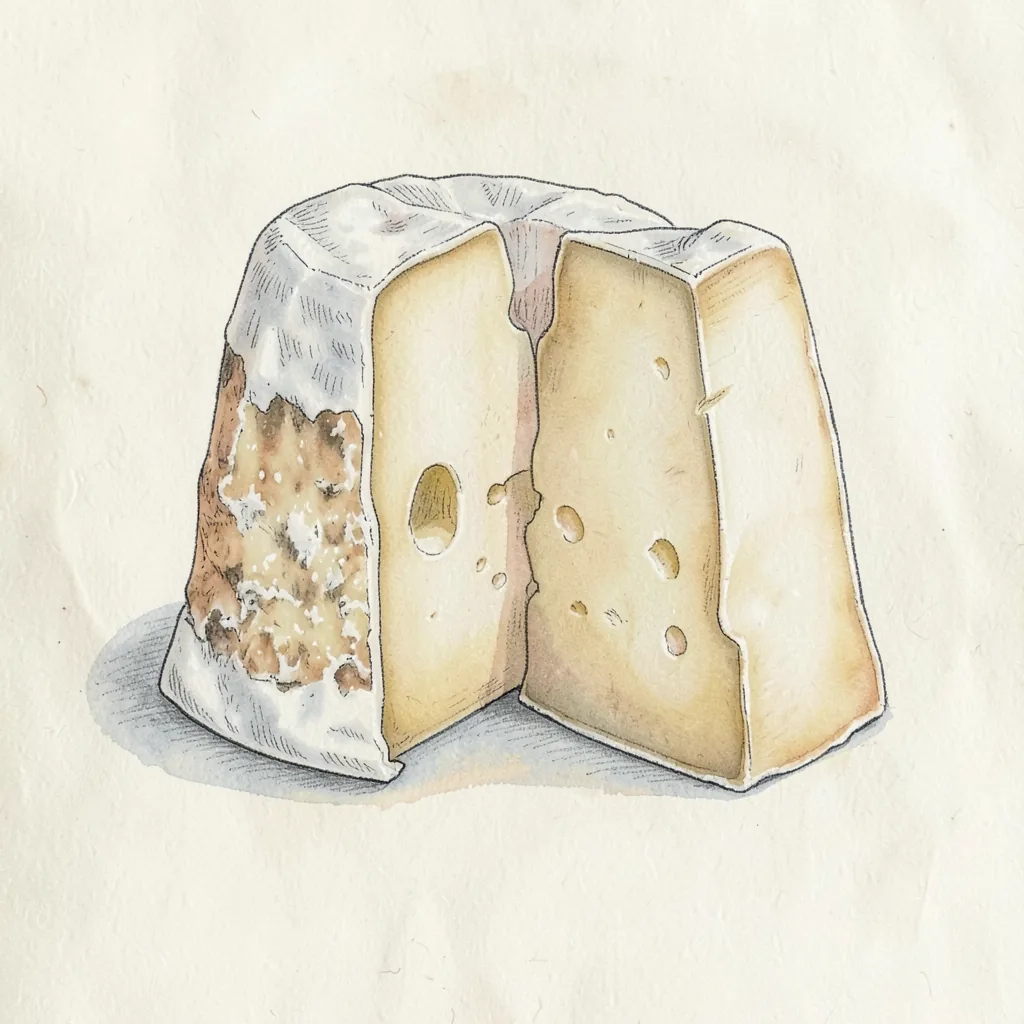
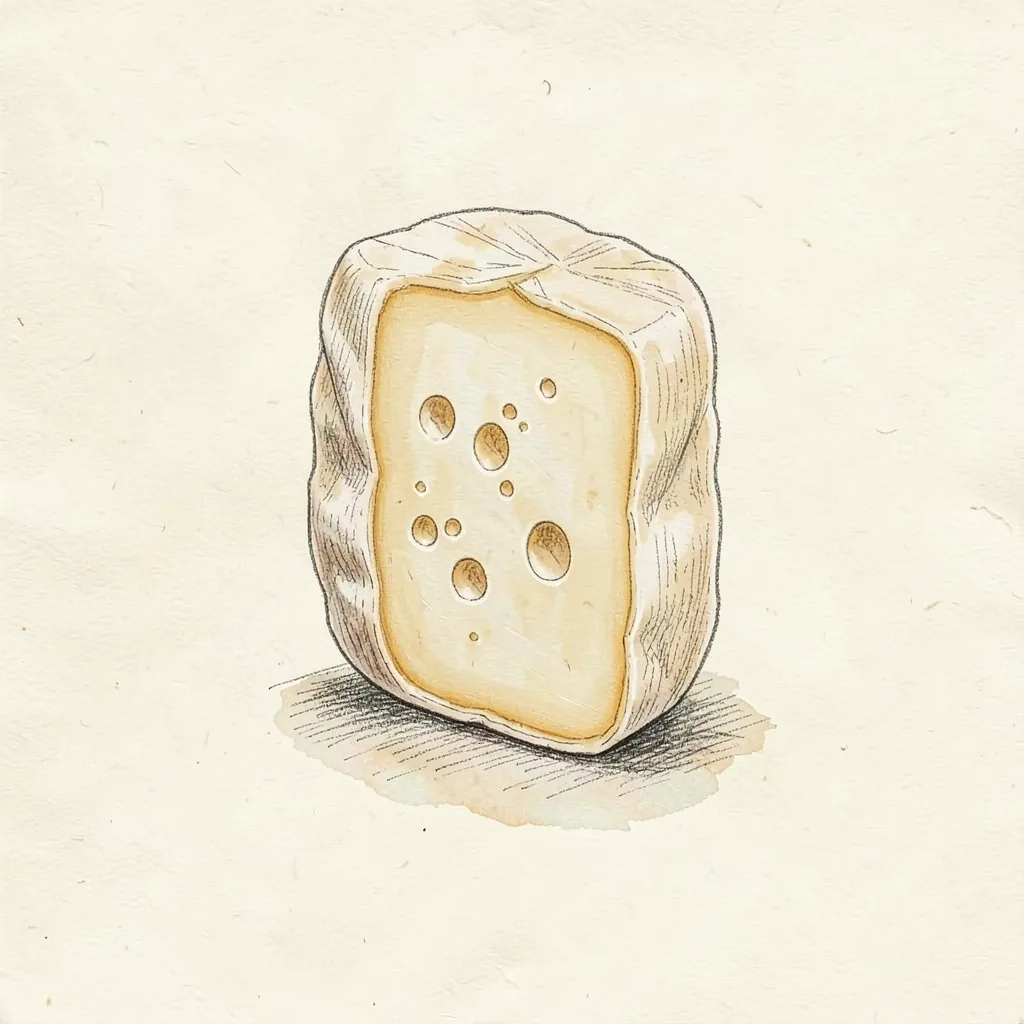
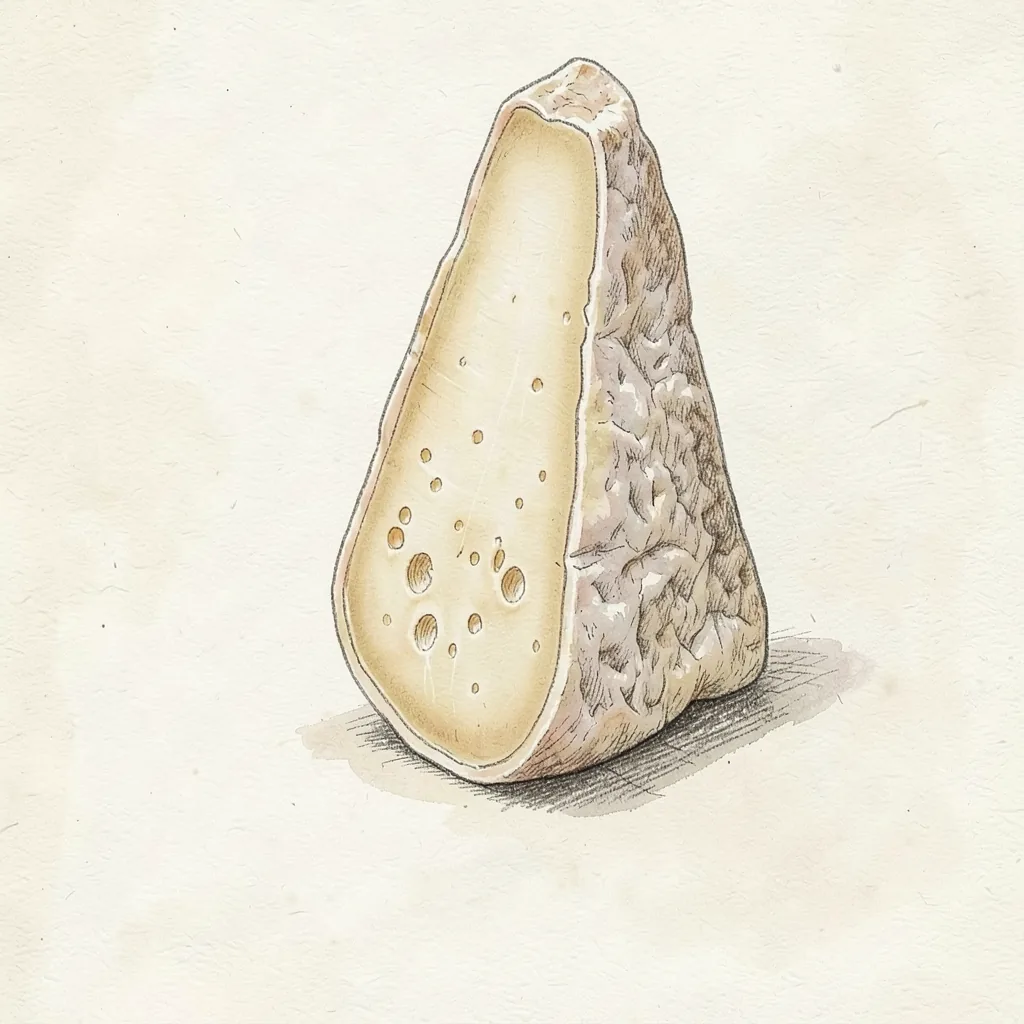
It is made from goat's milk and formed as a low disk or a short truncated cone. Makers dust the surface with vegetable ash, so the rind looks grey rather than snowy white. The paste inside stays pale, moist, and fine. A young cheese is mild and lactic, and a riper one turns creamier, with a clearer goat note and a hint of hazelnut.
The ash is not only a color. It helps the surface dry, and it gives a light mineral edge when the rind is eaten with the paste. Under that coat the center can start chalky, then soften from the outside as the cheese ripens. Salt is clear but not fierce. The flat grey disk is easy to tell from a white rind cow's milk cheese, and it belongs with the small goat cheeses of the Loire.
History
Small goat cheeses have long been made in Centre-Val de Loire, where the land suited herds of goats. Selles-sur-Cher takes its name from a town in that region, and the low round form was easy to recognize in a market. The ash coat set it apart from plain white disks. Farm batches and dairy batches both exist, and both use goat's milk. The style stayed a soft cheese with a short ripening, not a large pressed wheel for a cellar.
The cheese sits beside other ash rubbed goat cheeses of the Loire, including pyramids and logs. What marks this one is the low disk and the even grey coat. Makers kept the habit of ladling a soft curd and salting the outside with ash mixed through the salt. The cheese moved from local stalls into wider French shops without losing that look. No single founder is required to explain it, because the region, the milk, and the ash are enough.
How it is made
Makers set goat's milk with a light dose of rennet and let a soft curd form. They ladle that curd into small molds so the whey drains slowly, which keeps the paste moist and fine. The cheeses are turned and salted while they are still delicate. A mix of vegetable charcoal and salt is then rubbed over the surface. That coat gives the grey color and steadies the rind as the cheese dries.
Ripening is short next to a hard cheese, and it happens in a cool, airy room. A thin surface mold can show through the ash, so the rind is more than bare charcoal. The center stays whiter and firmer at the start, then softens from the outside inward. The cheese is not pressed under a heavy weight, and the curd is not cooked into a firm grain. The result is a small soft cheese with an ash rind and a tender paste.
Taste
A young Selles-sur-Cher tastes fresh, milky, and lightly salty, with a clean goat aroma. The paste feels moist and a little chalky, yet it still holds a slice. As it ripens, the flavor moves toward hazelnut, hay, and a warmer goat note. The rind adds a mineral, slightly sharper edge if you eat it with the paste. Leave the rind aside and the center tastes milder and sweeter.
The cheese is not harsh, and a good one is not soapy or bitter. Salt and ash should support the milk, not hide it. The smell is goaty and fresh, with a cellar note only when the rind is very ripe. Texture changes more than color does. Near the rind the paste can turn creamy, while the core stays denser, and that contrast is part of the pleasure on a board.
In the kitchen
Set Selles-sur-Cher on a board with bread, pear, or a few walnuts, and serve it as a light cheese course. Slices sit well on a green salad, where the salty goat paste meets leaves and a simple dressing. A riper cheese spreads on toast. Strong heat is a poor use, because this small soft disk is meant to be eaten as it is. A cut through the middle shows how far the ripening has moved.
A dry white wine is a classic partner, and a crisp white that will not bury the goat flavor also works. Honey or a thin slice of apple softens the salt. Do not grate this cheese, and do not expect long strings of melt. If the rind tastes very ashy, take a smaller share of it with each bite of paste. Keep it cool and covered, and let it warm a little before serving so the aroma can open.
Around the world
Outside France, Selles-sur-Cher shows up in shops that carry French goat cheese, often near other small Loire cheeses. Buyers sometimes pass it over because the grey coat looks burnt, when that coat is the normal ash. The name belongs to this French cheese, and a similar disk made far away is not the same thing. It usually travels as a small whole cheese, so the shape arrives intact. Ask for a goat cheese with an ash rind if the label is hard to read.
Valençay is the cheese most often confused with it, but Valençay is a pyramid, also dusted with ash. Crottin de Chavignol is smaller and rounder, and it usually dries firmer without a heavy ash coat. Pouligny-Saint-Pierre is a taller pyramid from the same broad tradition. If you need a stand-in, a soft ash rind goat cheese comes closer than a cow's milk brie. For a salad or a board, a fresh goat log can also fill the gap.