Cow
What it is
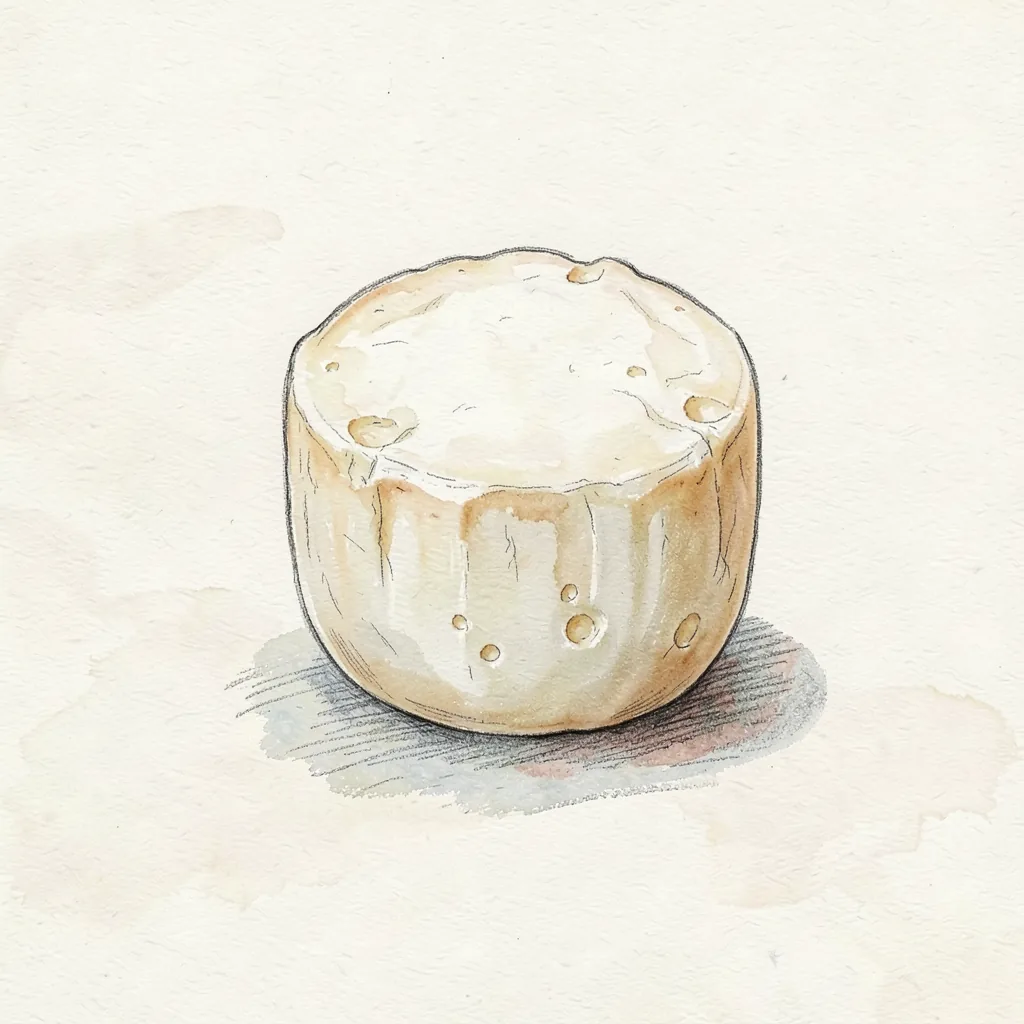
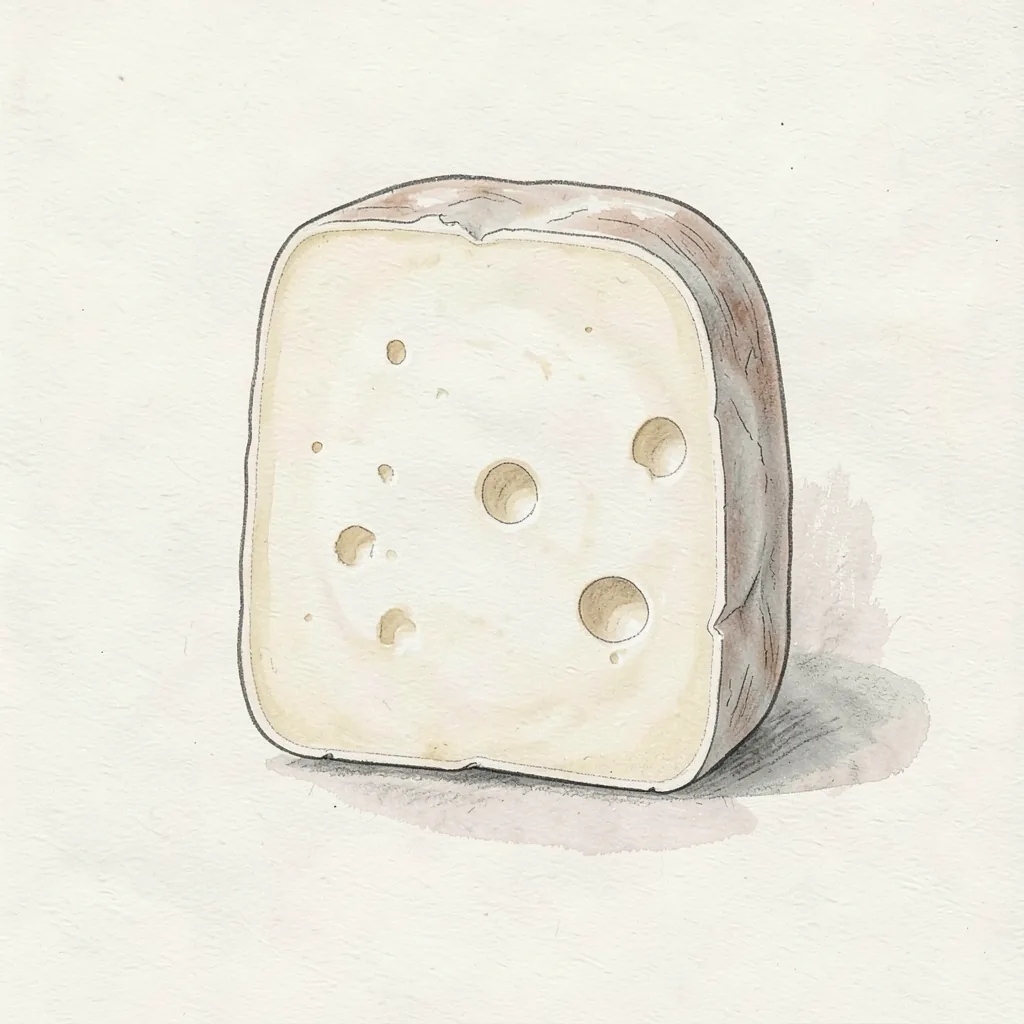
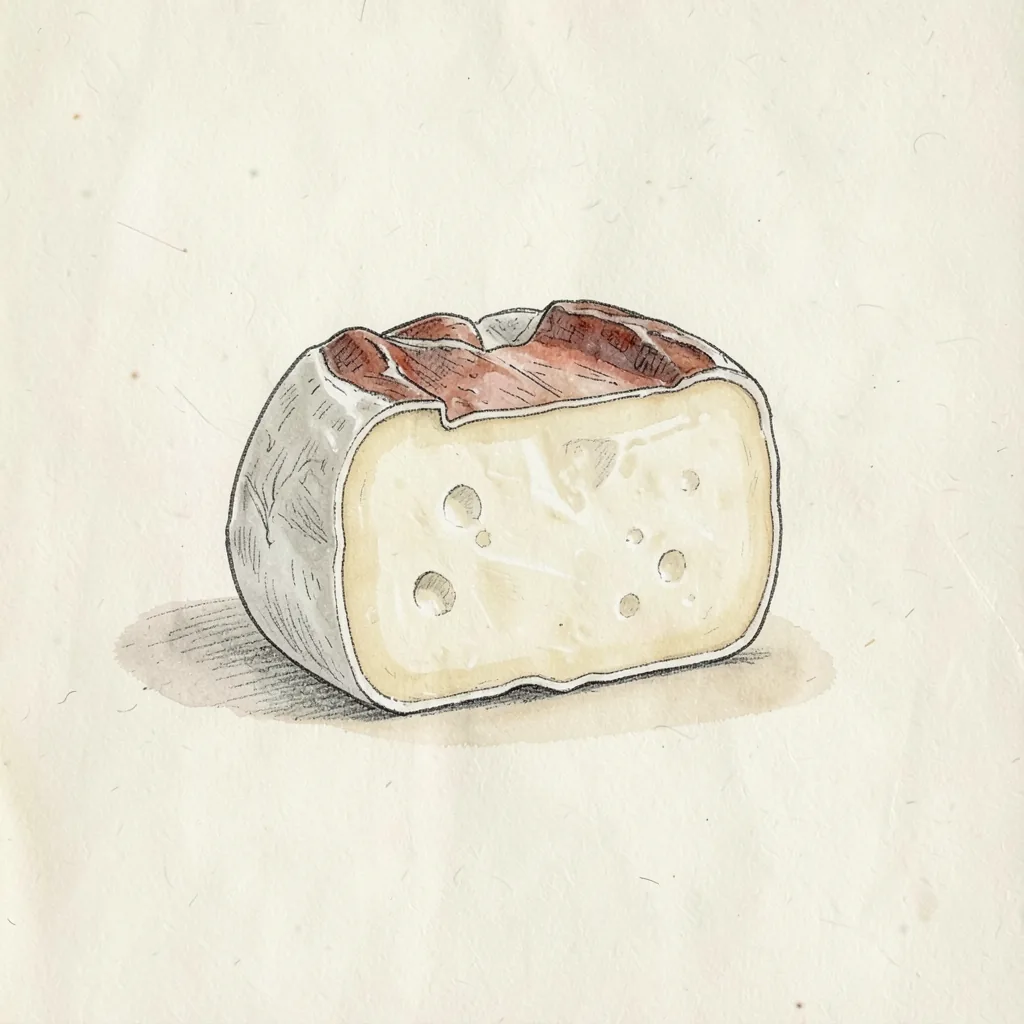
The dish belongs to French cooking, where the pale mixture is served cold with bread or potatoes. This record lists the country as the United States, and some American dairies sell a version under the same name. It is a preparation, not a pressed wheel, and it has no rind. You eat it soon after it is mixed, while the herbs still taste fresh.
The French name is often translated as a silk worker's brain, a blunt image for the soft pale curds. Claqueret is another name for the same herbed fresh cheese, and it refers to beating the curds until they are smooth. The base is drained fresh cheese, close to fromage blanc, not an aged paste and not a blue. Herbs, salt, pepper, and a sharp note from vinegar or lemon build the flavor. Without those seasonings, the bowl is only plain fresh curds.
History
The spread belongs to French home and restaurant cooking, where fresh cheese was an everyday food and herbs turned it into a finished dish. The nickname links it to silk workers, who ate simple dairy meals, and the joke stayed in the name. No single founder or firm owns the recipe. Households change the herbs, the shallot, and the amount of oil. The idea remained a preparation, not a branded wheel with a fixed size.
In the United States, the name appears on some creamery lists and menus that borrow the French preparation. That use does not move the origin out of French cooking, and it does not create a separate type with its own legal standard. Cooks in both countries still start with fresh curds and season them in the kitchen. There is no old trade in exported wheels, because the food is soft and meant to be eaten soon.
How it is made
The base is fresh curd, drained until it is thick but still soft enough to beat. A cook mixes it with salt, pepper, finely cut shallot, and soft herbs such as chives and parsley. Oil and vinegar, or a similar sharp liquid, loosen the mixture and add bite. Some bowls also take garlic, lemon, or a splash of white wine. The work is mixing, not pressing, brining, or ripening under a rind.
There is no heating step for the finished spread, and there is no rind to wash or to bloom. The bowl should stay cool, and a short rest lets the herbs perfume the curds. That rest is a kitchen pause, not an aging plan in a cellar. Because the result is fresh and moist, it does not keep like a hard cheese. Mix or buy only what you plan to eat soon, and do not treat the bowl as a cellar project.
Taste
The flavor is tangy, salty, and green from the herbs, with a sharp edge from vinegar or lemon. The fresh cheese itself is mild, so shallot and pepper do most of the work. Texture is spoonable, and it can be slightly grainy if the curd was only lightly drained, or smoother if it was beaten well. A little oil makes the body feel rounder. It should taste clean and bright, not stale or ammoniated.
Aroma is herbal and oniony rather than the smell of a washed rind or a ripe blue. If the spread smells sour in a spoiled way, or if the herbs have darkened and slumped, it has sat too long. A good bowl is savory and fresh, closer to a seasoned dairy dip than to a cheese with a rind. People who expect a firm slice are often surprised by the soft spoon. The pleasure is the contrast of cool curds and sharp seasoning.
In the kitchen
Serve Cervelle de Canut cold, with bread, boiled potatoes, or a simple green salad. It can be a spread on toast or a spoonful beside radishes. Heat is a poor idea, because the fresh curds can turn grainy and the herbs lose their fresh taste. Think of it as a savory dairy sauce that you do not cook. A little more pepper at the table is enough, and the bowl should stay chilled until you eat.
In a meal, it plays the part of a herbed fresh cheese on a light menu. It is not a grating cheese, and it will not crown a pizza or a melted sandwich. You can loosen it with a little more oil and use it to dress cucumbers or leftover vegetables. A dry white wine or sparkling water with lemon fits the sharp herbal taste. If you buy a prepared pot, taste it before you add salt, because the shallot is already savory.
Around the world
French tables know this spread as a home and bistro dish, and diners elsewhere usually meet it in a French restaurant or a specialty dairy case. American producers sometimes sell it ready made. Travelers should still read the dish as French cooking. It is not a national cheese of any one American state, and it does not come from a named American region. If a menu uses only the French name, ask for a herbed fresh cheese.
Similar ideas travel under other names. Boursin is a firmer commercial herbed spread, and Liptauer is a spiced cheese spread from farther east in Europe. Fromage blanc is the plain cousin, before herbs, oil, and vinegar go in. None of those is an exact copy, but each helps a shopper who cannot find the French name. The silk worker nickname is the detail people remember, and the food itself stays simple: fresh curds, well seasoned, and eaten cold.