Cow
What it is
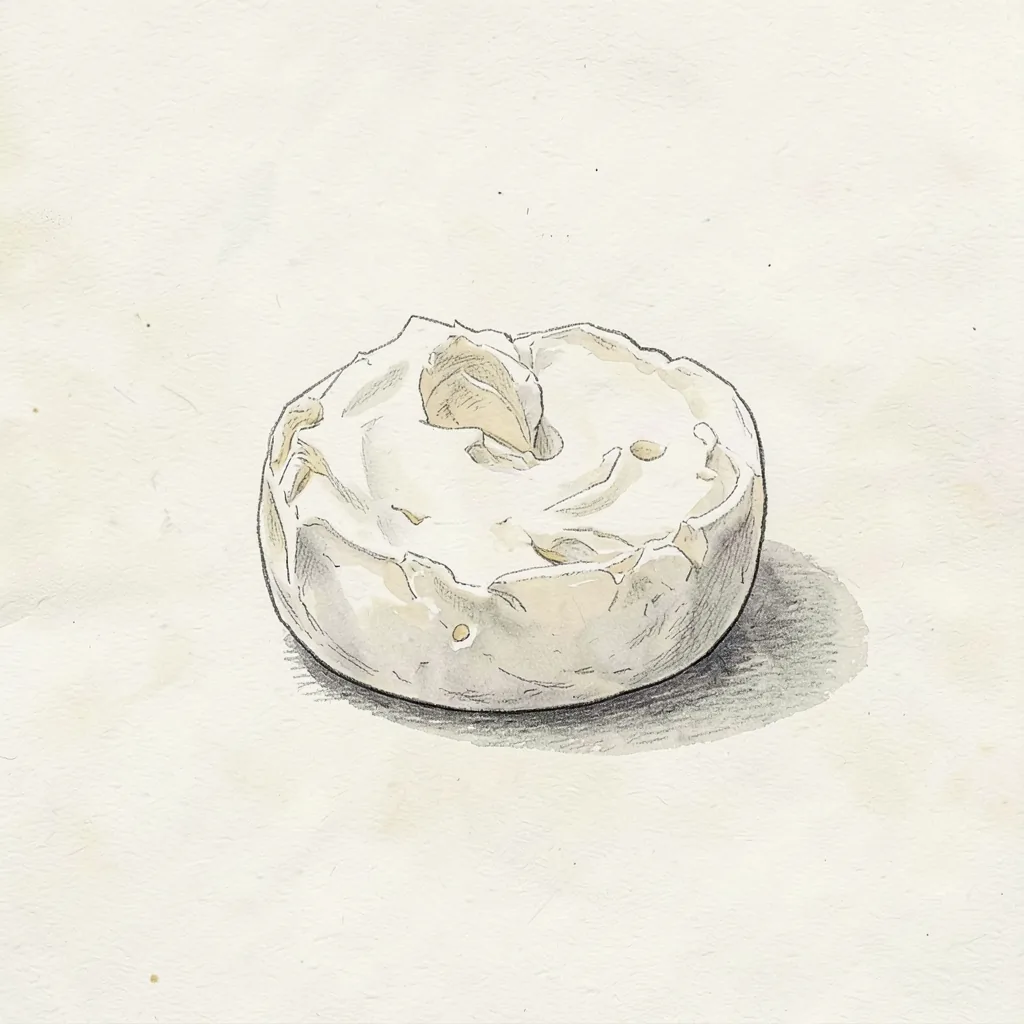
The classic dairy cheese has a soft, slightly crumbly body and is sold ready to spread.
It is not an aged farmhouse wheel, and it is not a place name. It is sold ready to spread. The brand is the name people look for.
History
François Boursin, a cheesemaker in Normandy, put the seasoned cheese on the market in 1957. Normandy already had fresh cow's-milk cheeses. His idea was to mix garlic and herbs into the paste so the cheese arrived ready for the table. The product was a brand from the start, not a village recipe with a long paper trail.
The garlic-and-herb cheese became the one people mean by the name. The brand later added other seasonings, including pepper and shallot. Those are variations. They do not turn Boursin into a family of aged cheeses. There is no appellation, no seasonal alpage, and no rind that ripens. The date and the founder are modern, and the cheese should be described that way.
How it is made
The base is a fresh, soft cow's-milk cheese, close to a Gournay, the fresh cheese of that part of Normandy. It is not pressed into a wheel and it is not washed. Garlic, herbs, and salt are mixed through the paste. The cheese is packed in a small box or foil wrap and kept cold.
Because the flavor is mixed in, every bite should taste seasoned. There is no rind to cut away and no core that ripens later. Factories make it to a set recipe, which is why a box in one country tastes close to a box in another. That consistency is the product. A homemade herb cream cheese can resemble it. It is not this brand unless it is this brand.
Flavor and texture
The garlic-and-herb cheese tastes of fresh garlic, parsley and other green herbs, salt, and a mild milky paste. The heat of the garlic is there, but it stays in the range of a seasoned spread, not a hot pepper cheese. The texture is smooth and fluffy when cold, and softer when it warms.
The original combines a creamy base with a recognizable garlic-and-herb flavor. Different flavors in the range change the seasoning rather than relying on a long maturation. A portion tastes richer and spreads more easily when it has softened briefly for serving.
In the kitchen
Spread it on bread, crackers, or celery. That is the use it was built for. Warm it slightly so the knife spreads it without tearing the bread. Cooks also stuff it under chicken skin, mash it into warm potatoes, or melt a little into a pan of vegetables. Add it off a hard boil so it stays smooth.
Do not put it on a board as if it were a ripened cheese, and do not grate it. It will not brown and stretch. Plain cream cheese is the blank substitute when you want to add your own herbs. A fresh garlic chèvre is the substitute when you want a tangier, goat-milk spread. Neither carries this brand's exact mix.
Around the world
The cheese was created in Normandy and is sold in many countries as a supermarket spread. People meet it at parties, on a holiday table, and in weeknight cooking where a recipe wants garlic herb cheese without a pile of chopping. It has no territory beyond the brand.
Treat the name as a brand the way you would treat a named butter or a named biscuit. A similar seasoned fresh cheese from another company is a competitor, not a regional style with rules. Gournay names the fresh cheese family underneath. Boursin names one seasoned product in that family.
Original Boursin and the wider range
Garlic & Fine Herbs is the familiar dairy version: a creamy, slightly crumbly fresh cheese flavored before packaging. Boursin also sells other flavors and formats, including a dairy-free product. These are distinct products, so read the full name when using a recipe that assumes the classic cheese.
The garlic and herbs are part of the ingredient, not an optional garnish. That makes the original convenient in a quick sauce or spread, but less suitable for a recipe needing an unflavored fresh cheese. Product ingredients can differ by market; use the package in your hand for dietary and allergen information.
Using Boursin in a sauce or filling
For a quick pasta sauce, soften the cheese with a little warm cooking water, then toss it with the pasta and add more water gradually. Its seasoning supplies part of the flavor, so taste before adding salt, garlic, or herbs. Mushrooms, spinach, peas, or roasted tomatoes make useful additions.
For stuffed chicken, vegetables, or pastry, consider whether the cheese’s moisture suits the preparation. Use a contained pocket or baking dish if the softened filling could escape. In a dip, loosen a small amount first rather than diluting the entire round beyond the texture you want.
Spreading, substitutions, and storage
Serve the classic cheese with crackers, bread, or cut vegetables. A small portion can also season mashed potatoes or an omelet. For a substitute, blend a plain fresh cheese with garlic and herbs, then adjust texture and salt; an unseasoned cream cheese alone will make a different dish.
Keep the product refrigerated and reclose its wrapping or container after taking a portion. Follow the maker’s opening instructions and use clean utensils. The foil is packaging, not a rind. Dairy-free Boursin has its own ingredient base and should be treated as a separate choice.