Cow
What it is
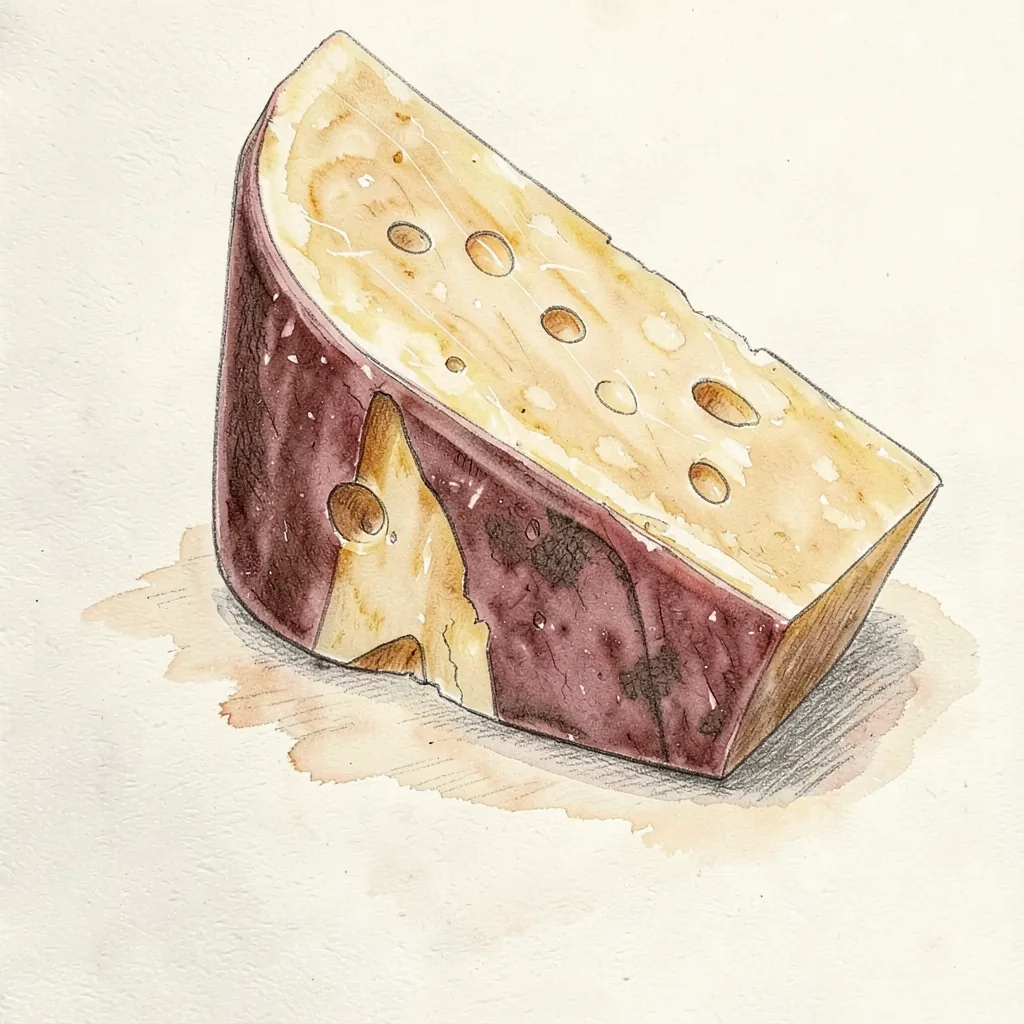
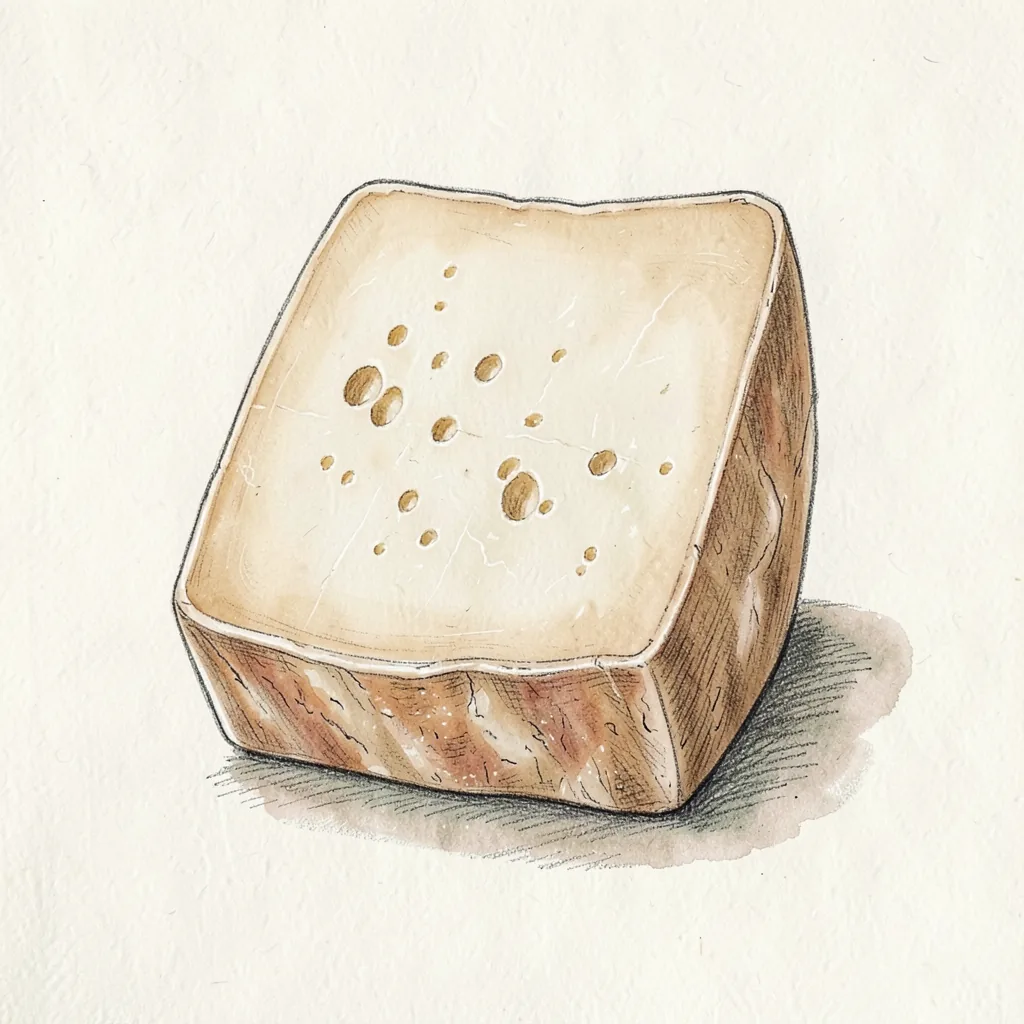
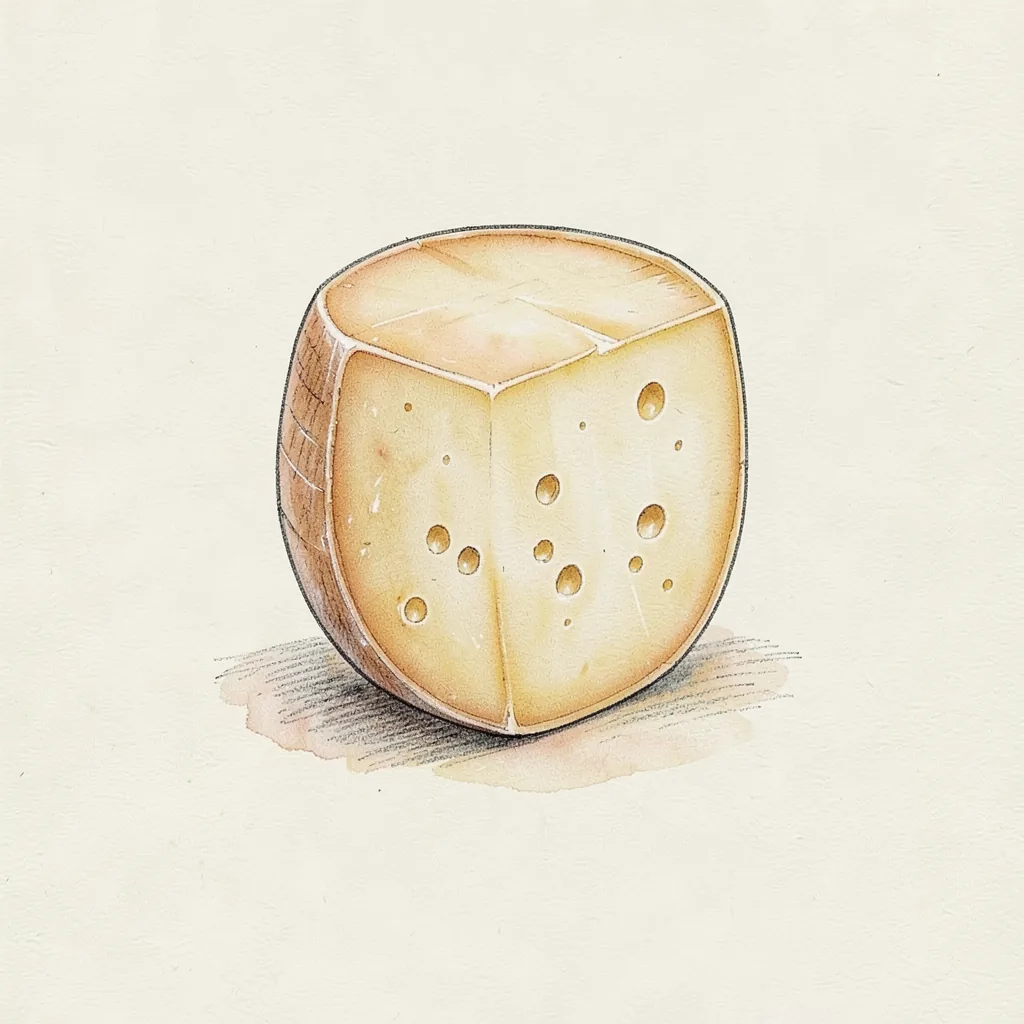
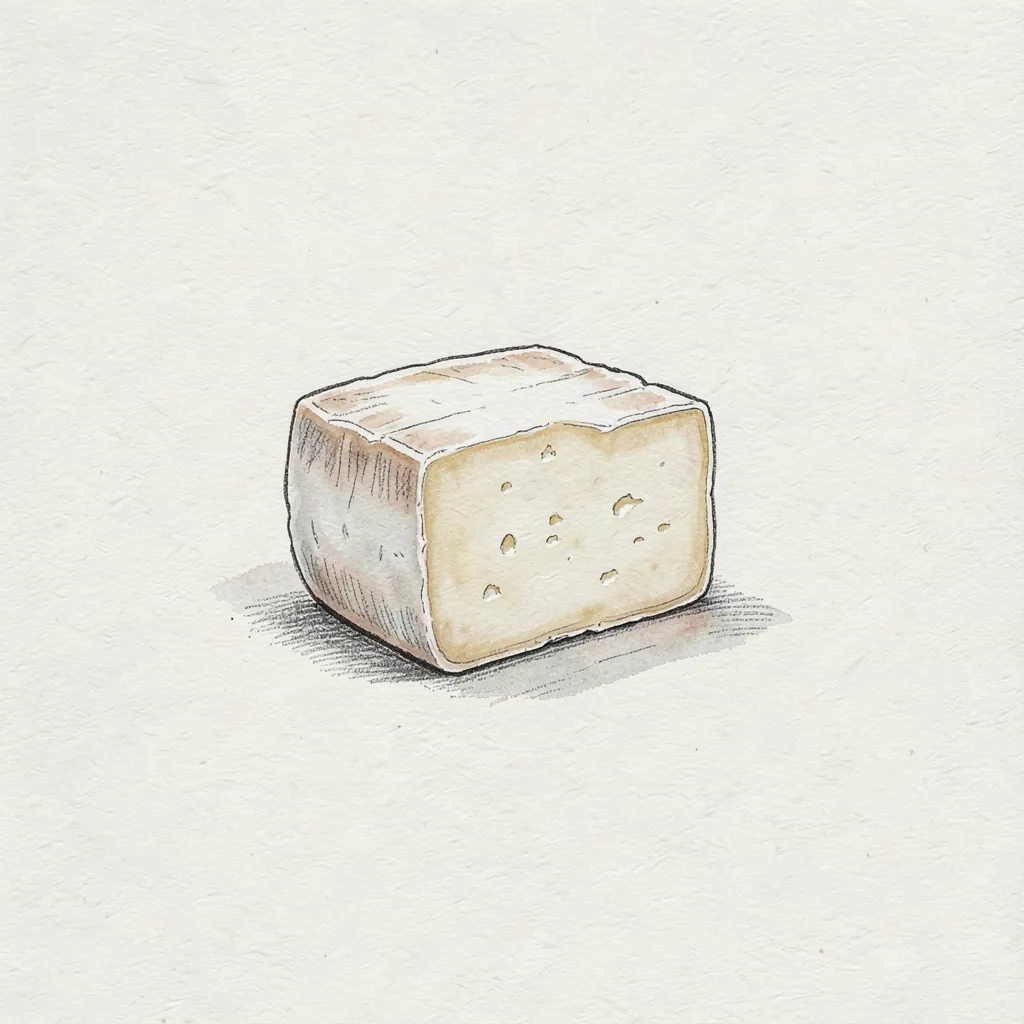
The paste is pale yellow, buttery, and semi-soft, with small irregular eyes scattered through the body. A thin dry rind covers the outside, and the flavor stays gentle rather than sharp. People in Chile use it as an everyday slicing cheese and as a cheese that melts in hot food. It is one of the common cheeses in Chilean shops, beside other mild cow's milk styles.
A slice bends and feels smooth, not crumbly or hard. The eyes are small and uneven, so the cut face looks a little open, but not like a big holed alpine wheel. The taste is milky, lightly salty, and a bit buttery, with almost no bite at the end. Young cheese is the usual shop piece, which keeps the texture supple. It suits sandwiches, snacks, and hot dishes where you want melt without a strong rind flavor.
History
Chanco cheese took its name from cheese making in Chile, and the style spread well beyond the first district that used it. Over time it became a national table cheese rather than a single farm product. Dairies across the country now make it from cow's milk, often on a large industrial scale. The older farm version and the supermarket block share the mild, buttery idea. What shoppers expect is a soft yellow cheese with small eyes, not a sharp aged wheel.
As Chilean dairy grew, mild cow's milk cheeses took a large place at the table. Chanco cheese stayed in that group, and many households treat it as a basic food. Gouda style cheese is also widely made in Chile, and the two can sit side by side in a shop. They are not the same recipe. Chanco cheese is usually softer, with a more open, buttery body, and a label should say Chanco if that is the cheese in the pack.
How it is made
Makers start with cow's milk and set it with cultures and rennet. They cut the curd, stir it, and drain the whey until the grains are ready to knit. Salt is mixed in, and the curd is pressed into blocks or wheels. The young cheese then rests until a thin rind forms and small eyes open in the paste. The goal is a supple, buttery body, not a dry cheese for grating.
Commercial Chanco cheese is commonly made from pasteurized cow's milk, which suits wide sale across Chile. Farm batches can differ in moisture and in how open the eyes are. Both stay in the mild family when they are sold young. The rind is thin and dry, and it is not washed into a sticky orange coat. Color inside runs from yellow white to a deeper yellow, and a fresh cut should look moist rather than cracked.
Taste
The taste is mild, milky, and lightly salted, with a buttery feel on the tongue. Acid is low, and there is little of the nutty sharpness you get from a long aged cheese. The small eyes make the slice look lively, but they do not add a separate flavor. Aroma is clean and dairy-like. If a piece tastes bitter or very sour, it has not been kept well, and a good piece stays gentle from start to finish.
Texture does as much work as taste in this cheese. The paste is smooth and a bit elastic, so it slices for bread and still yields when you bite. A drier, older piece firms up and tastes a little fuller, but the usual cheese is soft enough to bend. Fat gives it a gentle richness without a heavy rind flavor. It will not challenge a strong blue or a pungent washed cheese, and people choose it when they want a quiet cow's milk cheese.
In the kitchen
Use Chanco cheese in sandwiches, on toast, or melted over vegetables and meat. It softens easily and covers a surface without a sharp aftertaste. Cubes can go on a cold plate or into a salad when you want something mild beside tomato or fruit. It also works in a grilled sandwich, where the heat makes the slice creamy. Because the flavor is gentle, salt and season the rest of the dish so the plate does not taste flat.
A coarser shred is more useful than a fine grate, and a plain slice is the usual cut for bread. It is not a salty finishing cheese like a hard aged wheel. In baked dishes, add it where you want melt and a milky taste rather than a sharp crust. It can brown lightly on top if the heat is strong. Keep it wrapped in the fridge, and let a slice lose its chill before a board so the butteriness shows.
Around the world
Inside Chile, Chanco cheese is ordinary food, sold in markets and supermarkets under that name or as Queso Chanco. People eat it at breakfast and in simple hot snacks. Outside Chile it is harder to find, and shops may offer a mild gouda, edam, or havarti instead. Those cheeses can cook in a similar way, but they do not carry the Chilean name or the same pattern of small eyes. Look for a Chilean dairy on the label if you want this cheese and not a lookalike.
Gouda is the cheese most often confused with it, because Chile also makes and eats a great deal of gouda style cheese. Gouda is usually firmer and a little nuttier, even when both are mild. Edam is another cow's milk cheese that can stand in for slicing. American Muenster is closer in softness and in how it melts, though the flavor is not identical. None of those is Chanco cheese, and a pack that does not name it is a different mild cheese.