Cow
What it is
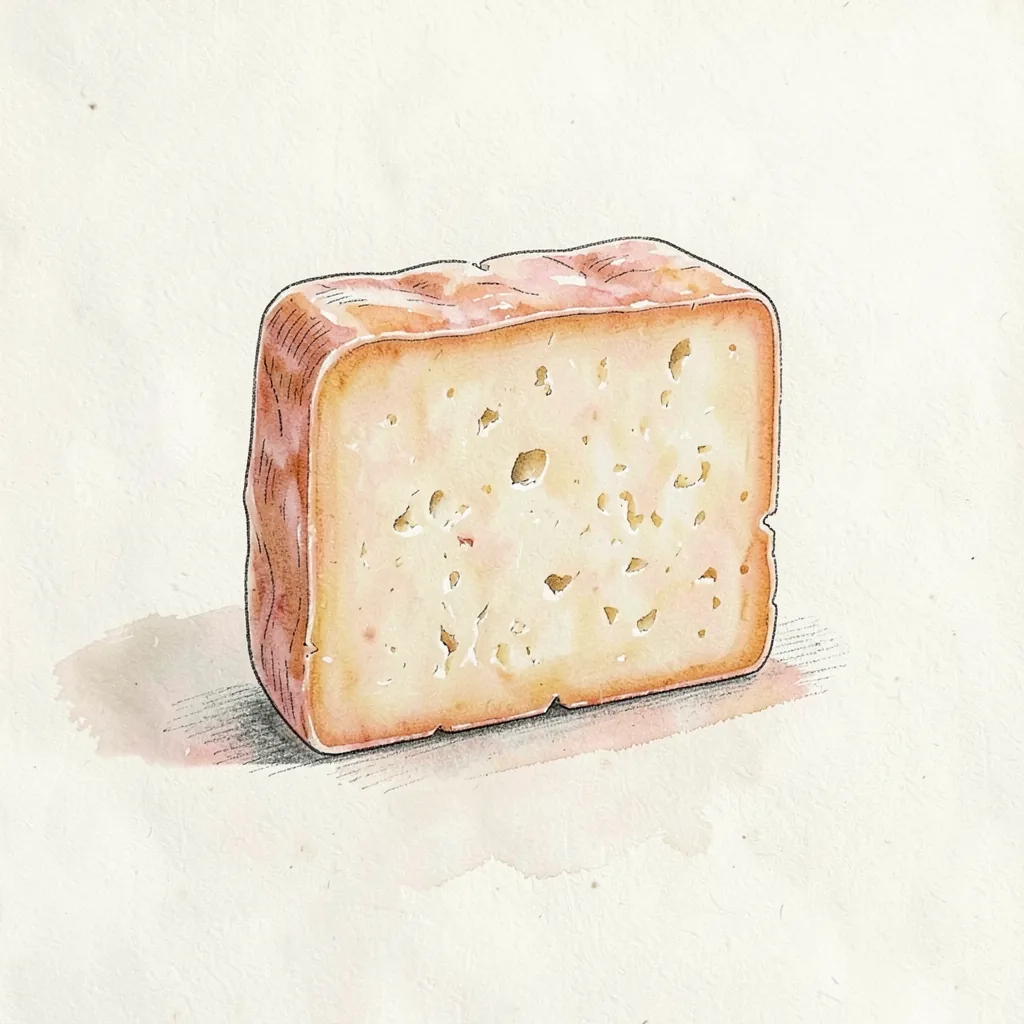
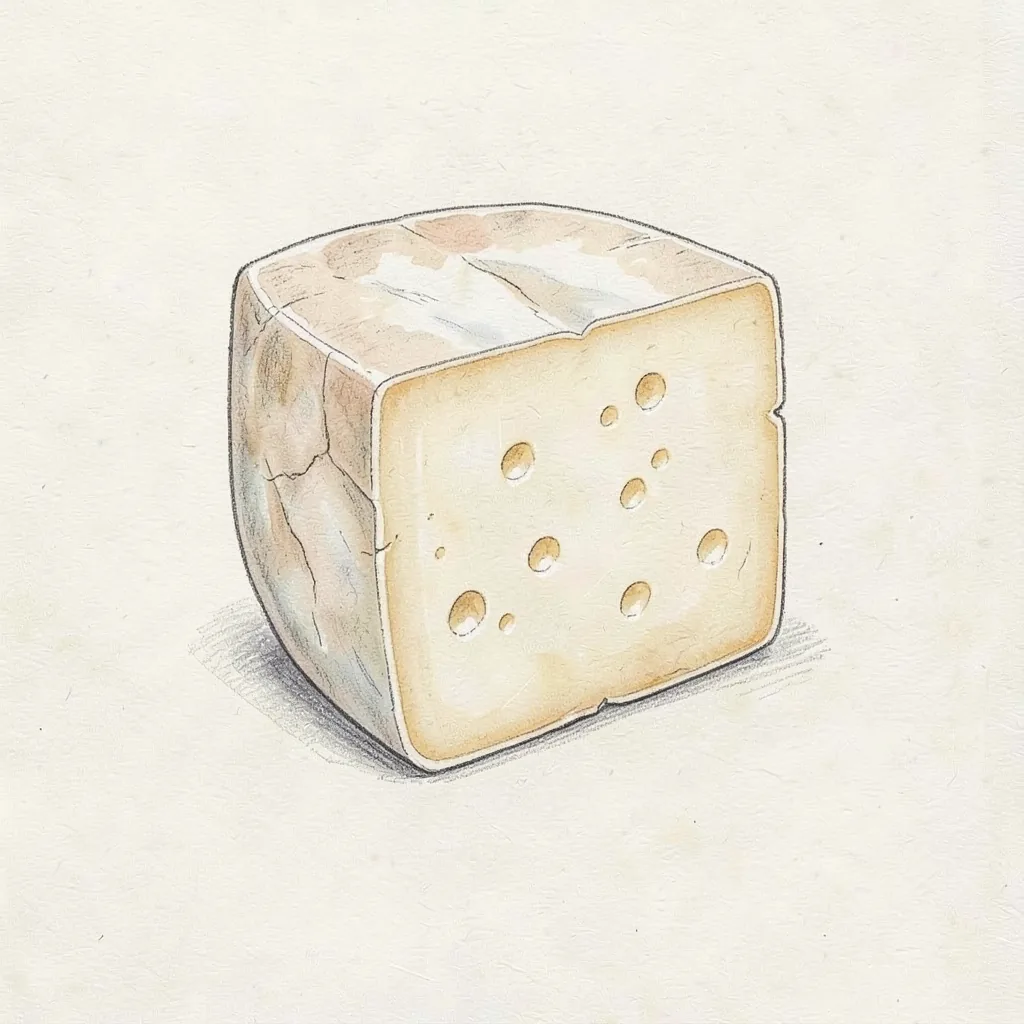
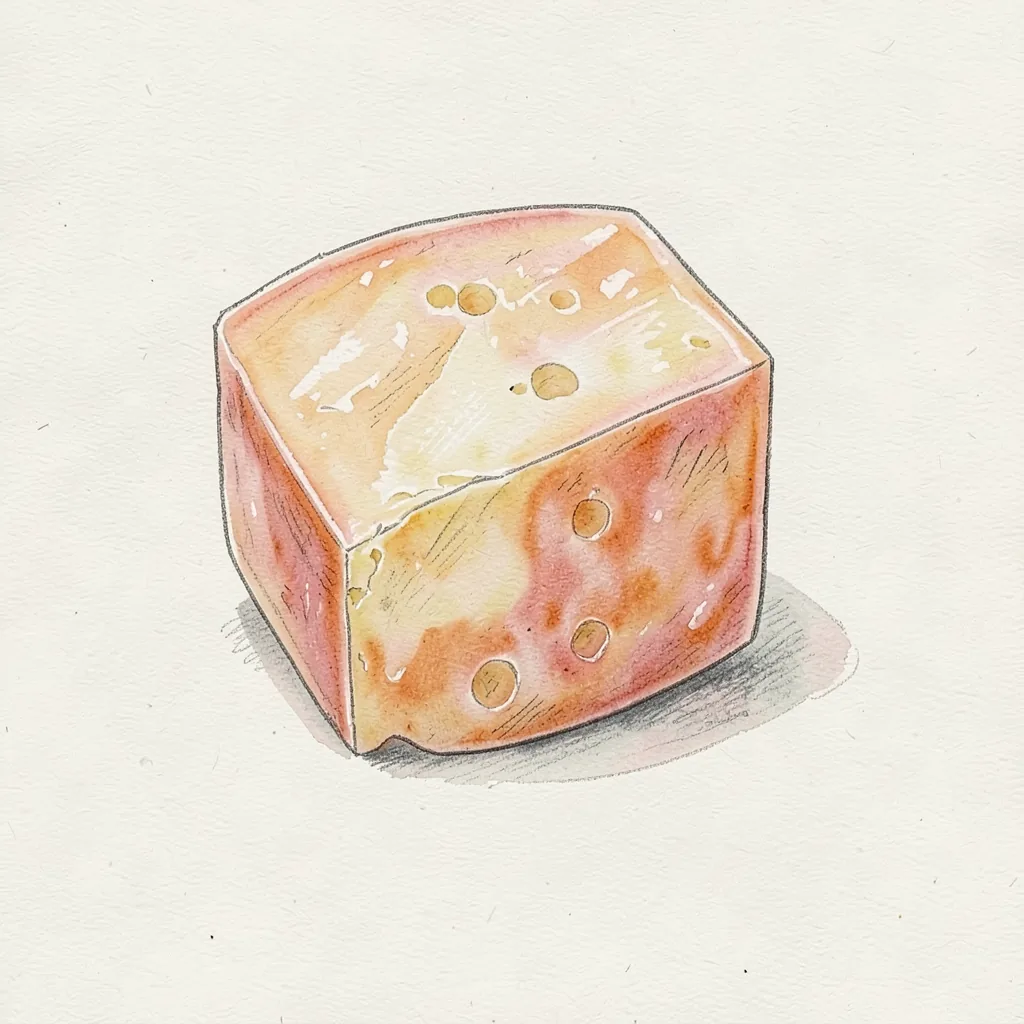
It is made from cow's milk and has a supple, buttery paste with many small irregular openings. The usual flavor is mild, slightly acidic, and a little sweet. Cream-style Havarti is richer and softer than the plainer loaf. Both are sold as slicing cheeses that also melt well on warm bread.
Dill, caraway, and other seasonings are mixed into some loaves, while plain Havarti stays unflavored. A young piece slices cleanly and feels springy. An older piece is firmer, drier, and more pronounced in taste. The rind, when it is left on, is thin and not the main point of the cheese. Most of what people eat is the pale, tender interior of the loaf.
History
The cheese takes its name from a farm at Øverød on the island of Zealand. From that place it became a recognized Danish table cheese rather than a one-farm curiosity. Creameries across Denmark took up the style and made it a national product. The mild loaf suited open sandwiches and everyday cooking. Havarti then traveled with Danish exports and became familiar far beyond Zealand.
Flavored loaves, especially those with dill, became a popular shop variation and helped the name stand out in export cases. Cream Havarti, known in Danish as flødehavarti, pushed the style toward a softer, richer slice. Later, firmer aged versions gave buyers a sharper choice under the same name. The cheese never depended on a washed-rind smell or a blue vein. Its reputation rests on a clean, creamy interior that slices and melts.
How it is made
Makers pasteurize cow's milk, add starter cultures, and set the curd with rennet. They cut the curd and stir it while whey drains, then press the pieces into forms. The press is firm enough to knit the paste but not so hard that the cheese becomes dry and brittle. Small openings stay in the body. After salting, the cheese rests until the flavor settles and the texture turns supple.
Some wheels are washed or turned so a thin rind develops, and many blocks are packed with almost no rind for slicing. Cream Havarti uses a richer milk base, which makes the paste softer. Herbs or spices, if used, are added to the curd before pressing so they sit through the loaf. A longer rest makes the cheese firmer and more aromatic. The basic method stays a pressed cow's milk cheese with a tender interior.
Taste
Plain Havarti tastes buttery, mild, and lightly tangy, with a sweet finish and a fresh dairy smell. The paste is springy and moist, and the small holes make each slice look open. It is not sharp when young. Aged Havarti picks up a fuller, nuttier taste and a firmer chew. Dill Havarti adds a green herbal note that sits on top of the same creamy base.
Cream Havarti feels richer on the tongue and tastes a little sweeter than the standard loaf. Caraway versions bring a faint licorice edge without hiding the milk. The aroma stays clean rather than pungent, even when a thin rind is present. Salt is moderate and does not sting. Nothing in the usual flavor suggests blue mold or a strong washed rind, and the aftertaste is short and buttery.
In the kitchen
Havarti melts smoothly, so it suits grilled sandwiches, cheese sauces, and baked dishes where a mild dairy taste is wanted. Slices also belong on a board with grapes, apples, and simple bread. Dill Havarti is a natural match for smoked fish, egg dishes, and cucumber. Because the cheese is supple, it layers well in a cold sandwich. Keep the heat gentle so the fat does not separate into oil.
Aged Havarti can be grated over vegetables or a gratin when a young slice would only soften. Cream Havarti is better for eating as it is, or for a quick melt on toast. It is less useful as a hard grating cheese for the table, because it clumps when fully dry. Pair plain Havarti with mustard and a tart pickle if the meal needs contrast. Sweet chutney can overwhelm the mild flavor, so use it lightly.
Around the world
Havarti is one of the Danish cheeses most often seen outside Denmark. Supermarkets in many countries stock plain and dill loaves in the sliced-cheese case. The mild taste helped it become a regular sandwich cheese in North America and northern Europe. It is easy to cook with, which keeps it in everyday shops rather than only on specialty counters. Travelers still meet the original association with Zealand, but most of the cheese in world trade is creamery Havarti.
Cooks treat it as a stand-in for other mild semi-soft cheeses when they want melt and a gentle flavor. It is not a match for a nutty alpine wheel with large eyes, and it is not a pungent washed-rind cheese. Deli menus often list it beside other slicing cheeses for sandwiches and snacks. In Denmark it remains a daily cheese for bread and hot food. Abroad, the dill loaf is sometimes the version people know first.