Goat
What it is
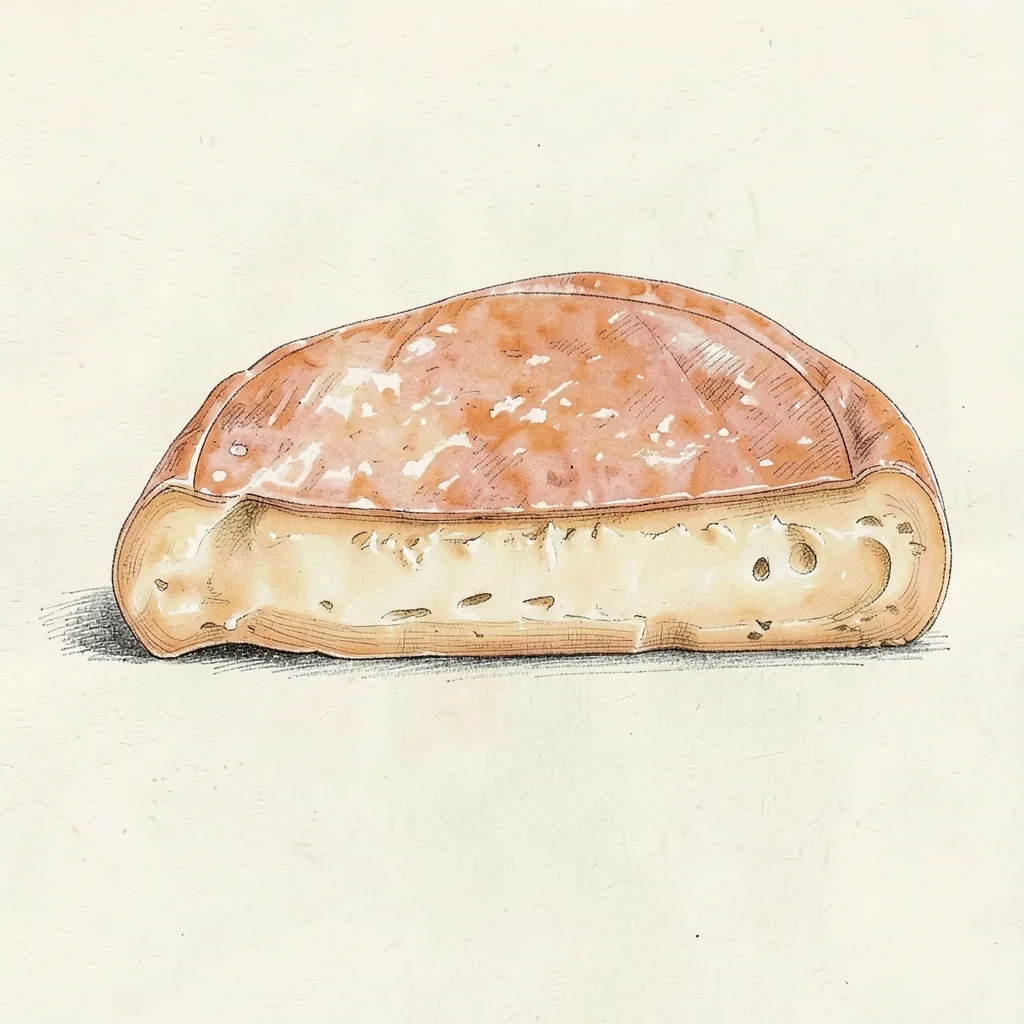
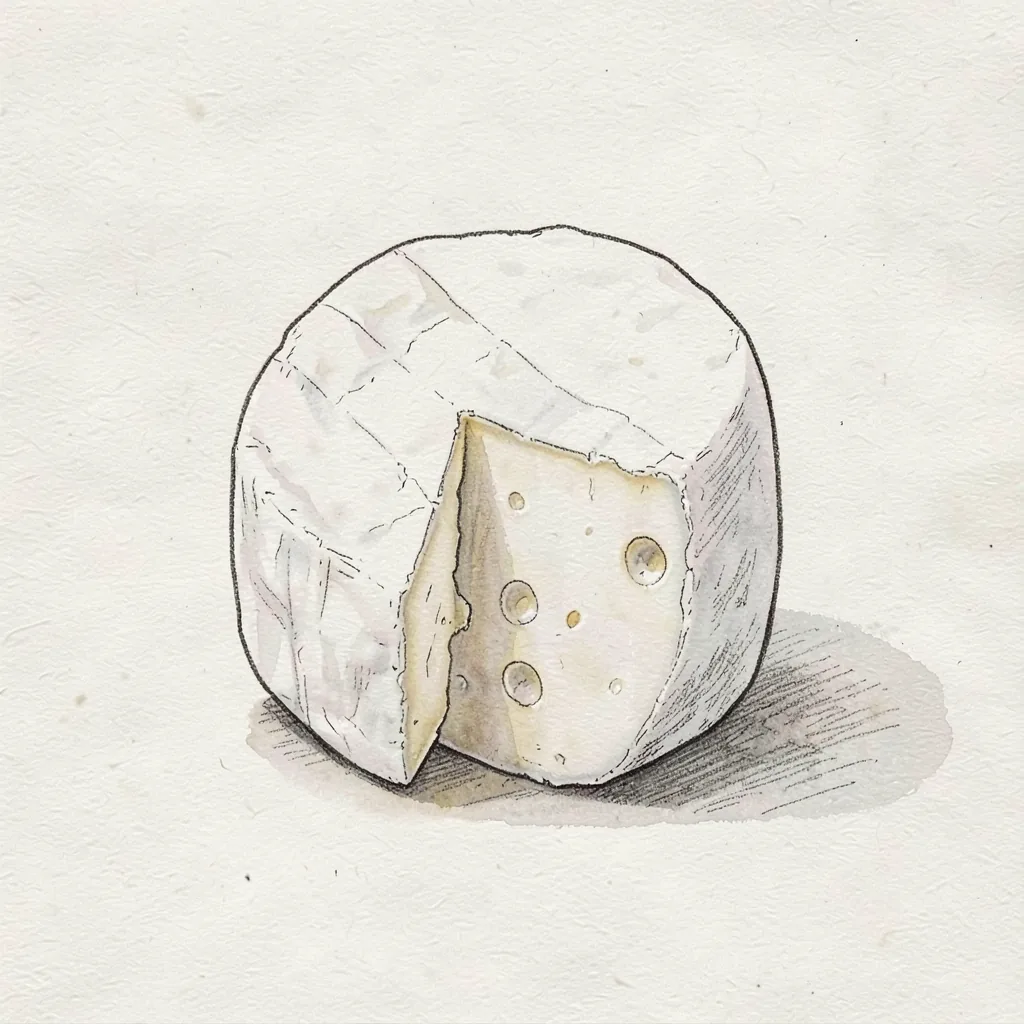
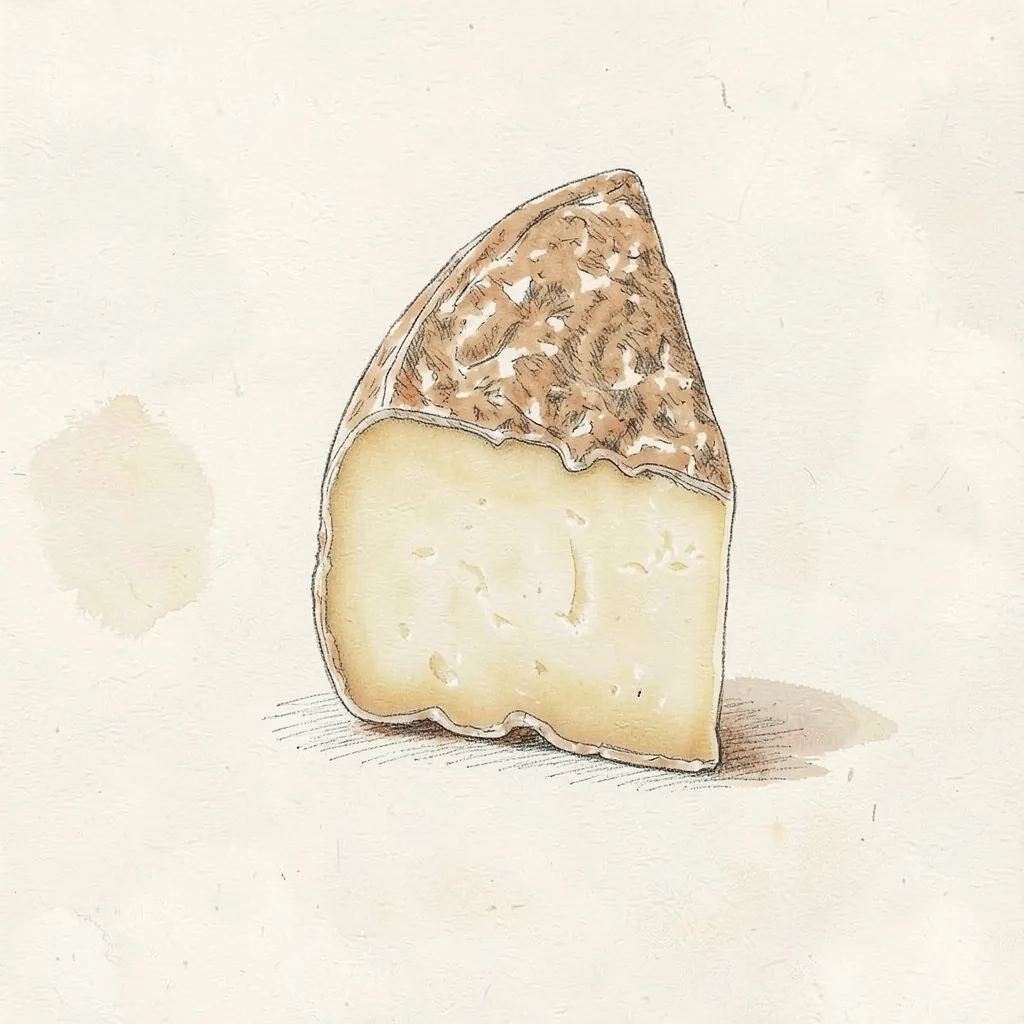
Farms make it from raw whole milk, and the milk comes from the herd on that farm rather than from a mixed collection of dairies. The cheese is a small wheel with a washed rind that turns pink or rosy as it ripens. The paste is supple and creamy, which is less common in goat cheese than a dry, chalky crumble. Alpine grazing gives the milk a herbal smell that stays in the finished wheel.
The method is closer to the washed cheeses of the Savoy mountains than to a fresh goat log. Makers set the curd, press it lightly, salt it, wash the rind, and ripen the wheel until the paste is smooth. A thin wooden board sometimes travels with the cheese to help manage moisture. The taste is aromatic, gently sour, and clearly of goat, without the harsh bite of a very dry goat cheese. It is a farmhouse food, made in modest amounts and sold as a whole small wheel.
History
Chevrotin has a long place in the mountains of Savoy, where steep ground suits goats better than heavy cattle. Herders used the milk of those goats for a small cheese they could make on the farm. The name itself points to the goat, and the link is not an accident of marketing. The cheese stayed a farmhouse product, made with the milk of one herd and ripened near the place it was set. It did not turn into a large factory loaf sold across every region of France.
Savoy already had well-known cow's milk cheeses with washed rinds and supple pastes. Chevrotin took a related path with goat's milk, which makes it unusual among goat cheeses in France. The goats feed on mountain grass and hay, and that feed is part of the flavor people notice. Small farms still do the work by hand, from renneting the milk to washing the rind. The cheese remains tied to Savoy, rather than to a recipe that wandered off to every goat region.
How it is made
Fresh raw goat's milk is set with rennet while it is still sweet from the milking. The curd is cut, placed in moulds, and pressed enough to knit the paste without making it hard or dry. Salt follows, either on the surface or in a short brine. The young wheels then dry for a time so a rind can start, and after that they are washed. Washing puts Chevrotin with the washed rind cheeses, a group that is rare for goat's milk.
Ripening takes place on wooden boards, and each wheel is turned often so the rind stays even and does not stick. The wash keeps the coat moist and helps it turn a soft pink or rose. The paste stays uncooked, so it remains supple rather than turning into a dry cheese for grating. A small spruce board may be packed with the wheel when it is sold. The finished cheese is creamy through the center, with a thin rind that most people eat.
Taste
The flavor is full, with an aromatic sourness and a clear goat note from the first taste. Mountain plants from the goat's feed show up as a gentle grassy or floral edge, not as a heavy perfume. The paste is smooth and moist, and it can feel almost silky when the wheel is ripe. Salt is moderate and does not cover the milk. The rind adds a light savory smell, softer than the strong wash of a much older cellar cheese.
A younger wheel is milder and a little more lactic, with the goat note still soft. A riper wheel is deeper, with more aroma and a center that yields to the knife. The goat taste should be pleasant, not soapy, harsh, or bitter at the finish. If the rind smells very sharp, let the cut face air for a moment before you judge the paste. People who think all goat cheese is chalky are often surprised by how creamy this wheel is.
In the kitchen
Chevrotin fits a cheese board at the end of a meal, with bread and a few nuts. It also melts gently, so it can go on a warm potato or into a small baked dish for a few people. Because the wheel is small, one cheese can be finished at a sitting without a large leftover. Pair it with a dry white wine from eastern France, or with a light red. Keep the other flavors quiet so the goat note and the herbs stay clear.
Serve it with the rind on if the rind is clean and not too strong for the table. The creamy paste spreads easily on warm bread, and the contrast with the rind is part of the bite. It is less useful as a cheese to grate, because the texture is soft and the flavor is delicate. In Savoy it belongs with simple mountain food, such as potatoes, bread, and a little cured meat. Do not boil it, and let any heat only soften the paste.
Around the world
Outside Savoy, Chevrotin is a small-production cheese, so many shops will never have it on the counter. Look at French importers and at shops that carry washed rind cheeses from the Alps. The label should say goat's milk and Savoy, because a similar looking cow's milk wheel is a different cheese. It usually travels as a whole small wheel, often with its little wooden board. Eat it while the paste is still supple and the rind is still a fresh pink.
Reblochon is the cheese most often confused with it, because both are small, washed, and creamy, and both come from the same mountains. Reblochon is made from cow's milk, so the goat note is absent. Tomme de Savoie is also from Savoy, but it is firmer and usually milder on the board. A soft goat cheese can echo the milk, yet it will not have the washed rind or the pressed paste. Use one of those when Chevrotin is absent, and expect a different balance of flavor.