Cow
What it is
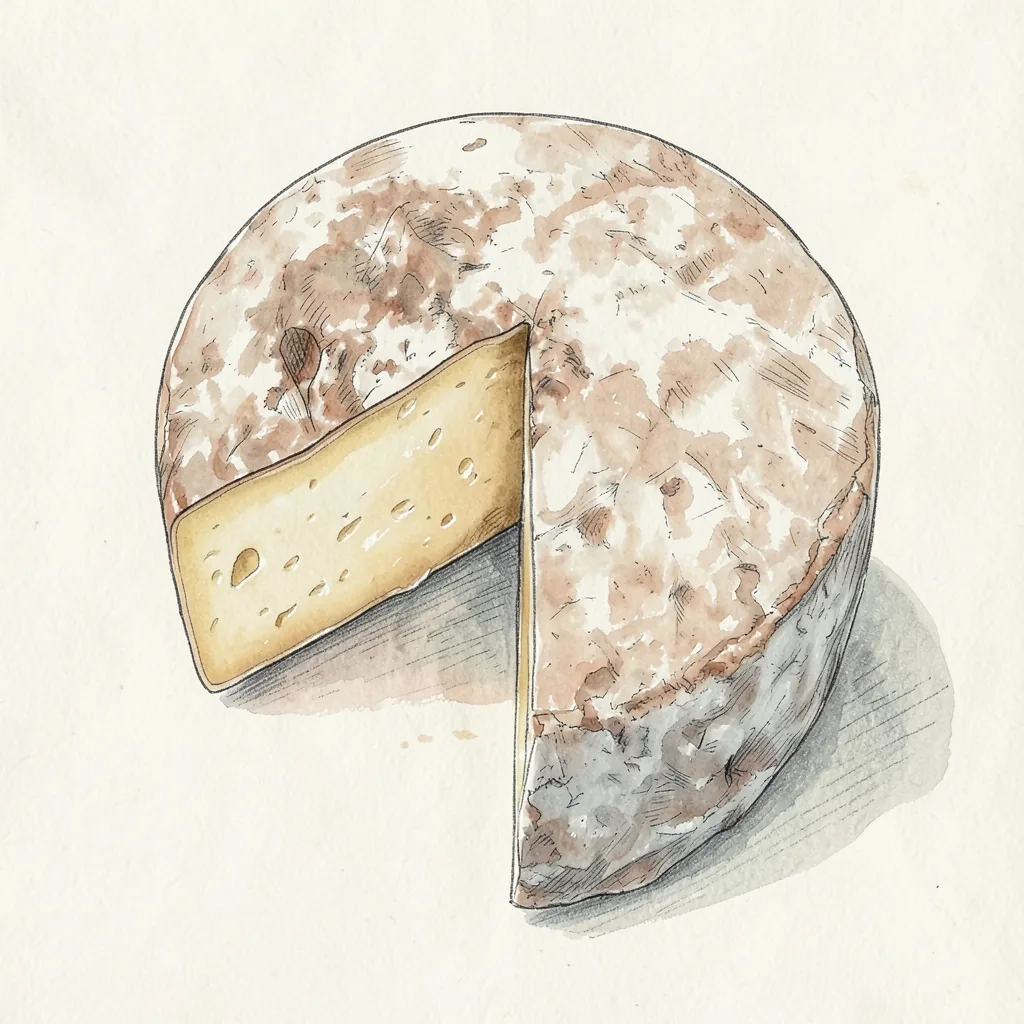
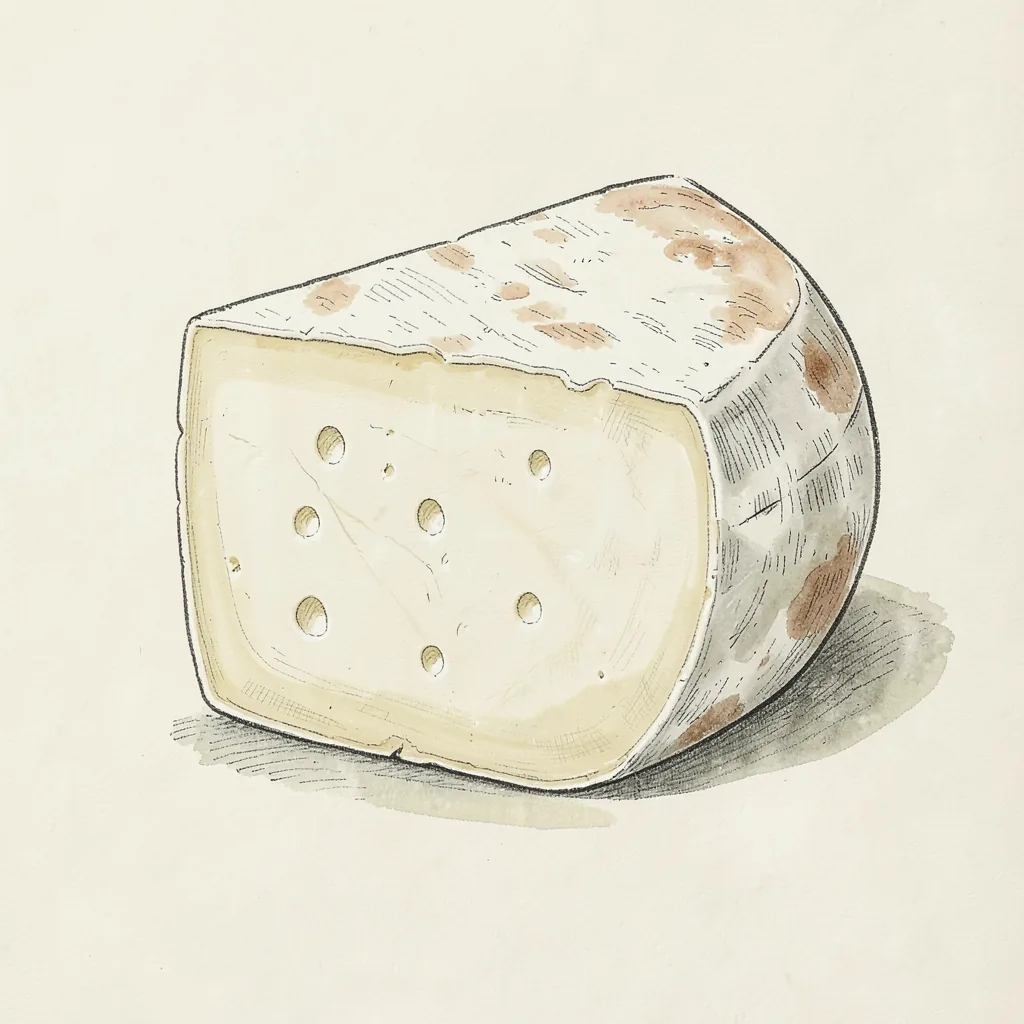
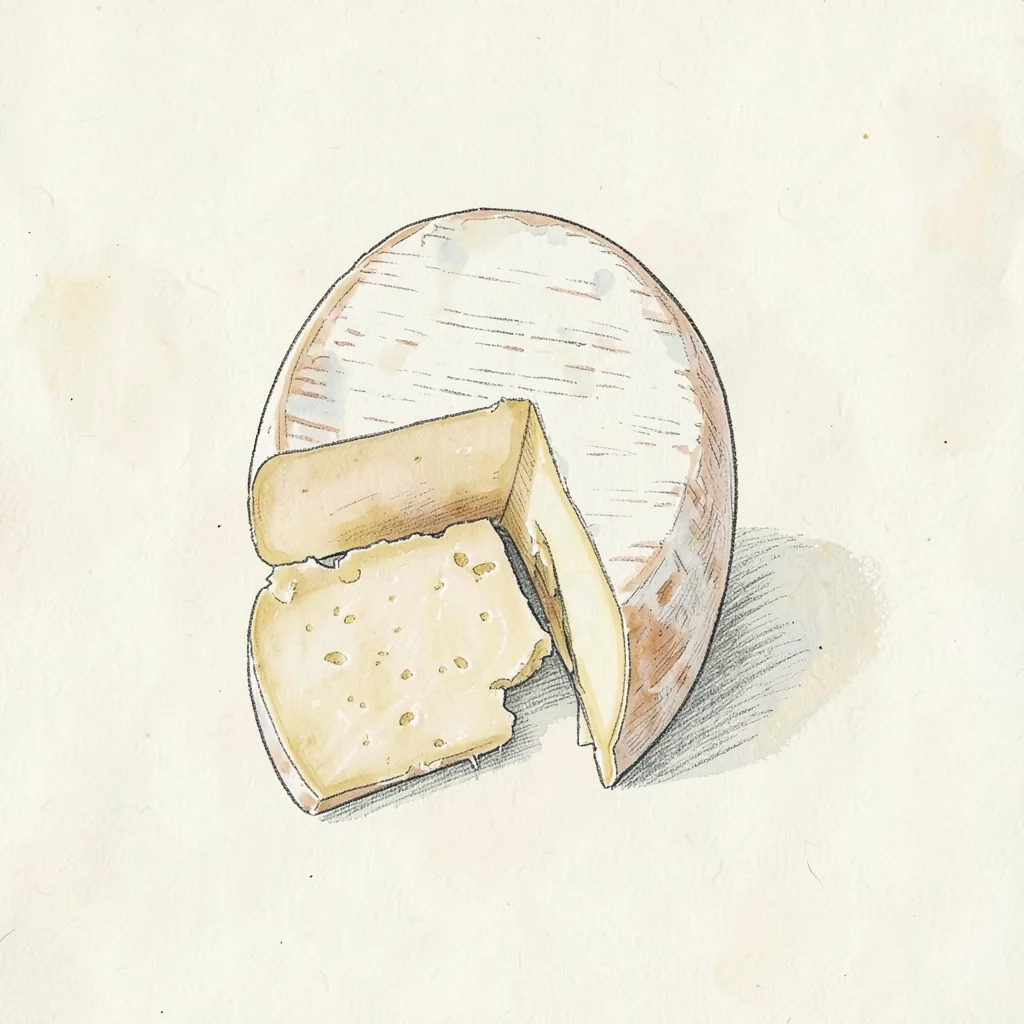
Wheels are modest in size, with a natural rind that is often gray brown and mottled with harmless surface molds. The paste is pale and supple, with small openings rather than large eyes. Some cream is often taken off the milk first, so the flavor is milky and nutty rather than very rich. It is a mountain table cheese for slicing and for cooking.
Tomme is a broad word for a small cheese, and Tomme de Savoie is one named member of that group. The Savoie version is known for a rustic rind and a gentle, slightly sour taste. It is not a blue, not a fresh curd, and not a washed square from northern France. A good wheel smells of cellar, cooked potato, and mushrooms at the rind, while the center stays mild. You can eat the paste freely, and many people trim the dustier parts of the rind.
History
In Savoie, dairies made small pressed cheeses from cow's milk after some of the cream had gone to butter. That thrifty habit shaped the tomme. Flavor came from the milk and the rind, not from a heavy load of cream. The cheese fed local tables and could be kept longer than a fresh curd. The name ties the style to the region rather than to one village, and the gray rind became a familiar sign on both farm wheels and cooperative wheels.
As production grew more regular, the cheese remained a regional everyday wheel rather than a rare showpiece. It sits beside other Savoie cheeses that are richer, stronger, or saved for melting feasts, but it keeps a quieter role. No single house owns the name. Makers still vary how much cream is removed and how long the wheel rests, so one wheel can be milder than the next. The constants are pressed cow's milk, a natural rind, and a Savoie identity on the label.
How it is made
Cow's milk, often partly skimmed, is warmed, cultured, and set with rennet. The curd is cut and stirred, sometimes with gentle heat, then pressed in molds into small wheels. Salt is rubbed on or mixed in, and the wheels dry before they go to a cool room. A natural rind forms, and patches of white, yellow, or red mold may speckle the surface. Those colors are part of the rustic look, and the paste firms into a slice that still bends.
This is a pressed cheese, not a stretched pasta filata and not a bloomy disk. The rind is not waxed as a rule, and it is not washed to a bright orange the way a smear cheese is. Ripening lets an earthy aroma develop while the center stays tender. A shorter rest gives a milder, moister wheel, and a longer one dries the paste and deepens the nutty taste. Dairies in Savoie follow that outline with their own small changes.
Taste
The paste tastes of fresh milk, light nuts, and a gentle acidity, with salt in the background rather than in the lead. Near the rind, mushroom, cellar, and sometimes a hint of hay come forward. The texture is smooth and a little springy, with small holes that do not make the slice fall apart. It is less sweet and less buttery than a very rich mountain cheese. The finish is clean and savory, so taste the center and the rind side if you are unsure which you prefer.
A younger wheel is milder and moister, and an older wheel is drier and more pronounced. Bitterness should stay low, and the milk note should still be pleasant. If the paste smells sharply of ammonia or feels slimy under a broken rind, the wheel has gone too far. A sound tomme is rustic but not aggressive. People who want a loud washed cheese may find it quiet, and that quiet is the reason many eaters like a larger piece.
In the kitchen
Slice Tomme de Savoie for a board with bread, walnuts, and dried fruit, or lay it over potatoes and vegetables for a simple gratin. It melts, but it does not stretch in long strings, and the flavor stays gentle in a hot dish. Cubes can go into a salad if the piece is not too dry. The rind can stay on if you like the earthy note, or you can cut it off for a milder result. Medium heat is plenty for a gratin.
In Savoie cooking it is a practical cheese when you want local cow's milk character without covering the rest of the plate. It can join a melted dish beside a stronger cheese, where it adds body and a mild nutty taste. It grates only when firm and dry, and even then a coarse grate is better than a fine powder. A light mountain white or a simple red wine fits it well. Wrap the cut face so the paste does not dry out before you serve it.
Around the world
Outside France, Tomme de Savoie appears in shops that carry French mountain cheeses. The mottled rind tells buyers they are looking at a natural tomme, not a waxed block from a factory line. The Savoie name matters, because a plain tomme can mean many different cheeses. Staff may call it mild, nutty, and useful for cooking, and that description is fair. It is approachable for people who dislike strong washed rinds, and it still has enough character for a board.
Tome des Bauges is the close neighbor, another pressed cow's milk cheese from the same broad area, often a little richer. Reblochon is softer, with a washed rind, and it is the cheese many cooks choose for a rich potato dish, so it is not the same food. A generic tomme from another region may look similar and taste plainer or sharper. Saint-Nectaire can substitute when you need a supple cow's milk slice with an earthy rind. Read the label for Savoie if you want this particular wheel.