Cow
What it is
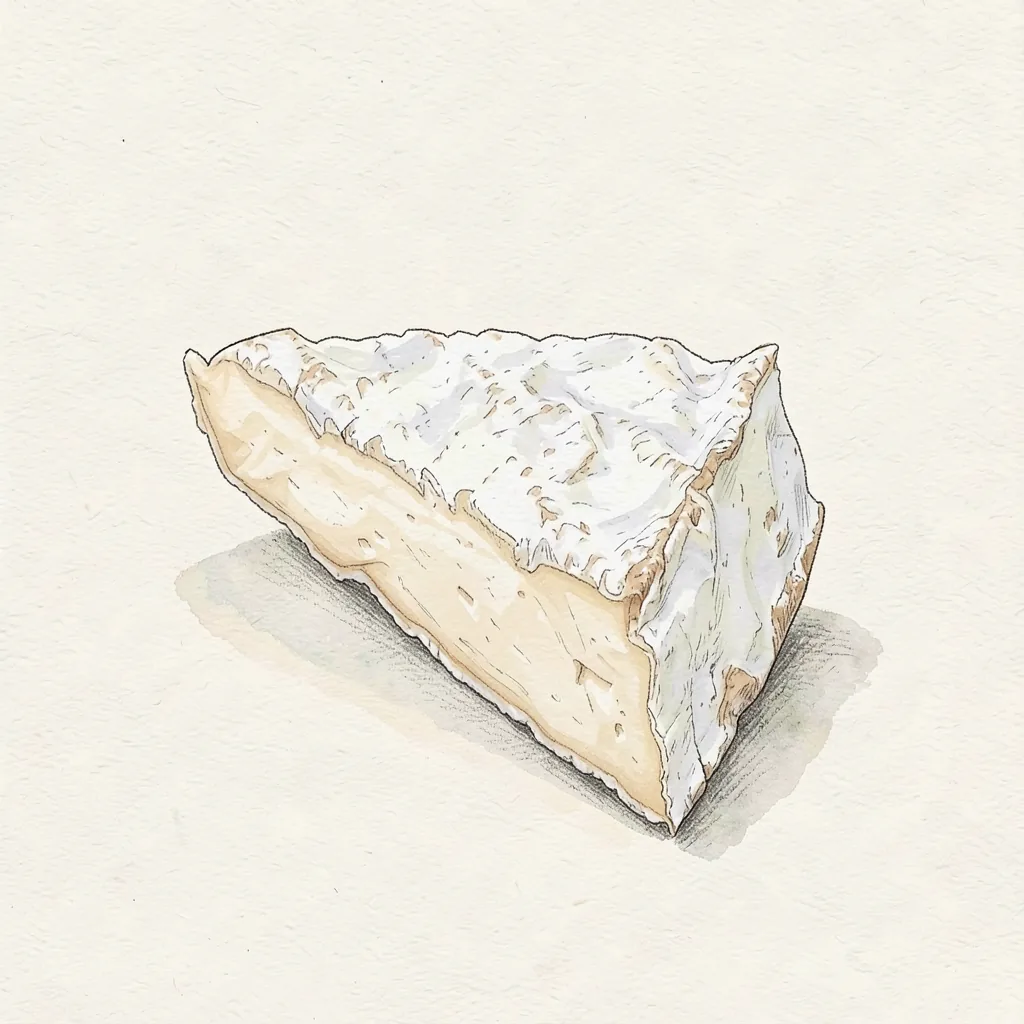
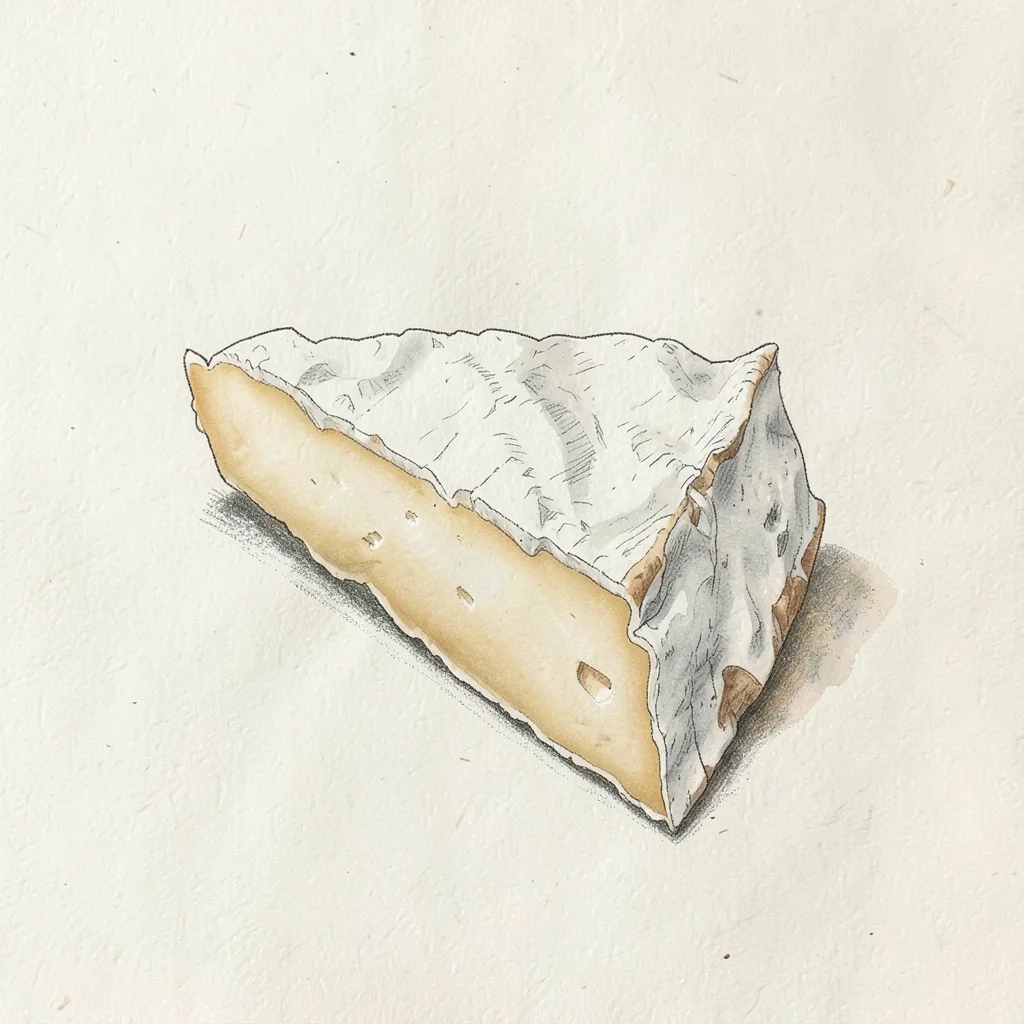
The name points to Cornwall, and the make follows French brie, with a white bloomy rind around a yellow buttery paste. At peak, the center turns soft and sometimes gently runny, while the flavor stays mild, creamy, and a little mushroomy. It is a British cheese in a French shape, not Brie de Meaux and not a blue. Cow's milk from that part of Britain gives the paste its deeper yellow color.
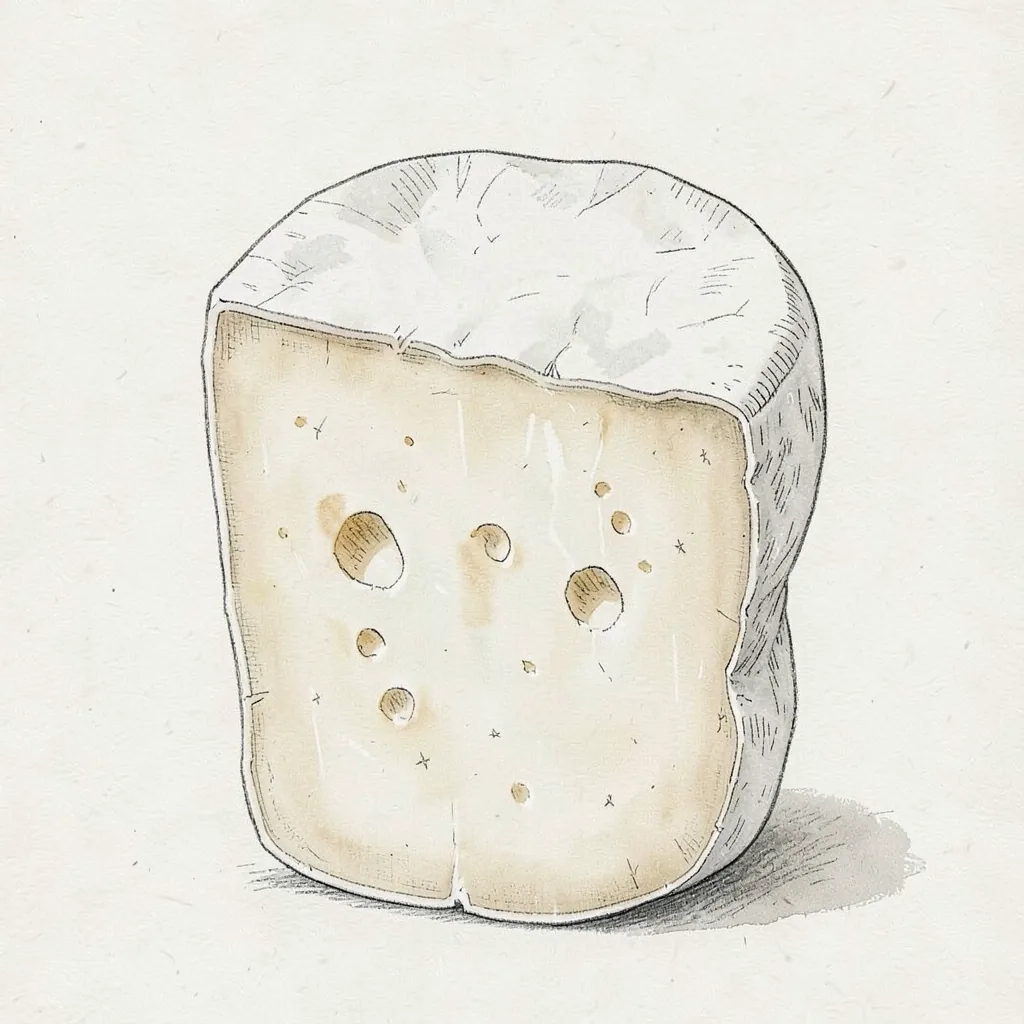
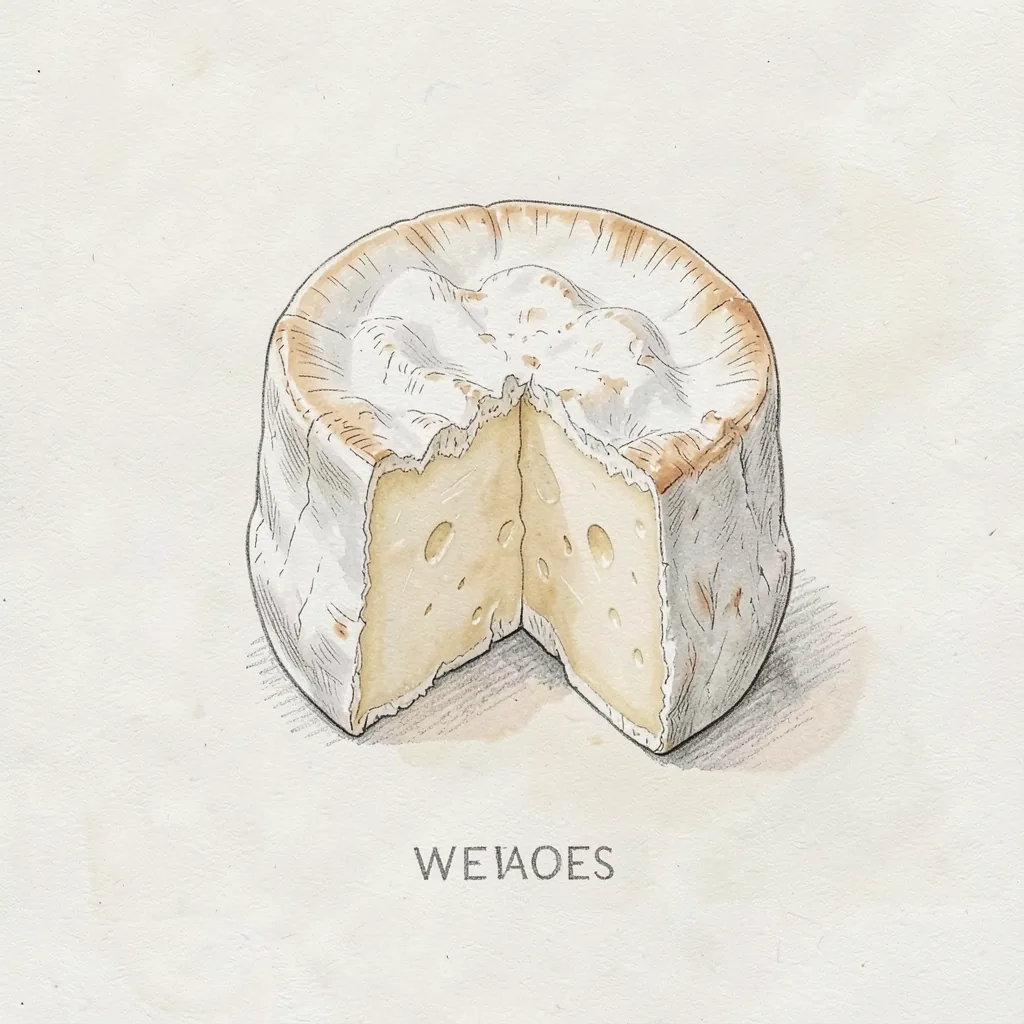
A whole small wheel looks like a squat disc with a velvety white coat. Under the rind the paste is smooth and pale gold, and it yields when the cheese is ripe. The smell is clean and milky, with a light mushroom note from the bloomy rind. It is meant for a board, a sandwich, or a warm dish where the center can soften. A chalky, firm center means the wheel is still young and needs more time.
History
British makers took the bloomy rind method and applied it to milk from the United Kingdom, and Cornish Brie is one result of that work. Brie itself is French, but this cheese is a British version sold under a Cornish name. It grew up beside other soft British cheeses rather than as an imported French wheel. The idea is simple. Local cow's milk, a white rind, and a creamy interior are enough to mark the type, and shops in Britain treat it as its own cheese.
More than one dairy in Britain has made a brie style cheese with Cornish milk, so the name describes a type as well as a single recipe. Two wheels can differ a little in richness and in how soft the center becomes. What they share is cow's milk, a bloomy rind, and a mild buttery taste. The cheese is a modern British soft cheese that borrows the brie shape, not an ancient closed recipe. Buyers should still read the label for the maker if they have a favorite.
How it is made
Makers start with cow's milk, warm it, and set the curd with rennet. The curd is ladled gently into molds so it stays moist, and the whey drains without heavy pressing. Salt is added, and a white mold culture is introduced so a bloomy rind can grow. The young cheese is pale and relatively firm at this stage. The soft, creamy texture people want comes later, while the wheel ripens under a white coat.
In the ripening room the white mold covers the surface and slowly breaks down the paste from the outside inward. The rind becomes thin and velvety, and the center turns creamier as time passes. A ripe wheel may bulge a little and feel soft under the thumb. Cut too soon, the middle stays chalky and the flavor stays quiet. Left too long, the smell turns sharp and the paste can run more than most people want.
Taste
The flavor is mild, creamy, and buttery, with a soft mushroom note from the rind. Acid is light, and there is no sharp bite of the sort you get from a long aged cheese. The paste feels smooth and can turn glossy when the wheel is fully ripe. Salt is present but not high, so the cheese tastes rich rather than sharply savory. Eat the rind if you like the mushroom flavor, or trim it if you want only the cream.
A young wheel tastes quieter and more milky, with a firmer center that can seem slightly chalky. A ripe wheel tastes rounder, and the middle can be almost spoonable. The yellow color is part of the character of this cow's milk, and it often looks deeper than a very pale brie. There should be no blue veins in the paste. A bitter smell or a strong ammonia note means the wheel is past its best, so choose a piece that still smells clean.
In the kitchen
Put Cornish Brie on a board with bread, fruit, or a few nuts, and let it sit out of the fridge so the paste softens. It also melts in a sandwich, on toast, or over potatoes. A wedge can go into the oven until the center slumps, and then you scoop it with bread. In a salad, use it when the leaves can stand a rich, mild cheese. Do not try to grate it, because the paste is too soft to hold a shred.
For cooking, add it near the end of the heat so it melts without turning oily and separated. It will not brown and stretch like a firm cooking cheese. It softens into a creamy layer that coats bread or vegetables. Pair it with something crisp or acidic, such as apple, pickle, or a green salad, because the cheese itself is gentle. Keep leftover wedges wrapped and cold, and let them warm again before the next serving.
Around the world
In the United Kingdom, Cornish Brie is a familiar soft cheese at many counters and in some supermarkets. Abroad it is less common than French brie, so shops may offer Brie de Meaux, Coulommiers, or a generic brie wheel instead. Those cheeses share the bloomy rind and the soft paste. They are not the same milk source in every case, and they do not carry the Cornish name. If a label says Cornish Brie, it should be the British cow's milk cheese, not a French wheel under a similar word.
Brie is the straightforward substitute when you want the same soft, mild role on a board or in a melt. Coulommiers is a related French cheese, often a bit thicker, and it behaves in a similar way in the kitchen. Waterloo is a British bloomy cheese that can also stand in if the shop has no Cornish wheel. Camembert de Normandie is related too, but it is often smaller, earthier, and more mushroomy. None of those cheeses should be labeled as Cornish Brie.