Cow
What it is
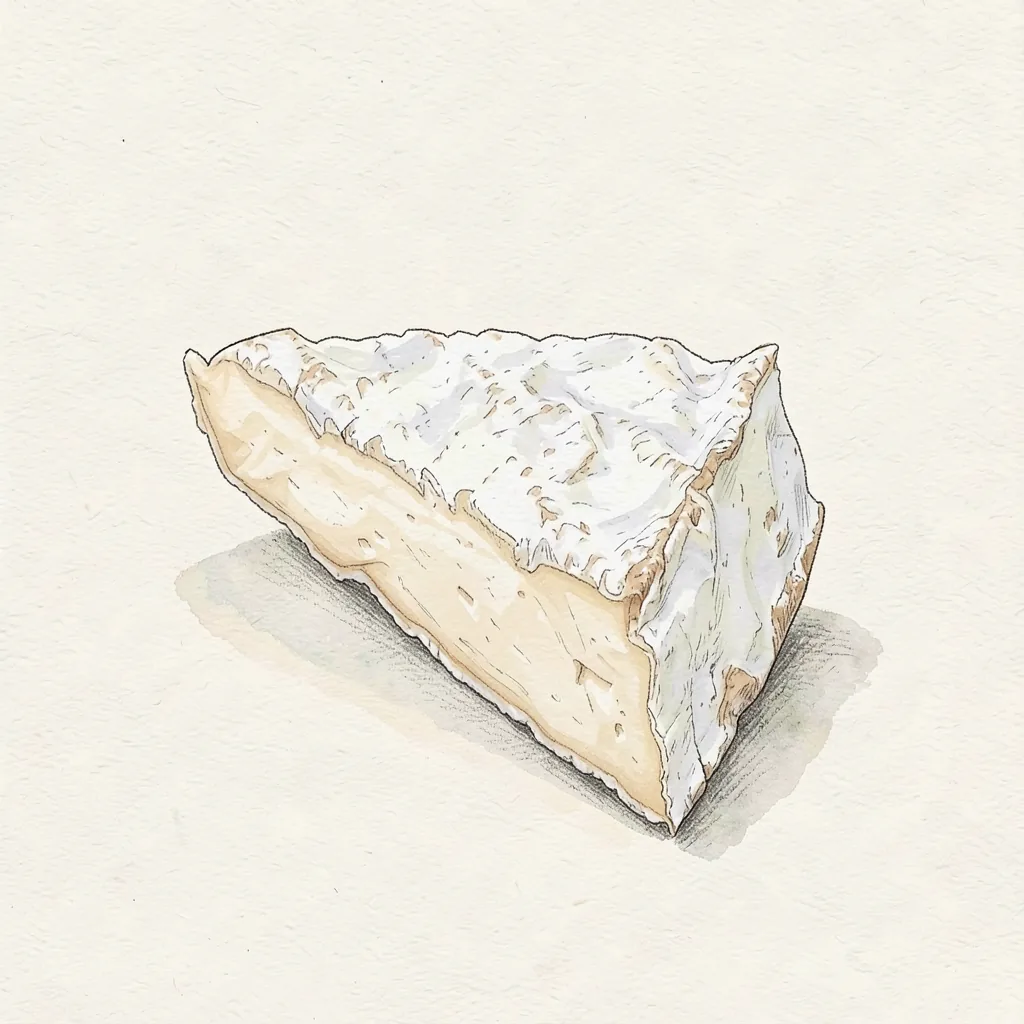
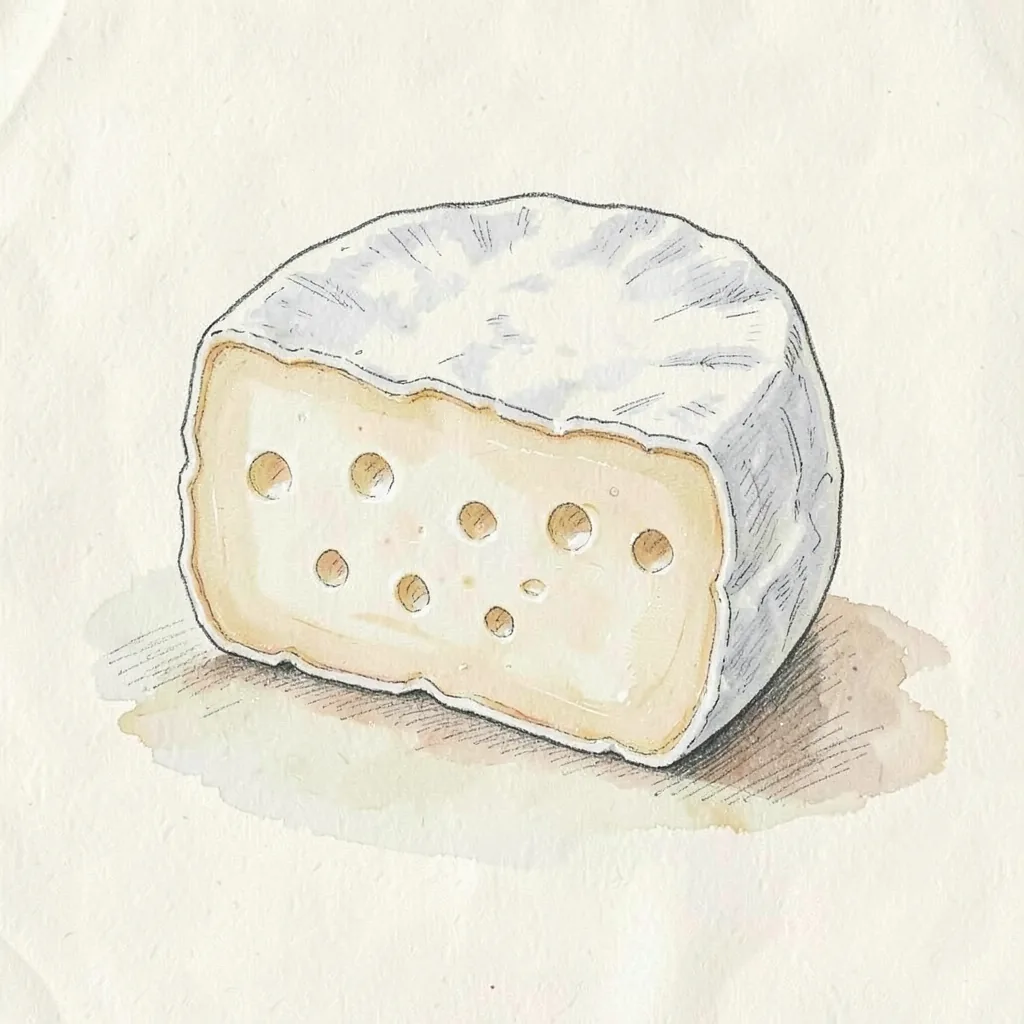
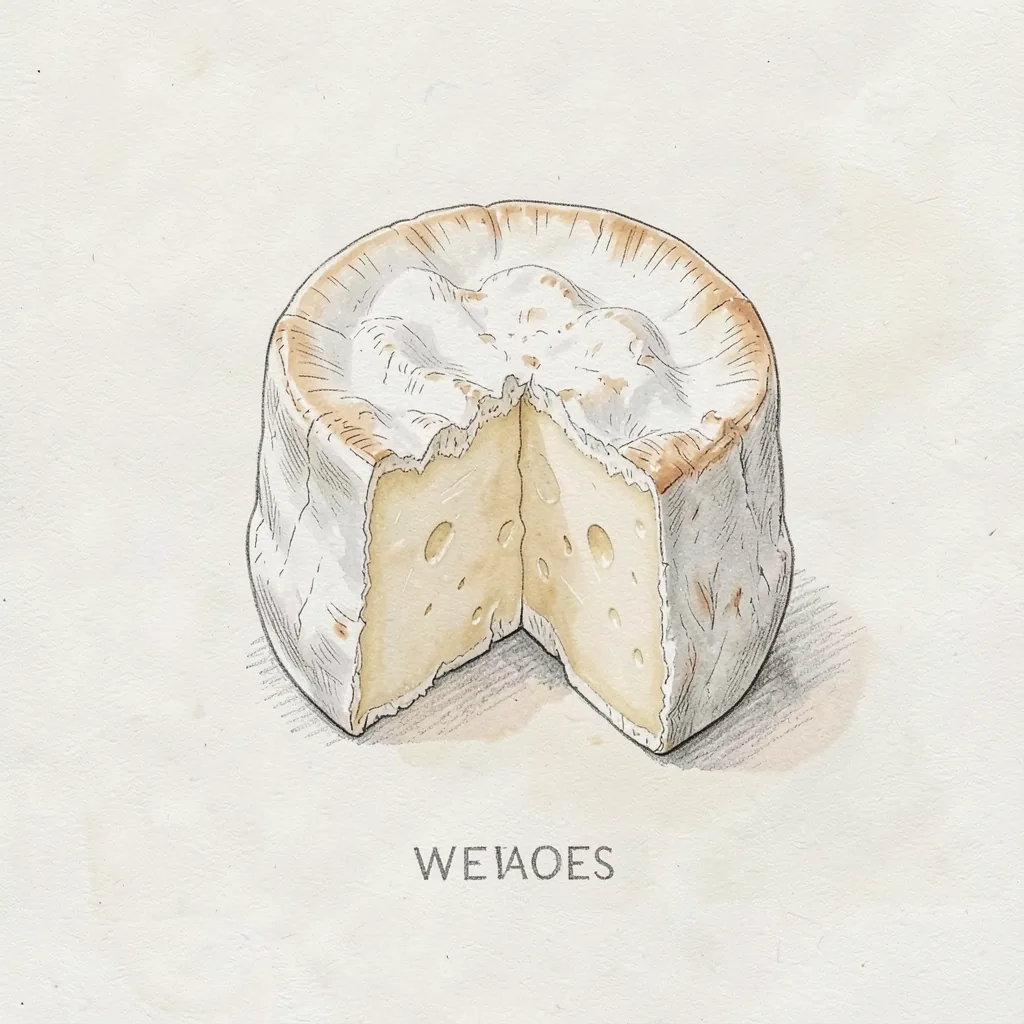
The milk is naturally golden, so the paste is yellow rather than pale. A thin bloomy rind covers each wheel, and the cheese is milder than a ripe Brie. Makers use a washed-curd method, which means some whey is replaced with water so the acid stays lower. The center keeps a little flake, while the edge turns creamy as it ripens.
British cheese counters and shops that stock English farmhouse cheese are the usual places to find it. It is an everyday board cheese, not a rare museum piece. A younger wheel slices cleanly and tastes buttery. A riper wheel softens under the rind and smells lightly of mushrooms. Both stages are the same cheese, and the difference is only age.
History
Waterloo belongs to the group of English soft cheeses made for the modern table. Producers adapted a bloomy rind to milk from Guernsey cows, which is richer and more golden than much ordinary dairy milk. They also wash the curd, so the cheese stays milder than a classic French soft cheese of the same family. The style is now a regular item in the United Kingdom. Buyers ask for it by name rather than as a generic Brie.
The Guernsey herd matters more here than a map pin. That milk carries carotene, and the color shows in the finished paste. Ripening is a matter of turning the wheels while a white mould forms a thin coat. The rind can look slightly grey and a little wrinkled, which is normal. Nothing in the make depends on a blue mould, a brine wash, or a wax coat.
How it is made
Makers warm Guernsey cow's milk and set it with rennet, often a vegetarian rennet. They cut the curd, then take off part of the whey and add water. That washed-curd step dilutes the acid and slows the breakdown of the paste. The curd is ladled into moulds and left to drain. Salt is added before the young wheels go on to ripen.
A white mould is encouraged on the surface, and the wheels are turned so the coat grows all the way around. The rind stays thin. It is grey-white and often slightly wrinkled, not a thick sticky wash. Under the rind the paste becomes rich and yellow. The middle stays a little firmer and slightly flaky, which is why the cheese is called semi-soft rather than fully runny.
Taste
The first taste is butter, cream, and fresh milk, with a gentle earthy note from the rind. Some tasters describe a soft sauce-like richness and a clean lactic finish. The smell is mild, closer to mushrooms than to a sharp ammonia note. Salt is present, but it does not sting. A bite from the center is quieter than a bite that includes the riper edge.
Age moves the cheese from sweet and sliceable toward soft and more savory. The color stays deep yellow either way, because that comes from the Guernsey milk. There is no hop bitterness, no blue vein, and no sharp bite like a long-aged hard cheese. If the rind tastes harsh, the wheel may be too old or the piece was cut only from the coat. The paste itself should stay mellow.
In the kitchen
Set Waterloo on a board with bread, a crisp apple, and a few walnuts. Let it warm first so the creamy edge shows against the firmer center. It also melts into a tart, a baked potato, or vegetables, if the heat is gentle. A long blast of heat can toughen the rind and dull the butter flavor. Thick slices do better than a cloud of fine shreds.
Use it where you want richness without a strong washed-rind smell. It can sit in a salad of bitter leaves if the pieces are not too large. It is a poor match for a dish that needs a dry grating cheese. Cover the cut face, because the paste dries and the smell can pick up other food in the fridge. A mild cider or a simple white wine leaves room for the milk flavor.
Around the world
Outside the United Kingdom, Waterloo is a specialist import rather than a supermarket staple. Cheese shops that carry British farmhouse cheese are the likely place to find it. Many visitors meet it on a mixed board and mistake it for a small Brie. The yellow paste and the slightly firmer center are the clues. Once you taste the milder, buttery finish, the difference is clear.
Brie is the usual stand-in, and Cornish Brie is the closer English cousin. Both are softer when ripe and often stronger at the rind. Camembert de Normandie is another bloomy cow's milk cheese, but it is a different regional style from France. Waterloo stays tied to Guernsey milk and the washed-curd make. Ask for the name if you want that particular balance of butter and mild earth.