Cow
What it is
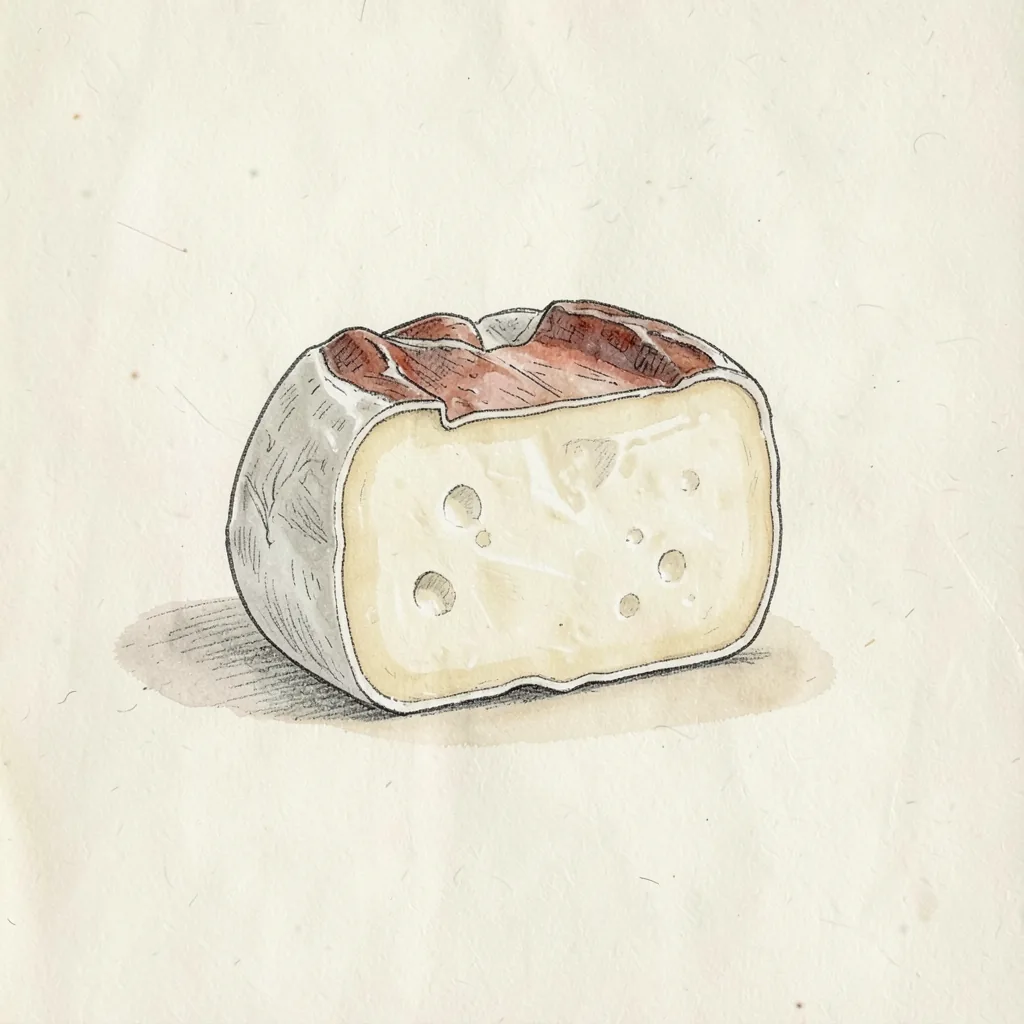
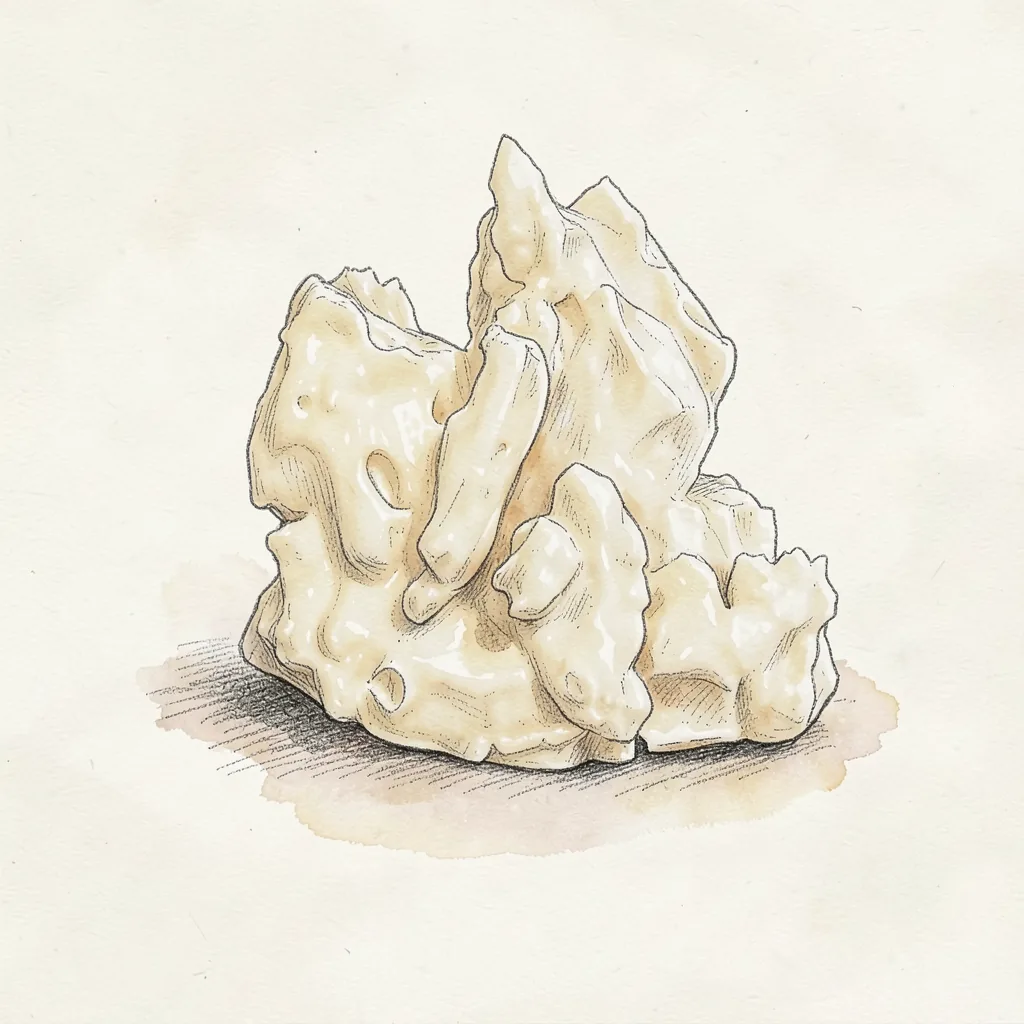
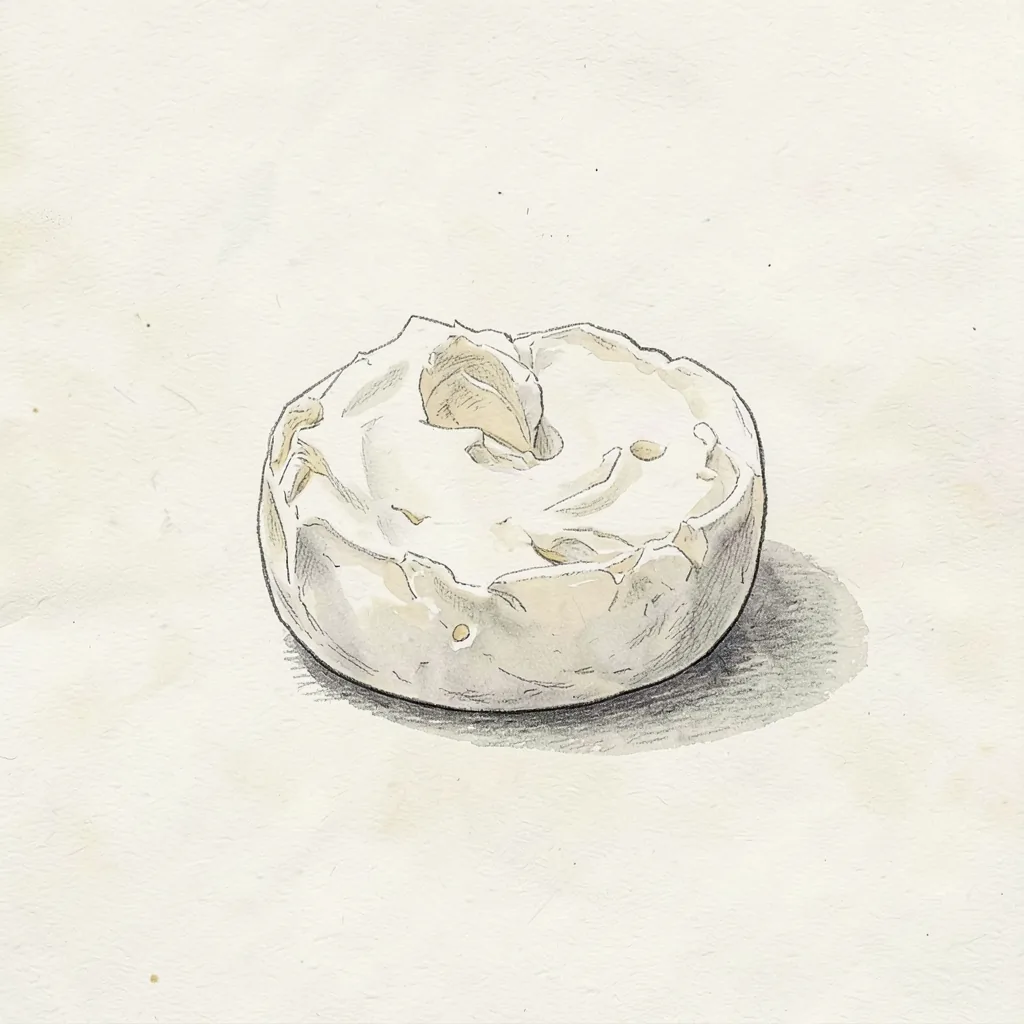
It is a soft farmer-style cheese, closer to a loose clabber than to a dense brick of modern cream cheese. The curds are mild, slightly tart, and a little sweet. People often eat them with cream, sugar, or fruit at breakfast. A savory plate with salt and pepper is just as traditional in the city.
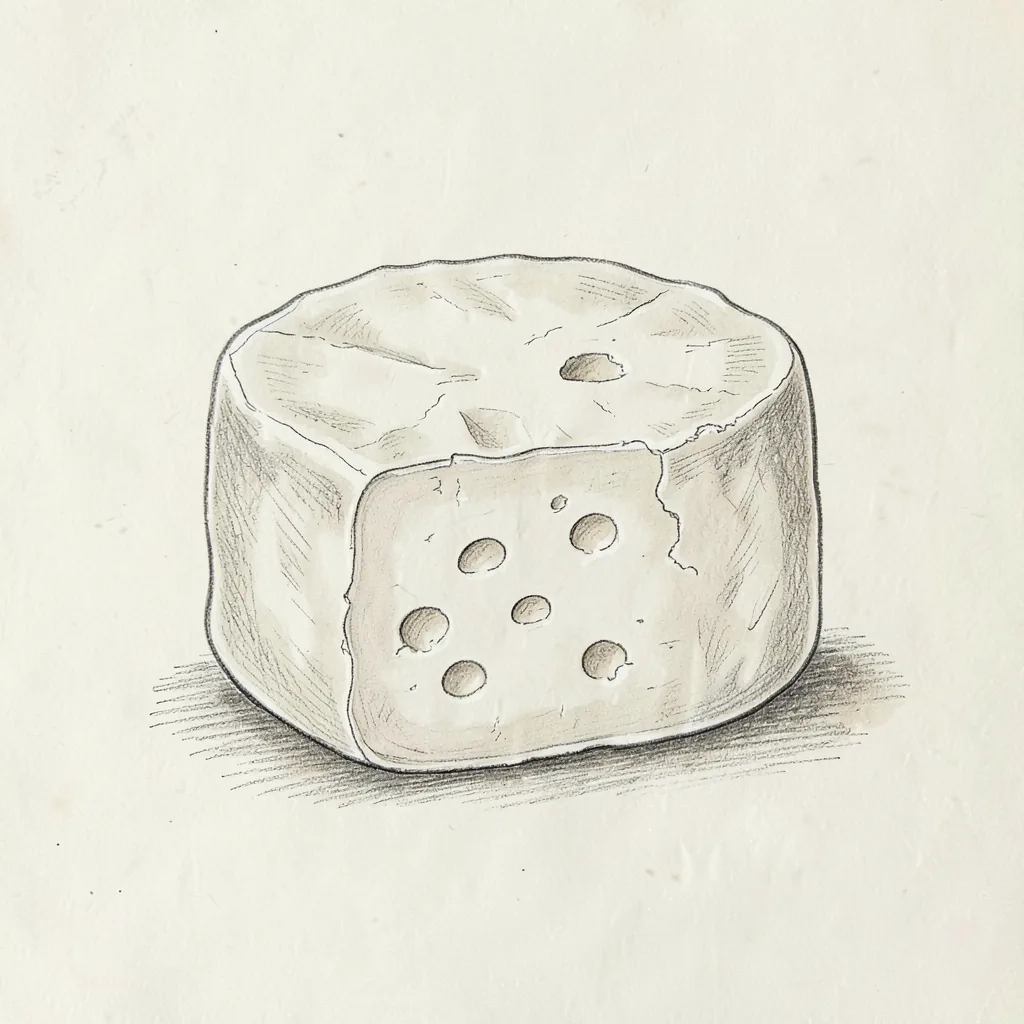
The cheese has no rind and no long aging in a cellar. It sits in a small mold or a tub, moist and ready to spoon. It is not the cultured spread sold in a foil block, even though both names say cream cheese. The texture can range from a soft custard to a slightly drier curd, depending on the drain. Both versions are still the New Orleans cheese, and the gentle tang is the clue that you have the right one.
History
The cheese belongs to the old breakfast table of New Orleans. Dairy sellers once carried it through the streets in small perforated molds, with fresh cream to pour on top. Home cooks also drained clabbered milk in cloth when they wanted the same soft curd. It was ordinary food, not a rare piece saved for a show. The habit was local to the city and to the surrounding part of Louisiana.
As grocery shelves filled with firmer cream cheese, this softer style became harder to find. A small number of dairies later brought it back to local shops and to restaurant desserts. No single owner holds the name, because it is a traditional form, not a brand. Cooks still prefer different toppings, from sweet cream and sugar to salt and pepper. Both plates belong to the local record of the cheese.
How it is made
Makers start with cow's milk, often skim milk, and culture it with buttermilk or let it clabber until it sets. Rennet may help the milk form a tender curd. The curd is ladled into cloth or into small perforated molds so the whey can drain away. It is not pressed hard, and it is not cooked into a firm block. The goal is a moist cheese that still holds a soft shape in the mold.
A shorter drain leaves a custard-like cheese that spoons easily onto a plate. A longer drain makes a thicker curd, closer to a soft farmer cheese. Salt is light or left off, because many people season the cheese at the table. Cream is often served beside it rather than mixed through it at the dairy. That is why one portion can look like cheese and a light sauce at once, and the tang comes from the culture rather than from a long age.
Taste
The taste is gently sour, milky, and slightly sweet, with none of the sharp bite of an aged cheese. It feels smooth and cool, more like a soft curd than a sticky spread. A spoonful with cream tastes richer and rounder. A spoonful on its own shows the buttermilk tang more clearly. It should not taste bitter, yeasty, or very salty, and freshness is what keeps that flavor clean and light.
Set beside a dense cream cheese block, this cheese is lighter and more tart. Set beside cottage cheese, it is smoother and less pebbly, though both are fresh curds. Sugar turns a bowl toward a simple dessert. Salt and pepper turn the same curd toward breakfast or a small savory snack. The cheese in the mold does not change under those toppings, and only the plate around it changes.
In the kitchen
Spoon it into a bowl, pour on a little cream, and add sugar and fruit for the classic sweet plate. Spread a thicker batch on French bread or on toast. For a savory bite, skip the sugar and use salt, pepper, and maybe a few mild herbs. It can also lighten a cheesecake or another cold dessert that needs a tangy dairy note. Do not cook it over hard heat, or the delicate curd can split and weep.
Use it soon, and keep it cold, because a fresh cultured cheese does not keep like a sealed brick. Stir it gently if you want a smoother spoonful. It is a poor cheese to grate, and it is a poor cheese to grill. Pair the sweet plate with berries or stewed fruit. Pair the savory plate with bread, cucumber, or a green salad, and stir separated whey back in or pour it off.
Around the world
Outside New Orleans, Creole cream cheese is still a specialty, not a standard item in every grocery. Louisiana shops and a few dairies are the reliable sources. A package of ordinary cream cheese will not give the same loose curd or the same light tang. Travelers meet it at breakfast and in local desserts more often than on a cheese board. If a menu names it, expect a spoon, not a firm slice.
Fromage blanc or quark can stand in for a recipe, but each one is tangier or drier in its own way. Neufchatel is closer to the dense block than to this soft molded curd. Tell guests what they are eating, because the words cream cheese set the wrong picture in many kitchens. The New Orleans version is worth seeking when a dish depends on that gentle sourness. A substitute will help in a pinch, and it will not be the same plate.